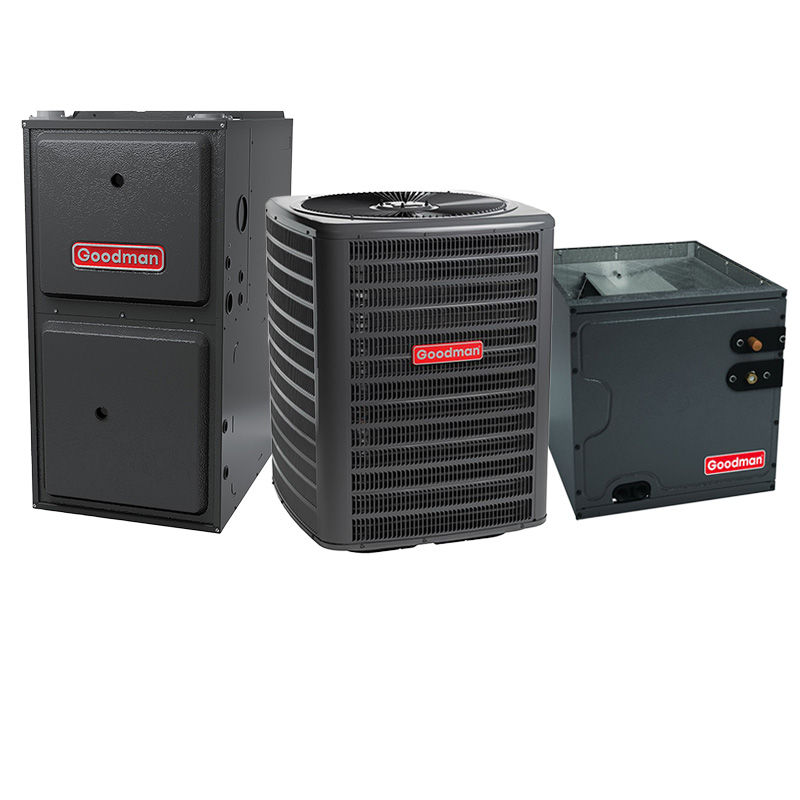
Goodman Furnace AC Combo – 5 Ton 13.6 SEER2 AC With 100000 BTU 97% AFUE Modulating Variable-Speed ECM Gas Furnace System – Upflow | R32
View on AC Direct see your lowest price →Check current price on AC Direct →
Key features
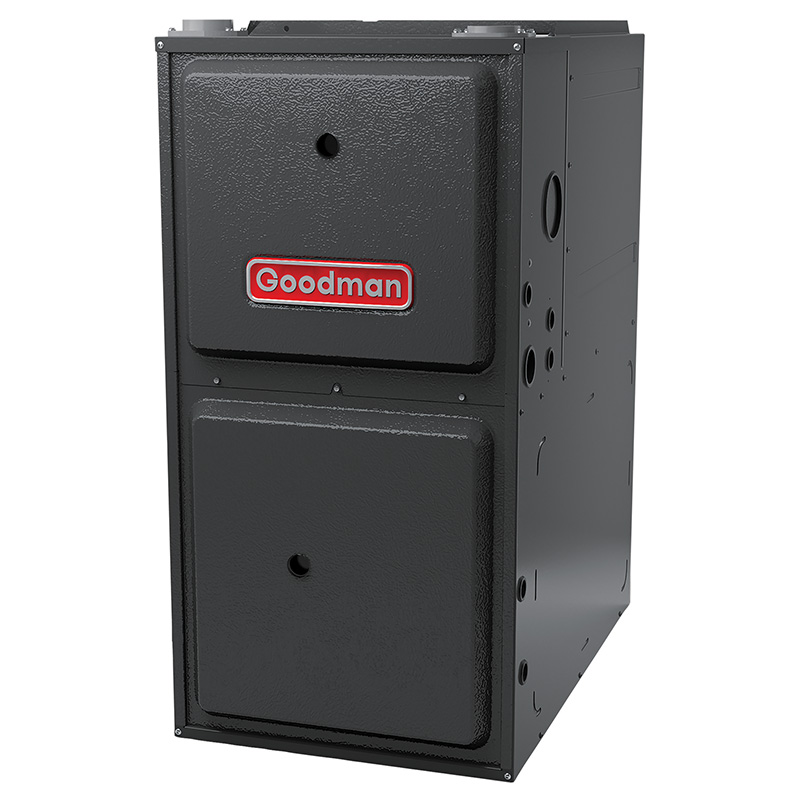
- 97% AFUE modulating gas furnace for top-tier heating efficiency
- Variable-speed ECM blower motor for quieter operation and better humidity control
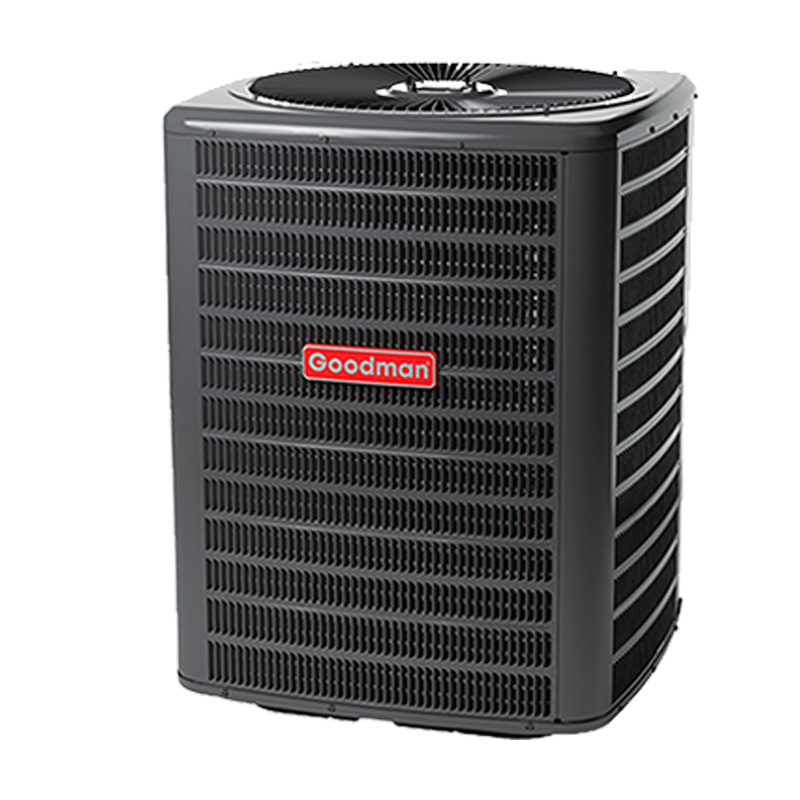
- 5-ton, 13.6 SEER2 air conditioner meets current federal efficiency minimums
- R-32 refrigerant with lower global warming potential than R-410A
- Upflow configuration for basement or closet installations with airflow moving upward
- Matched system design allows single-brand warranty and simplified service
About this system
This Goodman combination system pairs a 5-ton, 13.6 SEER2 air conditioner with a 100,000 BTU, 97% AFUE modulating gas furnace in an upflow configuration, making it suited to larger homes — typically in the 2,400 to 3,200 square foot range depending on climate and insulation. The furnace side is where the real value shows up: a modulating, variable-speed ECM unit at 97% AFUE sits at the top tier of gas heating efficiency, meaning nearly all of the fuel burned becomes usable heat. That level of sophistication is more commonly found on premium brands, and getting it at a Goodman price point is a genuine advantage for heating-dominated climates.
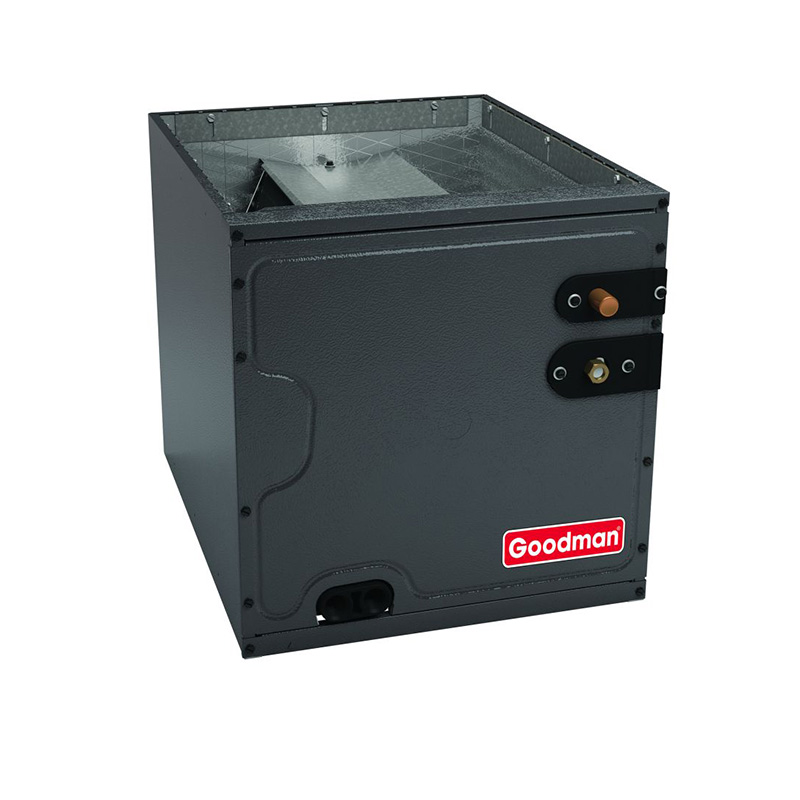
The cooling side tells a more measured story. A 13.6 SEER2 rating meets current federal minimum standards and will deliver reliable cooling, but it is not a high-efficiency AC. In hot Southern climates where the air conditioner runs for six or more months, homeowners weighing long-term utility bills may find the modest efficiency gap between this unit and a 16 or 18 SEER2 system adds up over time. The R-32 refrigerant is a forward-looking choice — it carries a lower global warming potential than R-410A and is being adopted broadly across the industry. The upflow configuration requires the furnace to sit below the coil with airflow moving upward, which is the most common layout in homes with basements or closet installations on a main floor.
This system is best understood as a hybrid of high-end heating technology and entry-level cooling efficiency packaged at a value price. Buyers who heat more than they cool, who want modulating comfort and strong fuel savings on the furnace side, and who are comfortable with Goodman’s value-brand positioning will find a lot to like here — provided the installation is done by an experienced contractor.
This Goodman combo delivers premium-grade heating efficiency and variable-speed comfort at a value price, making it a smart pick for cold-climate homeowners who prioritize furnace performance over AC efficiency. The 97% AFUE modulating furnace punches well above the system's price tier, though the 13.6 SEER2 AC is entry-level and the brand's documented reliability track record falls short of premium competitors. Installation quality will determine more than anything else how long and how well this system performs.
Overall score is the average of the five ratings above.
What we like
- 97% AFUE modulating furnace is genuinely top-tier heating efficiency at a value price
- Variable-speed ECM motor improves comfort, reduces noise, and lowers blower energy use
- Priced 15 to 25 percent below comparable Trane, Lennox, and Carrier systems
- R-32 refrigerant is a future-friendly choice with lower environmental impact
- Matched AC and furnace simplify warranty claims and service diagnostics
Trade-offs
- 13.6 SEER2 is the low end of current efficiency; cooling costs will be higher than mid- or high-efficiency alternatives
- Dual-run capacitors are a documented and recurring failure point, typically needing replacement within 7 to 10 years
- Compressor lifespan averages 10 to 14 years versus 15 to 20 years for premium brands, a real long-term cost factor
- Evaporator coil leaks appear in a meaningful share of owner reviews, and a minority report refrigerant issues in the first year
What homeowners and pros say about Goodman
Homeowners who share feedback on Goodman equipment tend to split along a clear fault line. Those who had a skilled contractor handle the installation report years of trouble-free operation and consistently praise the affordability relative to premium brands — a sentiment that shows up in Google dealer review scores that average around 3.8 out of 5 across many locations. The variable-speed ECM furnace in this particular system draws specific appreciation from owners who notice quieter operation and steadier indoor temperatures compared to their previous single-stage units. The ConsumerAffairs channel tells a harder story, averaging around 2.5 out of 5, though that platform skews toward complaint-driven posts. The recurring theme there is repair costs that begin climbing after roughly year seven, which aligns with documented patterns in the brand.
HVAC technicians who work on Goodman equipment regularly point to dual-run capacitors as the most predictable service call — a repair that typically runs between 300 and 600 dollars and is considered a routine maintenance item rather than a catastrophic failure. More consequential are evaporator coil leaks, which appear in a meaningful share of owner reviews and can carry a steeper repair bill, and a compressor lifespan that technicians generally estimate at 10 to 14 years compared to the 15 to 20 years more common with Trane, Carrier, or Lennox compressors. A minority of first-year refrigerant complaints also surface, almost always attributed to installation or charge issues rather than the equipment itself. The consistent professional advice is straightforward: Goodman equipment can perform well and deliver real value, but the quality of the installation and the discipline of annual maintenance matter more with this brand than with higher-end alternatives.
Sources: ConsumerAffairs Goodman owner reviews, AHRI Directory of Certified Product Performance, U.S. DOE appliance and equipment efficiency standards, Goodman product specification sheets.
What it costs to run
At 13.6 SEER2, cooling this 5-ton system for a typical 1200-hour cooling season at the U.S. average electricity rate of $0.17/kWh works out to roughly $900 per year in cooling, about $13 less per year than a minimum-efficiency 13.4 SEER2 unit of the same size. Your real cost depends on your climate and local rate.
Method: (60,000 BTU/hr ÷ 13.6 SEER2) × 1200 hours ÷ 1000 × $0.17/kWh. Rate source: U.S. EIA average; cooling hours: moderate-climate estimate.
How it compares
| Brand | Comparable model | SEER2 | Stage | Price position |
|---|---|---|---|---|
| Goodman | GMVC97 + GSXH5 (this system) | 13.6 | Modulating / Variable | Value pick |
| Carrier | Comfort 80 (58SC) + 24ACC6 | 13.4 to 14.3 | Single-stage | Typically 15 to 25 percent more than this Goodman system |
| Trane | S8X1 + XR13B | 13.4 to 14.0 | Single-stage | Typically 15 to 25 percent more than this Goodman system |
| Lennox | ML180 + 13ACX | 13.4 to 14.0 | Single-stage | Typically 15 to 25 percent more than this Goodman system |
Competitor rows are comparable single-stage units at similar efficiency; price is relative position, not a quote.
Questions about this system
Is 13.6 SEER2 going to cost me significantly more to run than a higher-efficiency AC?
In moderate climates or where cooling is a secondary load, the difference is modest. In hot climates with long cooling seasons, a 16 or 18 SEER2 unit can meaningfully reduce summer electric bills over the system's life, so the payback calculation depends heavily on how many cooling hours your home accumulates each year.
What does the modulating furnace actually do differently compared to a single-stage or two-stage unit?
A modulating furnace adjusts its heat output in small increments rather than switching fully on or off, which maintains more consistent indoor temperatures, reduces temperature swings, and tends to run more quietly. Combined with the variable-speed ECM blower, it is the most comfortable furnace configuration available and also contributes to the 97% AFUE efficiency rating.
How long should I expect the compressor to last on the AC side?
Based on Goodman's documented track record, compressors on their equipment tend to average 10 to 14 years, which is shorter than the 15 to 20 years more commonly seen with premium brands like Trane or Carrier. Proper installation, clean coils, and annual maintenance are the biggest factors in reaching the higher end of that range.
Should I be worried about the first-year refrigerant leak reports I have seen for Goodman units?
A minority of Goodman owners do report refrigerant issues in the first year, and in most cases these trace back to installation or charging errors rather than a factory defect. Hiring an experienced, licensed HVAC contractor and confirming a proper refrigerant charge at commissioning significantly reduces this risk.
Is R-32 refrigerant going to be easy to service and recharge in the future?
R-32 is being adopted broadly across the HVAC industry and is widely available through HVAC supply distributors, so availability should not be a concern. Technicians do need R-32 specific equipment and training since it requires different handling procedures than R-410A, so confirming your service contractor is certified for R-32 work is worth doing upfront.
Specifications
| Cooling capacity | 5 Ton |
| Efficiency | 13.6 SEER2 |
| Furnace output | 100000 BTU |
| Furnace efficiency | 97% AFUE |
| Configuration | Upflow |
| Refrigerant | R-32 |