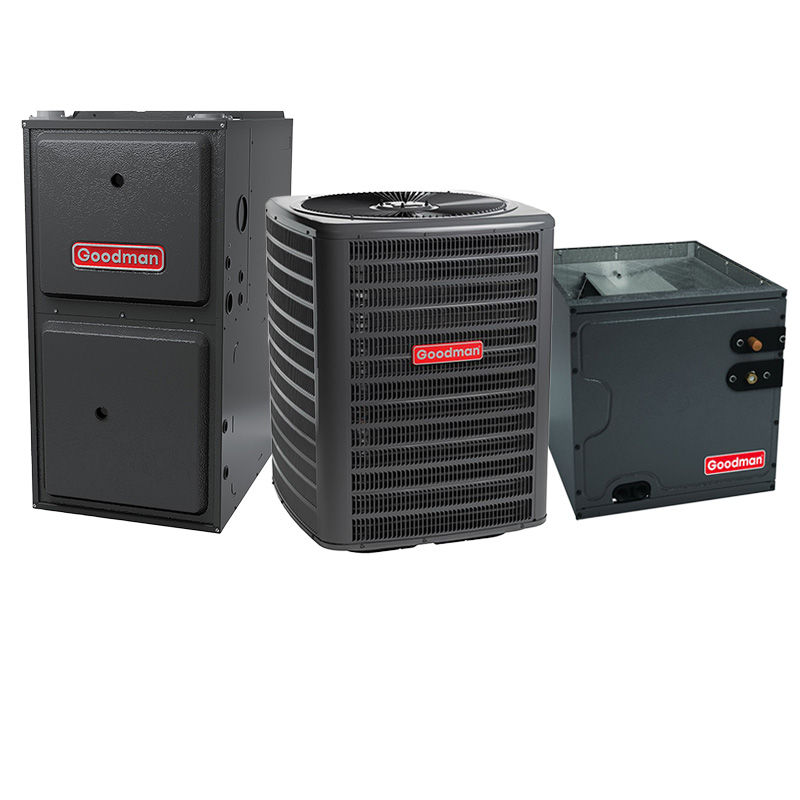
Goodman Furnace AC Combo – 5 Ton 13.6 SEER2 AC With 120000 BTU 97% AFUE Modulating Variable-Speed ECM Gas Furnace System – Upflow | R32
View on AC Direct see your lowest price →Check current price on AC Direct →
Key features
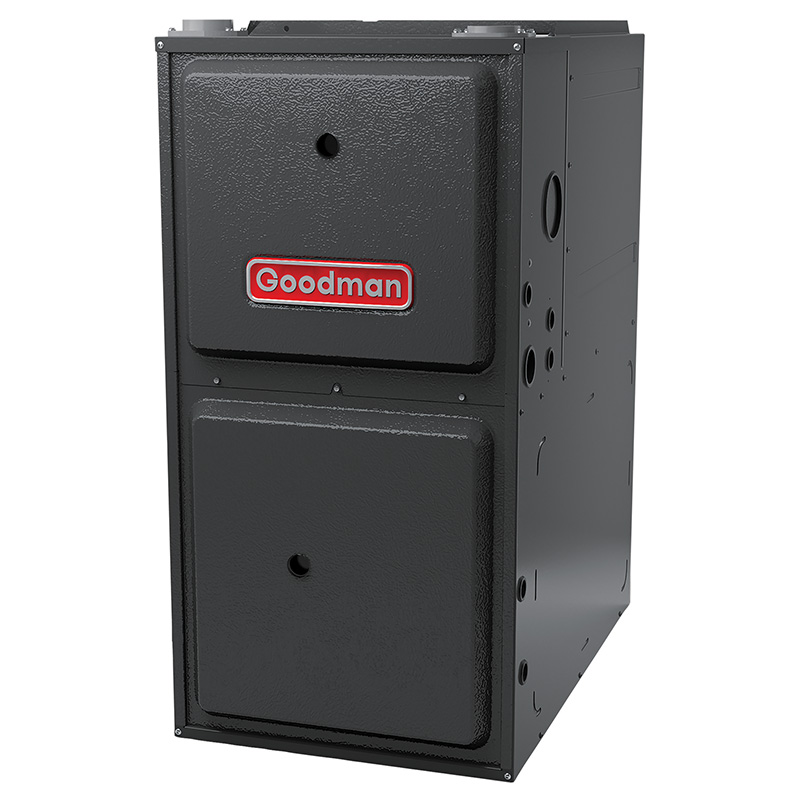
- 97% AFUE modulating gas furnace converts nearly all fuel to usable heat
- Variable-speed ECM blower reduces electricity use and lowers noise levels
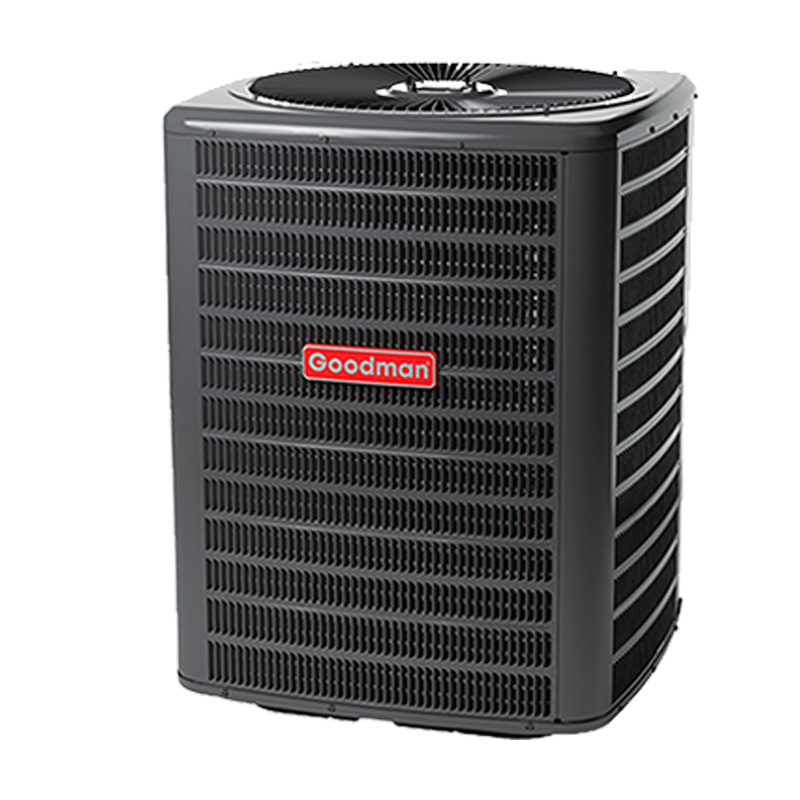
- 13.6 SEER2 air conditioner meets current efficiency standards for most U.S. regions
- 5-ton cooling capacity suited to larger homes, typically 2,400 to 3,200 sq ft depending on climate and insulation
- R-32 refrigerant with lower global-warming potential than outgoing R-410A
- Upflow configuration designed for basement or ground-level air handler placement
About this system
This Goodman combo pairs a 5-ton, 13.6 SEER2 air conditioner with a 120,000 BTU, 97% AFUE modulating gas furnace in an upflow configuration, making it a strong candidate for larger homes in climates where both heating and cooling demand is high. The furnace runs at 97% AFUE, meaning nearly all the gas burned is converted to usable heat, which is among the most efficient ratings available in residential equipment. The modulating burner adjusts output in small increments rather than cycling fully on and off, which evens out temperature swings and reduces wear on the heat exchanger over time.
The variable-speed ECM blower motor is a meaningful upgrade over single-speed units. It ramps up and down to match demand, which lowers electricity consumption during the blower’s long daily run hours and moves air more quietly than a standard motor. The AC side uses R-32 refrigerant, a lower global-warming-potential option that is becoming the new standard as R-410A is phased down. At 13.6 SEER2, efficiency is solid for the current minimum-standards era but sits below the premium-tier 16 to 18 SEER2 systems. Buyers prioritizing maximum long-term energy savings may want to weigh the upgrade cost against their cooling hours per year before deciding.
This system delivers genuinely high-efficiency heating through its 97% AFUE modulating furnace and a comfortable variable-speed blower, at a price point noticeably below comparable Carrier, Trane, or Lennox configurations. The AC side is competent but not exceptional at 13.6 SEER2, and Goodman's documented track record means buyers should budget for potential repairs after year seven and confirm their installer has strong Goodman-specific experience.
Overall score is the average of the five ratings above.
What we like
- 97% AFUE furnace is top-tier for fuel efficiency and should cut heating bills compared to 80 or 96% units
- Modulating burner and variable-speed ECM blower together deliver more consistent temperatures and quieter operation than single-stage setups
- Priced roughly 15 to 25 percent below comparable Trane, Lennox, and Carrier systems, freeing budget for a quality installation
- R-32 refrigerant is forward-compatible as the industry moves away from R-410A
- Upflow configuration is straightforward for most residential basement or closet installations
Trade-offs
- Dual-run capacitors are the most commonly reported failure point on Goodman equipment, typically needing replacement within 5 to 10 years at a cost of roughly $300 to $600
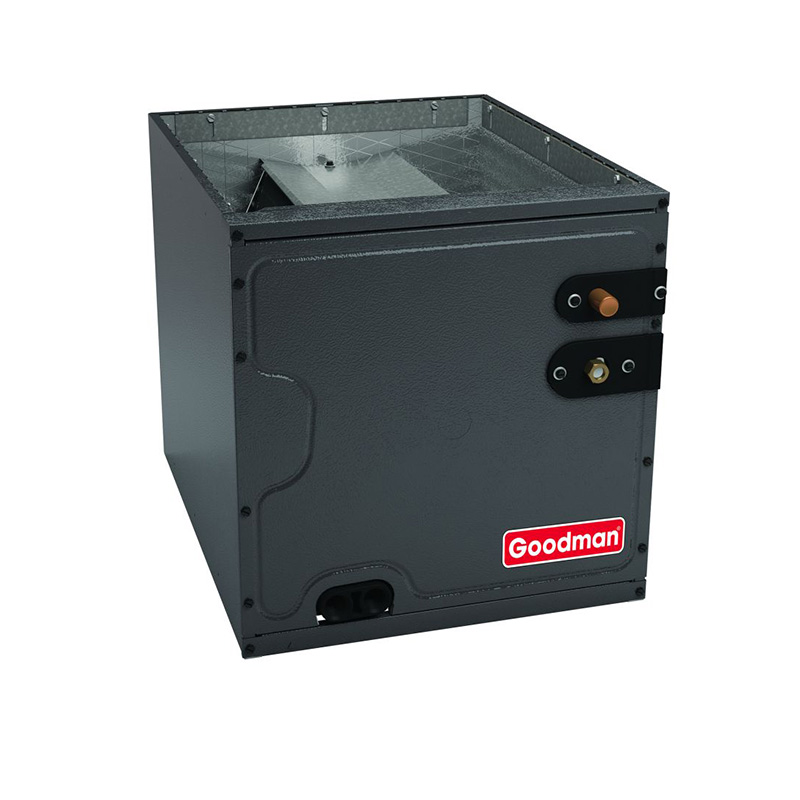
- Evaporator coil leaks appear in a meaningful share of owner reviews and can be a costly mid-life repair
- Compressor lifespan averages 10 to 14 years versus 15 to 20 years documented for premium-brand compressors
- A minority of owners have reported refrigerant leaks in the first year, most often traced to install or initial charge issues rather than a defect in the equipment itself
What homeowners and pros say about Goodman
Homeowners who comment on Goodman systems online tend to split along a clear line: those whose installs went smoothly appreciate the lower upfront cost and functional performance, while those who ran into problems after the warranty period often report frustration with the expense of repairs. On ConsumerAffairs, Goodman earns roughly 2.5 out of 5, driven heavily by accounts of capacitor failures, evaporator coil leaks, and compressor issues surfacing around or after year seven. Google dealer reviews tell a somewhat better story, averaging around 3.8 out of 5 across locations, where the most consistent praise centers on the value relative to premium-brand pricing rather than exceptional build quality.
Among HVAC technicians, Goodman has a reputation as a workable brand that rewards a careful installation and penalizes a sloppy one more than premium equipment does. The dual-run capacitor is widely cited by service techs as the first component to watch, typically a $300 to $600 repair when it goes. Evaporator coil leaks are a known issue in owner reviews and can be a more significant mid-life expense. For a high-end configuration like this one, with a modulating furnace and variable-speed blower, technicians emphasize that setup, commissioning, and correct refrigerant charge are especially critical; the added complexity of modulating and variable-speed controls means there is more that needs to be calibrated correctly from day one, and first-year refrigerant leaks on Goodman equipment are most often traced back to install or charge issues rather than factory defects.
Sources: ConsumerAffairs Goodman owner reviews, AHRI Directory of Certified Product Performance, U.S. DOE appliance and equipment efficiency standards, Goodman product specification sheets.
What it costs to run
At 13.6 SEER2, cooling this 5-ton system for a typical 1200-hour cooling season at the U.S. average electricity rate of $0.17/kWh works out to roughly $900 per year in cooling, about $13 less per year than a minimum-efficiency 13.4 SEER2 unit of the same size. Your real cost depends on your climate and local rate.
Method: (60,000 BTU/hr ÷ 13.6 SEER2) × 1200 hours ÷ 1000 × $0.17/kWh. Rate source: U.S. EIA average; cooling hours: moderate-climate estimate.
How it compares
| Brand | Comparable model | SEER2 | Stage | Price position |
|---|---|---|---|---|
| Goodman | GMVC97 / GSXH5 5-ton combo | 13.6 | Variable / Modulating | Value pick |
| Carrier | Performance 14 Series (24ACC4) with 59MN7 furnace | 13.8 to 14.3 | Single-stage AC / Two-stage furnace | Typically 15 to 25 percent more than the Goodman combo |
| Trane | XR14c (4TTR4) with S9X2 furnace | 14.0 to 14.5 | Single-stage AC / Two-stage furnace | Typically 15 to 25 percent more than the Goodman combo |
| Lennox | Merit 14ACX with ML196E furnace | 13.8 to 14.4 | Single-stage AC / Two-stage furnace | Typically 15 to 25 percent more than the Goodman combo |
Competitor rows are comparable single-stage units at similar efficiency; price is relative position, not a quote.
Questions about this system
Is 13.6 SEER2 going to cost me noticeably more to run than a 16 or 18 SEER2 unit?
In most climates, the difference between 13.6 and 16 SEER2 works out to roughly 15 percent less electricity consumption at the higher rating. Whether that gap pays back the price premium depends on your local utility rates and how many cooling hours per year your climate demands. In hot southern climates with 1,500 or more cooling hours annually, upgrading the SEER2 rating is easier to justify than in mild northern markets.
What does modulating mean on the furnace, and is it worth it compared to a two-stage unit?
A modulating furnace adjusts its burner output across a wide range, rather than switching between just two fixed levels. In practice this produces steadier indoor temperatures, reduces temperature overshoots, and can run at lower output for longer periods during mild weather instead of short blasting cycles. For a 5-ton system in a large home, modulating operation is a meaningful comfort upgrade over two-stage, though it does add complexity that a technician needs to diagnose correctly if something goes wrong.
My house is already large. Is a 5-ton unit the right size, or could I be oversized?
A 5-ton system is generally appropriate for homes in the 2,400 to 3,200 square foot range, but square footage alone is not sufficient to size a system correctly. Ceiling height, insulation levels, window area, local climate zone, and duct layout all affect the right tonnage. Insist that your installer performs a Manual J load calculation before committing to this size; an oversized system short-cycles, which is especially wasteful given the variable-speed components in this unit.
How should I think about Goodman's reliability compared to premium brands for a 5-ton investment?
Goodman scores around 2.5 out of 5 on ConsumerAffairs, a channel that skews toward complaints, with recurring themes of repair costs rising after roughly year seven. Google dealer reviews average closer to 3.8 out of 5, where affordability is the most frequent praise. Documented weak points include dual-run capacitors, evaporator coil leaks, and compressors that typically run 10 to 14 years rather than the 15 to 20 years associated with premium brands. Budgeting for a service contract or setting aside a repair fund is a reasonable approach given that track record.
Does the R-32 refrigerant affect maintenance costs or technician availability?
R-32 is increasingly common as the industry phases down R-410A, and most major HVAC distributors now stock it. Technicians need specific training and equipment to handle R-32 safely because it is mildly flammable, so it is worth confirming your service contractor is R-32 certified before scheduling routine maintenance or a refrigerant top-off. In areas where R-32 service is still less common, parts of the country that adopted the transition later may have a smaller pool of qualified technicians.
Specifications
| Cooling capacity | 5 Ton |
| Efficiency | 13.6 SEER2 |
| Furnace output | 120000 BTU |
| Furnace efficiency | 97% AFUE |
| Configuration | Upflow |
| Refrigerant | R-32 |