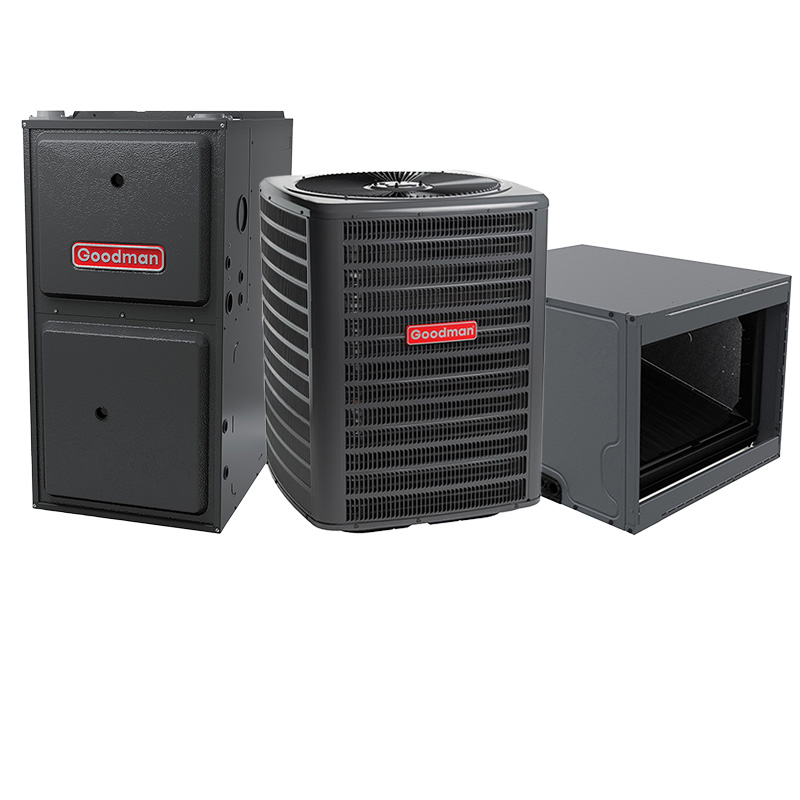
Goodman Air Conditioning And Heating – 1.5 Ton 15.2 SEER2 AC With 60000 BTU 96% AFUE Two Stage Multi-Speed ECM Gas Furnace System – Horizontal | R32
View on AC Direct see your lowest price →Check current price on AC Direct →
Key features
- 15.2 SEER2 cooling efficiency with R-32 refrigerant
- 96% AFUE two-stage gas furnace rated at 60,000 BTU
- Multi-speed ECM blower motor for precise airflow and humidity control
- Horizontal configuration designed for attic, crawl-space, or closet installs
- Two-stage heating reduces temperature swings and lowers fuel use on mild days
- Goodman 10-year parts warranty when registered within 60 days of installation
About this system
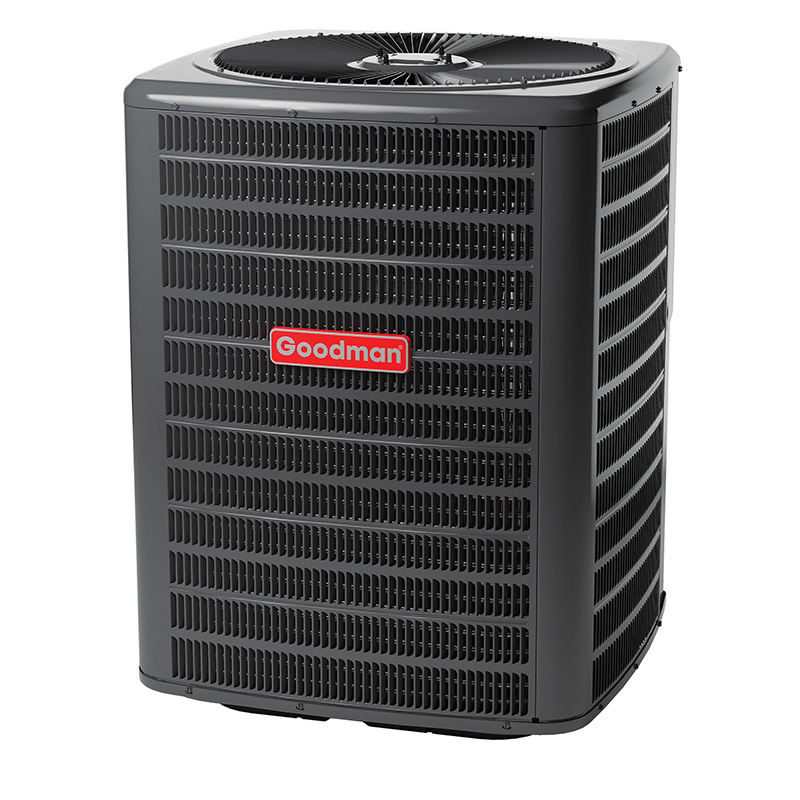
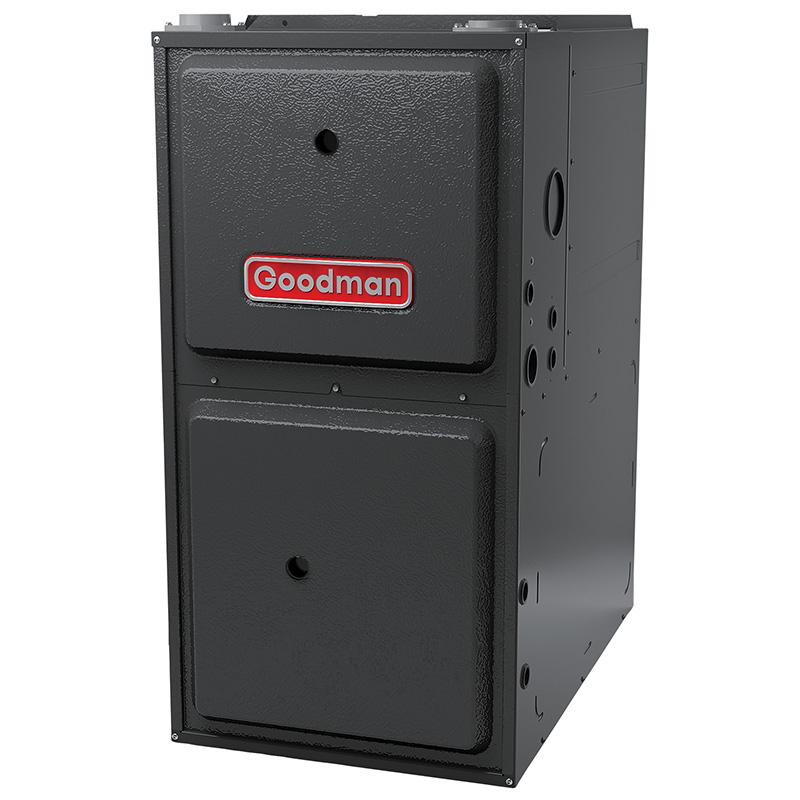
This 1.5-ton Goodman bundle pairs a 15.2 SEER2 air conditioner with a 60,000 BTU, 96% AFUE two-stage gas furnace in a horizontal configuration, making it a practical choice for crawl-space installations, attic runs, or any application where the air handler must lie on its side rather than stand upright. The 1.5-ton cooling capacity is sized for smaller homes or single zones, typically in the 600 to 900 square foot range depending on local climate, insulation quality, and ceiling height. R-32 refrigerant replaces the older R-410A in newer Goodman equipment, offering a lower global warming potential and slightly better heat-transfer efficiency at the refrigerant level.
The two-stage furnace is a meaningful upgrade over single-stage heating. On most winter days the unit runs on the lower stage, reducing temperature swings, cutting fuel consumption, and lowering noise compared to a system that only operates at full blast. The multi-speed ECM blower motor complements this by adjusting airflow more precisely than a standard PSC motor, which improves humidity control in cooling mode and can trim annual electricity costs on fan operation. A 96% AFUE rating means roughly 96 cents of every dollar spent on gas converts to usable heat, putting this squarely in high-efficiency territory for ducted gas furnaces.
Horizontal-only configuration does narrow where this system can be installed, so confirm your mechanical space before ordering. Buyers should also be aware that Goodman equipment performs best when commissioned by an experienced technician who verifies refrigerant charge, static pressure, and gas input carefully. The specs here are strong for the price point, but realizing those specs in the field depends heavily on that installation quality.
This Goodman package delivers genuinely high-efficiency heating and solid cooling performance at a price point 15 to 25 percent below comparable Trane, Lennox, and Carrier systems. The two-stage furnace and ECM motor are real comfort upgrades that compete well on paper, but Goodman's documented history of capacitor failures, evaporator coil leaks, and compressor longevity that trails premium brands means long-term value depends on who installs and maintains it. For cost-conscious buyers with a skilled installer lined up, it earns its place; buyers prioritizing worry-free longevity may want to budget up.
Overall score is the average of the five ratings above.
What we like
- Price sits 15 to 25 percent below Trane, Lennox, and Carrier equivalents for the same efficiency tier
- 96% AFUE two-stage furnace is a genuine high-efficiency specification, not an entry-level upsell
- Multi-speed ECM blower meaningfully improves humidity control and reduces fan electricity costs
- R-32 refrigerant has lower environmental impact than R-410A and is becoming the industry standard
- 10-year registered parts warranty provides solid coverage if paperwork is filed on time
Trade-offs
- Dual-run capacitors are the most commonly reported failure, typically around years 5 to 8, adding unplanned service costs
- Evaporator coil leaks appear in a meaningful share of owner reports and can be an expensive mid-life repair
- Compressor lifespan averages 10 to 14 years versus 15 to 20 for premium-brand compressors, shortening the useful life horizon
- Horizontal-only configuration limits installation flexibility and can complicate service access depending on the space
What homeowners and pros say about Goodman
Homeowners discussing Goodman on review platforms tend to split along a predictable line. Buyers who got a clean installation from a careful technician frequently report years of trouble-free operation and point to the lower upfront cost as money they kept in their pocket. That tracks with Google dealer review scores that average around 3.8 out of 5, where affordability is the praise that comes up most consistently. The more critical feedback clusters on ConsumerAffairs, which scores the brand at roughly 2.5 out of 5, and the pattern there is telling: complaints rarely surface in the first few years, but repair costs and frustration tend to climb after roughly year 7, which lines up with the documented failure timeline for dual-run capacitors and the earlier-than-premium compressor replacement window of 10 to 14 years.
HVAC technicians who work on Goodman equipment regularly tend to describe it as reliable enough when it is commissioned correctly, but they flag a few recurring issues worth knowing about before you buy. Dual-run capacitor failures are the most common service call, generally a straightforward and relatively affordable fix but an unplanned one. Evaporator coil leaks appear with enough frequency in owner accounts to be worth asking your contractor about coil inspection schedules. And that compressor lifespan gap compared to Carrier, Trane, or Lennox equipment is real, not a talking point from competing dealers. For this specific horizontal two-stage system, the added complexity of proper horizontal coil drainage and precise ECM commissioning makes installer selection especially important. The specs on paper are competitive; the outcome in your home depends largely on who puts it in.
Sources: ConsumerAffairs Goodman owner reviews, AHRI Directory of Certified Product Performance, U.S. DOE appliance and equipment efficiency standards, Goodman product specification sheets.
What it costs to run
At 15.2 SEER2, cooling this 1.5-ton system for a typical 1200-hour cooling season at the U.S. average electricity rate of $0.17/kWh works out to roughly $242 per year in cooling, about $32 less per year than a minimum-efficiency 13.4 SEER2 unit of the same size. Your real cost depends on your climate and local rate.
Method: (18,000 BTU/hr ÷ 15.2 SEER2) × 1200 hours ÷ 1000 × $0.17/kWh. Rate source: U.S. EIA average; cooling hours: moderate-climate estimate.
How it compares
| Brand | Comparable model | SEER2 | Stage | Price position |
|---|---|---|---|---|
| Goodman | GSXH501810 / GMVC960603BN Horizontal Bundle | 15.2 | Two-stage | Value pick |
| Carrier | Performance 16 (24ACC636) with 58MVC Gas Furnace | 15.5 | Two-stage | 15 to 25 percent above this Goodman bundle |
| Trane | XR15 (4TTR5018) with S9V2 Gas Furnace | 15.0 | Two-stage furnace, single-stage AC | 15 to 25 percent above this Goodman bundle |
| Lennox | Merit ML15 with ML196 Gas Furnace | 15.1 | Single-stage AC, two-stage furnace | Comparable to slightly above this Goodman bundle depending on dealer |
Competitor rows are comparable single-stage units at similar efficiency; price is relative position, not a quote.
Questions about this system
Is this system compatible with my existing ductwork if I am replacing a 1.5-ton system?
Tonnage compatibility is only part of the equation. Your installer needs to verify static pressure and duct sizing for the ECM blower in this specific unit, since airflow requirements can differ between manufacturers and between single-speed and multi-speed motors. A duct leakage test before installation is worth the cost.
Why does the listing say horizontal only, and can I install it vertically?
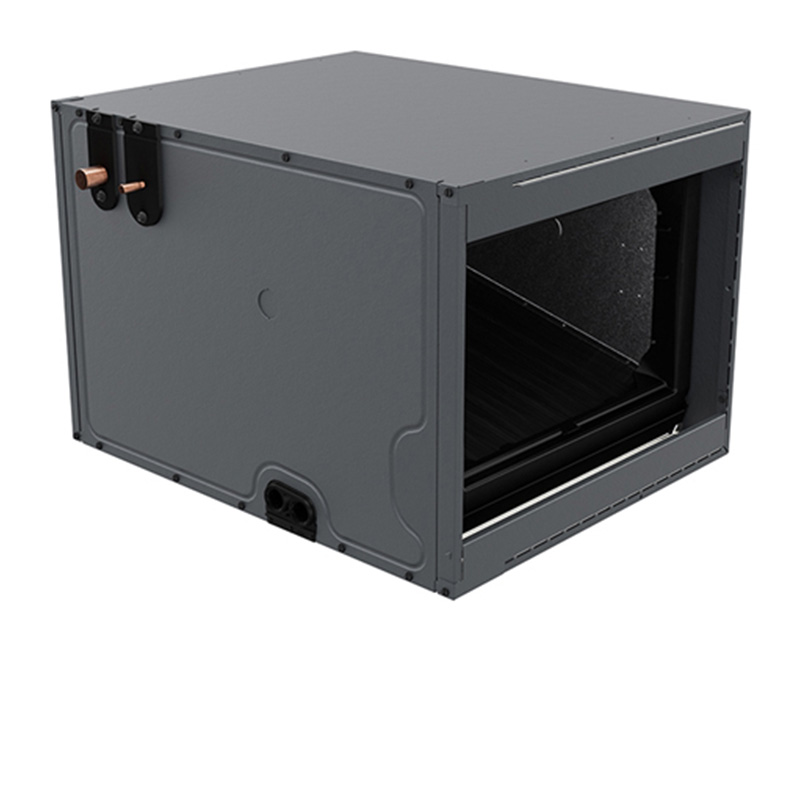
The coil casing and drain pan on this configuration are designed specifically for horizontal airflow, meaning the unit is meant to lie on its side with airflow moving laterally. Installing it upright will cause condensate drainage problems and can void the warranty. If you need a vertical or upflow installation, a different Goodman configuration is required.
How does R-32 refrigerant affect service and recharge costs compared to R-410A?
R-32 is a single-component refrigerant, which means it can be recharged without replacing the entire charge the way some blends require. Most technicians are already being trained on R-32 handling, but confirm your local contractor has the updated equipment and certification before signing a service contract, as tooling requirements differ slightly from R-410A.
What does two-stage heating actually mean for my monthly gas bill?
On mild days the furnace runs at its lower stage, consuming less gas than a single-stage unit firing at full capacity every cycle. Over a full heating season this can reduce fuel consumption noticeably, though exact savings depend on your climate, thermostat settings, and home envelope. The bigger comfort benefit is fewer large temperature swings and more even heat distribution.
What is the most common repair I should budget for over the first ten years?
Based on documented owner experience, dual-run capacitors are the most frequent failure point on Goodman AC equipment, typically showing up after several years of use and generally costing between 300 and 600 dollars to replace. Evaporator coil leaks are a secondary concern worth asking your installer about in terms of coil protection and annual leak checks.
Specifications
| Cooling capacity | 1.5 Ton |
| Efficiency | 15.2 SEER2 |
| Furnace output | 60000 BTU |
| Furnace efficiency | 96% AFUE |
| Configuration | Horizontal |
| Refrigerant | R-32 |