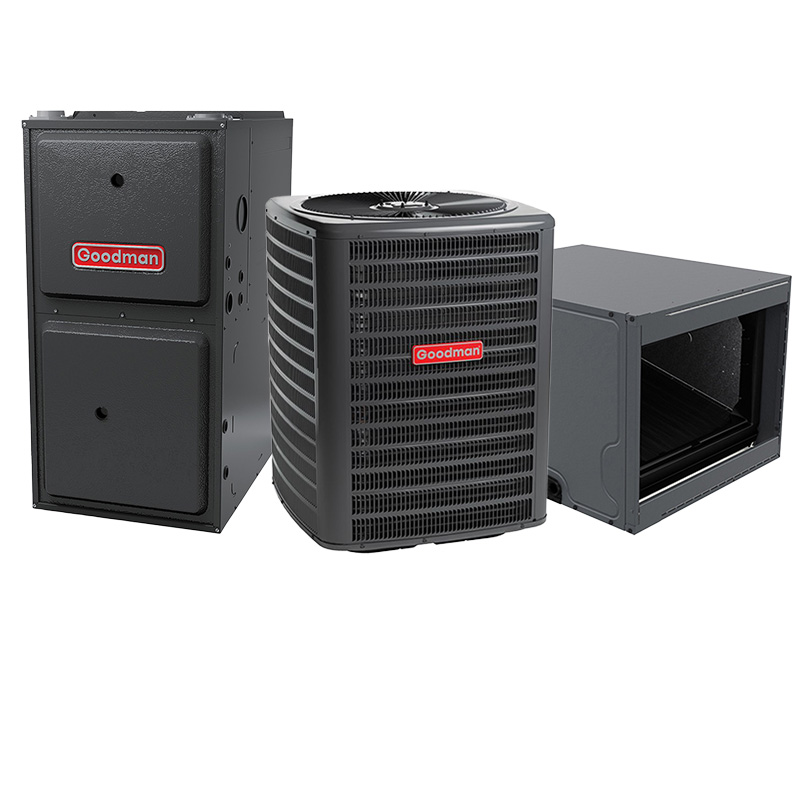
Goodman Furnace And Air Conditioner 3.5 Ton 15.2 SEER2 AC With 100000 BTU 80% AFUE Two Stage Multi-Speed ECM Gas Furnace System – Horizontal | R32
View on AC Direct see your lowest price →Check current price on AC Direct →
Key features
- 3.5-ton cooling capacity rated at 15.2 SEER2, meeting 2023 federal minimum standards
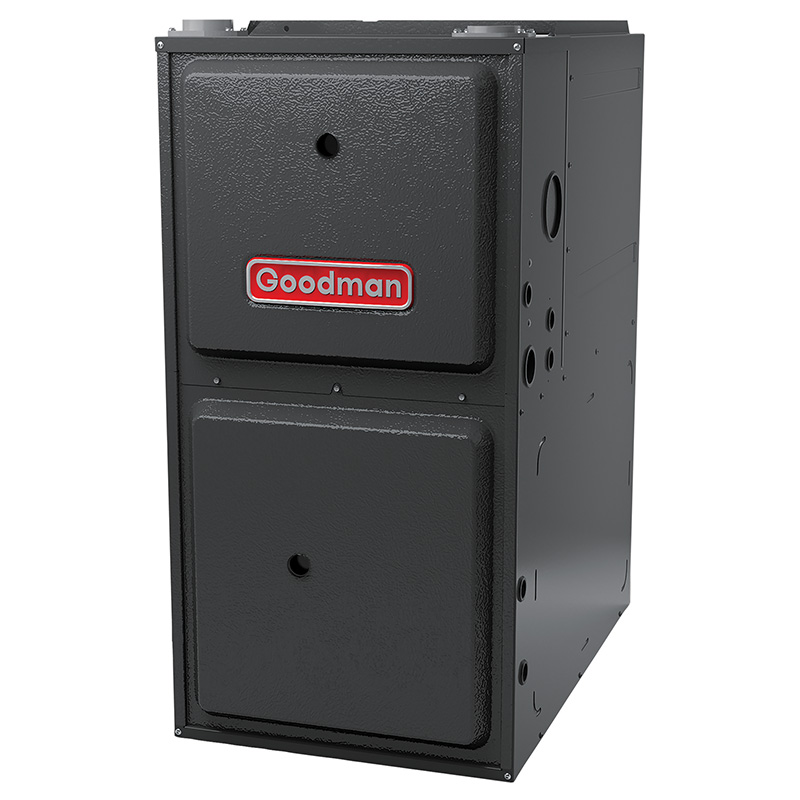
- 100,000 BTU two-stage gas furnace at 80% AFUE for reduced temperature swings and short-cycling
- Multi-speed ECM blower motor for quieter operation and lower fan-mode electricity use
- R-32 refrigerant with lower global warming potential than R-410A
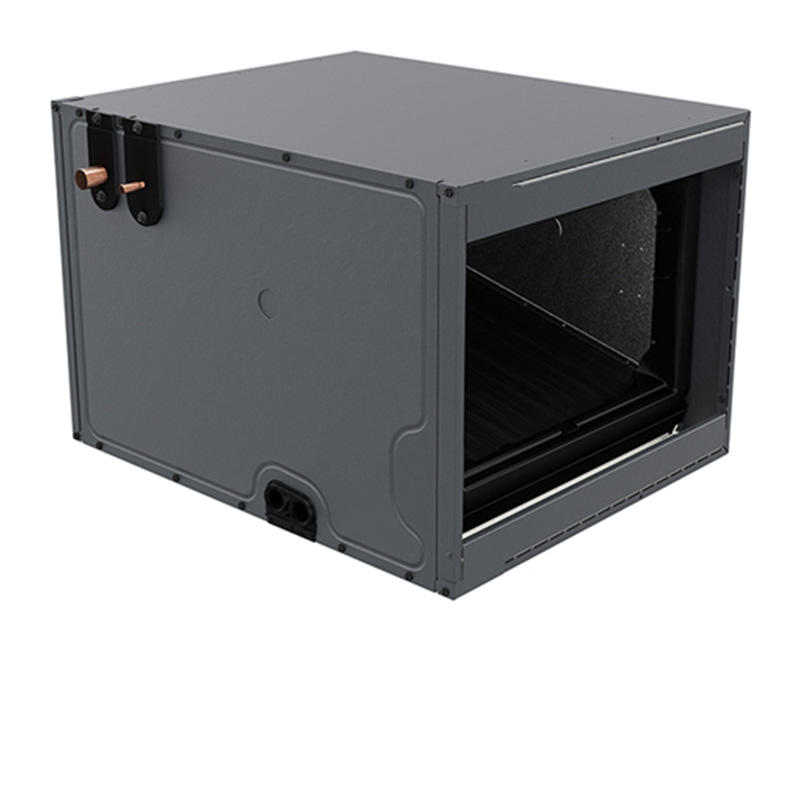
- Horizontal coil orientation for attic, crawl space, or side-discharge installations
- Goodman 10-year parts warranty on registered equipment (labor not included)
About this system
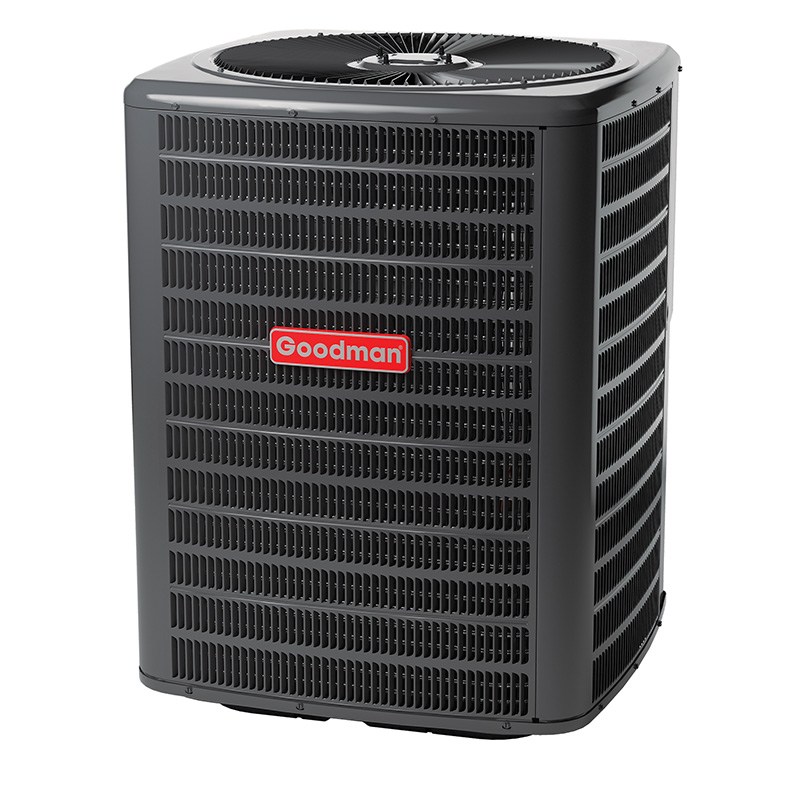
This Goodman bundle pairs a 3.5-ton, 15.2 SEER2 air conditioner with a 100,000 BTU, 80% AFUE two-stage gas furnace in a horizontal configuration, making it a practical choice for homes where the air handler sits in a crawl space, attic, or tight mechanical closet rather than in an upright basement setup. The R-32 refrigerant charge is a step in the right direction environmentally, carrying a lower global warming potential than the older R-410A it replaces, and it also allows for a slightly smaller refrigerant circuit without losing capacity.
The 15.2 SEER2 rating lands just above the 2023 federal minimums for most U.S. climate regions, so this is an entry-to-mid efficiency system rather than a premium one. Homeowners in moderate climates or those who run the AC seasonally will find the efficiency acceptable; those in hot, humid regions who run cooling for six or more months annually may want to evaluate higher SEER2 options before committing. The two-stage furnace and multi-speed ECM blower motor are genuine assets: two-stage heating reduces temperature swings and short-cycling, while the ECM motor runs quieter and uses significantly less electricity than a standard PSC motor during fan-only and low-stage operation.
Sized for roughly 1,750 to 2,500 square feet depending on insulation, climate, and duct layout, this system suits homeowners replacing aging equipment who want a reliable workhorse at a budget-conscious price rather than the highest efficiency rating on the market. A horizontal coil configuration limits its compatibility to systems already oriented that way, so buyers should confirm their existing air handler orientation or plan for a coil reconfiguration during installation.
This Goodman bundle delivers a functional, code-compliant cooling and heating system at a price point well below comparable Carrier, Trane, or Lennox configurations, and the two-stage furnace with ECM motor adds real comfort value at this tier. The trade-off is that Goodman's documented reliability record, particularly around capacitors, evaporator coil longevity, and compressor lifespan, means owners should budget for maintenance and keep their warranty registration current. It is a reasonable buy for cost-conscious homeowners who prioritize upfront savings and have a skilled installer, not for those expecting premium-brand durability out of the box.
Overall score is the average of the five ratings above.
What we like
- Priced 15 to 25 percent below Carrier, Trane, and Lennox equipment of comparable capacity and efficiency
- Two-stage furnace operation reduces hot-and-cold swings and lowers short-cycle wear on the heat exchanger
- ECM blower motor cuts fan-mode electricity consumption compared to standard PSC motors
- R-32 refrigerant is more environmentally responsible and increasingly well-supported by technicians
- Horizontal configuration meets the installation requirements of attic and crawl space setups where vertical units cannot fit
Trade-offs
- 80% AFUE is the lowest efficiency tier available; a 96% AFUE furnace would meaningfully lower heating bills in cold climates
- Dual-run capacitor failures are the most commonly reported repair on Goodman equipment, typically arising after year 5 to 7
- Compressor lifespan averages 10 to 14 years versus 15 to 20 years for premium-brand compressors, a meaningful gap over a system's life
- Evaporator coil leaks appear in a notable share of owner reports, and labor to replace a coil is not covered by the factory warranty
What homeowners and pros say about Goodman
Homeowners who research Goodman online quickly run into a split picture. The brand scores around 2.5 out of 5 on ConsumerAffairs, a channel where frustrated owners are far more likely to post than satisfied ones, and the recurring theme in those complaints is repair costs climbing after roughly year 7. Google dealer reviews tell a somewhat more balanced story, averaging around 3.8 out of 5 across hundreds of location-level reviews, where the most common praise is straightforward: the price is right. For this horizontal two-stage system specifically, buyers who go in with realistic expectations tend to come away reasonably satisfied, while those expecting Trane-level longevity on a Goodman budget often report disappointment.
HVAC technicians are candid about where Goodman systems fall short. Dual-run capacitors are the single most frequently cited failure point on Goodman equipment, typically showing up after year 5 to 7 and generally running 300 to 600 dollars to fix, which is manageable. Evaporator coil leaks appear often enough in owner reports to be a real concern rather than an outlier, and because labor is not covered under the factory warranty, a coil replacement mid-life can be a significant out-of-pocket expense. Compressor lifespan on Goodman equipment tends to average 10 to 14 years, meaningfully shorter than the 15 to 20 years common with premium brands. The consistent advice from installers: spend serious money on the labor and commissioning, because a well-installed Goodman outperforms a poorly installed Carrier every time.
Sources: ConsumerAffairs Goodman owner reviews, AHRI Directory of Certified Product Performance, U.S. DOE appliance and equipment efficiency standards, Goodman product specification sheets.
What it costs to run
At 15.2 SEER2, cooling this 3.5-ton system for a typical 1200-hour cooling season at the U.S. average electricity rate of $0.17/kWh works out to roughly $564 per year in cooling, about $75 less per year than a minimum-efficiency 13.4 SEER2 unit of the same size. Your real cost depends on your climate and local rate.
Method: (42,000 BTU/hr ÷ 15.2 SEER2) × 1200 hours ÷ 1000 × $0.17/kWh. Rate source: U.S. EIA average; cooling hours: moderate-climate estimate.
How it compares
| Brand | Comparable model | SEER2 | Stage | Price position |
|---|---|---|---|---|
| Goodman | GSXH5 / GMVC8 Series Bundle | 15.2 | Two-stage | Value pick |
| Carrier | Comfort 15 (24ACC6) with 58MVC Gas Furnace | 15.2 | Two-stage | Typically 18 to 25 percent more than this Goodman bundle |
| Trane | XR15 (4TTR5) with S9V2 Gas Furnace | 15.2 | Two-stage | Typically 20 to 28 percent more than this Goodman bundle |
| Lennox | Merit 16 (14ACX) with ML196V Gas Furnace | 15.5 | Single-stage AC, two-stage furnace | Typically 15 to 22 percent more than this Goodman bundle |
Competitor rows are comparable single-stage units at similar efficiency; price is relative position, not a quote.
Questions about this system
Does the horizontal configuration mean I can only install this in an attic or crawl space?
Horizontal means the evaporator coil is oriented for airflow moving side-to-side rather than upward, which suits attics, crawl spaces, and tight side-discharge closets. If your existing air handler is vertical or upflow, this specific coil will not match without a conversion or replacement of the coil cabinet. Confirm your installation orientation with your contractor before ordering.
Why does this system use R-32 instead of R-410A?
R-32 has a global warming potential roughly 67 percent lower than R-410A and is part of the industry-wide transition away from older refrigerants under updated EPA and international regulations. It also operates at slightly different pressures, so technicians servicing this system need R-32 certified equipment and refrigerant. Most newer HVAC technicians are already equipped for it.
Is 80% AFUE enough for a cold-climate home, or should I upgrade to a higher efficiency furnace?
80% AFUE means 20 cents of every dollar spent on gas is vented outside as exhaust, which adds up in climates with long heating seasons. If you are in USDA climate zones 5 through 7, a 95 or 96% AFUE furnace typically pays back its cost premium within five to eight years in fuel savings alone. For mild climates with short winters, 80% AFUE is a reasonable choice.
What is the most likely repair cost I should plan for with this Goodman system?
Based on Goodman's documented failure history, dual-run capacitors are the most common repair and generally cost between 300 and 600 dollars including labor, which is relatively low-stakes. Evaporator coil leaks are more expensive, often running into the thousands when labor and refrigerant are included, and labor is not covered by the factory warranty. Budgeting for an annual maintenance visit helps catch capacitor wear before it becomes an emergency.
How do I make sure the 10-year parts warranty stays valid?
Goodman requires product registration within 60 days of installation to activate the 10-year parts warranty; without registration, coverage typically drops to five years. Keep your installer's license number and the install date on file, as warranty claims often require proof of professional installation. Note that the warranty covers parts only, so labor costs for any covered repair come out of pocket unless you purchase a separate extended labor warranty through your dealer.
Specifications
| Cooling capacity | 3.5 Ton |
| Efficiency | 15.2 SEER2 |
| Furnace output | 100000 BTU |
| Furnace efficiency | 80% AFUE |
| Configuration | Horizontal |
| Refrigerant | R-32 |