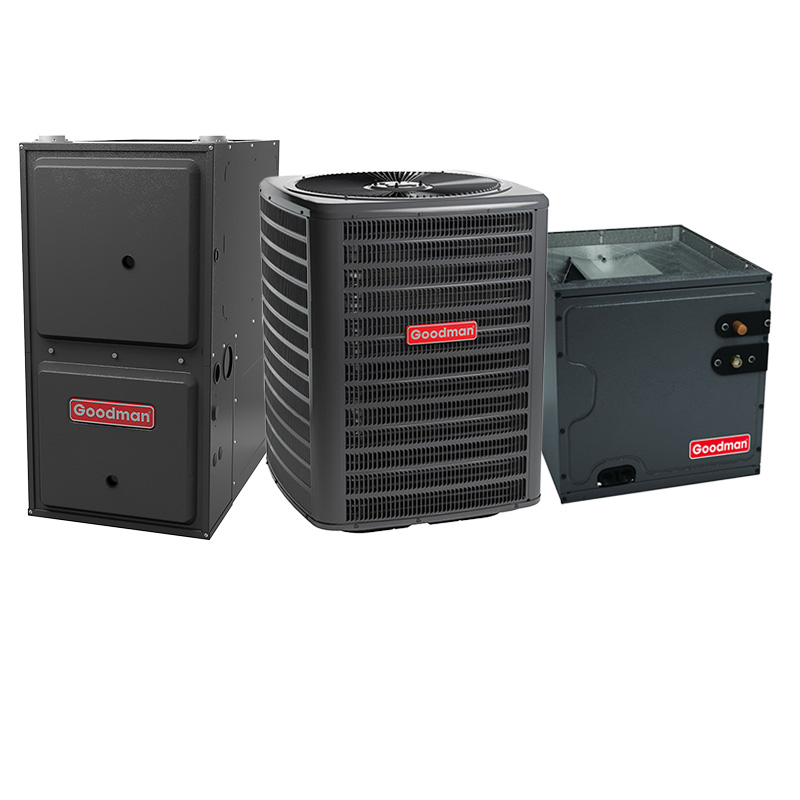
Goodman Furnace And AC – 3.5 Ton 14.5 SEER2 AC With 100000 BTU 96% AFUE Two Stage Multi-Speed ECM Gas Furnace System – Downflow | R32
View on AC Direct see your lowest price →Check current price on AC Direct →
Key features
- 3.5-ton cooling capacity with 14.5 SEER2 efficiency rating
- 100,000 BTU two-stage gas furnace rated at 96% AFUE
- Multi-speed ECM variable-speed blower motor for quieter, more efficient airflow
- Downflow configuration for basement or platform installations with below-unit ductwork
- R-32 refrigerant charge with lower global warming potential than R-410A
- Two-stage furnace operation reduces short-cycling and improves temperature consistency
About this system
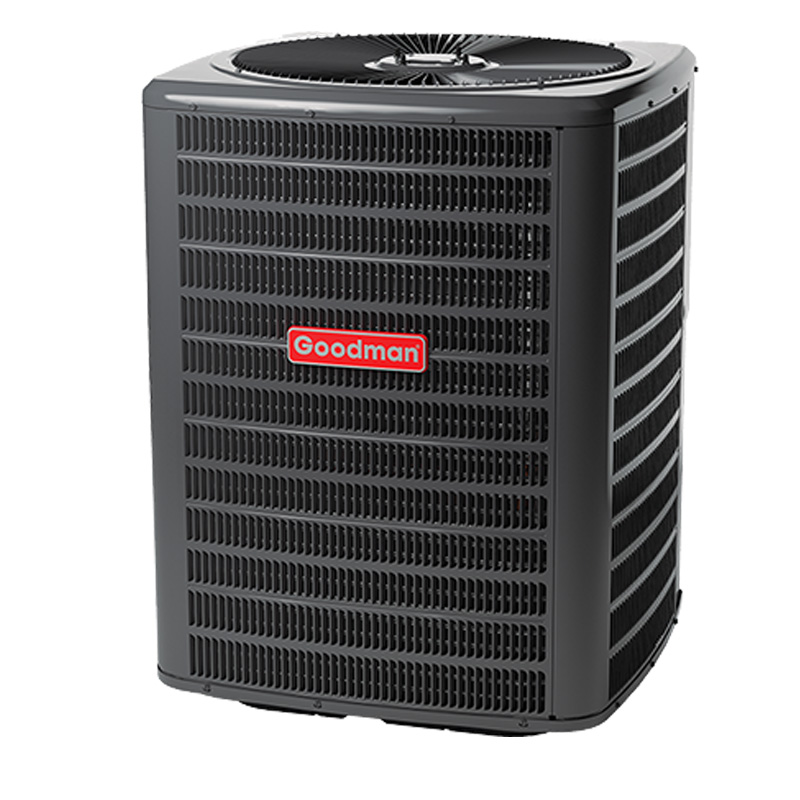
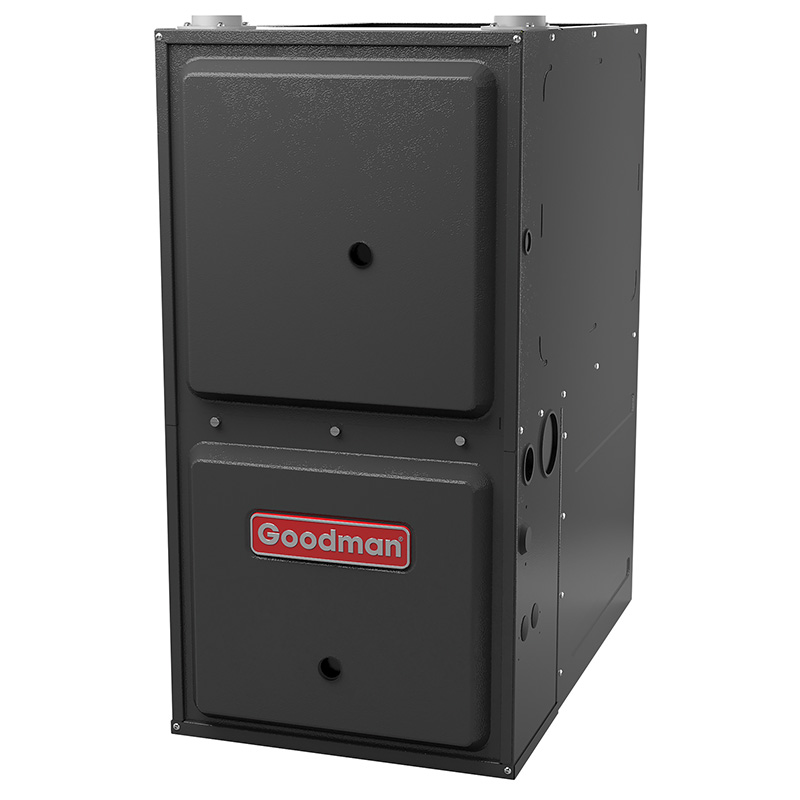
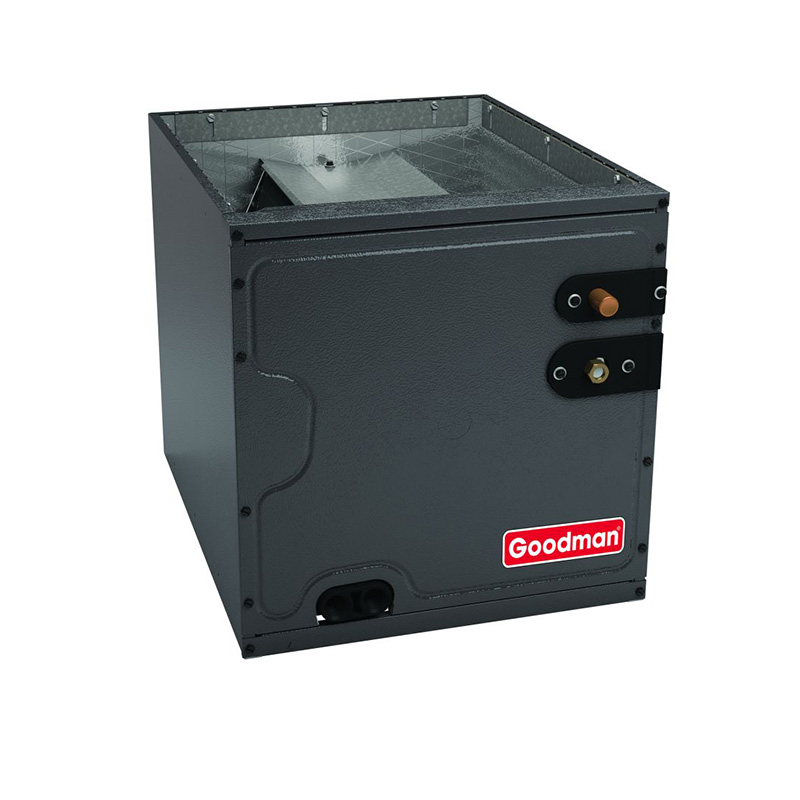
This Goodman bundle pairs a 3.5-ton, 14.5 SEER2 central air conditioner with a 100,000 BTU, 96% AFUE two-stage gas furnace in a downflow configuration, meaning the furnace sits above the supply plenum and pushes conditioned air downward. That arrangement is common in homes with a basement mechanical room where ductwork runs beneath the unit. The system uses R-32 refrigerant, a lower-GWP option that is becoming standard as the industry moves away from R-410A, and it is worth confirming your installing contractor has the equipment and certification to work with R-32 before purchase.
The furnace side is where this system earns its keep. Two-stage firing means the unit runs on a lower first stage roughly 65 to 70 percent of the time, reducing short-cycling, evening out temperatures, and lowering gas bills compared to a single-stage furnace. The multi-speed ECM blower motor adjusts airflow to match demand, which also helps with humidity control in cooling mode. At 96% AFUE, only 4 cents of every gas dollar goes up the flue, which qualifies the furnace for federal energy-efficiency tax credits in most scenarios. The 14.5 SEER2 rating on the AC side sits at the entry tier of current efficiency standards, adequate for most climates but not a standout if your summers are long or your electricity rates are high.
This system targets homeowners replacing aging equipment who want a meaningful efficiency upgrade without paying premium-brand prices. The 3.5-ton capacity fits roughly 1,600 to 2,100 square feet of well-insulated space in a moderate climate, though a proper Manual J load calculation by your installer should confirm sizing before anything is ordered.
This Goodman bundle delivers a genuinely efficient furnace and a code-compliant AC at a price point that undercuts comparable Carrier, Trane, and Lennox systems by a meaningful margin. The 96% AFUE two-stage furnace is the stronger half of the pair, while the 14.5 SEER2 AC is adequate rather than impressive. Long-term ownership costs depend heavily on install quality and your willingness to budget for component repairs after year seven.
Overall score is the average of the five ratings above.
What we like
- 96% AFUE two-stage furnace is a strong performer that qualifies for federal efficiency tax credits
- ECM blower motor reduces electricity use and improves humidity control in cooling mode
- Priced 15 to 25 percent below comparable Trane, Lennox, and Carrier systems
- R-32 refrigerant is forward-compatible as the industry phases out R-410A
- Two-stage firing reduces short-cycling and produces more even room temperatures
Trade-offs
- 14.5 SEER2 is entry-level efficiency; homeowners in hot climates may see limited cooling savings
- Dual-run capacitors are the most commonly reported failure point, typically surfacing after several years of use
- Compressor lifespan averages 10 to 14 years versus 15 to 20 years on premium-brand compressors
- R-32 handling requires certified technicians, which can limit service options in some markets
What homeowners and pros say about Goodman
Homeowners who have owned Goodman equipment long enough to leave a review tend to split into two camps. On Google dealer review aggregates the brand sits around 3.8 out of 5, and the most consistent praise is straightforward: the systems are noticeably less expensive than the name-brand alternatives and, when the install is done right, they run without drama for several years. The 96% AFUE two-stage furnace in this bundle draws particular appreciation from owners coming off older single-stage units, who notice the difference in both gas bills and how evenly the house heats. HVAC technicians who work on Goodman equipment regularly echo a version of the same sentiment, with the consistent caveat that the quality of the installation matters more with this brand than with some premium competitors. A rushed or under-qualified install is cited as the single biggest predictor of early problems.
The less encouraging picture comes from longer-term ownership data. ConsumerAffairs scores Goodman around 2.5 out of 5, a channel that skews toward frustrated owners, and the pattern in those complaints is fairly consistent: the systems often hold up reasonably well for the first six or seven years, then repair calls start accumulating. The dual-run capacitor is the most documented weak link, a relatively inexpensive fix at 300 to 600 dollars but a recurring one. Evaporator coil leaks show up in a notable share of owner reports and carry much steeper repair costs. Compressor lifespan averaging 10 to 14 years, versus 15 to 20 on premium brands, is a real consideration when weighing the lower purchase price against total cost of ownership over a 15-year horizon. For this specific system, the furnace is the stronger long-term bet; the AC side carries the same component risks as the broader Goodman line.
Sources: ConsumerAffairs Goodman owner reviews, AHRI Directory of Certified Product Performance, U.S. DOE appliance and equipment efficiency standards, Goodman product specification sheets.
What it costs to run
At 14.5 SEER2, cooling this 3.5-ton system for a typical 1200-hour cooling season at the U.S. average electricity rate of $0.17/kWh works out to roughly $591 per year in cooling, about $48 less per year than a minimum-efficiency 13.4 SEER2 unit of the same size. Your real cost depends on your climate and local rate.
Method: (42,000 BTU/hr ÷ 14.5 SEER2) × 1200 hours ÷ 1000 × $0.17/kWh. Rate source: U.S. EIA average; cooling hours: moderate-climate estimate.
How it compares
| Brand | Comparable model | SEER2 | Stage | Price position |
|---|---|---|---|---|
| Goodman | GSXH5 / GCVC96 (this bundle) | 14.5 | Two-stage | Value pick |
| Carrier | Performance 16 / 59TP6 Series | 15.2 | Two-stage | Roughly 20 percent higher than this Goodman bundle |
| Trane | XR15 / S9X2 Series | 15.0 | Two-stage | Roughly 20 to 25 percent higher than this Goodman bundle |
| Lennox | Merit ML15 / ML196E Series | 15.0 | Two-stage | Roughly 15 to 20 percent higher than this Goodman bundle |
Competitor rows are comparable single-stage units at similar efficiency; price is relative position, not a quote.
Questions about this system
Why does this system use R-32 instead of R-410A, and does that affect who can service it?
R-32 has a significantly lower global warming potential than R-410A and is part of the industry-wide shift away from older refrigerants. It does require technicians to have proper equipment and training for mildly flammable refrigerants, so confirm your installer and any future service technician are R-32 certified before you commit to the purchase.
Is a downflow furnace the right configuration for my house?
Downflow furnaces are designed for installations where the air handler sits above the ductwork, typically in a basement mechanical room or on a platform above a crawl space. If your ducts run through a ceiling or attic, you likely need an upflow or horizontal unit instead. Your installer should verify this before ordering.
What does two-stage firing actually mean for my monthly gas bill and comfort?
A two-stage furnace runs on a lower firing rate, usually around 65 percent of full capacity, most of the time and only steps up to full output on the coldest days. This means fewer abrupt on-off cycles, more consistent temperatures room to room, and lower gas consumption on milder winter days compared to a single-stage furnace of the same BTU rating.
What are the most likely repair costs I should budget for over the life of this system?
Dual-run capacitors are the most commonly reported failure on Goodman equipment and typically cost between 300 and 600 dollars to replace including labor. Evaporator coil leaks appear in a meaningful share of owner reports and carry higher repair costs. A minority of owners also report refrigerant leaks in the first year, which are usually tied to install or initial charge issues rather than a component defect.
Does 14.5 SEER2 qualify for any efficiency incentives or rebates?
Federal tax credit eligibility for central AC under current IRA rules generally requires higher SEER2 thresholds than 14.5, so the AC portion of this bundle is unlikely to qualify on its own. The 96% AFUE furnace, however, typically meets the efficiency threshold for federal energy-efficiency tax credits. Always confirm current IRS guidelines and check your utility for local rebate programs, as these change frequently.
Specifications
| Cooling capacity | 3.5 Ton |
| Efficiency | 14.5 SEER2 |
| Furnace output | 100000 BTU |
| Furnace efficiency | 96% AFUE |
| Configuration | Downflow |
| Refrigerant | R-32 |