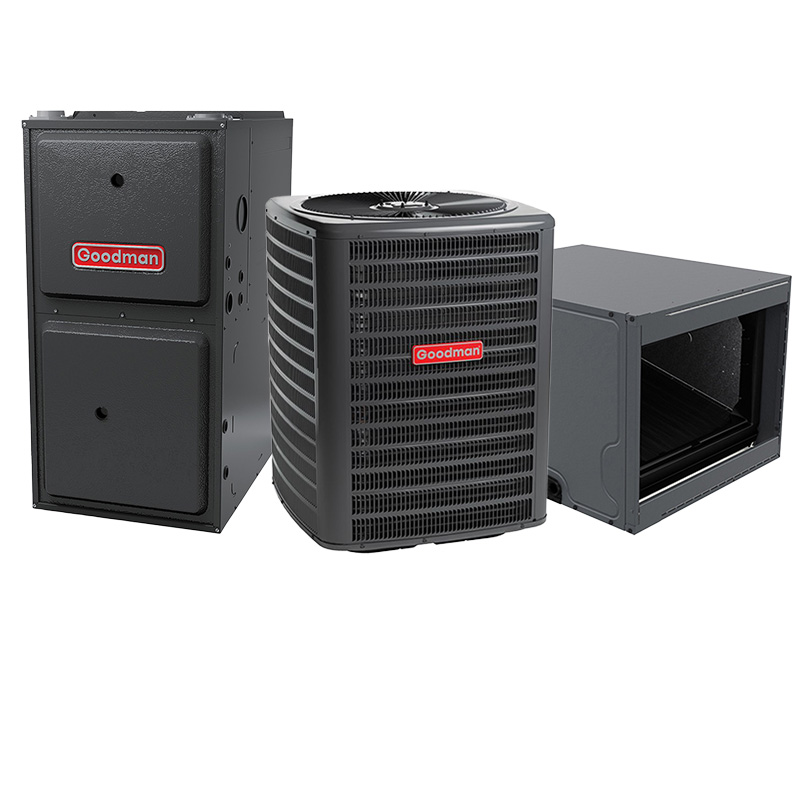
Goodman Furnace And Air Conditioner 3 Ton 16 SEER2 AC With 80000 BTU 80% AFUE Two Stage Multi-Speed ECM Gas Furnace System – Horizontal | R32
View on AC Direct see your lowest price →Check current price on AC Direct →
Key features
- 3-ton, 16 SEER2 cooling with R-32 refrigerant
- Two-stage compressor for quieter, more humidity-controlling operation
- 80,000 BTU output at 80% AFUE for mid-efficiency heating
- Multi-speed ECM blower motor reduces electricity use and airflow noise
- Horizontal configuration for attic, crawl space, or side-discharge installs
- Priced 15 to 25 percent below comparable Carrier, Trane, and Lennox systems
About this system
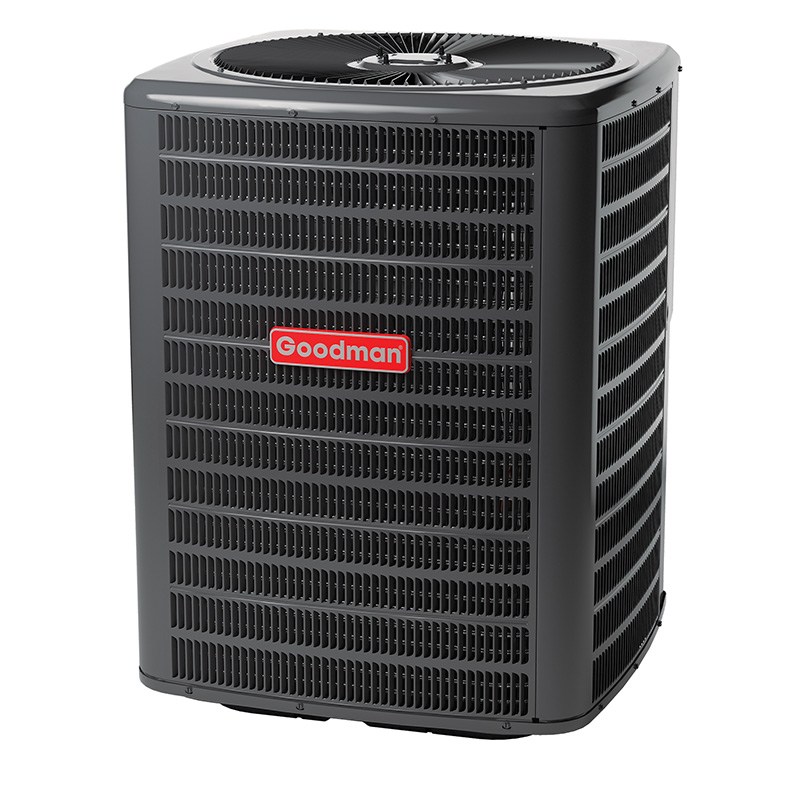
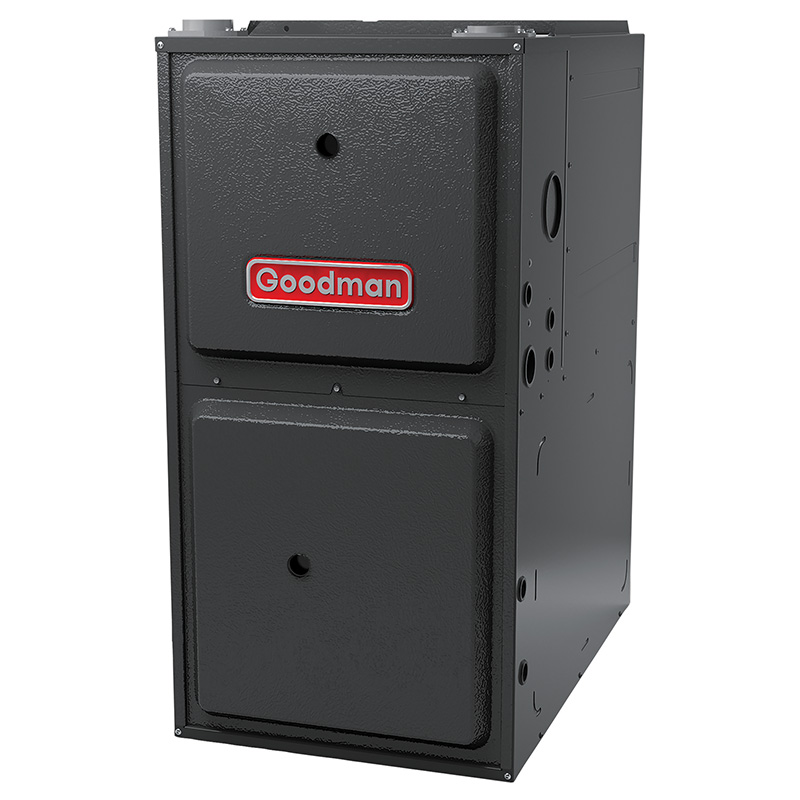
This Goodman bundle pairs a 3-ton, 16 SEER2 air conditioner with an 80,000 BTU, 80% AFUE two-stage gas furnace in a horizontal configuration, making it a practical fit for homes where the air handler sits in a crawl space, attic, or tight utility closet. The 16 SEER2 rating lands at the lower edge of the mid-efficiency tier, meaningfully above federal minimums but short of the premium 18-plus SEER2 systems that justify their price only in climates with very long cooling seasons. R-32 refrigerant is a genuine forward-looking spec: it has a lower global-warming potential than R-410A and is increasingly preferred by installers looking ahead to regulatory shifts.
The two-stage compressor and multi-speed ECM blower motor are the standout functional upgrades here. Two-stage cooling means the system runs on a lower capacity setting during mild weather, cycling less often, maintaining steadier indoor temperatures, and removing more humidity than a single-stage unit would at the same rated tonnage. The ECM motor ramps airflow to match demand rather than running at a fixed speed, which reduces blower electricity draw and cuts down on the abrupt pressure changes that make ductwork groan. Together those two features close a real comfort gap between this system and budget single-stage alternatives. The horizontal configuration adds a layer of complexity at installation, so matching this unit with an experienced local contractor is not optional advice, it is the main variable that separates a ten-year system from a fifteen-year one.
This Goodman bundle delivers genuine two-stage comfort and a forward-compatible refrigerant at a price point that undercuts major premium brands by a meaningful margin. The 80% AFUE furnace and 16 SEER2 rating are honest mid-tier numbers, not top-shelf efficiency, so the value case rests on upfront savings rather than long-term energy bills. Longevity depends heavily on installation quality and a willingness to budget for component repairs after the seven-year mark.
Overall score is the average of the five ratings above.
What we like
- Two-stage compressor improves humidity control and temperature consistency over single-stage alternatives
- ECM blower motor lowers fan electricity consumption compared to PSC motors
- R-32 refrigerant is lower global-warming-potential and increasingly standard with installers
- Priced well below comparable Trane, Lennox, and Carrier equipment
- Horizontal configuration opens installation options in attics and crawl spaces where upflow units cannot fit
Trade-offs
- 80% AFUE is the minimum efficiency tier; in cold climates, a 96% AFUE unit would recover the price gap in fuel savings within a few years
- Dual-run capacitors are the most frequently reported failure point, typically requiring a 300 to 600 dollar repair around years 5 to 10
- Evaporator coil leaks appear in a notable share of owner reports, and a coil replacement is a substantially more expensive repair
- Compressor lifespan averages 10 to 14 years versus 15 to 20 years for premium-brand compressors, meaning a mid-life replacement is a realistic scenario
What homeowners and pros say about Goodman
Homeowners who post about Goodman tend to split into two camps, and that split shows up clearly in the numbers. On Google dealer reviews, where ratings cluster around 3.8 out of 5, the most repeated praise is straightforward: these systems cost less to buy and install than comparable Carrier, Trane, or Lennox equipment, and a large share of owners report years of trouble-free operation when the install was done right. On ConsumerAffairs, where the score drops to roughly 2.5 out of 5 because that platform draws frustrated owners more than satisfied ones, the recurring complaint is repair costs that begin stacking up after about year seven. The documented failure modes are specific: dual-run capacitors are the most commonly cited breakdown, a relatively affordable fix in the 300 to 600 dollar range, but evaporator coil leaks also appear in a meaningful share of reviews and those carry a much higher repair bill. A minority of owners report refrigerant leaks within the first year, which technicians generally attribute to installation or initial charge errors rather than a factory defect.
HVAC professionals who work on Goodman equipment regularly echo a consistent theme: the brand is not a bad product, but it is an unforgiving one. Install quality is the single biggest variable in how long a Goodman system lasts, and that is not a disclaimer that applies equally to premium brands. Compressor longevity is the other honest conversation pros have with buyers: Goodman compressors tend to average 10 to 14 years in service, compared to the 15 to 20 years typical of premium-brand compressors. For the two-stage horizontal system here, technicians note that the ECM motor and two-stage compressor add real comfort value but also add components that benefit from annual maintenance checks. For buyers who choose this system, the advice from those in the field is consistent: spend money on a thorough install, register the warranty on day one, and do not skip yearly tune-ups.
Sources: ConsumerAffairs Goodman owner reviews, AHRI Directory of Certified Product Performance, U.S. DOE appliance and equipment efficiency standards, Goodman product specification sheets.
What it costs to run
At 16 SEER2, cooling this 3-ton system for a typical 1200-hour cooling season at the U.S. average electricity rate of $0.17/kWh works out to roughly $459 per year in cooling, about $89 less per year than a minimum-efficiency 13.4 SEER2 unit of the same size. Your real cost depends on your climate and local rate.
Method: (36,000 BTU/hr ÷ 16 SEER2) × 1200 hours ÷ 1000 × $0.17/kWh. Rate source: U.S. EIA average; cooling hours: moderate-climate estimate.
How it compares
| Brand | Comparable model | SEER2 | Stage | Price position |
|---|---|---|---|---|
| Goodman | GSXH503610 + GMVC8 (this system) | 16 | Two-stage | Value pick |
| Carrier | Comfort 16 (24ACC6) + 58SB0 | 16 | Single-stage | 15 to 25 percent above this system |
| Trane | XR16 (4TTR6) + S9V2 | 16 | Single-stage AC, two-stage furnace | 20 to 30 percent above this system |
| Lennox | Merit 16ACX + ML196 | 16 | Single-stage | 15 to 25 percent above this system |
Competitor rows are comparable single-stage units at similar efficiency; price is relative position, not a quote.
Questions about this system
Is 80% AFUE good enough, or should I step up to a higher-efficiency furnace?
80% AFUE means 20 cents of every heating dollar goes out the flue, which is acceptable in mild-winter regions but expensive over time in climates with long heating seasons. If you heat more than five months per year or natural gas rates are high in your area, a 96% AFUE furnace can close its price gap in fuel savings within three to six years.
Why does a horizontal configuration make installation harder?
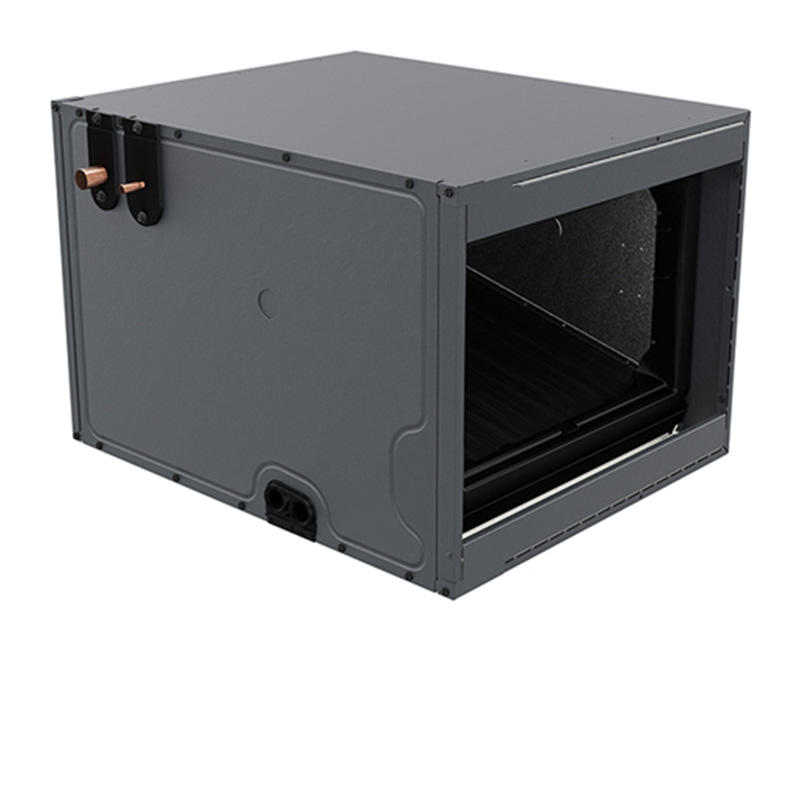
A horizontal install positions the air handler on its side, which affects condensate drainage routing, filter access, and the way refrigerant lines and flue connections must run. Errors in slope or drainage setup are a common source of early coil and drain-pan problems, so vetting your installer's experience with horizontal units specifically is worth the extra phone call.
What does two-stage cooling actually change in day-to-day comfort?
On most days the system runs at its lower stage, which means longer, gentler cycles that pull more moisture out of the air and hold temperature steadier than a single-stage unit that blasts on and off. You typically notice less humidity, fewer hot spots, and quieter operation during normal cooling weather.
R-32 refrigerant is listed here instead of R-410A. Does that affect service costs?
R-32 is becoming standard as manufacturers phase out R-410A under EPA regulations, so availability is growing. It does require technicians to use slightly different handling procedures, but it is not exotic or hard to source. Long-term, R-32 equipment is better positioned for regulatory compliance than R-410A units being sold today.
What are the most likely repair costs I should budget for after the warranty period?
Dual-run capacitors are the most commonly reported failure, generally a 300 to 600 dollar fix. Evaporator coil leaks are a higher-cost event if they occur. Goodman compressors average 10 to 14 years of life, so budgeting for a potential compressor or full-system replacement in that window is prudent planning rather than pessimism.
Specifications
| Cooling capacity | 3 Ton |
| Efficiency | 16 SEER2 |
| Furnace output | 80000 BTU |
| Furnace efficiency | 80% AFUE |
| Configuration | Horizontal |
| Refrigerant | R-32 |