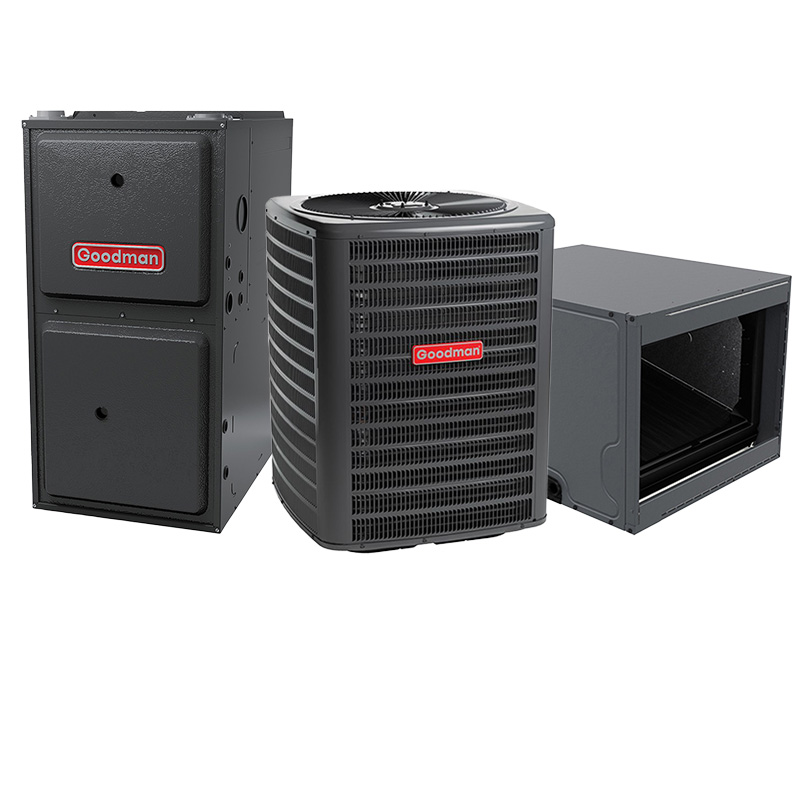
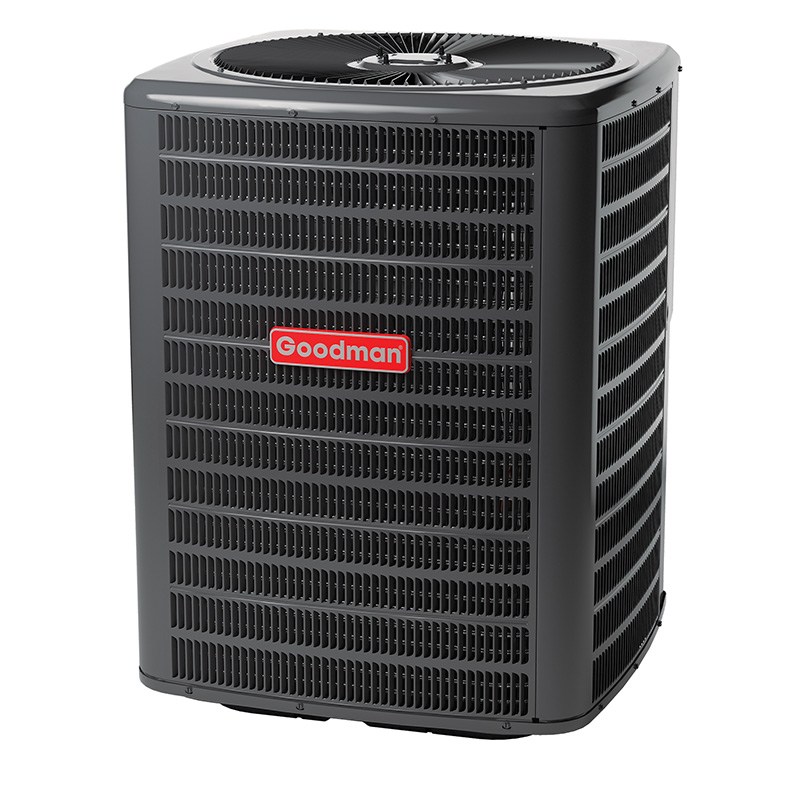
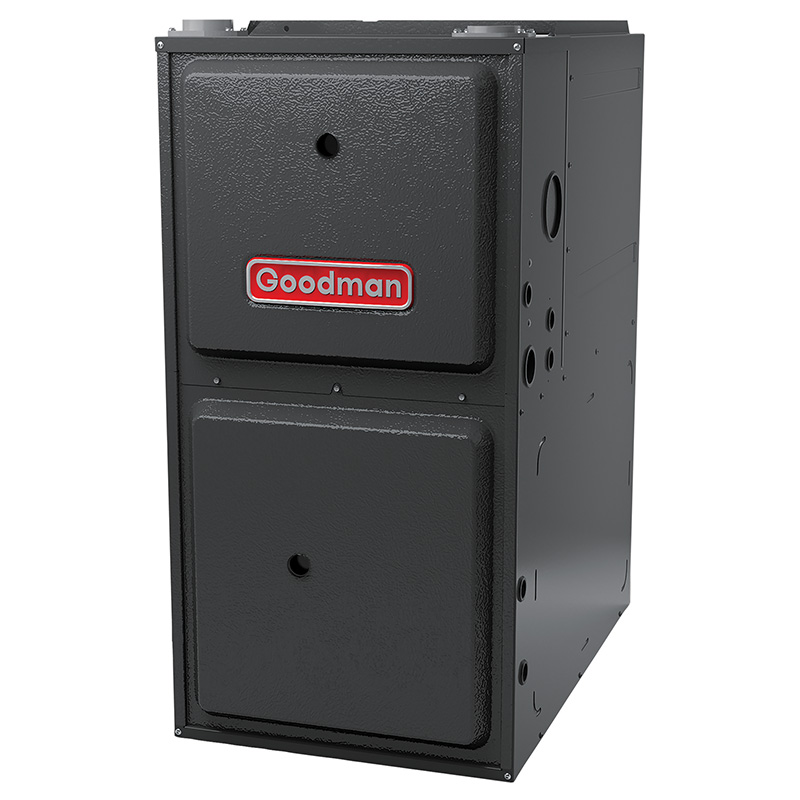
Goodman Furnace And Air Conditioner 5 Ton 16 SEER2 AC With 80000 BTU 80% AFUE Two Stage Multi-Speed ECM Gas Furnace System – Horizontal | R32
View on AC Direct see your lowest price →Check current price on AC Direct →
Key features
- 16 SEER2 cooling efficiency, mid-tier, meets current federal minimums
- Two-stage gas furnace at 80,000 BTU with 80% AFUE heating efficiency
- Multi-speed ECM blower motor for improved humidity control and lower blower energy use
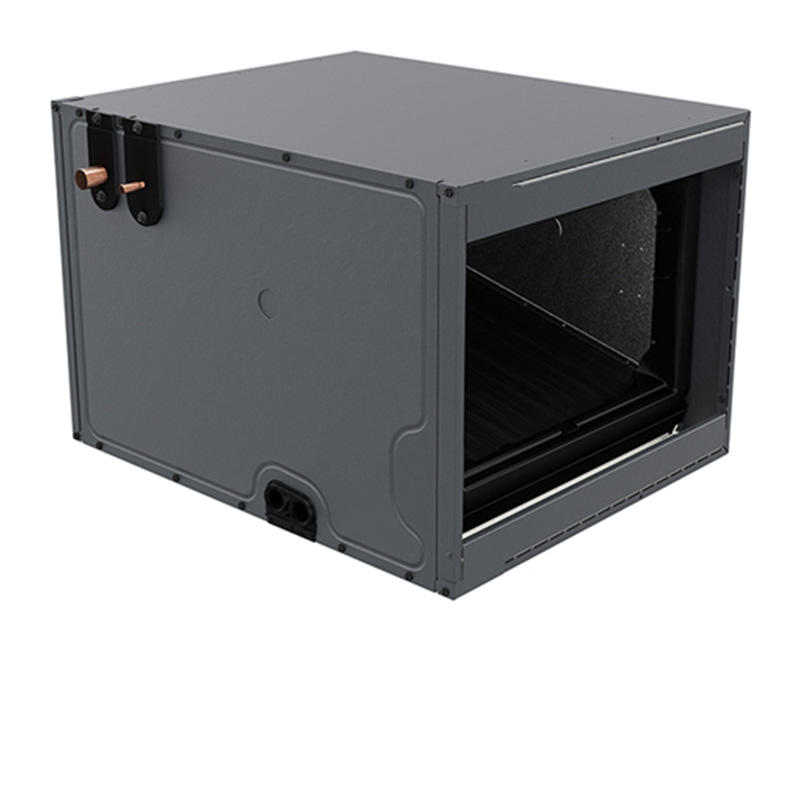
- Horizontal configuration for attic, crawl space, or side-mount utility closet installs
- R-32 refrigerant, lower global warming potential than R-410A
- Compatible with communicating or standard 24V thermostat controls
About this system
This Goodman bundle pairs a 5-ton, 16 SEER2 air conditioner with an 80,000 BTU, 80% AFUE two-stage gas furnace sized for larger homes, typically in the 2,400 to 3,200 square foot range depending on climate and insulation. The horizontal configuration means the air handler sits on its side, which is common in attic installations, crawl spaces, and utility closets where vertical clearance is limited. R-32 refrigerant is the newer, lower-global-warming-potential refrigerant replacing R-410A, so this system is positioned well as the industry transitions away from older refrigerants under updated EPA guidelines.
The two-stage furnace and multi-speed ECM blower motor are meaningful upgrades over basic single-stage equipment. Two-stage heating runs at a lower capacity most of the time, which holds indoor temperatures more evenly and reduces the on-off cycling that drives up wear. The ECM motor is significantly more efficient than a standard PSC blower and allows the system to modulate airflow for better humidity control and comfort. At 16 SEER2, the cooling side clears the federal minimum efficiency threshold for most regions but sits in the mid-efficiency tier rather than the top. Buyers who prioritize a lower upfront cost over peak seasonal energy savings will find this pairing reasonable, while those in extremely hot climates running the AC for six or more months may want to compare against 18 SEER2 or higher options before committing.
This Goodman system offers a solid mid-efficiency spec sheet at a price point that undercuts Trane, Carrier, and Lennox by a meaningful margin, making it a practical choice for budget-conscious buyers who are committed to using a qualified installer. The two-stage furnace and ECM motor are genuine comfort upgrades over base-level equipment, but buyers should factor in Goodman's documented shorter compressor lifespan and the possibility of out-of-warranty repair costs after year seven when evaluating total cost of ownership.
Overall score is the average of the five ratings above.
What we like
- Purchase price is typically 15 to 25 percent below comparable Trane, Lennox, and Carrier systems
- Two-stage furnace reduces temperature swings and short-cycling compared to single-stage alternatives
- ECM blower motor lowers blower electricity consumption and improves humidity management
- R-32 refrigerant ensures regulatory compliance and easier servicing as R-410A is phased out
- Horizontal configuration broadens installation options for attics and low-clearance spaces
Trade-offs
- Compressor lifespan averages 10 to 14 years, shorter than the 15 to 20 years typical of premium brands
- Evaporator coil leaks appear in a meaningful share of owner reviews and can be expensive to address
- Dual-run capacitor failures are the most frequently reported issue, adding service call costs usually around years 5 through 10
- 80% AFUE is the minimum efficiency tier for gas furnaces; homeowners in cold climates will pay more in gas bills than they would with a 95% or 96% AFUE unit
What homeowners and pros say about Goodman
On review platforms that attract disgruntled owners, Goodman sits at roughly 2.5 out of 5 on ConsumerAffairs, where the recurring pattern is owners who felt fine about the initial price but found repair costs climbing after around year seven. The specific failure modes that come up repeatedly are not random: dual-run capacitors are the most commonly cited breakdown, usually a quick and relatively inexpensive fix, but they signal the broader reality that Goodman builds to a price point. Evaporator coil leaks appear in a meaningful share of owner accounts, and those repairs are not cheap. Compressor longevity is the starkest numbers gap, with Goodman units averaging roughly 10 to 14 years versus the 15 to 20 years more commonly reported for Trane, Lennox, and Carrier compressors.
Dealer-level Google reviews paint a more balanced picture, averaging around 3.8 out of 5 across locations, and the most consistent praise is straightforward: the equipment is affordable and it works when installed correctly. That last clause is the one HVAC technicians emphasize most. Goodman’s performance is more sensitive to install quality than premium brands, meaning a careless or rushed installation raises the odds of refrigerant issues in year one and shortened component life throughout the system’s run. Owners who chose a thorough contractor, registered the warranty on time, and maintained the system annually report experiences that look closer to the Google average than the ConsumerAffairs low. For a 5-ton horizontal system in particular, where attic heat, condensate routing, and airflow balance all require attention, the installer selection decision matters at least as much as the brand decision.
Sources: ConsumerAffairs Goodman owner reviews, AHRI Directory of Certified Product Performance, U.S. DOE appliance and equipment efficiency standards, Goodman product specification sheets.
What it costs to run
At 16 SEER2, cooling this 5-ton system for a typical 1200-hour cooling season at the U.S. average electricity rate of $0.17/kWh works out to roughly $765 per year in cooling, about $148 less per year than a minimum-efficiency 13.4 SEER2 unit of the same size. Your real cost depends on your climate and local rate.
Method: (60,000 BTU/hr ÷ 16 SEER2) × 1200 hours ÷ 1000 × $0.17/kWh. Rate source: U.S. EIA average; cooling hours: moderate-climate estimate.
How it compares
| Brand | Comparable model | SEER2 | Stage | Price position |
|---|---|---|---|---|
| Goodman | GSXH5 / GMVC8 Series (this system) | 16 | Two-stage | Value pick |
| Carrier | Performance 16 (24ACC6 series) with Performance 80 furnace | 16 | Two-stage | Typically 15 to 20 percent more than this Goodman system |
| Trane | XR16 AC with S8X2 furnace | 16 | Two-stage | Typically 18 to 25 percent more than this Goodman system |
| Lennox | Merit 16 (ML16XC1) with ML196E furnace | 16 | Two-stage | Typically 15 to 22 percent more than this Goodman system |
Competitor rows are comparable single-stage units at similar efficiency; price is relative position, not a quote.
Questions about this system
Is a horizontal furnace and coil harder to install than an upflow configuration, and does it affect my choice of contractor?
Horizontal installs require the coil and air handler to be properly leveled and supported, and condensate drainage must be correctly pitched or a condensate pump added. The configuration itself is common and any experienced HVAC contractor handles it routinely, but it does add a step that an inexperienced installer can get wrong, which is why vetting your contractor matters even more with horizontal systems.
My house is around 2,800 square feet. Is 5 tons and 80,000 BTU the right sizing?
Rough rules of thumb often suggest 1 ton per 400 to 600 square feet of conditioned space, but proper sizing requires a Manual J load calculation that accounts for your climate zone, insulation levels, window area, and ceiling height. Oversizing the AC causes short-cycling and poor humidity removal; oversizing the furnace causes similar problems in heating. Ask your contractor for a Manual J before finalizing equipment selection.
What does the Goodman warranty actually cover, and what are the conditions?
Goodman typically provides a 10-year parts warranty on registered systems, which requires registration within 60 days of installation. The compressor usually carries a separate 10-year limited warranty. Labor is not covered, so an out-of-warranty service call for a compressor replacement or coil leak will carry significant labor costs on top of any parts. Confirm current warranty terms with your dealer at purchase, as they can change.
R-32 is new to me. Will local technicians know how to service it, and is it harder to find?
R-32 is becoming standard across the industry as R-410A is phased out, and most HVAC technicians are already trained or being trained on it. It does require updated recovery equipment compared to R-410A, but this is increasingly common in service fleets. Availability is not a practical concern at this point in the transition.
How worried should I be about the capacitor and coil failure reports I have seen?
Dual-run capacitor failures on Goodman units are well-documented and tend to show up after several years of use. They are typically a low-cost repair in the 300 to 600 dollar range and a quick fix for any tech. Evaporator coil leaks are a more serious concern because coil replacement is expensive and may not be covered after the warranty period. Signing up for an annual maintenance plan that includes coil inspection and refrigerant charge verification is a practical way to catch problems early.
Specifications
| Cooling capacity | 5 Ton |
| Efficiency | 16 SEER2 |
| Furnace output | 80000 BTU |
| Furnace efficiency | 80% AFUE |
| Configuration | Horizontal |
| Refrigerant | R-32 |