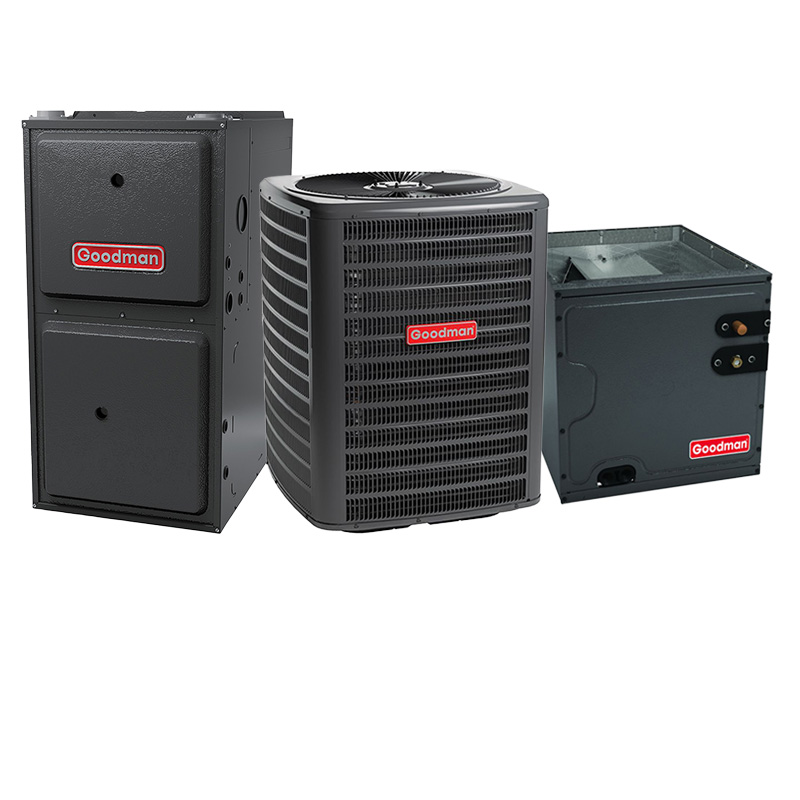
Goodman Furnace And AC – 1.5 Ton 14.5 SEER2 AC With 40000 BTU 96% AFUE Two Stage Multi-Speed ECM Gas Furnace System – Upflow | R32
View on AC Direct see your lowest price →Check current price on AC Direct →
Key features
- 1.5-ton cooling capacity rated at 14.5 SEER2, meeting current federal minimum efficiency standards
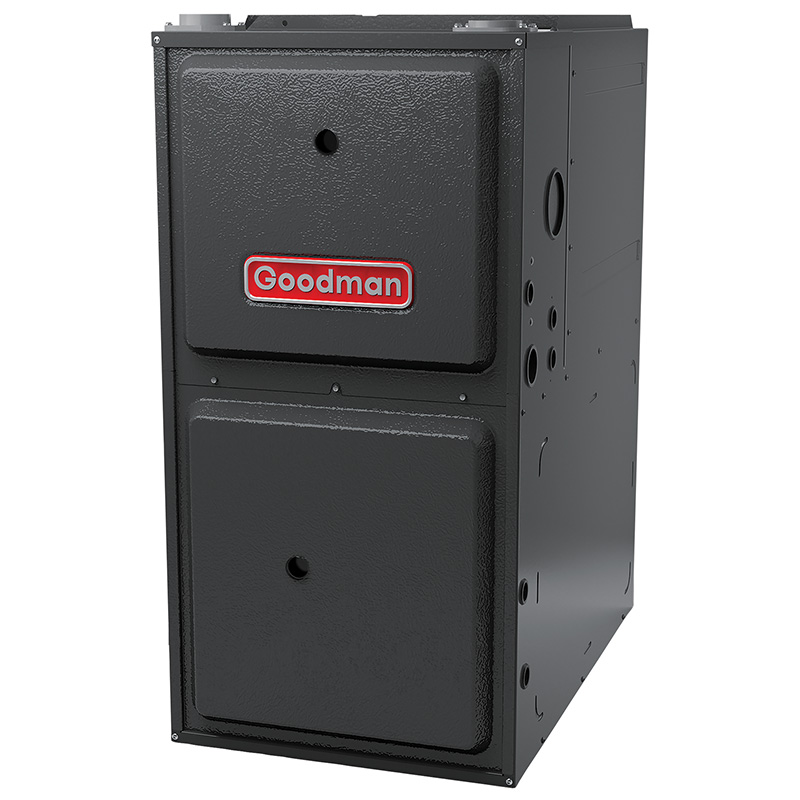
- 96% AFUE two-stage gas furnace rated at 40,000 BTU for smaller or supplemental heating loads
- Multi-speed ECM blower motor reduces energy use and improves humidity control versus standard PSC motors
- Upflow configuration designed for installations where supply air exits the top of the unit
- R-32 refrigerant with lower global warming potential compared to R-410A
- Two-stage operation on the furnace allows lower-capacity steady-state heating on moderate days
About this system
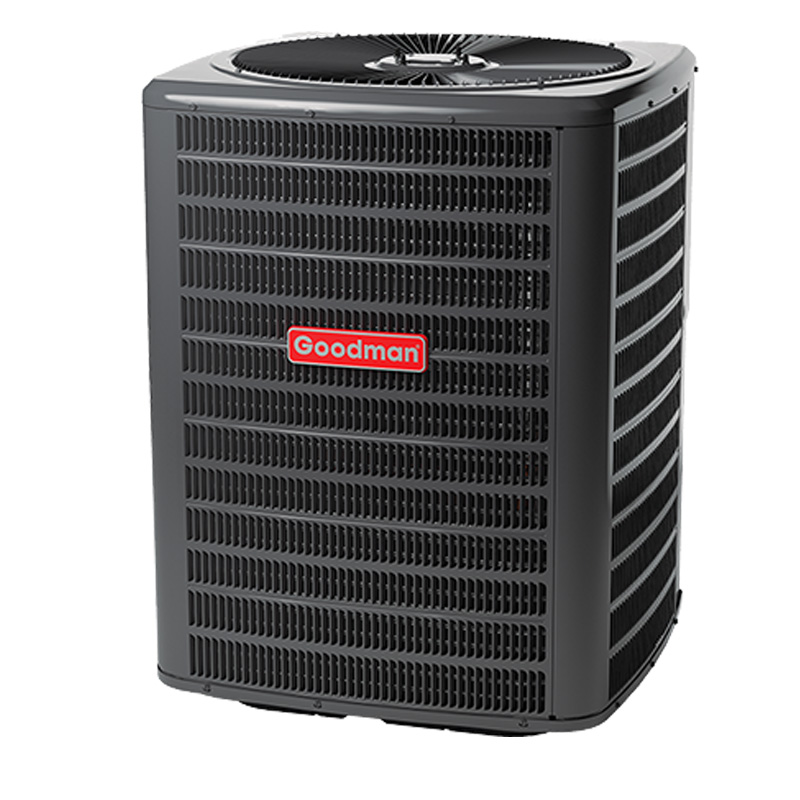
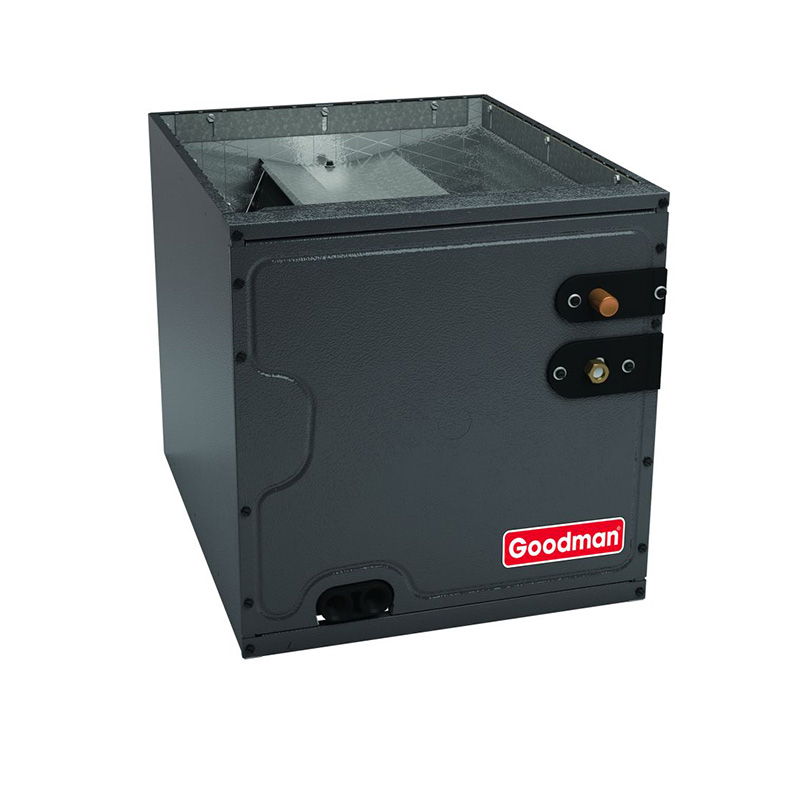
This Goodman bundle pairs a 1.5-ton, 14.5 SEER2 central air conditioner with a 40,000 BTU, 96% AFUE two-stage gas furnace in an upflow configuration, making it a compact system sized for smaller homes, conditioned spaces in the 600-to-900 square foot range, or as a secondary zone in a larger house. The AC uses R-32 refrigerant, a lower global-warming-potential option that is becoming more common as the industry moves away from R-410A. At 14.5 SEER2 the cooling efficiency sits at the current federal minimum threshold for most U.S. climate zones, so it meets code without premium efficiency costs.
The furnace side is where this bundle earns its keep for cold-climate buyers. A 96% AFUE rating means only about 4% of fuel is lost as exhaust, which is solidly in the high-efficiency tier. Two-stage heating lets the furnace run at a lower capacity on mild days and ramp up only when temperatures drop significantly, reducing temperature swings and short-cycling. The multi-speed ECM blower motor is quieter and more efficient than a standard PSC motor, and it helps the AC side dehumidify more effectively by moving air at lower, steadier speeds. This combination is a sensible match for a buyer who prioritizes furnace performance over peak cooling efficiency.
This Goodman system delivers genuinely good furnace technology at a price that undercuts premium brands by a significant margin, and the 96% AFUE two-stage furnace is a legitimate standout for the money. The 14.5 SEER2 cooling efficiency is baseline rather than impressive, and long-term ownership costs depend heavily on installation quality and a degree of luck with components that have documented failure tendencies after roughly seven years.
Overall score is the average of the five ratings above.
What we like
- 96% AFUE two-stage furnace is high-efficiency heating at a value-brand price point
- ECM blower motor improves comfort, reduces operating noise, and lowers fan energy costs
- R-32 refrigerant is a forward-looking choice with a lower environmental impact than R-410A
- Upflow design is straightforward to install in basement or closet applications with overhead ductwork
- Purchase price runs 15 to 25 percent below comparable Trane, Lennox, and Carrier systems
Trade-offs
- 14.5 SEER2 is the regulatory minimum for cooling efficiency and offers no headroom above code
- Dual-run capacitors are the most commonly reported failure point, typically needing replacement around year 7 or sooner
- Compressor longevity averages 10 to 14 years versus 15 to 20 years for premium-brand compressors
- A minority of owners report refrigerant leaks within the first year, which is usually tied to install quality rather than the unit itself but still represents a real risk
What homeowners and pros say about Goodman
Homeowners who research Goodman online encounter a split picture. On ConsumerAffairs, the brand scores around 2.5 out of 5, but that platform disproportionately captures frustrated owners rather than satisfied ones. The recurring complaint theme there is repair costs climbing after roughly year seven, with dual-run capacitor failures and evaporator coil leaks appearing most often in negative accounts. Google dealer reviews tell a somewhat different story, averaging around 3.8 out of 5 across locations, where the most common praise is straightforward: the equipment is affordable, it works, and dealers can source parts readily. For a 1.5-ton system paired with a 96% AFUE furnace, the price advantage over Carrier, Trane, and Lennox is real and documented at 15 to 25 percent.
HVAC technicians tend to have a pragmatic view of Goodman. They note that the brand’s compressors generally average 10 to 14 years in the field versus 15 to 20 years for premium alternatives, which matters when projecting total cost of ownership. The capacitor issue is considered a minor nuisance rather than a serious flaw, given that the fix is inexpensive and fast. What technicians emphasize most consistently is that installation quality drives outcomes with Goodman more than with premium brands, and the small percentage of owners who report refrigerant leaks within the first year are almost always dealing with a charge or connection error made during setup. For this specific system, the ECM blower and two-stage furnace are the components that generate the most positive professional commentary, as both are features that typically require stepping up to a higher price tier with other brands.
Sources: ConsumerAffairs Goodman owner reviews, AHRI Directory of Certified Product Performance, U.S. DOE appliance and equipment efficiency standards, Goodman product specification sheets.
What it costs to run
At 14.5 SEER2, cooling this 1.5-ton system for a typical 1200-hour cooling season at the U.S. average electricity rate of $0.17/kWh works out to roughly $253 per year in cooling, about $21 less per year than a minimum-efficiency 13.4 SEER2 unit of the same size. Your real cost depends on your climate and local rate.
Method: (18,000 BTU/hr ÷ 14.5 SEER2) × 1200 hours ÷ 1000 × $0.17/kWh. Rate source: U.S. EIA average; cooling hours: moderate-climate estimate.
How it compares
| Brand | Comparable model | SEER2 | Stage | Price position |
|---|---|---|---|---|
| Goodman | 1.5T 14.5 SEER2 AC + 40K BTU 96% AFUE Two-Stage ECM Furnace (this system) | 14.5 | Two-stage furnace / single-stage AC | Value pick |
| Carrier | Comfort Series (24ACC) with 58MCA furnace | 14.5 | Single-stage | Typically 15 to 25 percent more than this Goodman bundle |
| Trane | XR14 AC with S9V2 furnace | 14.5 | Single-stage AC, two-stage furnace | Typically 15 to 25 percent more than this Goodman bundle |
| Lennox | Merit ML14XC1 AC with ML196 furnace | 14.5 | Single-stage AC, two-stage furnace | Typically 15 to 25 percent more than this Goodman bundle |
Competitor rows are comparable single-stage units at similar efficiency; price is relative position, not a quote.
Questions about this system
Is 1.5 tons enough cooling for my house?
A 1.5-ton unit is typically appropriate for roughly 600 to 900 square feet of well-insulated living space, though climate, ceiling height, window area, and insulation quality all affect the right size. An HVAC contractor performing a Manual J load calculation is the only way to confirm the correct tonnage for your specific home before purchasing.
What does two-stage heating actually mean for day-to-day comfort?
Two-stage means the furnace burner runs at a lower output on milder days and only fires at full capacity when temperatures drop significantly. In practice this reduces temperature swings, cuts down on the short on-off cycling that can dry out air and wear components, and works well with the ECM blower to hold a steadier indoor temperature.
Why does this system use R-32 instead of R-410A?
R-32 has a lower global warming potential than R-410A and is part of the industry's broader shift away from higher-impact refrigerants ahead of pending regulatory changes. It does require technicians to be familiar with its slightly different handling properties, so confirm your installer has worked with R-32 systems before scheduling service.
What are the most common repairs I should budget for over the life of this system?
Dual-run capacitors are the most frequently reported failure on Goodman AC equipment and typically run 300 to 600 dollars to replace, usually showing up around or after year seven. Evaporator coil leaks appear in a meaningful share of owner reviews as well, and compressor replacement becomes a realistic consideration after 10 to 14 years, which is shorter than what premium brands typically deliver.
How important is the installer when buying a Goodman system?
Installation quality is the single factor technicians cite most often as the determining variable in how long a Goodman system lasts and how reliably it performs. The minority of first-year refrigerant leaks reported by owners are generally traced to improper charging or connection work rather than factory defects, so choosing a licensed contractor with documented experience is not optional with this brand.
Specifications
| Cooling capacity | 1.5 Ton |
| Efficiency | 14.5 SEER2 |
| Furnace output | 40000 BTU |
| Furnace efficiency | 96% AFUE |
| Configuration | Upflow |
| Refrigerant | R-32 |