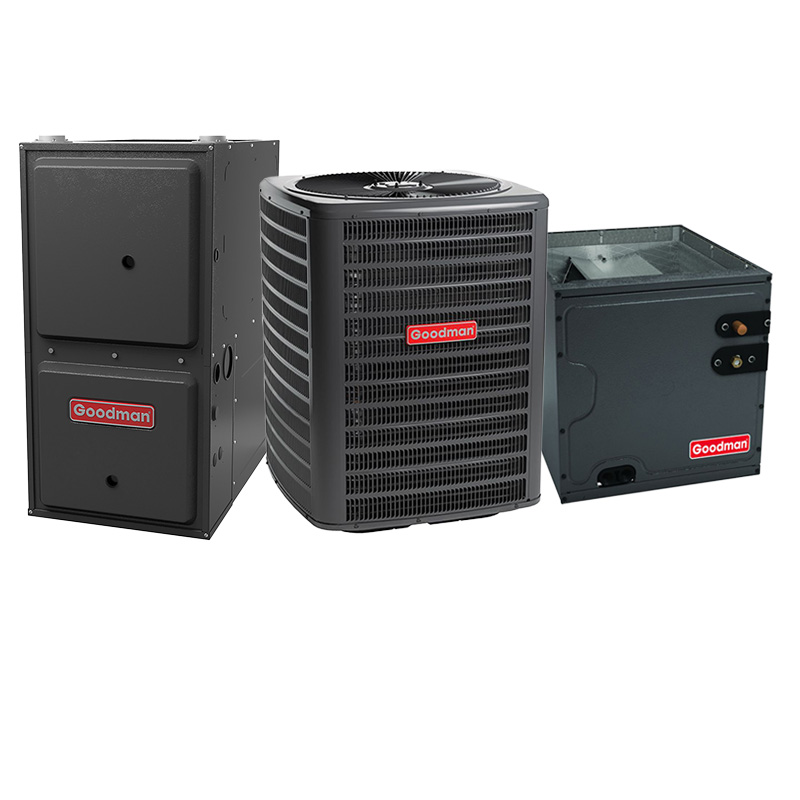
Goodman Furnace And AC – 2.5 Ton 14.5 SEER2 AC With 80000 BTU 96% AFUE Two Stage Multi-Speed ECM Gas Furnace System – Downflow | R32
View on AC Direct see your lowest price →Check current price on AC Direct →
Key features
- 2.5-ton cooling capacity rated at 14.5 SEER2 under current DOE test standards
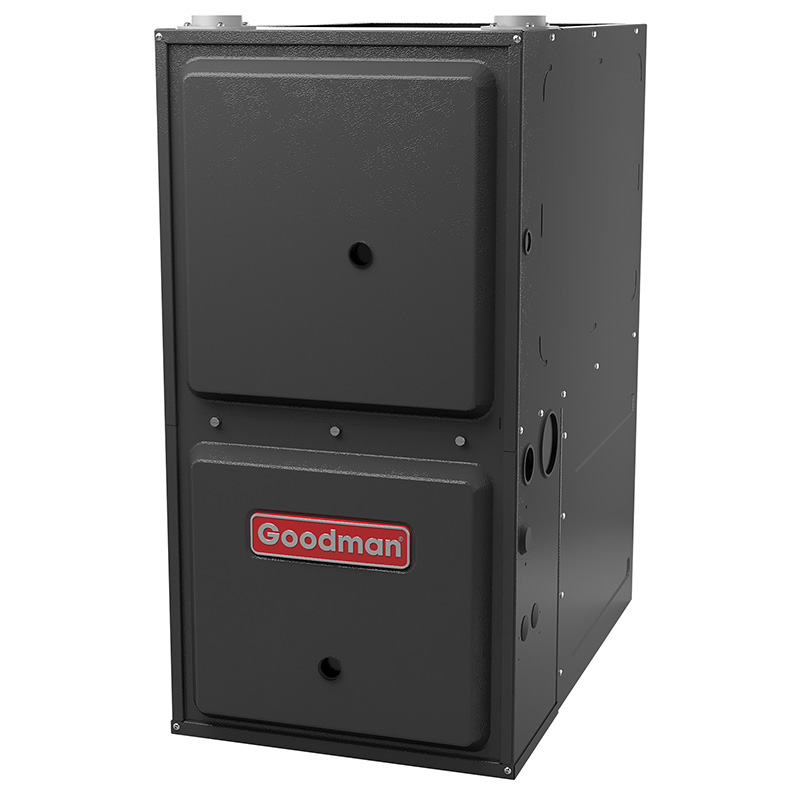
- 96% AFUE two-stage gas furnace with 80,000 BTU/hr input for high-efficiency heating
- Multi-speed ECM blower motor for quieter operation and lower fan energy use
- Downflow configuration designed for attic or overhead air handler installations
- R-32 refrigerant with lower global-warming potential than R-410A
- Two-stage compressor and burner operation reduces temperature swings and short-cycling
About this system
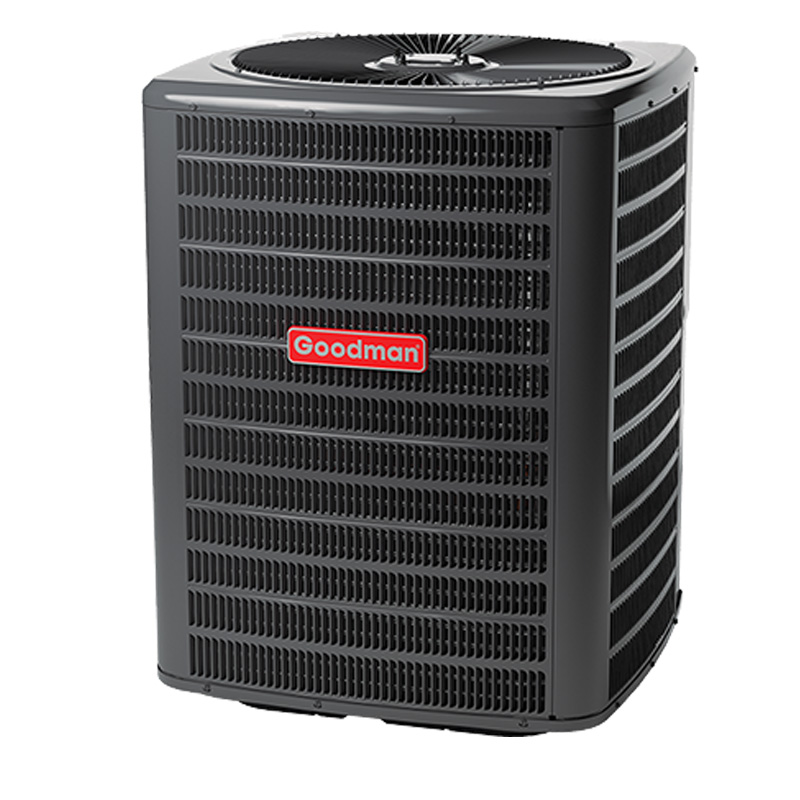
This Goodman bundle pairs a 2.5-ton, 14.5 SEER2 central air conditioner with an 80,000 BTU, 96% AFUE two-stage gas furnace in a downflow configuration, making it a strong match for homes where the air handler sits in an attic or closet above the living space. The R-32 refrigerant charge is a forward-looking choice: R-32 has a lower global-warming potential than R-410A and is increasingly common as the industry moves away from older refrigerants, though it does require a certified technician familiar with its mildly flammable classification during service.
The furnace specs carry real weight here. A 96% AFUE rating means only four cents of every heating dollar goes up the flue, landing this unit in the high-efficiency tier without the added cost or complexity of a fully condensing 98% unit. Two-stage operation lets the furnace run on a lower fire most of the time, reducing temperature swings and cycling noise while easing wear on the heat exchanger. The multi-speed ECM blower motor supports that behavior on the air side, moving air more quietly and at lower watt-hours than a standard PSC motor, which matters both for comfort and monthly electric bills.
At 2.5 tons, this system fits roughly 1,200 to 1,600 square feet of well-insulated space in most U.S. climates, though a proper Manual J load calculation by the installing contractor is the only reliable way to confirm sizing. Goodman positions this bundle as an entry-to-mid price point, typically running 15 to 25 percent below comparable systems from Trane, Lennox, and Carrier. That gap is real money upfront, but buyers should weigh it against Goodman’s documented shorter compressor lifespan and the brand’s reputation for performance that tracks closely with installation quality.
This Goodman bundle delivers genuinely high heating efficiency and a capable two-stage setup at a price that undercuts the major premium brands by a meaningful margin. The trade-off is a documented history of dual-run capacitor failures, evaporator coil leak reports, and a compressor lifespan that tends to run shorter than Trane or Carrier equivalents. It is a reasonable buy for cost-conscious homeowners who choose an experienced installer and budget for routine maintenance.
Overall score is the average of the five ratings above.
What we like
- 96% AFUE furnace is a true high-efficiency rating that trims heating bills noticeably versus 80% units
- Two-stage furnace and ECM blower improve comfort consistency and reduce on-off cycling
- 14.5 SEER2 clears current federal minimums with room to spare, providing solid cooling efficiency
- R-32 refrigerant is more environmentally responsible and increasingly well-supported by technicians
- Purchase price typically runs 15 to 25 percent below comparable Trane, Lennox, and Carrier systems
Trade-offs
- Dual-run capacitors are the most frequently reported failure point, typically adding a service call within the first decade
- Evaporator coil leaks appear in a meaningful share of owner reviews, a potential mid-life repair expense
- Compressor longevity averages 10 to 14 years versus 15 to 20 years for premium-brand compressors
- A minority of owners have reported refrigerant leaks in the first year, most tied to install or charge quality rather than the equipment itself
What homeowners and pros say about Goodman
Homeowners who buy Goodman equipment often point to the upfront price as the deciding factor, and that sentiment lines up with the brand’s Google dealer review average of around 3.8 out of 5 across hundreds of location-level reviews, where affordability comes up more than any other theme. On ConsumerAffairs, where the audience skews toward people with problems to report, Goodman sits at roughly 2.5 out of 5, and the pattern in those complaints is consistent: repair costs that climb after about year seven, with dual-run capacitor failures and evaporator coil leaks cited repeatedly. Neither failure is unique to Goodman, but they do show up at a rate that suggests buyers should budget for them rather than be surprised.
HVAC technicians who service Goodman units regularly tend to have a pragmatic view: the equipment works adequately when it is installed correctly and maintained on schedule, but it is less forgiving of a rushed or careless installation than a Trane or Carrier of comparable specs. For this specific system, the two-stage furnace and ECM blower are genuine upgrades over base-tier Goodman configurations, and the 96% AFUE rating is not padded. The R-32 refrigerant is newer territory for some field technicians, so asking your installer about their R-32 experience is a reasonable question before signing a contract. Compressor lifespan is the most honest long-term concern: the documented average of 10 to 14 years versus 15 to 20 for premium brands is a real difference that factors into the true cost of ownership over a 15-year horizon.
Sources: ConsumerAffairs Goodman owner reviews, AHRI Directory of Certified Product Performance, U.S. DOE appliance and equipment efficiency standards, Goodman product specification sheets.
What it costs to run
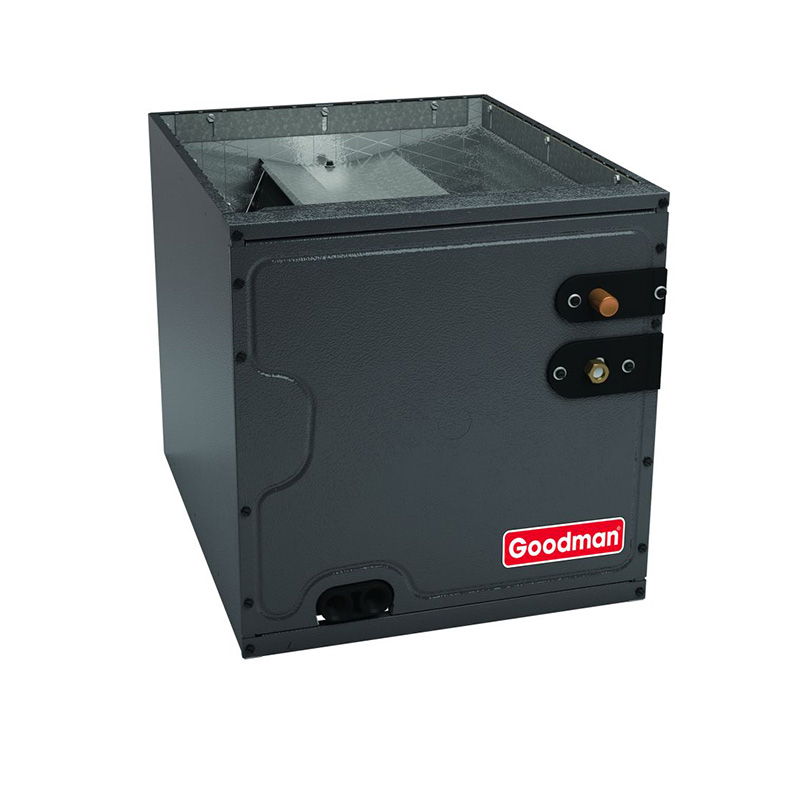
At 14.5 SEER2, cooling this 2.5-ton system for a typical 1200-hour cooling season at the U.S. average electricity rate of $0.17/kWh works out to roughly $422 per year in cooling, about $35 less per year than a minimum-efficiency 13.4 SEER2 unit of the same size. Your real cost depends on your climate and local rate.
Method: (30,000 BTU/hr ÷ 14.5 SEER2) × 1200 hours ÷ 1000 × $0.17/kWh. Rate source: U.S. EIA average; cooling hours: moderate-climate estimate.
How it compares
| Brand | Comparable model | SEER2 | Stage | Price position |
|---|---|---|---|---|
| Goodman | GLXS4-30 / GCVC960804CN (this system) | 14.5 | two-stage | Value pick |
| Carrier | Performance 14 / 24ACC4 series with 58MEB furnace | 14.3-14.5 | single-stage | Typically 15 to 25 percent more than this Goodman bundle |
| Trane | XR14c / S8X1 series | 14.3-14.5 | single-stage | Typically 15 to 25 percent more than this Goodman bundle |
| Lennox | Merit ML14XC1 / ML196E series | 14.3-15.0 | single-stage | Typically 15 to 25 percent more than this Goodman bundle |
Competitor rows are comparable single-stage units at similar efficiency; price is relative position, not a quote.
Questions about this system
Why does this system use R-32 instead of R-410A, and does that affect service costs?
R-32 is a next-generation refrigerant with roughly one-third the global-warming potential of R-410A, and manufacturers are adopting it ahead of tighter environmental regulations. Service costs are generally comparable to R-410A, but technicians must be certified for mildly flammable refrigerants, so confirm your service contractor has the right credentials before scheduling work.
Is a downflow furnace the right configuration for my home?
Downflow units discharge conditioned air downward and are designed for installations where the air handler sits above the living space, such as in an attic, second-floor closet, or utility room with ductwork running below. If your system is installed in a basement or crawlspace with ductwork overhead, you likely need an upflow or horizontal unit instead, so verify your existing duct layout before ordering.
What does two-stage operation actually mean for day-to-day comfort?
Two-stage means both the gas valve and the outdoor compressor operate at a lower capacity most of the time, only ramping to full output on the hottest or coldest days. In practice this translates to fewer temperature swings, quieter operation, and better humidity control in cooling mode compared to a single-stage system that is always either fully on or fully off.
How worried should I be about the capacitor and coil failures mentioned in owner reviews?
Dual-run capacitor failures are common across many HVAC brands, not just Goodman, and a replacement typically runs 300 to 600 dollars including labor. Evaporator coil leaks are more consequential and appear in a notable portion of Goodman owner reports, so it is worth confirming your warranty covers coil replacement and discussing a maintenance plan with your installer to catch refrigerant loss early.
What warranty does this Goodman system carry, and are there conditions I need to meet?
Goodman typically offers a 10-year parts warranty when the equipment is registered within a set window after installation, dropping to a shorter period if registration is missed. Labor is not covered by the manufacturer, so factor in contractor labor costs for any warranty repairs. Always confirm current warranty terms with your dealer at the time of purchase, as coverage details can change.
Specifications
| Cooling capacity | 2.5 Ton |
| Efficiency | 14.5 SEER2 |
| Furnace output | 80000 BTU |
| Furnace efficiency | 96% AFUE |
| Configuration | Downflow |
| Refrigerant | R-32 |