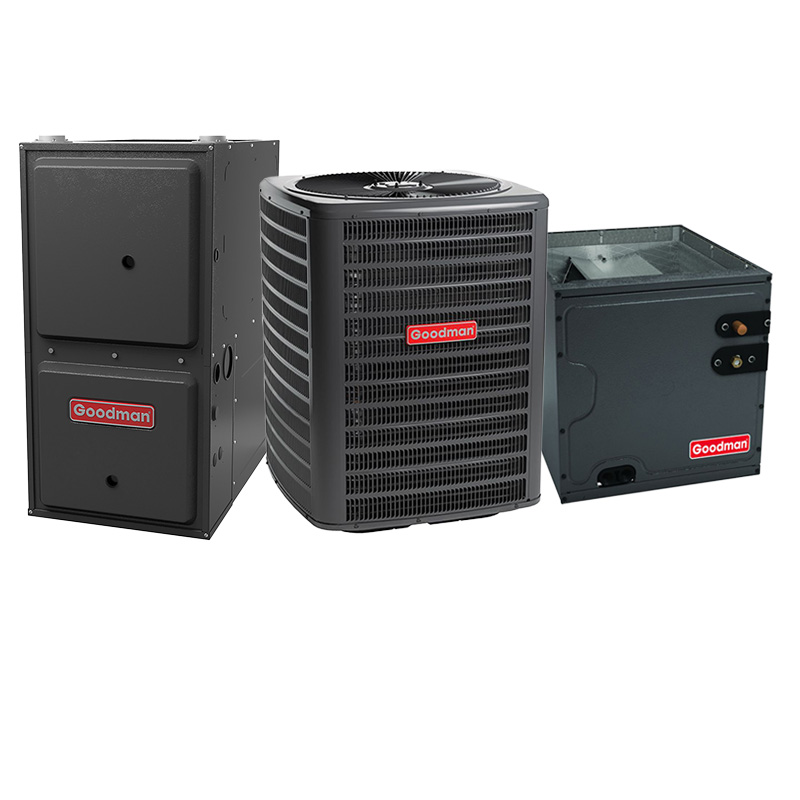
Goodman Furnace And AC – 2 Ton 14.3 SEER2 AC With 60000 BTU 96% AFUE Two Stage Multi-Speed ECM Gas Furnace System – Downflow | R32
View on AC Direct see your lowest price →Check current price on AC Direct →
Key features
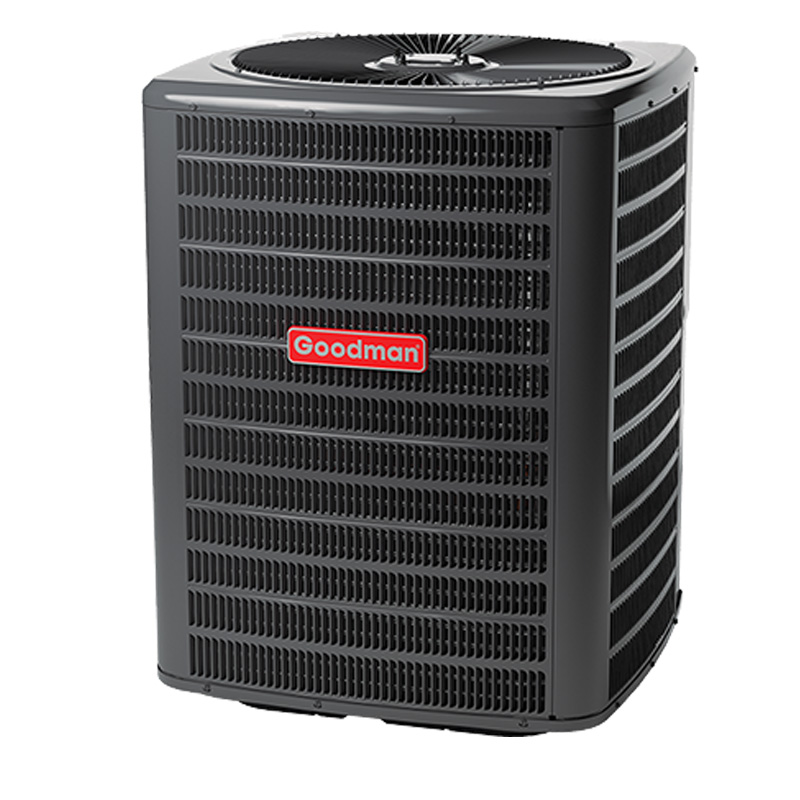
- 2-ton, 14.3 SEER2 air conditioner using R-32 refrigerant
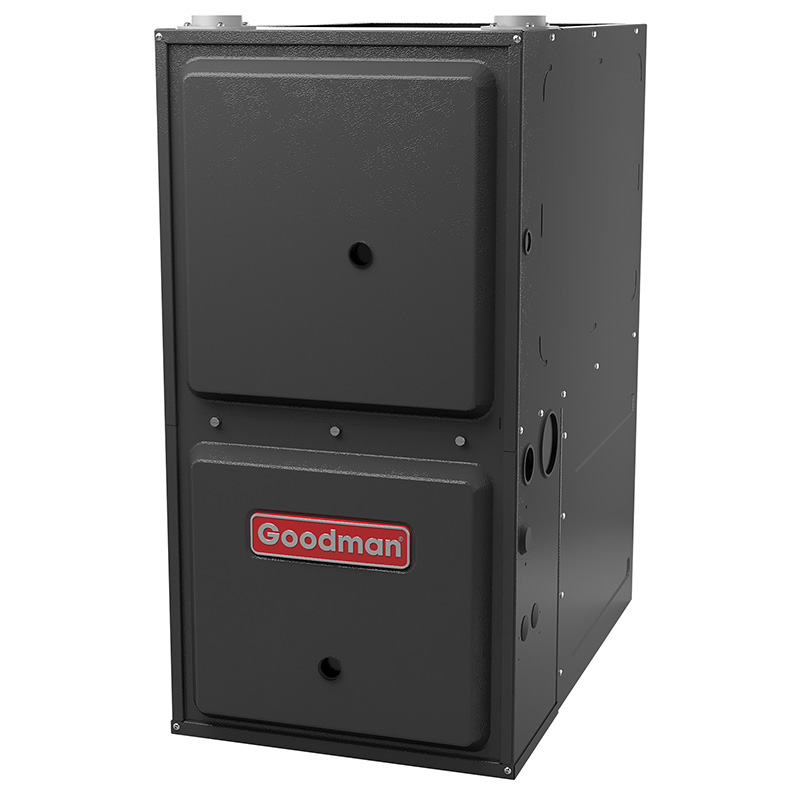
- 60,000 BTU two-stage gas furnace with 96% AFUE efficiency rating
- Multi-speed ECM blower motor reduces electricity use during fan operation
- Downflow configuration designed for above-plenum or crawlspace installations
- Two-stage heating reduces short-cycling and improves temperature consistency
- R-32 refrigerant meets current and upcoming low-GWP regional regulations
About this system
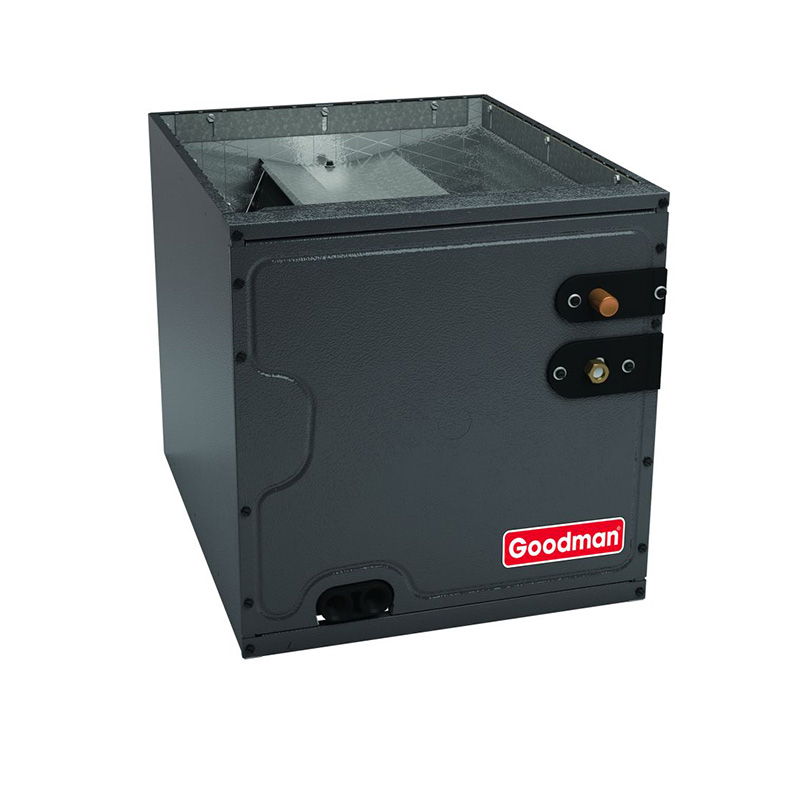
This Goodman bundle pairs a 2-ton, 14.3 SEER2 air conditioner with a 60,000 BTU, 96% AFUE two-stage gas furnace in a downflow configuration, making it a practical fit for homes where the air handler sits above a crawlspace or basement plenum and supply air flows downward. The R-32 refrigerant charge is a step forward environmentally, carrying a lower global-warming potential than the R-410A it replaces, and it is increasingly required by regional regulations rolling out through the mid-2020s.
The furnace is where this system earns its keep on paper. A 96% AFUE rating means roughly 96 cents of every gas dollar converts to usable heat, which sits near the ceiling of what residential furnaces achieve. Two-stage operation lets the unit run at a lower capacity on milder days, cutting short-cycling, evening out temperatures room to room, and reducing wear compared with a single-stage unit that only knows full blast or off. The ECM blower motor further trims electricity consumption during the long fan-run hours of a heating season. The 14.3 SEER2 cooling rating clears the current federal minimums for most regions but is not a high-efficiency figure; buyers chasing lower summer utility bills should know this is an entry-to-mid efficiency AC, not a premium one.
Goodman prices this bundle 15 to 25 percent below comparable Trane, Lennox, and Carrier systems, which makes it attractive for budget-conscious homeowners, rental property owners, and builders who need reliable equipment without a premium brand markup. The trade-off is a shorter average compressor lifespan and some documented component issues that buyers should weigh honestly before purchasing.
This Goodman system delivers genuinely strong furnace efficiency and useful two-stage operation at a price point that undercuts the major premium brands by a meaningful margin. The cooling side is functional but not exceptional, and buyers should budget for potential component replacements after year seven and factor in the importance of a skilled installer. For the right household, the value proposition is real; for others, the long-term cost math may favor spending more upfront.
Overall score is the average of the five ratings above.
What we like
- 96% AFUE furnace rating is near the top of residential gas heating efficiency
- Two-stage furnace operation reduces short-cycling and improves comfort on mild days
- ECM blower motor lowers electrical consumption across heating and cooling seasons
- Priced 15 to 25 percent below comparable Trane, Lennox, and Carrier systems
- R-32 refrigerant is forward-compatible with tightening environmental regulations
Trade-offs
- Compressor lifespan averages 10 to 14 years, shorter than the 15 to 20 years typical of premium brands
- Dual-run capacitor failures are the most commonly reported issue and can begin appearing after year seven
- Evaporator coil leaks appear in a meaningful share of owner reviews and represent a more costly repair
- A minority of owners report refrigerant leaks in year one, typically tied to install or charge quality rather than the equipment itself
What homeowners and pros say about Goodman
Homeowners who post about Goodman equipment tend to sort into two clear groups. Those who had a careful, experienced installer often report years of uneventful operation and point to the lower purchase price as money well spent. Those who hit problems frequently trace the root cause to one of three documented issues: a failed dual-run capacitor (a common and relatively affordable repair), an evaporator coil leak (a more significant job), or a refrigerant charge problem that showed up within the first year and pointed back to installation. Goodman’s ConsumerAffairs score sits at roughly 2.5 out of 5, though that channel draws disproportionately from frustrated owners rather than satisfied ones, so the number skews negative. Google dealer reviews average closer to 3.8 out of 5, where the most consistent praise is straightforward: the equipment is affordable and, when installed well, it works.
HVAC technicians who work on Goodman equipment regularly tend to echo that split. Many say they have no objection to selling or installing it for clients who have a realistic budget and understand the trade-offs. The concerns they raise most often are the compressor lifespan, which averages 10 to 14 years against the 15 to 20 years you might expect from a premium brand, and the importance of getting the installation right the first time. The two-stage furnace in this specific bundle draws less criticism than the cooling components; a 96% AFUE rating with an ECM motor is competitive at any price point. The honest picture is a system that can perform well for a decade or more under favorable conditions, but one that rewards buyers who invest in quality installation and budget for maintenance after the seven-year mark.
Sources: ConsumerAffairs Goodman owner reviews, AHRI Directory of Certified Product Performance, U.S. DOE appliance and equipment efficiency standards, Goodman product specification sheets.
What it costs to run
At 14.3 SEER2, cooling this 2-ton system for a typical 1200-hour cooling season at the U.S. average electricity rate of $0.17/kWh works out to roughly $342 per year in cooling, about $23 less per year than a minimum-efficiency 13.4 SEER2 unit of the same size. Your real cost depends on your climate and local rate.
Method: (24,000 BTU/hr ÷ 14.3 SEER2) × 1200 hours ÷ 1000 × $0.17/kWh. Rate source: U.S. EIA average; cooling hours: moderate-climate estimate.
How it compares
| Brand | Comparable model | SEER2 | Stage | Price position |
|---|---|---|---|---|
| Goodman | 2-Ton 14.3 SEER2 AC / 60K BTU 96% AFUE Two-Stage ECM Furnace (Downflow, R-32) | 14.3 | Two-stage furnace, single-stage AC | Value pick |
| Carrier | Performance Series 24ACC636A / 59TP6 Furnace | 14.3-15.0 | Single-stage AC, two-stage furnace | Typically 15 to 25 percent more than Goodman |
| Trane | XR14c / S9X2 Furnace | 14.3-15.0 | Single-stage AC, two-stage furnace | Typically 15 to 25 percent more than Goodman |
| Lennox | Merit ML14XC1 / ML196E Furnace | 14.3-15.2 | Single-stage AC, two-stage furnace | Typically 15 to 25 percent more than Goodman |
Competitor rows are comparable single-stage units at similar efficiency; price is relative position, not a quote.
Questions about this system
Is the downflow configuration the right choice for my home?
Downflow units are designed for installations where the furnace sits at or above floor level and discharges conditioned air downward into ductwork below, such as a main-floor closet above a basement or crawlspace plenum. If your existing ductwork runs from beneath the unit, this is likely the correct configuration. If your ducts enter from the side or top, you would need a horizontal or upflow unit instead.
What does two-stage heating actually mean for day-to-day comfort?
Two-stage means the furnace can run at a lower output on milder days rather than firing at full capacity every cycle. This tends to produce more even temperatures throughout the home, reduces the blasts of hot air associated with single-stage units, and shortens the recovery time between cycles. It also reduces mechanical wear compared with a unit that only runs at full blast.
How worried should I be about the documented Goodman failure modes?
The dual-run capacitor is the most commonly cited failure and is generally an inexpensive fix in the 300 to 600 dollar range, typically handled in a single service visit. Evaporator coil leaks are more disruptive and costly, so it is worth asking your installer about coil inspection and ensuring the refrigerant charge is set correctly at startup, since early-year refrigerant issues are frequently linked to installation rather than the equipment itself.
Does the R-32 refrigerant require any special handling or cost more to recharge?
R-32 requires technicians to use certified equipment and follow specific handling procedures due to its mild flammability classification, which is higher than R-410A though still considered low risk in the quantities used in residential systems. Recharge costs can be somewhat higher than legacy refrigerants in some markets, and you should confirm that local HVAC service providers are equipped for R-32 before purchasing.
How important is installer quality for this specific system?
Critically important. Technicians consistently point to installation quality as the single largest factor in how long a Goodman system lasts and how reliably it performs. The early-year refrigerant leak reports in owner reviews are largely attributed to charge and connection issues at install time. Choosing an experienced, licensed installer and having them commission the system properly at startup is arguably as important as the equipment itself.
Specifications
| Cooling capacity | 2 Ton |
| Efficiency | 14.3 SEER2 |
| Furnace output | 60000 BTU |
| Furnace efficiency | 96% AFUE |
| Configuration | Downflow |
| Refrigerant | R-32 |