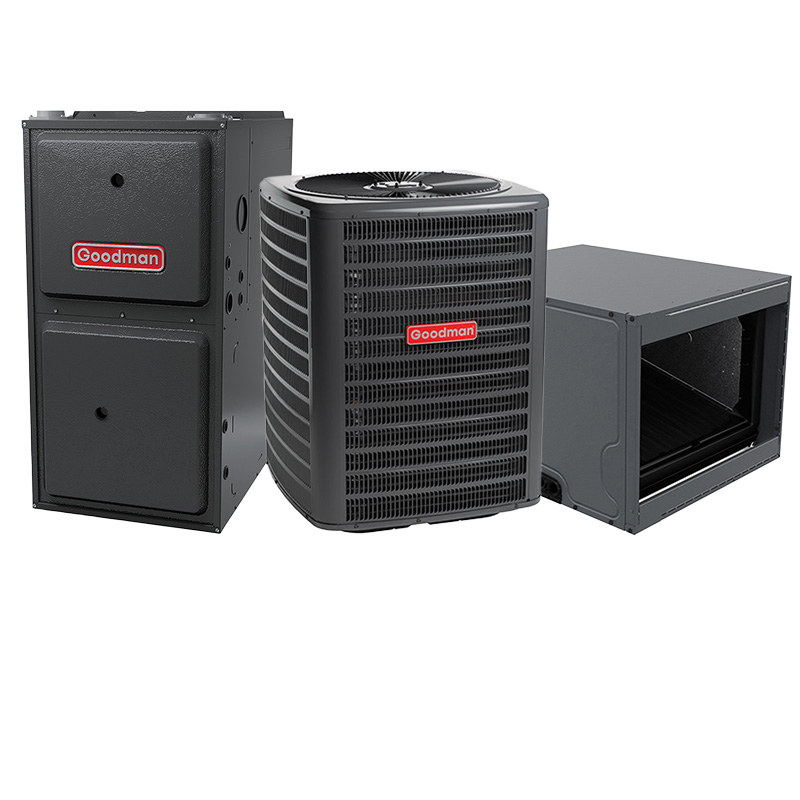
Goodman Furnace And AC – 2 Ton 15.2 SEER2 AC With 60000 BTU 96% AFUE Two Stage Multi-Speed ECM Gas Furnace System – Horizontal | R32
View on AC Direct see your lowest price →Check current price on AC Direct →
Key features
- 15.2 SEER2 cooling efficiency meets federal standards with room above the minimum
- 96% AFUE two-stage gas furnace for consistent heat and reduced fuel waste
- Multi-speed ECM blower motor lowers electricity draw and supports zoning
- Horizontal configuration designed for attic, crawlspace, or side-load installs
- R-32 refrigerant with lower global-warming potential than R-410A
- 2-ton capacity suited to smaller homes or individual zones roughly 800 to 1,100 sq ft depending on climate and insulation
About this system
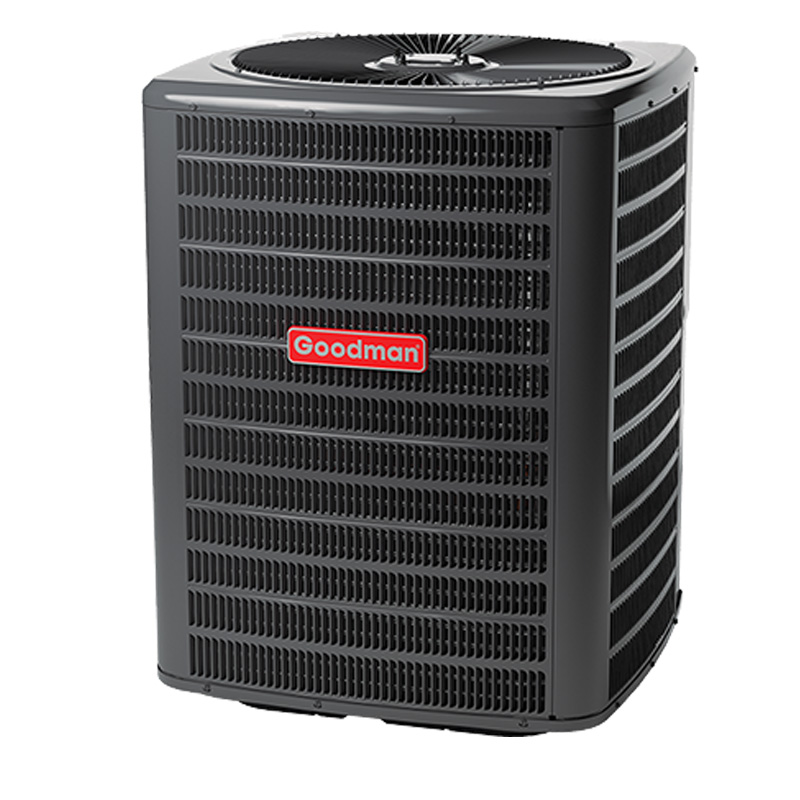
This Goodman combination system pairs a 2-ton, 15.2 SEER2 air conditioner with a 60,000 BTU, 96% AFUE two-stage gas furnace in a horizontal configuration, making it a practical choice for crawlspace, attic, or side-load applications where vertical installation is not an option. The R-32 refrigerant charge is a meaningful forward-looking detail: R-32 has a lower global-warming potential than the R-410A it replaces, and it is increasingly standard as the industry moves away from older refrigerants. At 15.2 SEER2, the cooling side clears the federal minimum for most U.S. climate zones with a modest efficiency buffer, not a top-tier rating but a reasonable one for a value-positioned package.
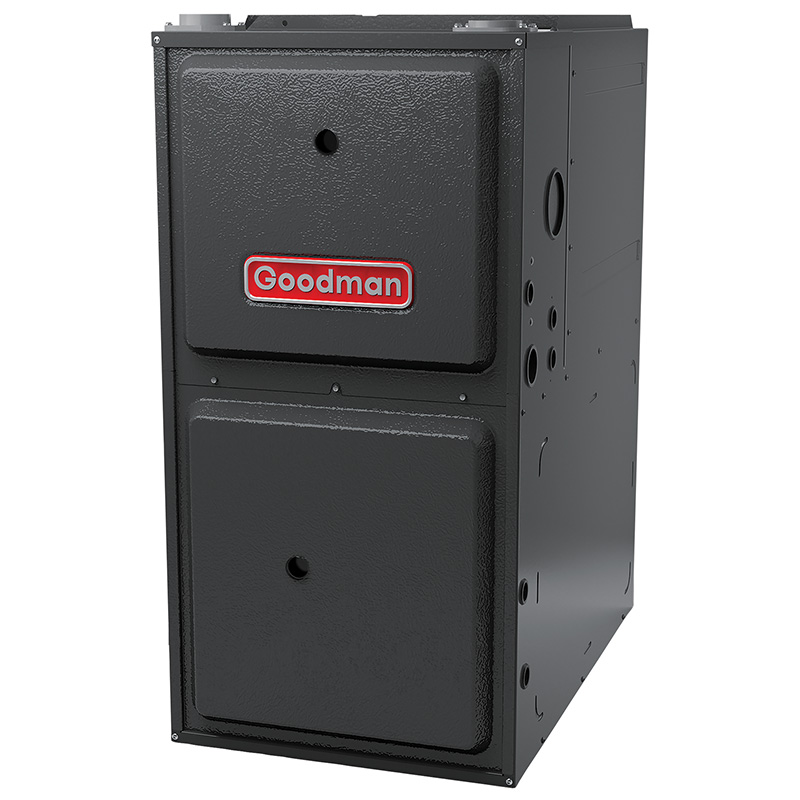
The two-stage furnace and multi-speed ECM blower are the standout specs here. Two-stage heating means the system runs on a lower fire most of the time, cycling up to full capacity only when temperatures drop sharply. That translates to more even heat distribution, less temperature swing between cycles, and quieter operation compared with single-stage alternatives. The ECM (electronically commutated motor) blower adjusts airflow continuously rather than running at one fixed speed, which reduces electricity consumption on the air-handler side and works well with zoning systems. A 96% AFUE rating means 96 cents of every dollar spent on gas becomes usable heat, putting this furnace in the upper efficiency tier without reaching the condensing-furnace premium of some competitors. This system suits budget-conscious homeowners in mild-to-moderate cooling climates who want above-entry-level comfort features without stepping up to a premium brand price.
This Goodman horizontal system delivers genuinely useful upgrades over entry-level equipment, specifically the two-stage furnace and ECM blower, at a price that typically runs 15 to 25 percent below comparable Carrier, Trane, and Lennox packages. The trade-off is a brand reliability record that is uneven past the seven-year mark, and a compressor lifespan that tends to fall shorter than premium competitors. Buyers who prioritize upfront cost savings and have a skilled installer available get solid value; those planning to stay in the home 15 or more years should weigh long-term service costs carefully.
Overall score is the average of the five ratings above.
What we like
- Priced 15 to 25 percent below comparable premium-brand systems, freeing budget for a quality installation
- Two-stage furnace operation reduces temperature swings and runs more quietly on low fire the majority of the time
- ECM blower motor meaningfully cuts electricity use compared with PSC motors in single-speed systems
- 96% AFUE furnace keeps fuel costs competitive with higher-priced equipment in the same efficiency class
- R-32 refrigerant is more environmentally responsible and is increasingly supported by the service industry going forward
Trade-offs
- Dual-run capacitors are the most commonly reported failure point and, while repairs run roughly 300 to 600 dollars, failures tend to cluster after year seven
- Evaporator coil leaks appear in a meaningful share of owner reviews, a repair that can run well beyond a simple capacitor swap
- Compressor lifespan averages 10 to 14 years based on documented experience, shorter than the 15 to 20 years more typical of premium brands
- Horizontal-only configuration limits installation flexibility and typically requires a more experienced technician to set up correctly, adding to labor cost
What homeowners and pros say about Goodman
On Google dealer review pages, where ratings for Goodman installers cluster around 3.8 out of 5, the most consistent praise is straightforward: buyers paid less than they would have for a Carrier or Trane system and the equipment cooled and heated the house as expected. That experience holds up well in the early years. On ConsumerAffairs, where the score sits at roughly 2.5 out of 5, the picture shifts noticeably, largely because that channel captures owners who sought out a place to register a complaint. The recurring pattern there is repair costs that begin climbing after about year seven, which aligns with the documented failure modes technicians see most often on Goodman equipment: dual-run capacitors that fail and cost 300 to 600 dollars to replace, evaporator coil leaks that show up in a meaningful share of owner reviews and carry a steeper repair bill, and compressors that tend to average 10 to 14 years rather than the 15 to 20 years more typical of premium brands.
HVAC technicians who work on Goodman equipment regularly tend to hold two views simultaneously: the components are serviceable and parts are widely stocked, which makes repairs reasonably straightforward, and the outcome for any given installation leans heavily on the quality of the install itself. A well-commissioned Goodman system with correctly sized refrigerant charge, proper airflow, and a sealed duct system will outperform a sloppily installed premium unit in almost every practical measure. For this particular system, the horizontal configuration adds a layer of complexity that rewards an experienced installer, and the R-32 refrigerant requires a technician with A2L handling certification for any future service. Buyers who treat the upfront savings as a budget to invest in a thorough installation and a maintenance plan tend to report better long-term outcomes than those who simply look for the lowest all-in price.
Sources: ConsumerAffairs Goodman owner reviews, AHRI Directory of Certified Product Performance, U.S. DOE appliance and equipment efficiency standards, Goodman product specification sheets.
What it costs to run
At 15.2 SEER2, cooling this 2-ton system for a typical 1200-hour cooling season at the U.S. average electricity rate of $0.17/kWh works out to roughly $322 per year in cooling, about $43 less per year than a minimum-efficiency 13.4 SEER2 unit of the same size. Your real cost depends on your climate and local rate.
Method: (24,000 BTU/hr ÷ 15.2 SEER2) × 1200 hours ÷ 1000 × $0.17/kWh. Rate source: U.S. EIA average; cooling hours: moderate-climate estimate.
How it compares
| Brand | Comparable model | SEER2 | Stage | Price position |
|---|---|---|---|---|
| Goodman | 2-Ton 15.2 SEER2 AC / 60K BTU 96% AFUE Two-Stage ECM Horizontal | 15.2 | Two-stage | Value pick |
| Carrier | Performance 15 Series (24ACC6) | 15+ | Single-stage | Typically 15 to 25 percent more than this Goodman system |
| Trane | XR15 Series | 15+ | Single-stage | Typically 15 to 25 percent more than this Goodman system |
| Lennox | Merit 14ACX / ML14XC1 Series | ~15 | Single-stage | Typically 15 to 25 percent more than this Goodman system |
Competitor rows are comparable single-stage units at similar efficiency; price is relative position, not a quote.
Questions about this system
What does the horizontal configuration actually mean, and does it add installation cost?
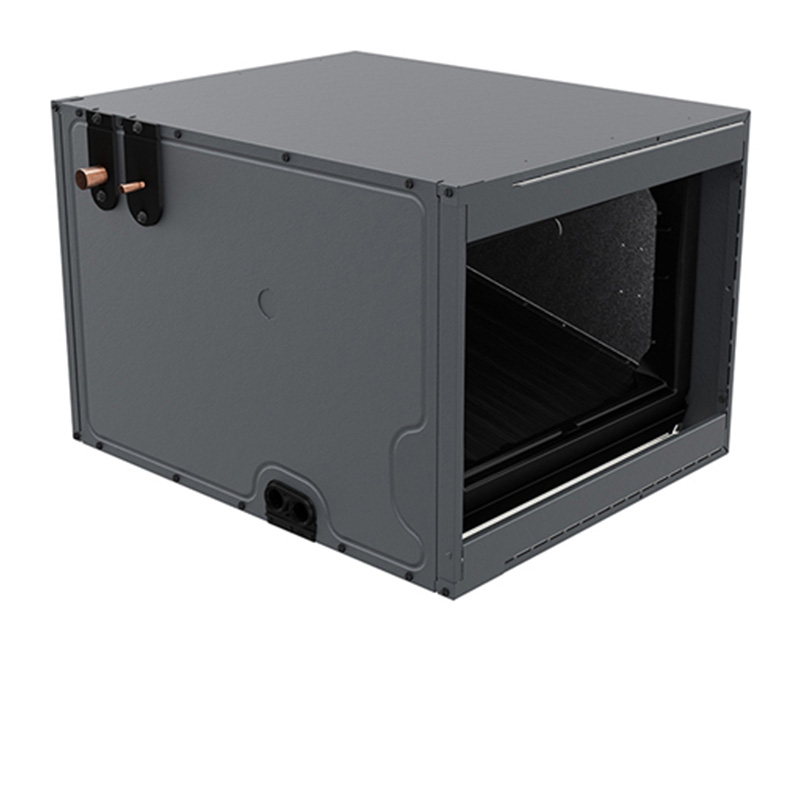
Horizontal means the air handler is designed to lie on its side, which is required for attic platforms, crawlspaces, and some utility closet layouts where vertical units will not fit. It does not mean the system cannot perform well, but horizontal installs generally take more labor time to set up correctly, and condensate drainage requires careful attention to avoid water damage. Expect labor costs to run somewhat higher than a straightforward vertical installation.
Is R-32 refrigerant harder or more expensive to service than R-410A?
R-32 is becoming more common as the industry phases down R-410A, and most certified technicians in urban and suburban markets are equipped to handle it. It is mildly flammable, which requires A2L-rated handling procedures, so confirm your service contractor is trained for R-32 work before scheduling maintenance or repairs.
How does the two-stage furnace actually affect my comfort and energy bill compared to a single-stage unit?
A two-stage furnace runs at a lower capacity, typically around 65 to 70 percent, the majority of the time and only fires at full capacity when outdoor temperatures drop sharply or a large heat call is needed. This means fewer abrupt on-off cycles, more even temperatures room to room, and somewhat lower gas consumption on milder days. The ECM blower compounds the savings by adjusting airflow rather than running at one fixed speed.
What are the most likely repair costs I should budget for over the first ten years?
Dual-run capacitor replacement is the single most commonly reported repair for Goodman equipment and typically runs 300 to 600 dollars including labor. Evaporator coil leaks are documented in a meaningful share of owner reviews and can cost considerably more depending on parts and refrigerant. Setting aside a service fund starting around year five is a reasonable precaution.
Does Goodman's warranty on this system require professional installation, and what does it actually cover?
Yes, Goodman requires installation by a licensed HVAC contractor and registration within a set window after installation to activate the full warranty terms. The warranty on parts is typically ten years when properly registered, but it generally covers parts only, not labor, so a compressor failure outside a labor warranty from your installer can still result in a meaningful out-of-pocket cost. Read the warranty certificate for this specific model before purchase to confirm current terms.
Specifications
| Cooling capacity | 2 Ton |
| Efficiency | 15.2 SEER2 |
| Furnace output | 60000 BTU |
| Furnace efficiency | 96% AFUE |
| Configuration | Horizontal |
| Refrigerant | R-32 |