Goodman Furnace And AC – 3.5 Ton 14.5 SEER2 AC With 80000 BTU 96% AFUE Two Stage Multi-Speed ECM Gas Furnace System – Horizontal | R32
View on AC Direct see your lowest price →Check current price on AC Direct →
Key features
- 3.5-ton cooling capacity matched to an 80,000 BTU heating output for mid-sized homes
- 14.5 SEER2 cooling efficiency meets current federal minimum standards with moderate operating cost savings
- 96% AFUE two-stage gas furnace reduces fuel waste and delivers more consistent indoor temperatures
- Multi-speed ECM blower motor cuts blower electricity use compared to standard PSC motors
- R-32 refrigerant offers lower global-warming potential than legacy R-410A
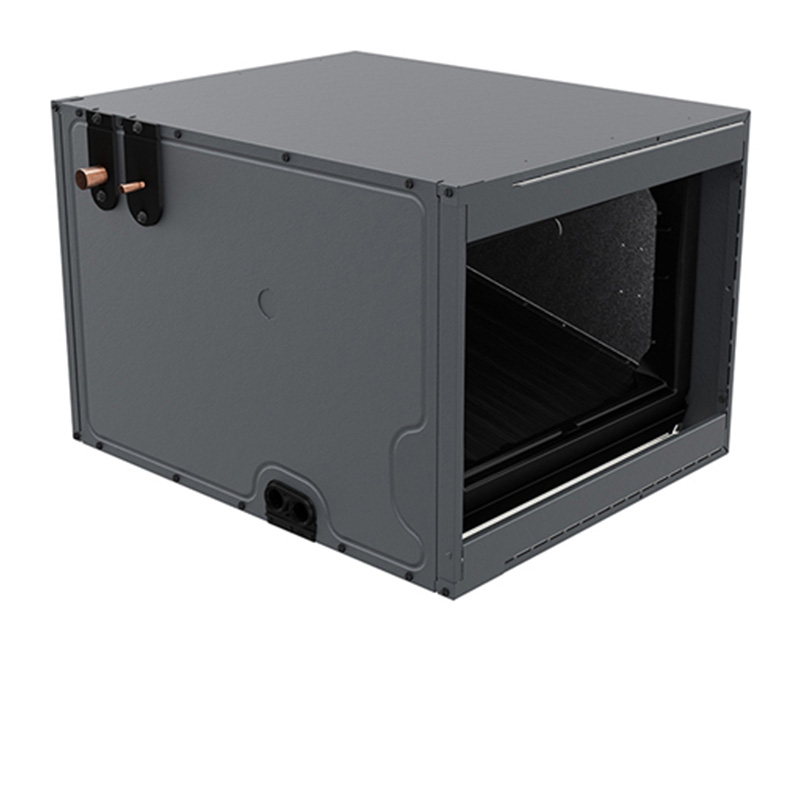
- Horizontal cabinet configuration designed for attic, crawlspace, or side-discharge installations
About this system
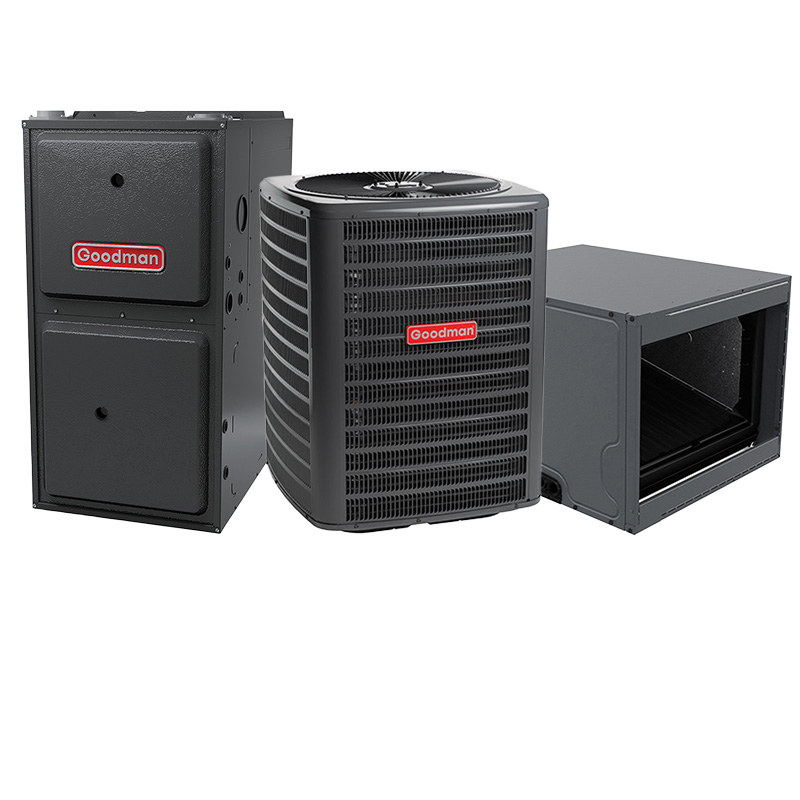
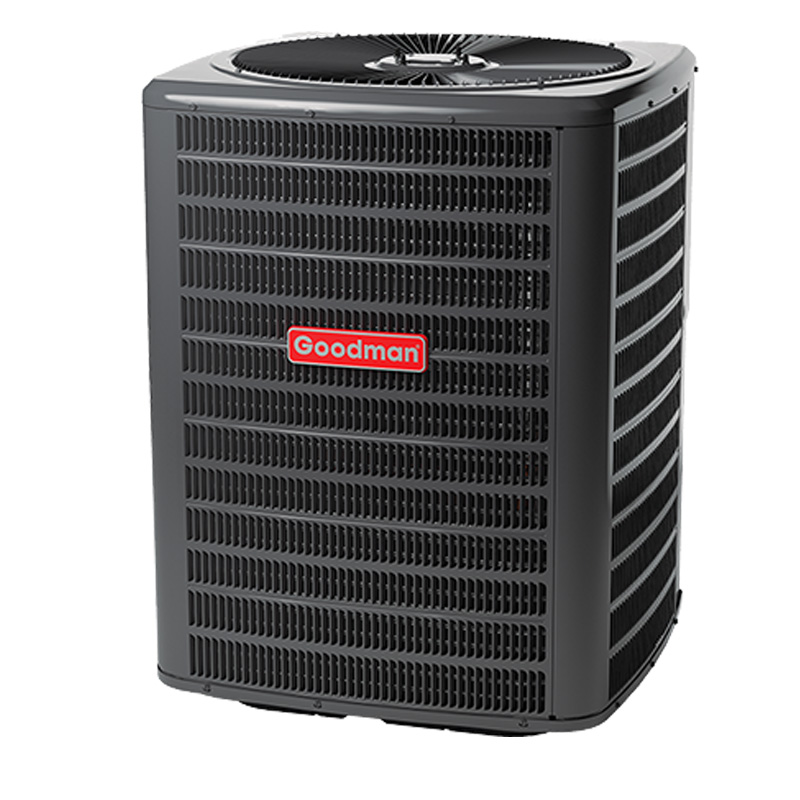
This Goodman bundle pairs a 3.5-ton, 14.5 SEER2 central air conditioner with an 80,000 BTU, 96% AFUE two-stage gas furnace in a horizontal configuration, making it a practical choice for homes with attic or crawlspace installations where vertical cabinet access is limited. The R-32 refrigerant charge is a forward-looking detail: R-32 carries a lower global-warming potential than the R-410A it is gradually replacing, and its higher energy density can support slightly better heat transfer efficiency at the same capacity.
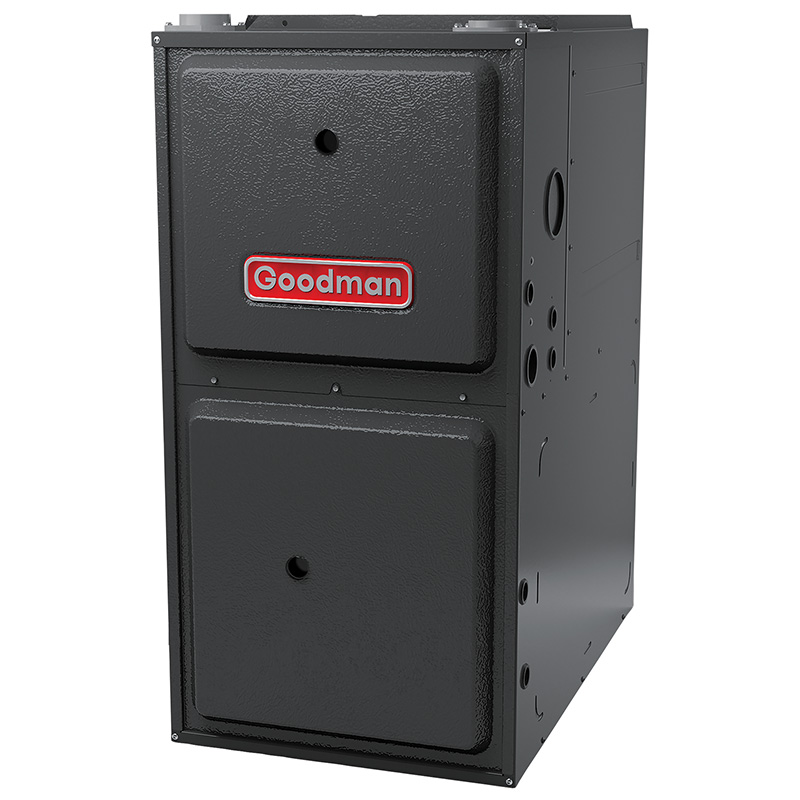
The two-stage furnace is the standout spec here. Running on low fire the majority of the time, it cycles less aggressively than a single-stage unit, which means steadier temperatures, quieter operation, and less stress on the heat exchanger over time. The multi-speed ECM blower motor reinforces that: ECM motors consume significantly less electricity than standard PSC motors and allow the system to ramp airflow to match demand rather than blasting on and off at full speed. At 96% AFUE, only 4 cents of every fuel dollar escapes unburned, which puts this furnace solidly in the condensing-efficiency tier.
The system suits mid-sized homes in the 1,800 to 2,400 square foot range in mixed or colder climates, particularly buyers who want a meaningful efficiency upgrade over builder-grade equipment without paying Trane or Carrier prices. The horizontal cabinet orientation does add installation complexity compared to an upflow unit, and this system rewards a thorough Manual J load calculation and a careful startup charge verification more than most, given Goodman’s documented sensitivity to install quality.
This Goodman system delivers a genuinely capable two-stage, high-efficiency package at a price point that undercuts comparable Carrier, Trane, and Lennox configurations by 15 to 25 percent. The trade-off is a brand whose long-term reliability record is mixed, with compressor longevity and coil durability running below premium-brand averages. Buyers who prioritize upfront cost savings and are comfortable with the possibility of earlier component replacements will find real value here; buyers who want to install and forget for 18-plus years should look harder at the premium tier.
Overall score is the average of the five ratings above.
What we like
- Two-stage furnace operation provides steadier heat and quieter cycling compared to single-stage alternatives
- 96% AFUE puts this in the top efficiency tier for gas furnaces, meaningfully lowering heating bills in cold climates
- ECM blower motor reduces annual electricity consumption for air circulation
- R-32 refrigerant is a future-oriented choice as R-410A supply and pricing tighten
- Price point is 15 to 25 percent below comparable Trane, Lennox, and Carrier systems, leaving room in the budget for a quality installation
Trade-offs
- Dual-run capacitors are the most commonly reported failure component and, while a relatively inexpensive fix, signal a pattern of early wear in some units
- Evaporator coil leaks appear in a meaningful share of owner reviews, which can mean refrigerant loss and costly repairs outside the parts-warranty window
- Compressor lifespan averages 10 to 14 years versus 15 to 20 years for premium brands, so long-term ownership cost can close the initial price gap
- Horizontal configuration adds installation complexity; a careless startup or an imprecise refrigerant charge is more consequential on this platform than on a standard upflow unit
What homeowners and pros say about Goodman
Homeowners who follow Goodman systems online tend to split into two camps: those who got a clean install and have run the equipment for a decade without incident, and those who hit component failures in years 7 to 10 and found the repair bills frustrating relative to what they paid upfront. On ConsumerAffairs, Goodman carries roughly a 2.5 out of 5 score, a channel that skews toward complaints, but the recurring theme of rising repair costs after year 7 lines up with the documented failure patterns: dual-run capacitors going out (typically a $300 to $600 fix, but annoying), evaporator coil leaks showing up in a meaningful share of units, and compressor lifespans that tend to fall in the 10 to 14 year range rather than the 15 to 20 years owners of premium brands often report. Google dealer reviews tell a more balanced story, averaging around 3.8 out of 5, where affordability and competitive pricing are consistently the top praise.
HVAC technicians who work on Goodman equipment regularly make a point that applies directly to this horizontal two-stage system: installation quality matters more with Goodman than with premium brands, which tend to tolerate more variation in startup conditions. A precise refrigerant charge is especially critical on an R-32 system, since R-32 operates at different pressure-temperature relationships than R-410A and requires a technician who has verified their familiarity with it. A minority of owners report refrigerant leaks within the first year, and most technicians attribute those to charging errors or fitting issues at install rather than to defective components. For this specific system, the horizontal cabinet adds another layer of install complexity. The two-stage furnace and ECM blower are genuine strengths that owners notice in comfort and utility bills; the question is whether those gains hold up past year 10, and the honest answer based on Goodman’s track record is: they might, but less reliably than on a premium-brand alternative.
Sources: ConsumerAffairs Goodman owner reviews, AHRI Directory of Certified Product Performance, U.S. DOE appliance and equipment efficiency standards, Goodman product specification sheets.
What it costs to run
At 14.5 SEER2, cooling this 3.5-ton system for a typical 1200-hour cooling season at the U.S. average electricity rate of $0.17/kWh works out to roughly $591 per year in cooling, about $48 less per year than a minimum-efficiency 13.4 SEER2 unit of the same size. Your real cost depends on your climate and local rate.
Method: (42,000 BTU/hr ÷ 14.5 SEER2) × 1200 hours ÷ 1000 × $0.17/kWh. Rate source: U.S. EIA average; cooling hours: moderate-climate estimate.
How it compares
| Brand | Comparable model | SEER2 | Stage | Price position |
|---|---|---|---|---|
| Goodman | GSXH5 / GMVC96 Series (this system) | 14.5 | two-stage | Value pick |
| Carrier | Comfort 14 / 58CVA Series | 14.3-15.2 | single-stage / two-stage | Typically 15 to 25 percent more than this Goodman system |
| Trane | XR14 / S9V2 Series | 14.3-15.0 | single-stage / two-stage | Typically 15 to 25 percent more than this Goodman system |
| Lennox | Merit 14 / ML196 Series | 14.3-15.1 | single-stage / two-stage | Typically 15 to 25 percent more than this Goodman system |
Competitor rows are comparable single-stage units at similar efficiency; price is relative position, not a quote.
Questions about this system
Why does the horizontal configuration cost more to install than a standard upflow furnace?
Horizontal installs typically require additional support framing, a secondary condensate drain pan, and more careful attention to flue and refrigerant line routing in tight attic or crawlspace spaces. Most HVAC contractors charge more labor hours for horizontal work, and any future service calls in a confined space add to that cost over time.
What does R-32 refrigerant mean for me as a homeowner?
R-32 is gradually replacing R-410A in new residential equipment because it has a lower environmental impact and is more energy-dense. As a homeowner, the practical difference is minimal today, but R-32 equipment should remain serviceable and have accessible refrigerant supplies well into the future as R-410A is phased down under current regulations.
How much will I actually save with a 96% AFUE furnace compared to an 80% unit?
In rough terms, upgrading from 80% to 96% AFUE means roughly 16 fewer cents wasted per dollar of gas burned. On a $1,200 annual heating bill, that could represent $150 to $200 in annual savings, though actual results depend on local gas prices, climate, and how well the system is sized and sealed.
Goodman has mixed reviews online. Should I be worried about reliability on this specific system?
The concern is real and worth factoring in. Goodman's ConsumerAffairs score sits around 2.5 out of 5, with repair cost complaints clustering after year 7, and documented failure patterns include dual-run capacitors, evaporator coil leaks, and compressor lifespans that run shorter than premium brands. Choosing an experienced installer and purchasing an extended labor warranty are the two most practical steps to offset this risk.
Does Goodman's warranty cover labor costs if something fails?
Goodman's standard warranty covers parts only, not labor. Since labor on a coil replacement or compressor swap can easily exceed the part cost, many buyers add a third-party extended labor warranty at purchase. Read the warranty terms carefully, as registration deadlines and installation-by-licensed-contractor requirements apply.
Specifications
| Cooling capacity | 3.5 Ton |
| Efficiency | 14.5 SEER2 |
| Furnace output | 80000 BTU |
| Furnace efficiency | 96% AFUE |
| Configuration | Horizontal |
| Refrigerant | R-32 |