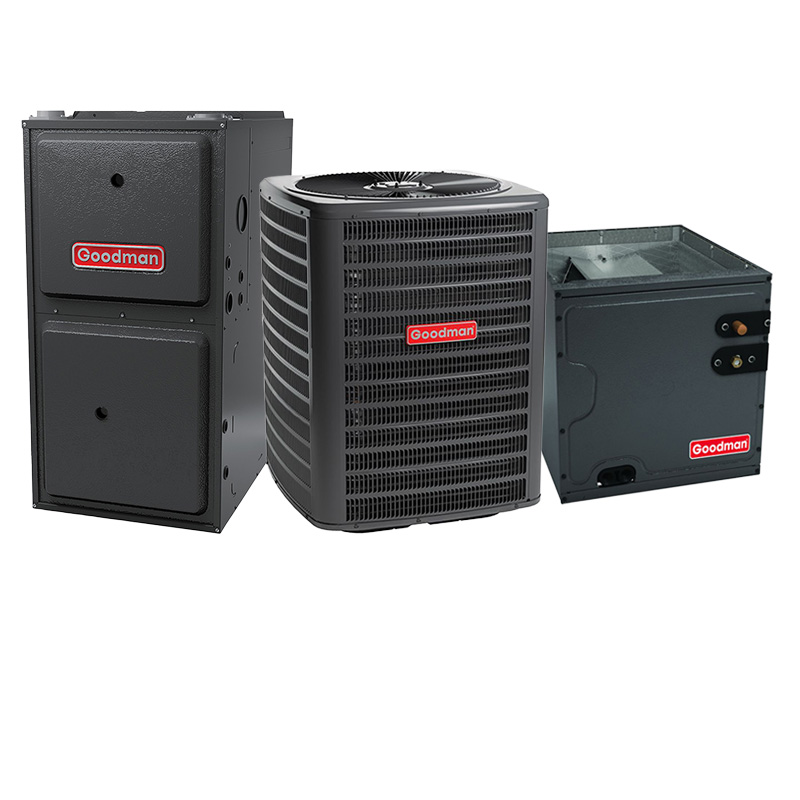
Goodman Furnace And AC – 3.5 Ton 15.2 SEER2 AC With 120000 BTU 96% AFUE Two Stage Multi-Speed ECM Gas Furnace System – Upflow | R32
View on AC Direct see your lowest price →Check current price on AC Direct →
Key features
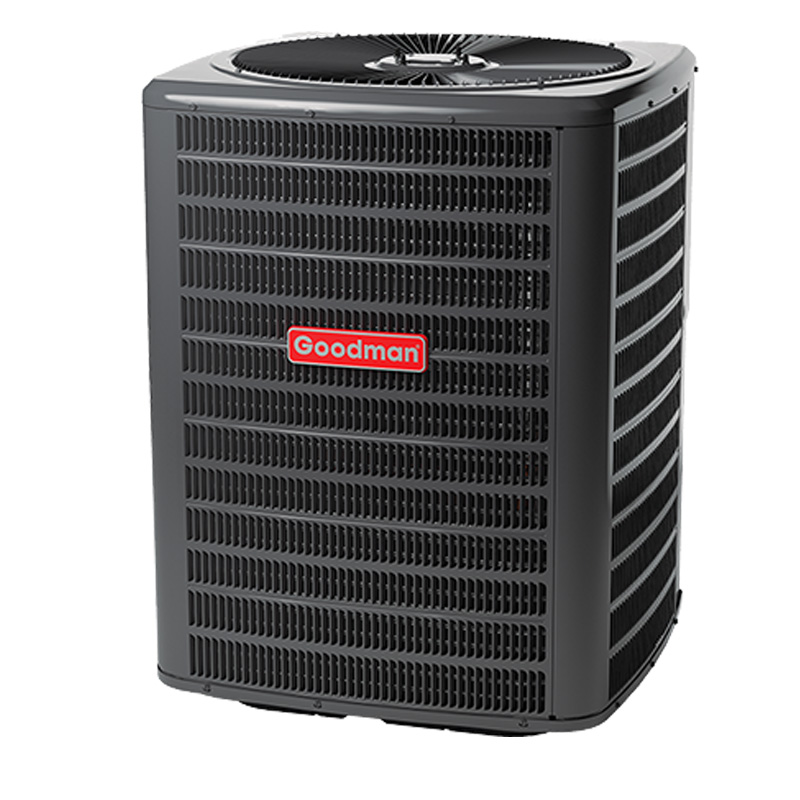
- 3.5-ton, 15.2 SEER2 central AC using R-32 refrigerant for lower environmental impact
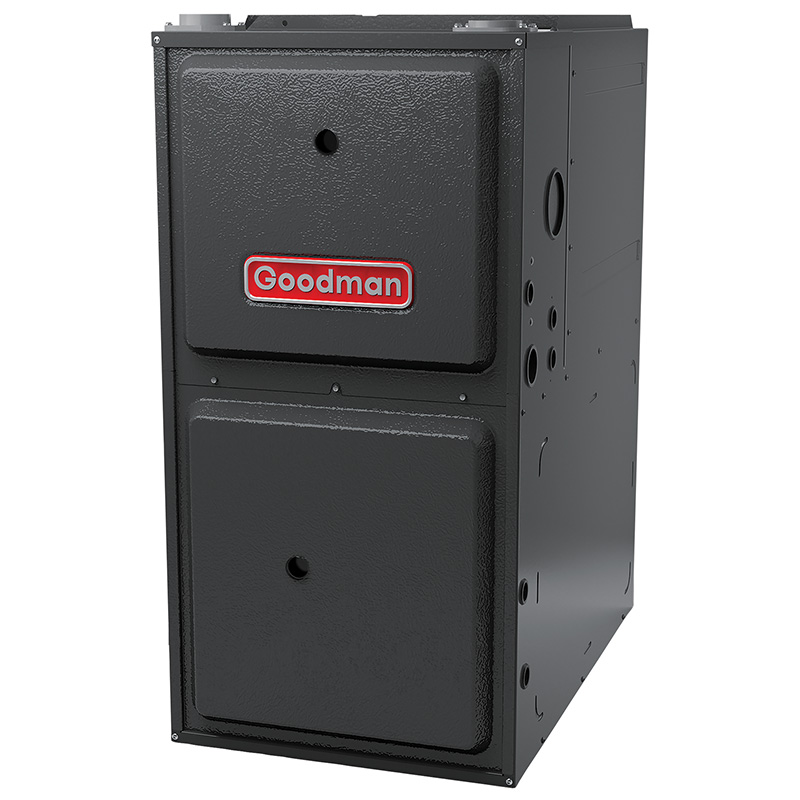
- 120,000 BTU two-stage gas furnace with 96% AFUE high-efficiency rating
- Multi-speed ECM blower motor reduces electrical consumption and improves airflow consistency
- Upflow cabinet orientation suits basement and closet installations with overhead ductwork
- Two-stage heating operation lowers temperature swings and reduces short-cycling in mild weather
- R-32 refrigerant is compatible with evolving EPA regulations as R-410A is phased down
About this system
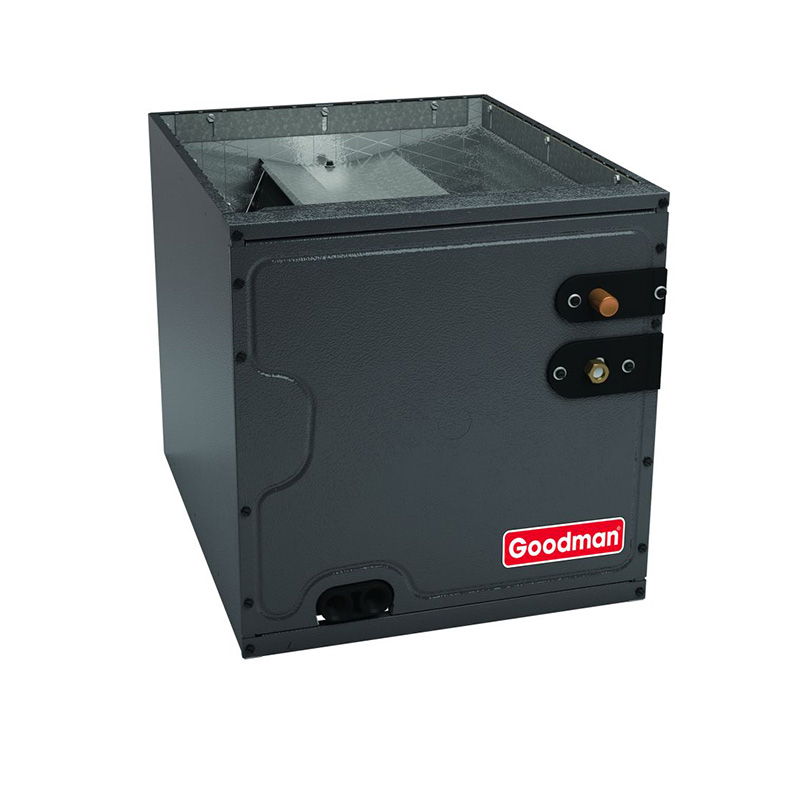
This Goodman bundle pairs a 3.5-ton, 15.2 SEER2 air conditioner with a 120,000 BTU, 96% AFUE two-stage gas furnace in an upflow configuration, making it a practical choice for larger homes in the 2,000 to 2,800 square foot range that need serious heating capacity alongside solid cooling efficiency. The R-32 refrigerant charge is a forward-looking detail: R-32 has a lower global warming potential than the R-410A it replaces and is increasingly the industry standard as older refrigerants are phased out. Buyers who lock in now avoid the refrigerant-transition headaches that older R-22 and R-410A systems will eventually bring.
The two-stage furnace and multi-speed ECM blower motor are the standout specs here. Two-stage heating means the furnace runs at a lower capacity during mild weather and steps up only when the cold demands it, which keeps temperature swings smaller, reduces short-cycling, and trims gas bills compared with a single-stage unit at the same AFUE rating. The ECM motor adjusts airflow continuously rather than running at full blast or nothing, which also cuts electrical draw at the air handler and improves comfort in rooms farthest from the unit. At 96% AFUE, nearly all of the fuel you pay for becomes heat, putting this furnace solidly in the high-efficiency tier without reaching the complexity or cost of a 98% modulating model.
The upflow configuration means warm and cool air exits the top of the furnace cabinet and travels up through ductwork, which suits homes where the furnace sits in a basement or utility room with ducts running overhead. This is one of the most common residential arrangements, but confirming your duct layout before ordering is essential since converting a different configuration later adds labor cost. Paired together, these two units suit budget-minded homeowners in climates with genuine winters who want meaningful efficiency without the price of a premium brand name.
This Goodman bundle delivers genuinely high-efficiency specs at a price point that typically undercuts Trane, Lennox, and Carrier by 15 to 25 percent, making the upfront math compelling for budget-focused buyers. The two-stage furnace and ECM blower are real comfort upgrades over single-stage alternatives at this price. However, Goodman's documented reliability history, particularly around evaporator coil leaks and compressor longevity that trails premium brands, means your long-term satisfaction will depend heavily on who installs it and how well you maintain it.
Overall score is the average of the five ratings above.
What we like
- 96% AFUE and 15.2 SEER2 together put this system in the high-efficiency tier for both heating and cooling
- Two-stage furnace operation improves comfort and reduces energy waste during moderate weather
- ECM blower motor lowers electricity use at the air handler compared with PSC motors
- R-32 refrigerant positions the system well for evolving refrigerant regulations
- Purchase price typically runs 15 to 25 percent below comparable Carrier, Trane, and Lennox systems
Trade-offs
- Dual-run capacitors are the most frequently reported failure point, typically requiring a 300 to 600 dollar repair
- Evaporator coil leaks appear in a meaningful share of owner reports and can be expensive to address
- Compressor lifespan averages 10 to 14 years versus 15 to 20 for premium-brand compressors
- A minority of owners report refrigerant leaks in year one, most often tied to installation quality rather than a factory defect
What homeowners and pros say about Goodman
Homeowners who share feedback on Goodman equipment tend to land in two camps: those who got a clean installation from a skilled contractor and report years of trouble-free operation, and those who ran into problems early and faced repair bills that eroded the upfront savings quickly. On ConsumerAffairs, Goodman scores around 2.5 out of 5, a channel where unhappy owners are more likely to write than satisfied ones, and the recurring complaint after roughly year seven is climbing repair costs. Google dealer reviews tell a more balanced story, averaging around 3.8 out of 5 across locations with a few hundred reviews each, where the most common praise centers on affordability rather than premium build feel.
HVAC technicians who work on Goodman units regularly point to dual-run capacitors as the system’s most predictable weak point, a failure that typically costs 300 to 600 dollars to fix and is not unique to Goodman but does show up frequently in service logs. Evaporator coil leaks are a more serious documented issue that appears in owner reports and can require costly repair or coil replacement. On the cooling side, compressor lifespan tends to fall in the 10 to 14 year range for Goodman equipment, which is shorter than the 15 to 20 years that premium-brand compressors regularly achieve. For this specific two-stage, 96% AFUE bundle, the higher-spec furnace and ECM blower give it more capability than a basic Goodman entry-level system, but the brand’s overall reliability profile still applies. Pros consistently say a quality install and annual maintenance close much of the gap between Goodman and pricier alternatives.
Sources: ConsumerAffairs Goodman owner reviews, AHRI Directory of Certified Product Performance, U.S. DOE appliance and equipment efficiency standards, Goodman product specification sheets.
What it costs to run
At 15.2 SEER2, cooling this 3.5-ton system for a typical 1200-hour cooling season at the U.S. average electricity rate of $0.17/kWh works out to roughly $564 per year in cooling, about $75 less per year than a minimum-efficiency 13.4 SEER2 unit of the same size. Your real cost depends on your climate and local rate.
Method: (42,000 BTU/hr ÷ 15.2 SEER2) × 1200 hours ÷ 1000 × $0.17/kWh. Rate source: U.S. EIA average; cooling hours: moderate-climate estimate.
How it compares
| Brand | Comparable model | SEER2 | Stage | Price position |
|---|---|---|---|---|
| Goodman | GSXH5 / GMVC9 Series Bundle | 15.2 | Two-stage | Value pick |
| Carrier | Comfort 16 (24ACC6) with 58MVC Gas Furnace | 15.2 to 16.0 | Two-stage | Typically 15 to 25 percent more than this Goodman bundle |
| Trane | XR15 (4TTR5) with S9X2 Gas Furnace | 15.0 to 15.5 | Two-stage | Typically 15 to 25 percent more than this Goodman bundle |
| Lennox | Merit ML15XC1 with ML196V Gas Furnace | 15.0 to 15.5 | Two-stage | Typically 15 to 25 percent more than this Goodman bundle |
Competitor rows are comparable single-stage units at similar efficiency; price is relative position, not a quote.
Questions about this system
Is 120,000 BTU too much furnace for my home if I only need 3.5 tons of cooling?
Possibly, and it is worth having a Manual J heat load calculation done before purchasing. Oversized furnaces short-cycle, which wears equipment faster and leaves humidity uncontrolled. The two-stage operation helps by letting the furnace run at lower capacity most of the time, but a furnace that is significantly oversized for the structure will still cycle too quickly even on low stage.
What does switching to R-32 refrigerant mean for me as a homeowner?
R-32 has a lower global warming potential than R-410A and is part of the industry's transition away from higher-impact refrigerants. For day-to-day ownership it means your system is well-positioned as regulations tighten, and R-32 refrigerant availability is growing. One practical note: R-32 requires technicians with specific handling certification, so confirm your service contractor works with it before scheduling maintenance.
How important is installer quality for a Goodman system specifically?
Critically important. Technicians who work on Goodman equipment consistently cite installation quality as the single largest factor in how long the system lasts and how few problems arise. The refrigerant leaks some owners report in the first year are most often traced to improper charging or connection issues at install, not factory defects. Choosing a licensed, experienced contractor and verifying they perform a proper startup checklist matters as much as the equipment itself.
What are the most common repairs I should budget for over the life of this system?
Dual-run capacitors on the AC side are the most frequently reported failure, and the repair typically runs 300 to 600 dollars, making it one of the more manageable service calls. Evaporator coil leaks are a more serious concern that shows up in owner reports and can cost significantly more to address. Setting aside a modest annual maintenance budget and scheduling yearly tune-ups helps catch small issues before they escalate.
Will this upflow furnace work if my current system is a downflow or horizontal unit?
No, not without significant modification to your ductwork and possibly your equipment platform. Upflow means conditioned air exits the top of the cabinet, which requires ducts to run above the unit. If your existing system is downflow or horizontal, you would need a matching configuration or a complete duct redesign, which adds meaningful labor cost. Verify your current setup with a contractor before ordering.
Specifications
| Cooling capacity | 3.5 Ton |
| Efficiency | 15.2 SEER2 |
| Furnace output | 120000 BTU |
| Furnace efficiency | 96% AFUE |
| Configuration | Upflow |
| Refrigerant | R-32 |