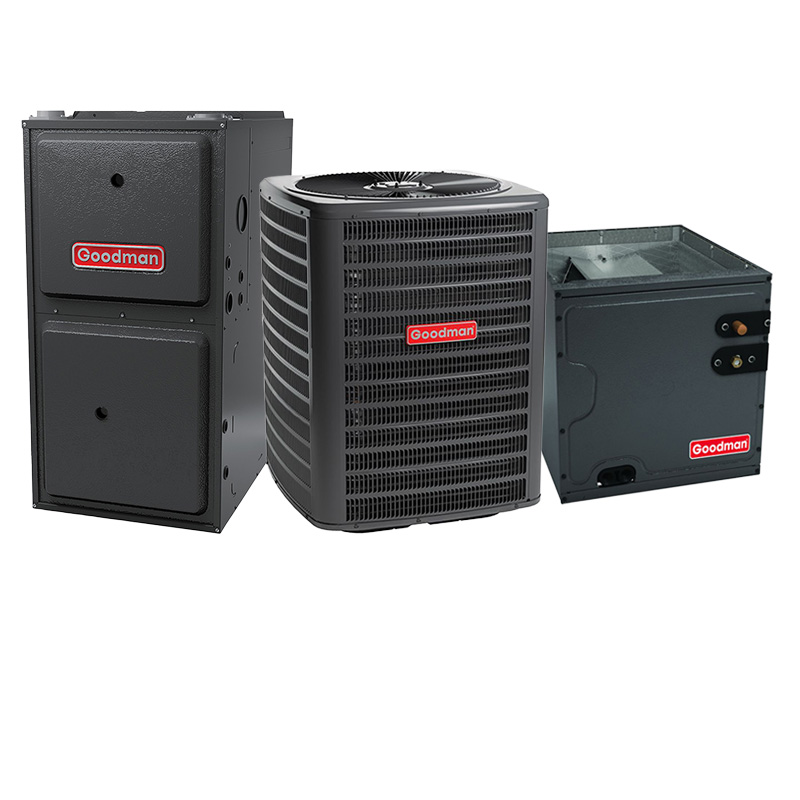
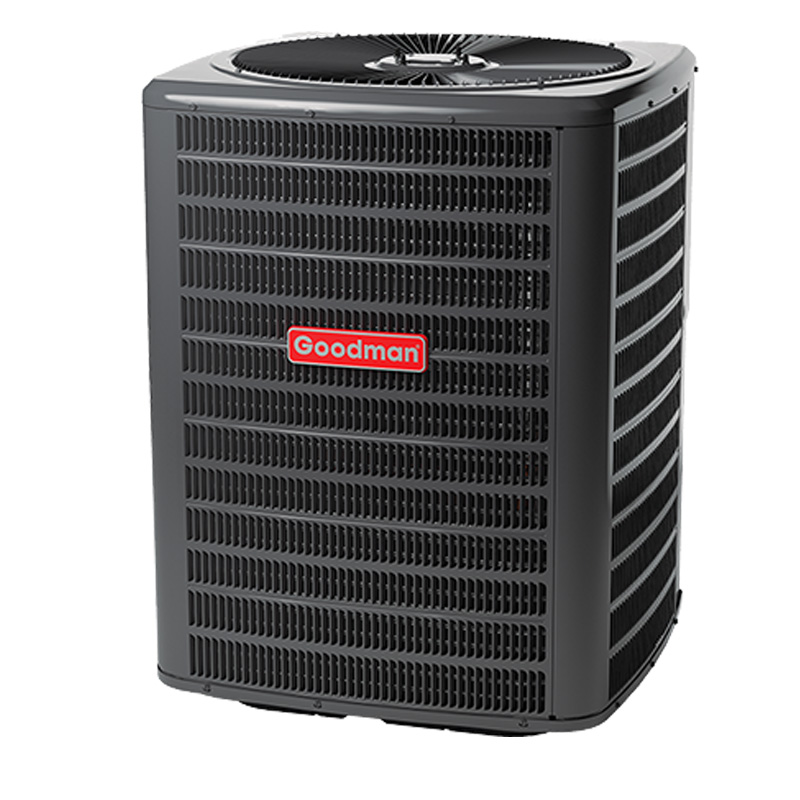
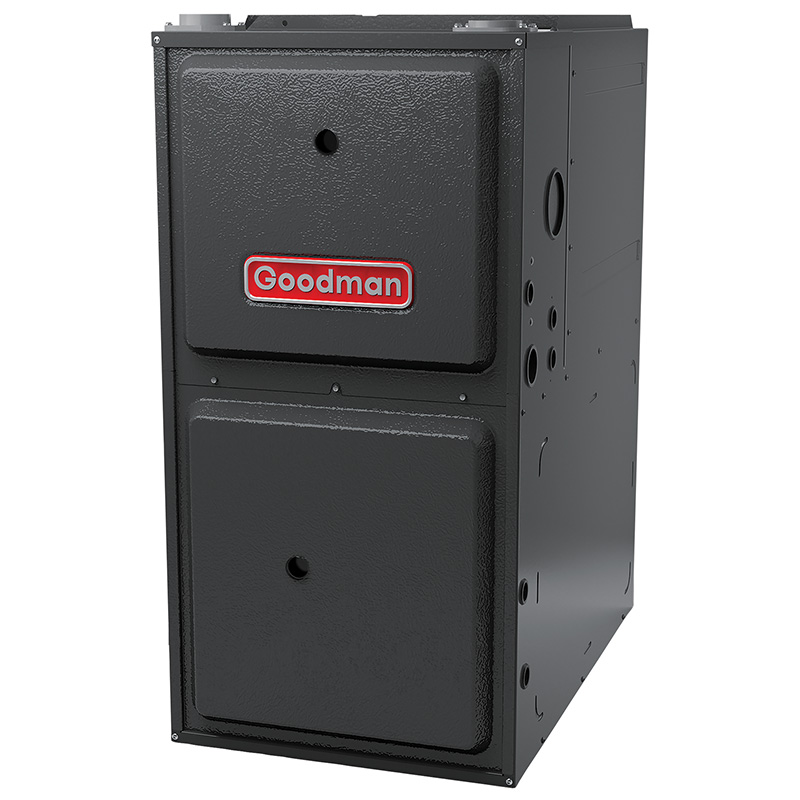
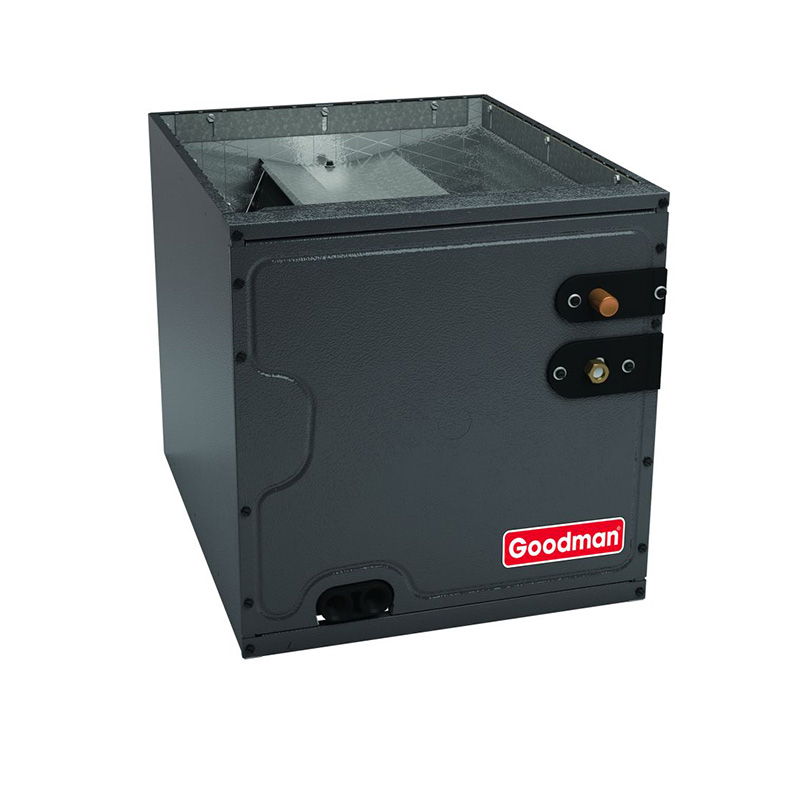
Goodman Furnace And AC – 3 Ton 15.2 SEER2 AC With 80000 BTU 96% AFUE Two Stage Multi-Speed ECM Gas Furnace System – Upflow | R32
View on AC Direct see your lowest price →Check current price on AC Direct →
Key features
- 3-ton cooling capacity with 15.2 SEER2 efficiency rating
- 80,000 BTU two-stage gas furnace at 96% AFUE
- Multi-speed ECM blower motor for quieter, lower-energy operation
- Upflow configuration for basement or crawl-space duct systems
- R-32 refrigerant with lower global warming potential than R-410A
- Two-stage heating reduces temperature swings and short-cycling
About this system
This Goodman bundle pairs a 3-ton, 15.2 SEER2 air conditioner with an 80,000 BTU, 96% AFUE two-stage gas furnace in an upflow configuration, making it a practical choice for homes in the 1,400 to 2,000 square foot range that need reliable year-round comfort without the price tag of a premium brand. The 96% AFUE rating means only 4 cents of every dollar spent on gas escapes as waste heat, which is a meaningful efficiency step above the 80% AFUE systems still common in older homes. The two-stage furnace operation is a real-world benefit: on moderate days the system runs on low fire, extending run times, smoothing out temperature swings, and reducing the on-off cycling that accelerates wear.
On the cooling side, 15.2 SEER2 clears the federal minimum for most regions with a small buffer to spare, so it is not a high-efficiency standout, but it is honest, code-compliant performance. The multi-speed ECM blower motor is worth noting because it draws significantly less electricity than a standard PSC motor, adds to system efficiency, and handles variable airflow demands without the noise spikes of a single-speed unit. This system also uses R-32 refrigerant, which has a lower global warming potential than the R-410A it replaces and is becoming the new industry standard, so sourcing refrigerant for service calls should stay straightforward for years ahead.
Upflow configuration means the furnace pulls return air from the bottom and sends conditioned air upward, suiting homes with a basement or crawl space where ductwork runs above the unit. Goodman prices this bundle roughly 15 to 25 percent below comparable Trane, Lennox, or Carrier equipment, which is its core value proposition. That savings is real, but it comes with trade-offs in compressor longevity and support experience that buyers should weigh before purchasing.
This Goodman bundle delivers genuinely good specs at a price point that premium brands cannot match, and the two-stage furnace with ECM motor punches above the budget-brand label. The honest caveat is that compressor lifespan and post-year-7 repair costs are real concerns, and the system's long-term performance depends heavily on the quality of the installation.
Overall score is the average of the five ratings above.
What we like
- 96% AFUE furnace is among the most efficient gas heating options available at any price
- Two-stage heating meaningfully improves comfort and reduces energy waste on mild days
- ECM blower motor cuts fan electricity use compared to standard PSC motors
- R-32 refrigerant is future-ready and easier to service as R-410A phases out
- Priced 15 to 25 percent below Carrier, Trane, and Lennox bundles with similar specs
Trade-offs
- Compressor lifespan averages 10 to 14 years, shorter than the 15 to 20 years typical of premium brands
- Evaporator coil leaks appear in a notable share of owner reviews, a documented pattern
- Dual-run capacitor failures are the most common service call, typically after a few years of use
- ConsumerAffairs score of roughly 2.5 out of 5 reflects recurring complaints about repair costs climbing after year 7
What homeowners and pros say about Goodman
Goodman sits squarely in the value tier of the residential HVAC market, and owner feedback reflects both sides of that position. On Google dealer reviews, Goodman equipment consistently earns around 3.8 out of 5, where affordability is the word that shows up most often in positive comments. Homeowners who did their homework going in generally report satisfaction, especially when the installation was handled by an experienced contractor. HVAC technicians tend to echo that view: Goodman hardware is not the problem, they say, but a rushed or corner-cut install will surface issues faster on a value-brand unit than on a premium one, because the tolerances and build redundancy are slimmer.
The more cautionary picture comes from ConsumerAffairs, where Goodman scores roughly 2.5 out of 5. That platform attracts frustrated owners disproportionately, so the score is not a straight average of all owners, but the recurring theme in the complaints is specific and worth taking seriously: repair costs that climb noticeably after roughly year 7. The two most cited failure modes match what technicians see in the field. Dual-run capacitors are the most frequently replaced component, a relatively inexpensive fix but an annoying one when it happens repeatedly. Evaporator coil leaks appear in a meaningful share of reviews and are a more disruptive repair. Compressor longevity is also a documented gap: Goodman compressors tend to average 10 to 14 years in service, while premium brands routinely hit 15 to 20. For this specific two-stage system with an ECM motor, the added mechanical complexity means there are more components to maintain, but the two-stage operation also means less hard starts and thermal stress over the life of the unit, which can partially offset that concern.
Sources: ConsumerAffairs Goodman owner reviews, AHRI Directory of Certified Product Performance, U.S. DOE appliance and equipment efficiency standards, Goodman product specification sheets.
What it costs to run
At 15.2 SEER2, cooling this 3-ton system for a typical 1200-hour cooling season at the U.S. average electricity rate of $0.17/kWh works out to roughly $483 per year in cooling, about $65 less per year than a minimum-efficiency 13.4 SEER2 unit of the same size. Your real cost depends on your climate and local rate.
Method: (36,000 BTU/hr ÷ 15.2 SEER2) × 1200 hours ÷ 1000 × $0.17/kWh. Rate source: U.S. EIA average; cooling hours: moderate-climate estimate.
How it compares
| Brand | Comparable model | SEER2 | Stage | Price position |
|---|---|---|---|---|
| Goodman | GSXH503610 + GMVC960803BN (this system) | 15.2 | two-stage | Value pick |
| Carrier | Comfort 15 (24ACC636A003 + 59SC2C080S17–14) | 15.2 | single-stage | Typically 15 to 25 percent more than this Goodman bundle |
| Trane | XR15 (4TTR5036J1 + S9X2B080U4PSA) | 15.2 | single-stage | Typically 15 to 25 percent more than this Goodman bundle |
| Lennox | Merit 15 (14ACX-036 + ML196E080P45B) | 15.2 | single-stage | Typically 15 to 25 percent more than this Goodman bundle |
Competitor rows are comparable single-stage units at similar efficiency; price is relative position, not a quote.
Questions about this system
Is 15.2 SEER2 enough, or should I pay more for a higher-efficiency AC in this bundle?
15.2 SEER2 meets federal minimums with a small margin and is a reasonable choice in moderate climates or homes where the AC runs fewer months per year. If you are in a hot climate running the system five or more months annually, stepping up to an 18 or 20 SEER2 unit may recover the cost difference in utility savings within several years, but the math depends heavily on your local electricity rates.
What does upflow configuration mean, and will this furnace work in my home?
Upflow means the furnace draws return air in through the bottom and discharges heated or cooled air out the top, sending it into ductwork that runs above the unit. This suits homes with a basement mechanical room or a main-floor closet where ductwork is in the ceiling or attic. If your ducts are below the unit or in a crawl space beneath a slab, you would need a downflow or horizontal unit instead.
How often do Goodman dual-run capacitors fail, and what does it cost to fix?
Capacitor failure is the single most commonly reported service issue for Goodman equipment and typically shows up after a few years of seasonal use. A replacement capacitor and a standard service call generally runs in the 300 to 600 dollar range, making it one of the less expensive HVAC repairs, but it is worth knowing about so you are not caught off guard.
Why does this system use R-32 refrigerant instead of R-410A?
R-32 has a significantly lower global warming potential than R-410A and is increasingly required under new EPA and international regulations as the HVAC industry moves away from older refrigerants. For owners, the practical impact is that service technicians will need R-32 certification to work on this system, which most newer HVAC companies are already obtaining, so sourcing refrigerant for a top-off or leak repair should not be difficult.
What warranty does Goodman include with this system, and are there any catches?
Goodman typically offers a 10-year parts warranty when the system is registered within a specified window after installation, dropping to a shorter period if registration is missed. The warranty covers parts but not labor, which is where repair costs can add up, particularly after the first few years when systems from any brand are more likely to need attention. Confirming registration requirements with your installer at the time of purchase is important.
Specifications
| Cooling capacity | 3 Ton |
| Efficiency | 15.2 SEER2 |
| Furnace output | 80000 BTU |
| Furnace efficiency | 96% AFUE |
| Configuration | Upflow |
| Refrigerant | R-32 |