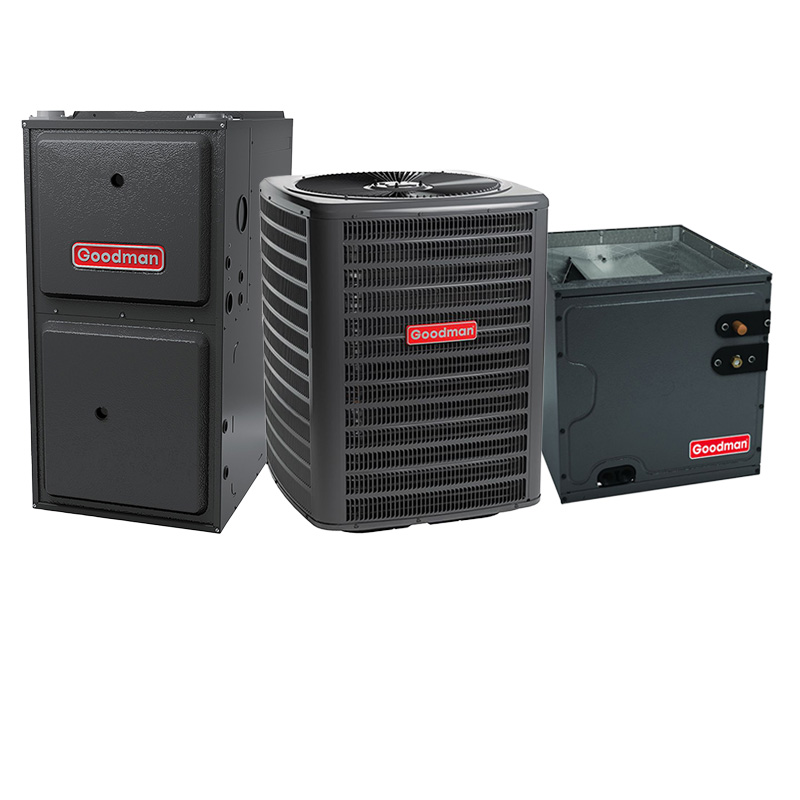
Goodman Furnace And AC – 4 Ton 14.3 SEER2 AC With 100000 BTU 96% AFUE Two Stage Multi-Speed ECM Gas Furnace System – Upflow | R32
View on AC Direct see your lowest price →Check current price on AC Direct →
Key features
- 4-ton, 14.3 SEER2 cooling with R-32 refrigerant for lower environmental impact
- 100,000 BTU two-stage gas furnace with 96% AFUE for efficient, even heating
- Multi-speed ECM blower motor reduces electricity use and improves humidity control
- Upflow configuration suits basement and utility-closet installations with overhead ductwork
- Two-stage heating reduces temperature swings and mechanical wear on mild heating days
- Priced 15 to 25 percent below comparable Trane, Carrier, and Lennox systems
About this system
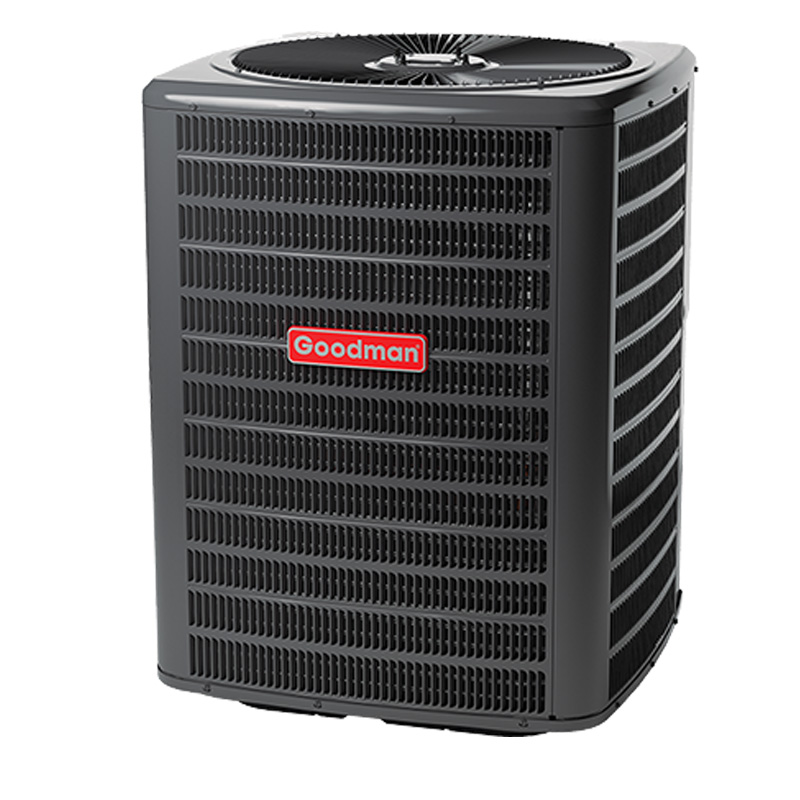
This Goodman bundle pairs a 4-ton, 14.3 SEER2 air conditioner with a 100,000 BTU, 96% AFUE two-stage gas furnace in an upflow configuration, making it a practical choice for larger homes in climates that demand serious heating and cooling muscle. The R-32 refrigerant charge is a forward-looking element: R-32 carries a lower global warming potential than the R-410A it replaces, and it operates at slightly higher efficiency, which is part of how Goodman hits that 14.3 SEER2 mark. At 4 tons, this system is sized for roughly 1,800 to 2,400 square feet, though actual sizing depends heavily on insulation, window area, and local climate.
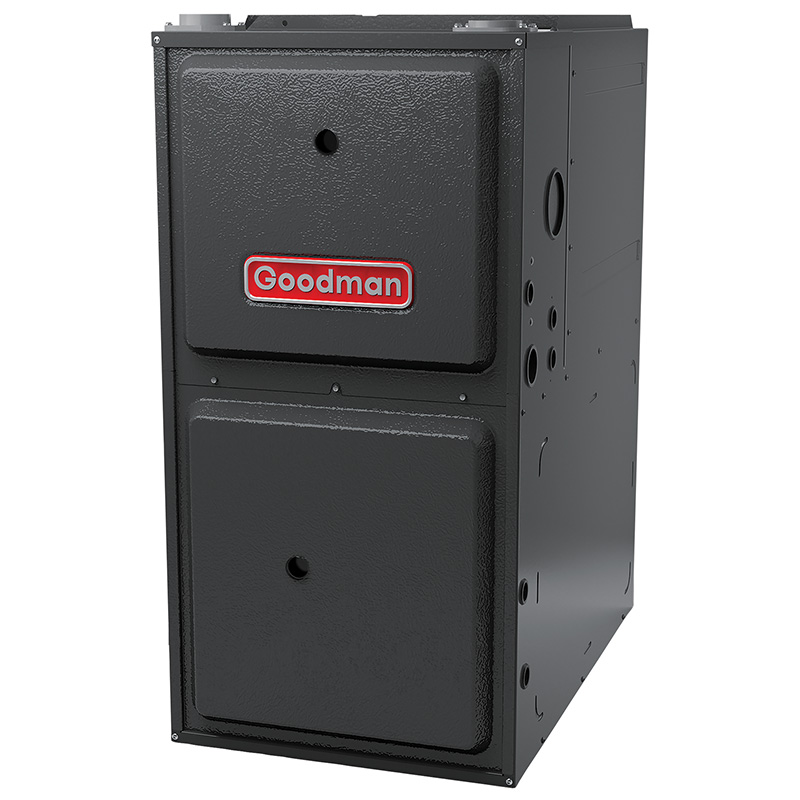
The 96% AFUE two-stage furnace is where this system earns some genuine respect. Two-stage heating means the furnace fires at a lower capacity on milder days and steps up only when temperatures drop hard, which reduces temperature swings, lowers gas consumption compared to single-stage units, and puts less mechanical stress on the heat exchanger over time. The multi-speed ECM blower motor adds to that efficiency story: ECM motors use significantly less electricity than PSC motors and allow more precise airflow matching, which improves both comfort and the AC side’s dehumidification performance. Upflow configuration means the air handler sits on the floor and discharges conditioned air upward into overhead ductwork, the standard setup in most basement or utility-closet installs.
Goodman positions this as a value-tier system, and the pricing reflects that, typically landing 15 to 25 percent below comparable equipment from Trane, Carrier, or Lennox. That price gap is real, but so is the trade-off: Goodman’s long-term performance is notably sensitive to installation quality, and its compressor lifespan tends to run shorter than premium competitors. For buyers who want capable, well-specced equipment without paying a premium-brand premium, and who are willing to invest in a skilled installer, this bundle deserves a serious look.
This Goodman system delivers genuinely good specs, particularly the two-stage furnace and ECM motor, at a price that undercuts premium brands by a meaningful margin. The trade-off is that Goodman's reliability record is more variable than competitors, with documented issues around capacitors, evaporator coil leaks, and shorter average compressor lifespan. It is a reasonable buy when paired with a skilled installer and realistic expectations about long-term repair costs.
Overall score is the average of the five ratings above.
What we like
- 96% AFUE two-stage furnace is a high-efficiency spec even among premium brands
- ECM blower motor improves comfort and lowers operating electricity costs
- R-32 refrigerant is a more environmentally responsible choice than R-410A
- Pricing runs 15 to 25 percent below Trane, Carrier, and Lennox for similar specs
- Two-stage operation reduces wear and better matches output to actual heating demand
Trade-offs
- Dual-run capacitors are the most commonly reported failure point, typically around years 5 to 9
- Evaporator coil leaks appear in a notable share of owner feedback and can be costly to address
- Compressor lifespan averages 10 to 14 years versus 15 to 20 years for premium brands
- A minority of owners report refrigerant leaks in the first year, often tied to install or charging issues
What homeowners and pros say about Goodman
Goodman scores around 2.5 out of 5 on ConsumerAffairs, which is a complaint-heavy channel, and the recurring theme in those reviews is repair costs climbing after roughly year 7, particularly around capacitors and evaporator coils. On Google dealer reviews, the brand lands closer to 3.8 out of 5 across hundreds of reviews per location, where the most consistent praise is straightforward: the equipment costs less than the name-brand alternatives and, when properly installed, does the job it is sold to do. For a two-stage, 96% AFUE system at this price point, that value acknowledgment holds up against the specs.
HVAC professionals who work on Goodman equipment regularly point to a few specific patterns worth knowing before buying this system. Dual-run capacitors are the most frequently reported failure, usually a low-cost fix in the 300 to 600 dollar range but one that tends to show up with some regularity. Evaporator coil leaks appear in a meaningful share of owner accounts and represent a more involved repair. Compressor lifespan on Goodman condensers tends to average 10 to 14 years, noticeably shorter than the 15 to 20 years more often seen with Trane, Carrier, and Lennox equipment. A small number of owners also report refrigerant leaks within the first year, which technicians generally attribute to charging errors at install rather than a product defect. The upshot from the field is consistent: Goodman can be a solid performer, but the installer you choose matters at least as much as the equipment itself.
Sources: ConsumerAffairs Goodman owner reviews, AHRI Directory of Certified Product Performance, U.S. DOE appliance and equipment efficiency standards, Goodman product specification sheets.
What it costs to run
At 14.3 SEER2, cooling this 4-ton system for a typical 1200-hour cooling season at the U.S. average electricity rate of $0.17/kWh works out to roughly $685 per year in cooling, about $46 less per year than a minimum-efficiency 13.4 SEER2 unit of the same size. Your real cost depends on your climate and local rate.
Method: (48,000 BTU/hr ÷ 14.3 SEER2) × 1200 hours ÷ 1000 × $0.17/kWh. Rate source: U.S. EIA average; cooling hours: moderate-climate estimate.
How it compares
| Brand | Comparable model | SEER2 | Stage | Price position |
|---|---|---|---|---|
| Goodman | GSXH504810 + GC9C961005CN (this system) | 14.3 | Two-stage furnace / standard AC | Value pick |
| Carrier | Comfort 24ACC636A003 with 59SC5 | 14.3 | Single-stage | Typically 15 to 25 percent more than this Goodman bundle |
| Trane | XR14c with S9X1 furnace | 14.3 | Single-stage | Typically 15 to 25 percent more than this Goodman bundle |
| Lennox | Merit ML14XC1 with ML196E furnace | 14.3 | Single-stage | Typically 15 to 25 percent more than this Goodman bundle |
Competitor rows are comparable single-stage units at similar efficiency; price is relative position, not a quote.
Questions about this system
Is R-32 refrigerant harder or more expensive to service than R-410A?
R-32 requires technicians to be certified for it and use compatible equipment, but it is not significantly harder to work with, and it is becoming more common as manufacturers transition away from R-410A. Refrigerant costs can vary by region, so it is worth confirming your local HVAC companies stock it before purchasing.
Do I need a specific coil or air handler to complete this system, or is one included?
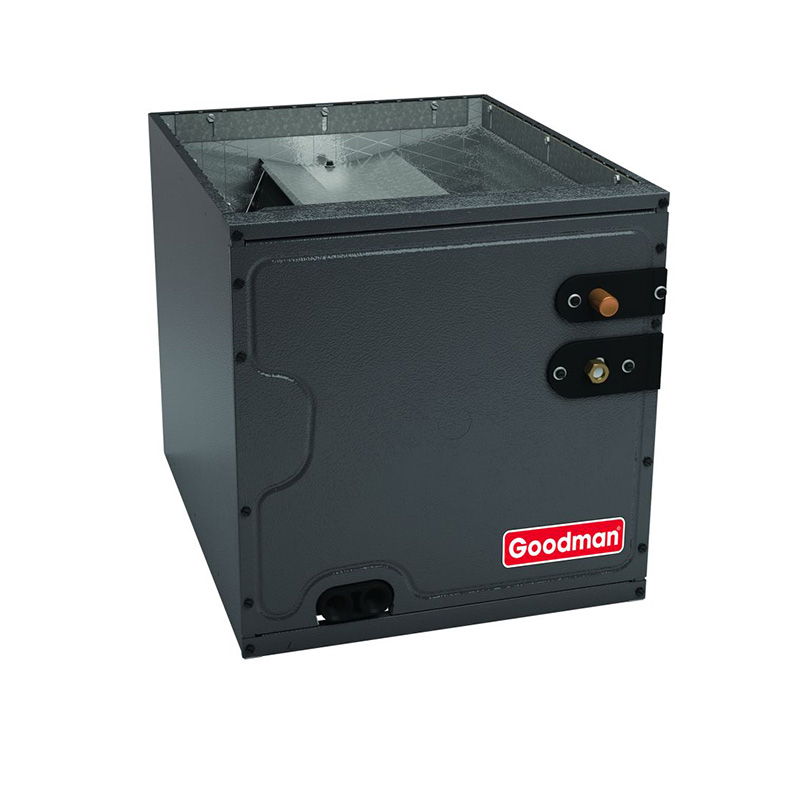
This bundle includes the condensing unit and the furnace but typically does not include the evaporator coil, which must be matched and purchased separately. Your installer will need to select a compatible Goodman or Amana coil sized for 4 tons to complete the system and maintain the rated efficiency.
How much does install quality actually matter for a Goodman system?
It matters more than with premium brands. HVAC technicians consistently cite install quality as the single biggest factor in how long a Goodman unit lasts, covering proper refrigerant charge, correct airflow setup, and accurate electrical connections. Cutting costs on labor to offset the lower equipment price is a common mistake that tends to surface as early repairs.
What does two-stage heating actually do for comfort in a large home?
In a 4-ton system serving a large home, two-stage heating means the furnace runs at a lower capacity for most of the heating season and only fires at full output during the coldest stretches. This keeps temperatures more consistent room to room, reduces the blasts of very hot air that single-stage units produce, and lowers gas bills on mild days.
What are the most likely repair costs I should budget for over the first 10 years?
The most commonly reported issue on Goodman equipment is dual-run capacitor failure, which typically costs between 300 and 600 dollars to repair and can happen anywhere from year 5 onward. Evaporator coil leaks are a more significant repair that shows up in owner feedback and can run considerably higher. Setting aside a service budget starting around year 6 or 7 is a reasonable precaution based on the brand's track record.
Specifications
| Cooling capacity | 4 Ton |
| Efficiency | 14.3 SEER2 |
| Furnace output | 100000 BTU |
| Furnace efficiency | 96% AFUE |
| Configuration | Upflow |
| Refrigerant | R-32 |