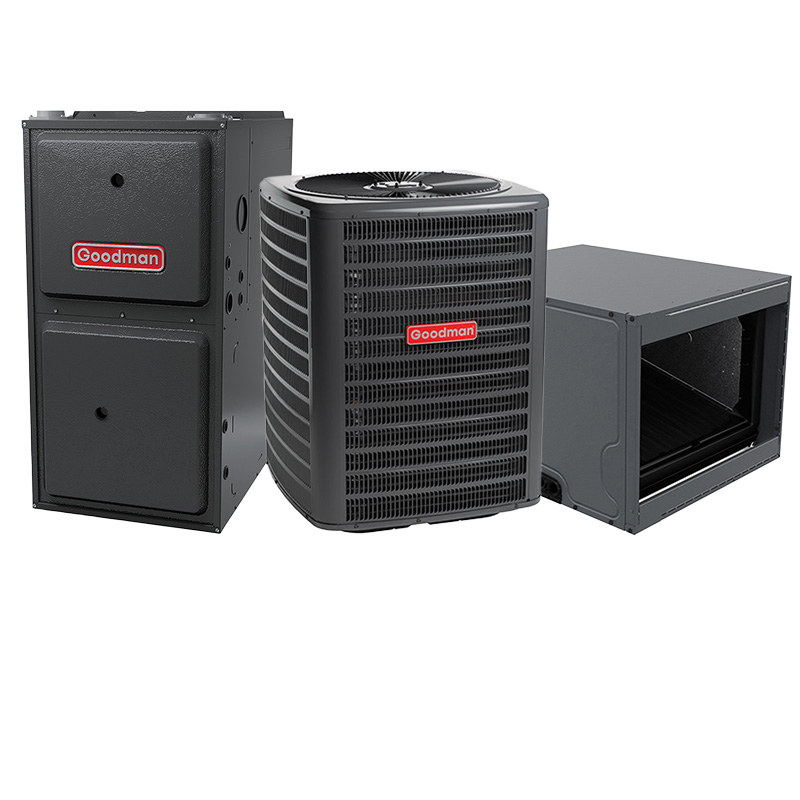
Goodman Furnace And AC – 4 Ton 14 SEER2 AC With 120000 BTU 96% AFUE Two Stage Multi-Speed ECM Gas Furnace System – Horizontal | R32
View on AC Direct see your lowest price →Check current price on AC Direct →
Key features
- 4-ton, 14 SEER2 cooling capacity for mid-size residential applications
- 120,000 BTU two-stage gas furnace with 96% AFUE high-efficiency rating
- Multi-speed ECM blower motor reduces energy use and airflow noise
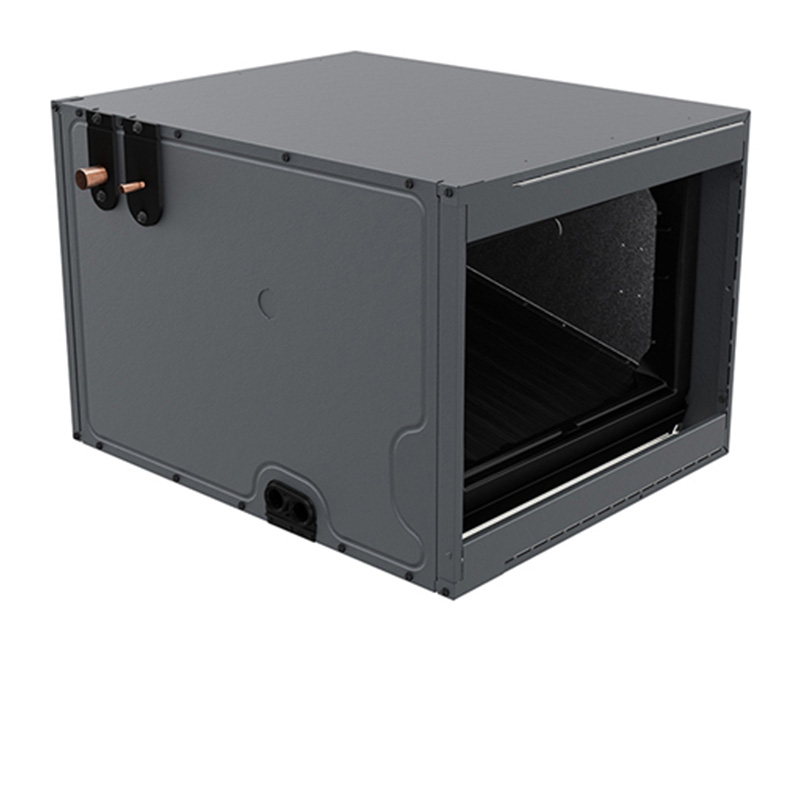
- Horizontal configuration designed for attic, crawl space, or side-load installs
- R-32 refrigerant charge with lower global-warming potential than R-410A
- Two-stage gas valve enables partial-load operation during mild heating conditions
About this system
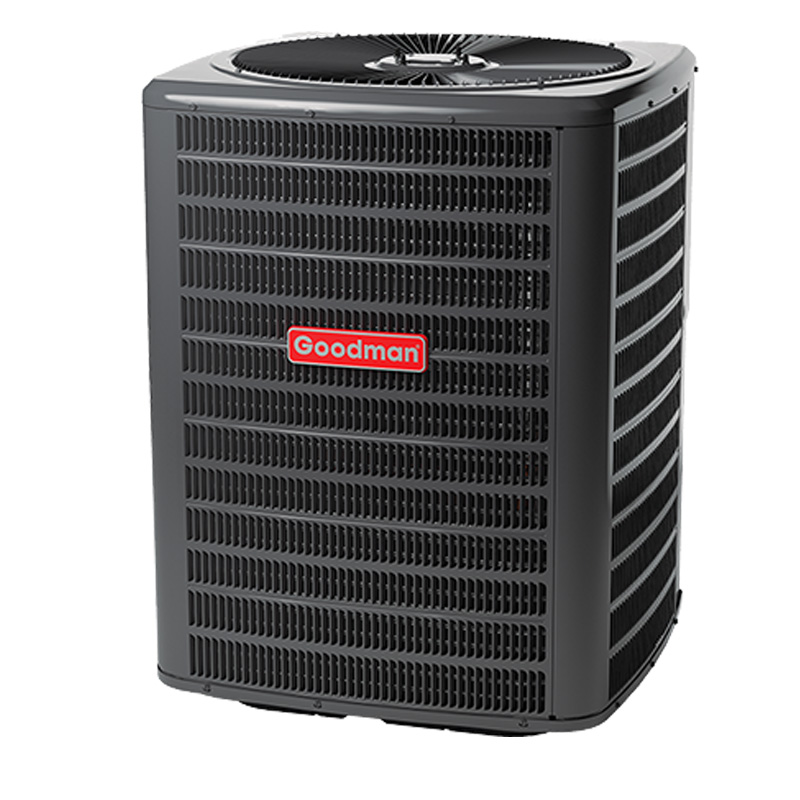
This Goodman bundle pairs a 4-ton, 14 SEER2 air conditioner with a 120,000 BTU, 96% AFUE two-stage gas furnace in a horizontal configuration, making it a practical fit for homes where the air handler sits on its side in a tight attic or crawl space rather than standing upright in a utility closet. The R-32 refrigerant charge reflects a current industry shift toward a lower global-warming-potential option compared with the older R-410A, which also means technicians will need R-32 certification and compatible recovery equipment when servicing the system down the road.
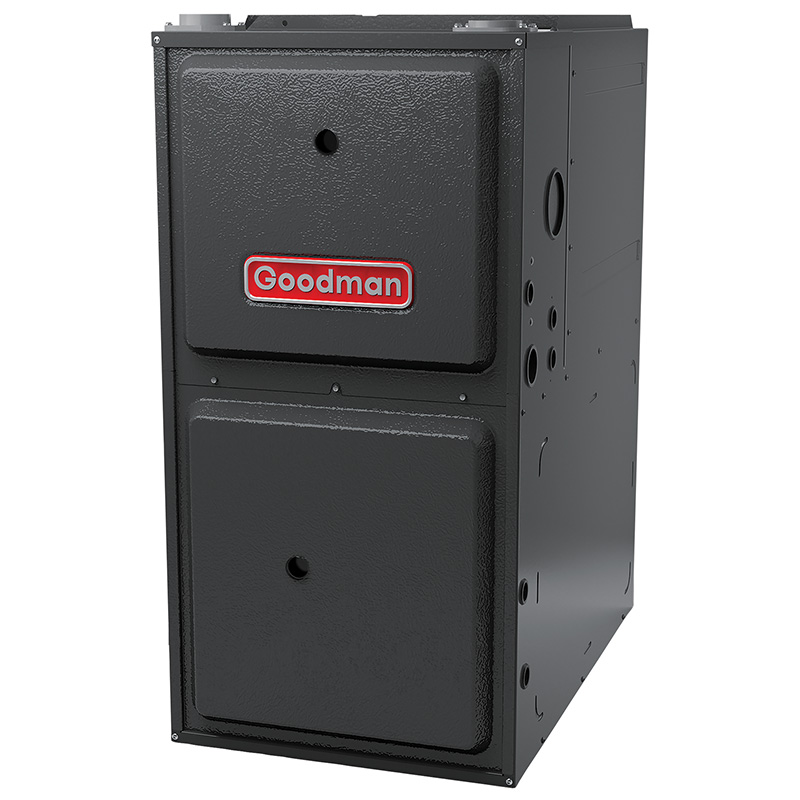
The 96% AFUE rating places the furnace in the high-efficiency tier, meaning only about four cents of every heating dollar escapes through the flue. The two-stage gas valve lets the furnace run at a reduced fire rate during milder weather, which cuts cycling noise, smooths temperature swings, and reduces wear compared with a single-stage unit that is always either fully on or completely off. The multi-speed ECM blower motor adds further refinement by adjusting airflow gradually rather than slamming on at full speed, which also tends to lower blower electricity costs over a heating season. A 4-ton cooling capacity is generally sized for homes in the 1,800 to 2,400 square-foot range, though actual sizing should always be confirmed with a Manual J load calculation for the specific structure.
This system sits in Goodman’s value tier, priced roughly 15 to 25 percent below comparable equipment from Trane, Lennox, and Carrier. That price gap is real and meaningful for budget-conscious buyers, but it comes with trade-offs in documented long-term reliability and compressor longevity that are worth understanding before committing.
This Goodman bundle delivers a genuinely efficient furnace and adequate cooling at a price point that undercuts the major premium brands by a meaningful margin. The two-stage furnace and ECM blower are real comfort upgrades over baseline equipment, but documented issues with dual-run capacitors, evaporator coil leaks, and shorter average compressor lifespan mean buyers should budget for potential repairs after year seven and ensure they are working with a careful, experienced installer.
Overall score is the average of the five ratings above.
What we like
- 96% AFUE furnace is solidly high-efficiency and qualifies for relevant energy rebates in most utility territories
- Two-stage gas valve and ECM blower together improve temperature consistency and reduce operating noise versus single-stage alternatives
- R-32 refrigerant is a forward-compatible choice as R-410A equipment phases out
- Horizontal configuration expands installation locations compared with upflow-only systems
- Price is typically 15 to 25 percent below Trane, Carrier, and Lennox equivalents, a substantial upfront saving
Trade-offs
- Dual-run capacitors are the most frequently reported failure point, typically requiring a 300 to 600 dollar service call
- Evaporator coil leaks appear in a notable share of owner reports, which can become a costly repair once the system is out of parts warranty
- Average compressor lifespan of 10 to 14 years runs shorter than the 15 to 20 years commonly cited for premium-brand compressors
- A minority of owners report refrigerant leaks within the first year, most often traced to installation or initial charge errors rather than equipment defects
What homeowners and pros say about Goodman
Homeowners who chose Goodman equipment broadly split into two camps based on the available review data. On Google dealer reviews, which aggregate to around 3.8 out of 5 stars across locations, affordability is the single most consistent praise: buyers who shopped multiple quotes frequently note that Goodman allowed them to get a two-stage or high-efficiency system within budget where a premium brand would have pushed them toward a lower-spec single-stage unit. That trade-up within the same budget is a real advantage worth acknowledging. On ConsumerAffairs, which scores closer to 2.5 out of 5, the tone shifts considerably, with the recurring complaint being rising repair costs that begin to accumulate around year seven or eight of ownership. That gap between the two scores is not a contradiction; it largely reflects the difference between early ownership satisfaction and longer-term experience.
HVAC technicians who work with Goodman equipment regularly point to dual-run capacitor failures as the most routine service call on these systems, a repair that is inexpensive and quick but does add up if it recurs. Evaporator coil leaks are a more serious documented concern, particularly because a coil replacement after the parts warranty expires can rival a significant fraction of the original equipment cost. Compressor longevity averaging 10 to 14 years, compared with 15 to 20 years on premium brands, is the most consequential long-term trade-off. Technicians also consistently emphasize that Goodman’s real-world performance, whether this system lasts 10 years or 18, depends heavily on installation quality: proper refrigerant charge, correct airflow setup, and accurate load sizing matter more with value-tier equipment than with brands that have tighter factory tolerances built in. A skilled installer working with this Goodman system will generally outperform a careless install of a premium brand.
Sources: ConsumerAffairs Goodman owner reviews, AHRI Directory of Certified Product Performance, U.S. DOE appliance and equipment efficiency standards, Goodman product specification sheets.
What it costs to run
At 14 SEER2, cooling this 4-ton system for a typical 1200-hour cooling season at the U.S. average electricity rate of $0.17/kWh works out to roughly $699 per year in cooling, about $32 less per year than a minimum-efficiency 13.4 SEER2 unit of the same size. Your real cost depends on your climate and local rate.
Method: (48,000 BTU/hr ÷ 14 SEER2) × 1200 hours ÷ 1000 × $0.17/kWh. Rate source: U.S. EIA average; cooling hours: moderate-climate estimate.
How it compares
| Brand | Comparable model | SEER2 | Stage | Price position |
|---|---|---|---|---|
| Goodman | GSZH504810 / GMVC961205DN (this system) | 14 | Two-stage | Value pick |
| Carrier | Performance 14 / 58MVC | 14-15 | Two-stage | Typically 15 to 25 percent more than Goodman |
| Trane | XR14 / S9V2 | 14-15 | Two-stage | Typically 15 to 25 percent more than Goodman |
| Lennox | Merit 14ACX / ML296V | 14 | Two-stage | Typically 15 to 25 percent more than Goodman |
Competitor rows are comparable single-stage units at similar efficiency; price is relative position, not a quote.
Questions about this system
Does my HVAC technician need special certification to work with R-32 refrigerant in this system?
Yes. R-32 is an A2L refrigerant, meaning it has a mild flammability classification that requires technicians to hold the appropriate EPA Section 608 certification and use R-32-compatible recovery and charging equipment. Not every local shop is currently equipped for it, so confirm your installer is certified before scheduling the job.
Is 120,000 BTU oversized for a typical 4-ton application, and should that concern me?
Furnace BTU sizing and AC tonnage are independent calculations based on heating and cooling load requirements for your specific home. A 120,000 BTU furnace is on the larger end and is most appropriate for larger homes in cold climates or for homes with high heat loss. An oversized furnace short-cycles, which increases wear and reduces comfort, so a Manual J heat load calculation before purchase is strongly recommended.
What does the horizontal configuration mean for my installation, and does it limit where the system can go?
Horizontal means the air handler is oriented on its side, which is specifically designed for attic spaces, crawl spaces, and other locations where vertical clearance is limited. It is not intended for upflow or downflow installation, so confirm your installation site matches this orientation before ordering.
What does the two-stage furnace actually do differently from a single-stage model in everyday use?
A two-stage furnace runs at a lower firing rate (typically around 65 percent of full capacity) during mild weather, only stepping up to full output on the coldest days. In practice this means fewer abrupt on-off cycles, more even room temperatures, quieter operation, and less thermal stress on the heat exchanger over time compared with a single-stage unit.
What are the most likely repair costs I should plan for over the first ten years?
Based on Goodman's documented failure patterns, a dual-run capacitor replacement is the most probable service call, typically running 300 to 600 dollars and usually a straightforward same-day fix. Evaporator coil leaks represent a more expensive scenario if they occur after the parts warranty period ends. Keeping a service contract or a dedicated maintenance fund is a reasonable precaution with this brand.
Specifications
| Cooling capacity | 4 Ton |
| Efficiency | 14 SEER2 |
| Furnace output | 120000 BTU |
| Furnace efficiency | 96% AFUE |
| Configuration | Horizontal |
| Refrigerant | R-32 |