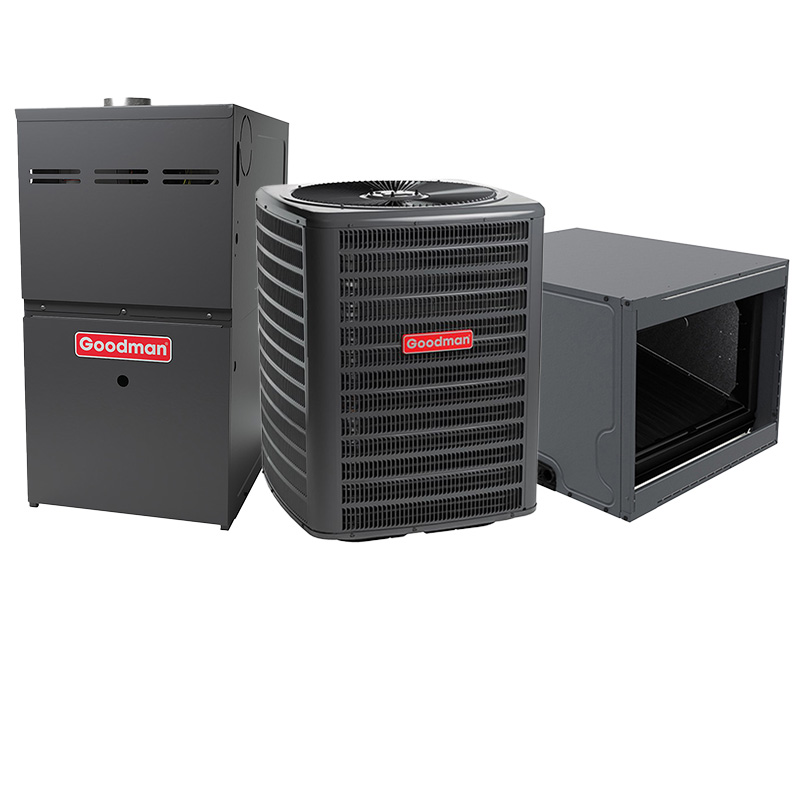
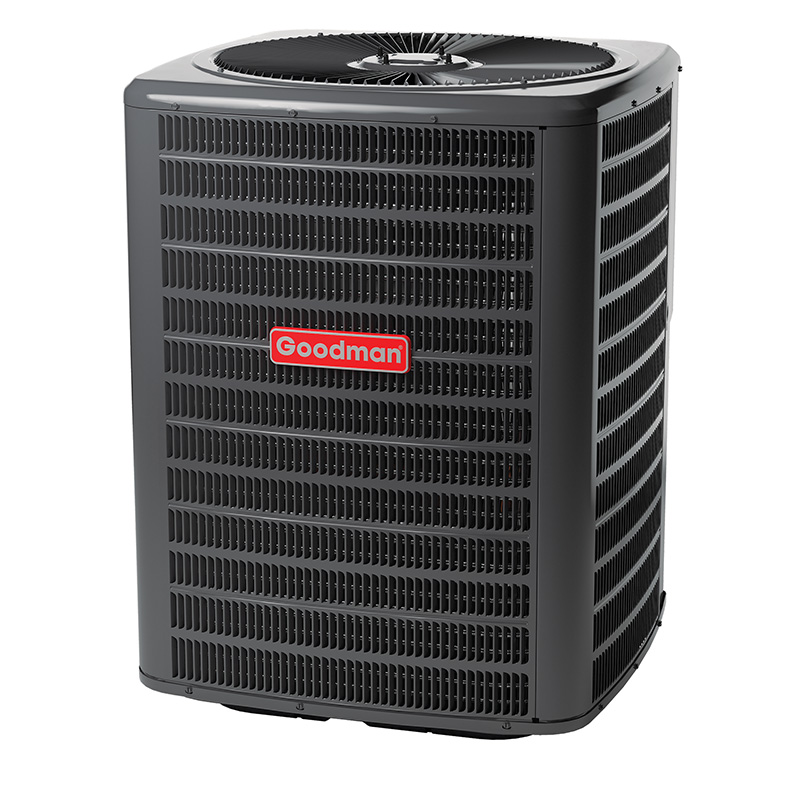
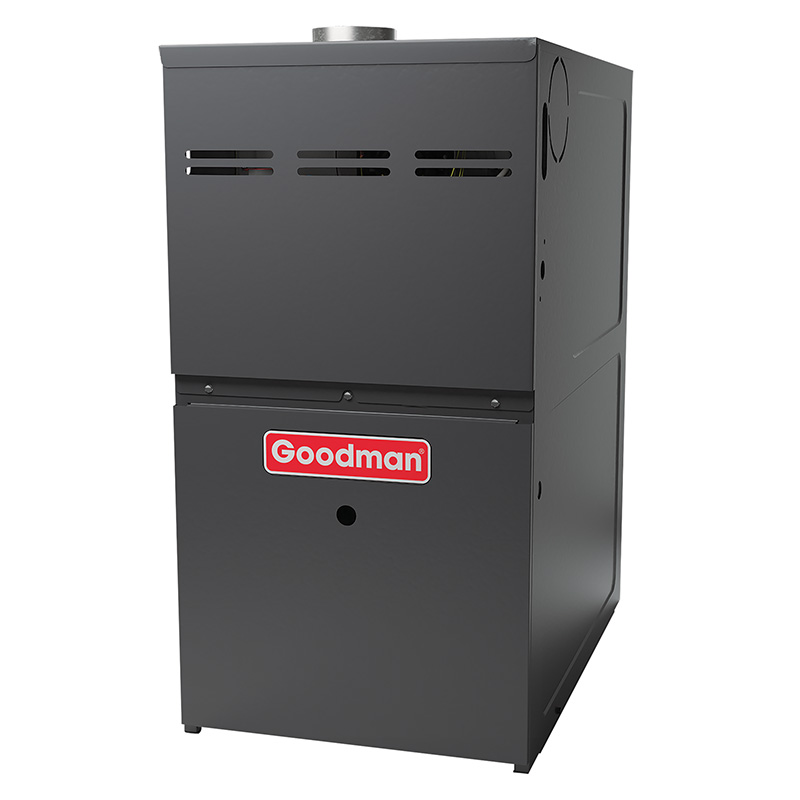
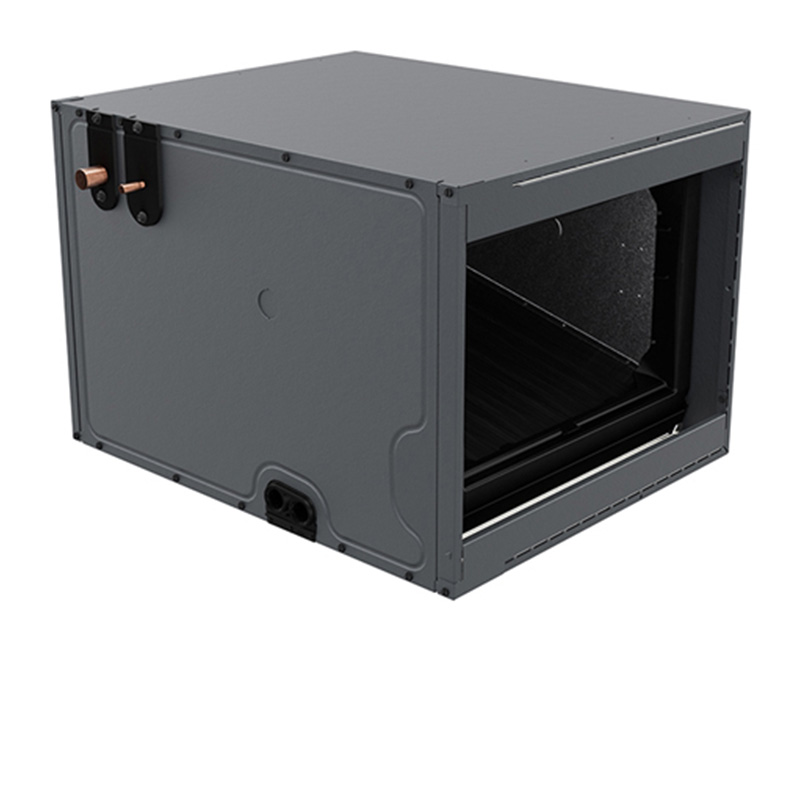
Goodman Furnace And Air Conditioner 1.5 Ton 15.2 SEER2 AC With 40000 BTU 80% AFUE Multi-Speed ECM Gas Furnace System – Horizontal | R32
View on AC Direct see your lowest price →Check current price on AC Direct →
Key features
- 1.5-ton cooling capacity paired with 40,000 BTU heating in one matched system
- 15.2 SEER2 efficiency rating meets 2023 federal minimums for most U.S. regions
- 80% AFUE single-stage gas furnace with multi-speed ECM blower motor
- Horizontal configuration for attic, crawlspace, or side-mount closet installs
- R-32 refrigerant with lower global warming potential than R-410A
- Factory-matched components designed for straightforward coil and refrigerant compatibility
About this system
This Goodman horizontal split system pairs a 1.5-ton, 15.2 SEER2 air conditioner with a 40,000 BTU, 80% AFUE multi-speed ECM gas furnace, and it is sized for smaller homes and additions typically in the 600 to 900 square foot range depending on climate and insulation. The horizontal configuration makes it a purpose-built choice for attic, crawlspace, or closet installations where vertical clearance is limited. R-32 refrigerant is worth noting: it carries a lower global warming potential than the R-410A it replaces and is increasingly common as manufacturers phase out older refrigerants, though it does require technicians to hold current certifications and use compatible recovery equipment.
On paper, 15.2 SEER2 clears the federal minimum efficiency threshold that took effect in 2023 but sits at the lower tier of the mid-efficiency range, so expect meaningful cooling cost savings over an older 10 or 13 SEER system but not the operating-cost reductions you would see from a 17 or 18 SEER2 unit. The 80% AFUE furnace is similarly entry-level on efficiency: roughly 20 cents of every heating dollar goes up the flue, which is acceptable in mild-winter climates but a real ongoing cost in cold regions where a 96% AFUE unit would pay back the price difference within a few years. The ECM multi-speed blower motor is a genuine upgrade over a standard PSC motor, running at lower speeds during shoulder seasons to improve humidity control and cut blower electricity use.
This Goodman combo delivers reliable entry-level performance at a price point that typically undercuts Carrier, Trane, and Lennox by 15 to 25 percent for comparable specs, making it a reasonable choice for budget-conscious buyers in mild climates. The 80% AFUE furnace and single-stage cooling are functional but not efficient enough to recommend in cold or very hot regions where a higher-tier system would recover its cost premium through lower utility bills. Long-term ownership satisfaction leans heavily on installation quality and a willingness to budget for capacitor replacements and possible coil or refrigerant issues after the first several years.
Overall score is the average of the five ratings above.
What we like
- Priced 15 to 25 percent below comparable equipment from Trane, Lennox, and Carrier
- ECM multi-speed blower improves humidity management and cuts blower energy use versus a standard PSC motor
- Horizontal-specific design simplifies installs in attics and crawlspaces where alternatives are limited
- R-32 refrigerant is more environmentally friendly than R-410A and increasingly well-supported by service technicians
- Factory-matched system reduces compatibility guesswork between the air handler and condensing unit
Trade-offs
- 80% AFUE means 20% of fuel is wasted, a notable ongoing cost penalty in cold-winter climates
- Dual-run capacitors are a documented and recurring failure point, typically requiring a 300 to 600 dollar repair call
- Compressor lifespan tends to average 10 to 14 years versus 15 to 20 years for premium-brand compressors
- Evaporator coil leaks appear in a meaningful share of owner reports, and a minority of units arrive with refrigerant or charge issues traceable to installation
What homeowners and pros say about Goodman
Homeowners who have installed Goodman equipment consistently point to the upfront price as the system’s clearest advantage, and dealer Google reviews averaging around 3.8 out of 5 reflect that sentiment: buyers who go in with realistic expectations about a value-tier brand tend to come away satisfied, at least in the early years. The story shifts after roughly year 7, which is when ConsumerAffairs reviews, sitting at about 2.5 out of 5, start capturing a pattern of climbing repair bills. The most documented culprit is the dual-run capacitor, a part that HVAC technicians across multiple markets flag as a recurring weak point in Goodman equipment and one that typically runs 300 to 600 dollars to replace when it fails. Evaporator coil leaks show up frequently enough in owner accounts to be worth noting as a secondary concern, and a smaller but real share of owners report refrigerant or charge issues in the first year, most often traced back to installation rather than the equipment itself.
HVAC professionals tend to hold a nuanced view of Goodman: they will install it without hesitation for price-sensitive customers, but they are quick to say that installation quality determines the outcome more with this brand than with premium alternatives. A compressor that averages 10 to 14 years of service, compared to 15 to 20 years from a Trane or Carrier unit, is not a dealbreaker on a system priced 15 to 25 percent less, but it does change the math on long-term ownership cost. The horizontal-mount configuration of this specific system adds a layer of installation complexity that can amplify those stakes: a tight attic or crawlspace install that is rushed or improperly charged on day one sets the stage for the coil leak and refrigerant complaints that appear in owner reviews. A qualified, unhurried installer who pressure-tests and verifies superheat and subcooling at startup is the single biggest factor in whether this system reaches its potential service life.
Sources: ConsumerAffairs Goodman owner reviews, AHRI Directory of Certified Product Performance, U.S. DOE appliance and equipment efficiency standards, Goodman product specification sheets.
What it costs to run
At 15.2 SEER2, cooling this 1.5-ton system for a typical 1200-hour cooling season at the U.S. average electricity rate of $0.17/kWh works out to roughly $242 per year in cooling, about $32 less per year than a minimum-efficiency 13.4 SEER2 unit of the same size. Your real cost depends on your climate and local rate.
Method: (18,000 BTU/hr ÷ 15.2 SEER2) × 1200 hours ÷ 1000 × $0.17/kWh. Rate source: U.S. EIA average; cooling hours: moderate-climate estimate.
How it compares
| Brand | Comparable model | SEER2 | Stage | Price position |
|---|---|---|---|---|
| Goodman | GSXH501810 / GMVM800403AN (this system) | 15.2 | Single-stage | Value pick |
| Carrier | Comfort 24ACC636A003 / 58SB0A (comparable series) | 15.2 | Single-stage | Moderately higher than this Goodman |
| Trane | XR15 / S8B1 (comparable series) | 15.0 to 16.0 | Single-stage | Moderately to noticeably higher than this Goodman |
| Lennox | Merit ML15XC1 / ML195 (comparable series) | 15.2 | Single-stage | Noticeably higher than this Goodman |
Competitor rows are comparable single-stage units at similar efficiency; price is relative position, not a quote.
Questions about this system
Is a 1.5-ton system actually large enough for my space, and how do I know without guessing?
A 1.5-ton unit typically suits roughly 600 to 900 square feet in an average climate, but the right size depends on ceiling height, insulation, window area, and local design temperatures. The only reliable way to confirm is a Manual J load calculation performed by your installer before equipment is ordered, not a simple square-footage rule of thumb.
Will my existing HVAC technician be able to service this system given that it uses R-32 refrigerant?
R-32 requires technicians to hold current EPA Section 608 certification and use R-32-rated recovery and charging equipment, which not every service van carries yet. Ask your installer and your preferred service company whether they are already equipped before you commit to this refrigerant type.
What should I realistically budget for repairs over the first 10 years beyond the warranty?
Based on documented Goodman failure patterns, dual-run capacitor replacement is the most likely early expense, typically running 300 to 600 dollars per occurrence and often happening more than once over a decade. Evaporator coil leaks are a secondary concern and can cost significantly more to address, so setting aside a modest annual maintenance reserve is a sound plan.
Does the 80% AFUE furnace qualify for any current federal tax credits or utility rebates?
The 2023 and 2024 federal Inflation Reduction Act tax credits for furnaces generally require a minimum of 97% AFUE in most climate zones to qualify, so this 80% AFUE unit is unlikely to be eligible for those credits. Check with your local utility separately, as some offer rebates tied to equipment replacement regardless of efficiency tier.
Why does Goodman's ConsumerAffairs score look so low compared to dealer Google reviews, and which should I trust more?
Goodman carries about a 2.5 out of 5 on ConsumerAffairs, a platform where dissatisfied owners are far more likely to write a review than satisfied ones, skewing the sample toward complaints about repair costs after roughly year 7. Google dealer reviews average around 3.8 out of 5 and reflect a broader mix of buyers, with affordability as the most cited positive. Neither number alone tells the full story; the install quality of your specific contractor matters as much as brand averages.
Specifications
| Cooling capacity | 1.5 Ton |
| Efficiency | 15.2 SEER2 |
| Furnace output | 40000 BTU |
| Furnace efficiency | 80% AFUE |
| Configuration | Horizontal |
| Refrigerant | R-32 |