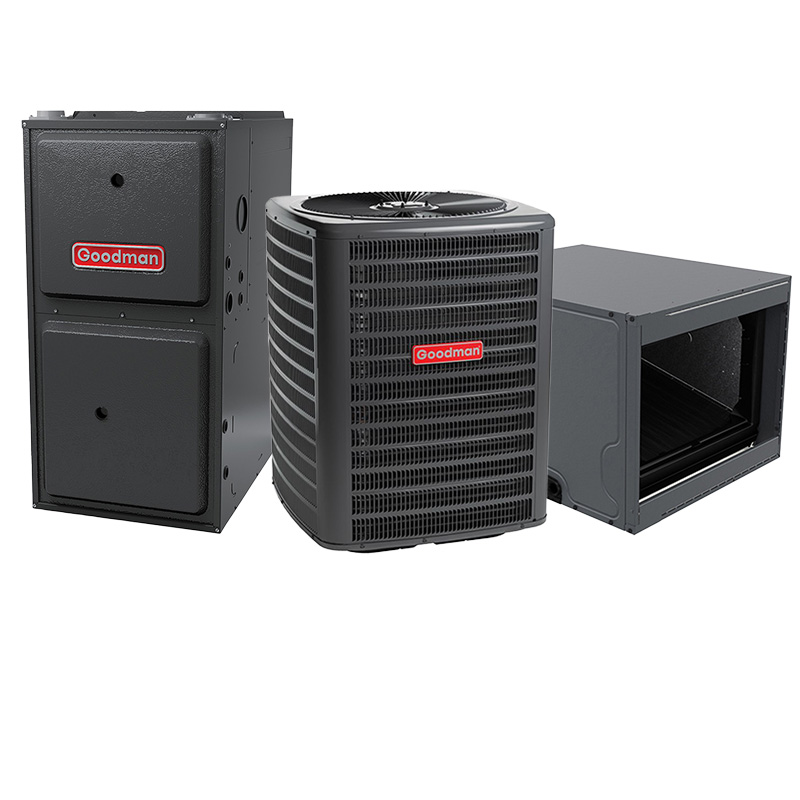
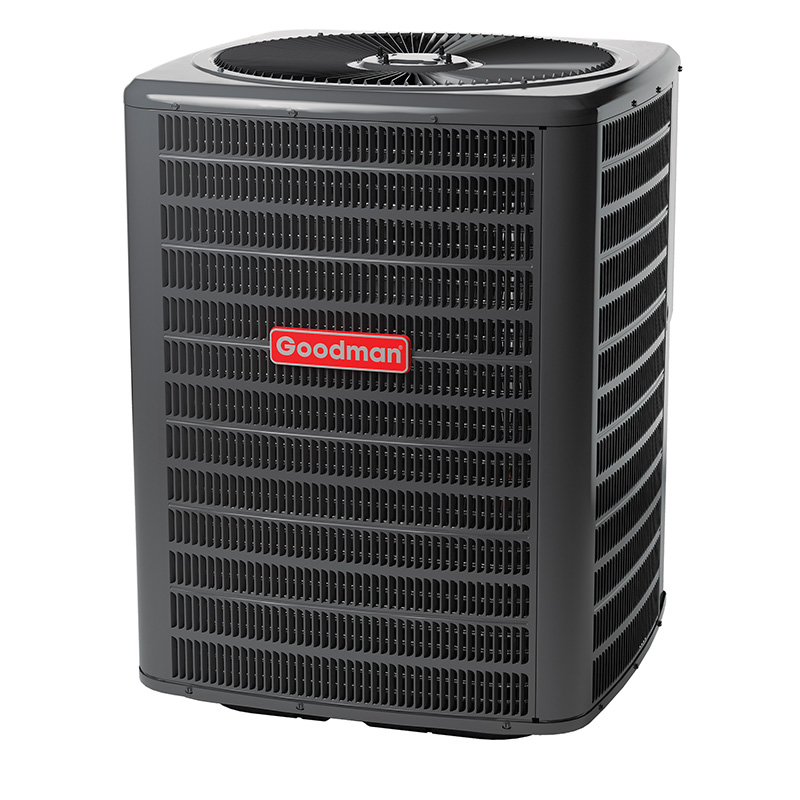
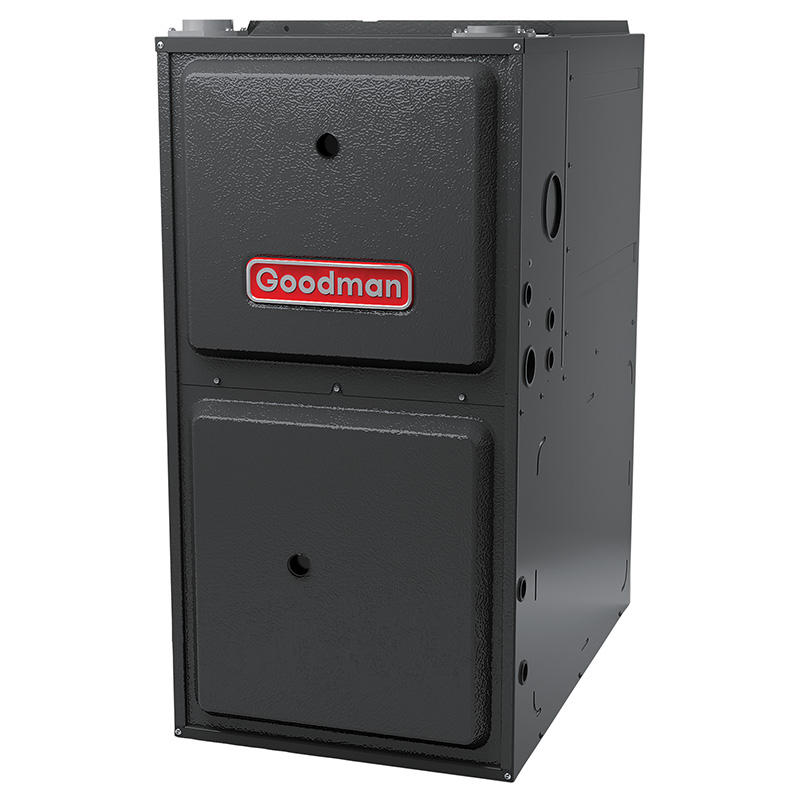
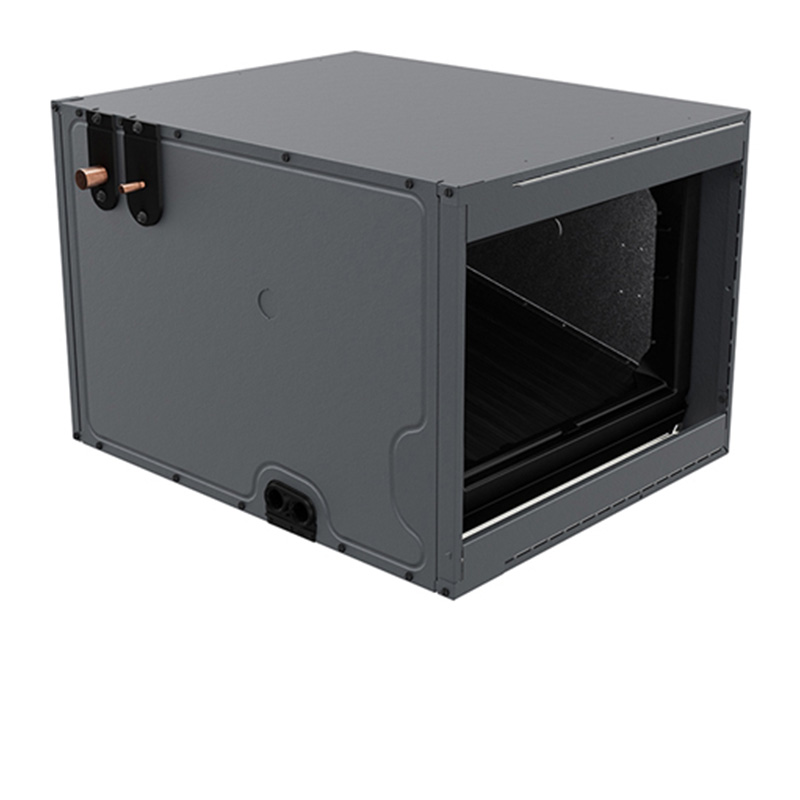
Goodman Furnace And Air Conditioner 1.5 Ton 15.2 SEER2 AC With 60000 BTU 80% AFUE Two Stage Multi-Speed ECM Gas Furnace System – Horizontal | R32
View on AC Direct see your lowest price →Check current price on AC Direct →
Key features
- 1.5-ton cooling capacity with 15.2 SEER2 efficiency rating
- 60,000 BTU two-stage gas furnace at 80% AFUE
- Multi-speed ECM blower motor for quieter, more balanced airflow
- Horizontal configuration for attic and crawl-space installations
- R-32 refrigerant with lower global warming potential than R-410A
- Two-stage operation reduces short-cycling and temperature swings
About this system
This Goodman bundle pairs a 1.5-ton, 15.2 SEER2 air conditioner with a 60,000 BTU, 80% AFUE two-stage gas furnace in a horizontal configuration, making it sized for smaller homes or zones typically in the 600 to 900 square foot range depending on climate and insulation. The horizontal orientation is aimed at attic or crawl-space installs where vertical clearance is limited, so this system fills a specific need that a standard upflow unit cannot. R-32 refrigerant carries a lower global warming potential than the R-410A it replaces, and it runs at lower operating pressure, which can reduce stress on system components over time.
The 15.2 SEER2 rating clears the current federal minimums for most U.S. regions but sits at the entry tier of the mid-efficiency range rather than at the top. Homeowners in mild climates with moderate cooling loads will get reasonable seasonal savings without paying for efficiency they rarely use. The two-stage furnace runs on a lower capacity setting most of the time, which evens out temperature swings and reduces short-cycling compared to single-stage units. The multi-speed ECM blower motor is more efficient than a PSC motor and contributes meaningfully to comfort and airflow balance, particularly in longer-running heating cycles.
This Goodman bundle is a competent entry-to-mid-efficiency system that makes financial sense for budget-conscious buyers who want two-stage comfort without paying premium-brand prices. The trade-off is a real one: compressor longevity and coil reliability trail what Trane, Carrier, and Lennox tend to deliver, and long-term repair costs can erode the upfront savings after year seven or so. It rewards buyers who invest in a thorough install and keep up with annual maintenance.
Overall score is the average of the five ratings above.
What we like
- Priced roughly 15 to 25 percent below comparable Trane, Carrier, and Lennox systems
- Two-stage furnace operation improves comfort and reduces short-cycling versus single-stage
- ECM blower motor lowers operating energy costs compared to standard PSC motors
- R-32 refrigerant is lower-pressure and has a reduced environmental impact
- Horizontal configuration addresses installs where vertical space is not available
Trade-offs
- Compressors average 10 to 14 years, shorter than the 15 to 20 years seen on premium brands
- Evaporator coil leaks appear in a meaningful share of owner reports over time
- Dual-run capacitor failures are the most common service call, typically costing $300 to $600 to repair
- A minority of owners report refrigerant leaks in the first year, often traced to install or charge issues
What homeowners and pros say about Goodman
Homeowners who post about Goodman equipment tend to split into two camps: those who got a careful install and report years of uneventful service, and those who hit repair bills after the six or seven year mark and feel the upfront savings evaporated quickly. On ConsumerAffairs, where Goodman scores around 2.5 out of 5, the recurring frustration is repair costs climbing in the second half of the system’s life, particularly around evaporator coil leaks and compressor replacements. On Google dealer reviews, the picture is somewhat better at around 3.8 out of 5, where buyers consistently call out the price advantage versus name-brand alternatives as the main reason they chose Goodman.
HVAC technicians who work on Goodman equipment regularly point out that the dual-run capacitor is the most common service call they see on these systems, typically running $300 to $600 and a straightforward repair when it comes. They also note that evaporator coil leaks show up more often in Goodman units than in premium-tier equipment, and that compressor lifespan averaging 10 to 14 years is genuinely shorter than the 15 to 20 years technicians see from Trane, Carrier, and Lennox. The technician consensus on this specific horizontal two-stage configuration is that refrigerant charge verification and a thorough coil-connection check at startup are non-negotiable steps, since a minority of early refrigerant leak reports trace back to install or initial charge issues rather than factory defects.
Sources: ConsumerAffairs Goodman owner reviews, AHRI Directory of Certified Product Performance, U.S. DOE appliance and equipment efficiency standards, Goodman product specification sheets.
What it costs to run
At 15.2 SEER2, cooling this 1.5-ton system for a typical 1200-hour cooling season at the U.S. average electricity rate of $0.17/kWh works out to roughly $242 per year in cooling, about $32 less per year than a minimum-efficiency 13.4 SEER2 unit of the same size. Your real cost depends on your climate and local rate.
Method: (18,000 BTU/hr ÷ 15.2 SEER2) × 1200 hours ÷ 1000 × $0.17/kWh. Rate source: U.S. EIA average; cooling hours: moderate-climate estimate.
How it compares
| Brand | Comparable model | SEER2 | Stage | Price position |
|---|---|---|---|---|
| Goodman | GLXS4BA18 / GMVC8 series (this system) | 15.2 | two-stage | Value pick |
| Carrier | Comfort 15 series (24ACC6) | 15.2 | single-stage | Typically 15 to 25 percent more than this Goodman bundle |
| Trane | XR15 series | 15.2 | single-stage | Typically 15 to 25 percent more than this Goodman bundle |
| Lennox | Merit 14ACX series | 15.0 | single-stage | Typically 15 to 25 percent more than this Goodman bundle |
Competitor rows are comparable single-stage units at similar efficiency; price is relative position, not a quote.
Questions about this system
Is 1.5 tons enough for my house, and how do I know if this is the right size?
Rough rules of thumb are unreliable; the only accurate answer comes from a Manual J load calculation that accounts for your square footage, ceiling height, insulation, window area, and local climate. An undersized unit will run constantly and struggle on hot days, while an oversized unit will short-cycle and leave humidity behind. Ask your installer for the load calc before committing to this or any other size.
What does the horizontal configuration mean, and can this unit be installed vertically?
Horizontal means the furnace is designed to lie on its side with airflow moving sideways through the heat exchanger, which is the correct orientation for attic platforms and crawl-space applications with limited headroom. Installing a horizontal-only unit in an upflow or downflow position is not correct and will affect drainage, heat exchanger performance, and potentially void the warranty.
What are the most common repairs I should budget for on a Goodman system like this?
The most frequently documented failure point is the dual-run capacitor, which typically costs $300 to $600 to replace and is a straightforward fix. Evaporator coil leaks and compressor failures are reported less often but are more expensive when they occur. Keeping an annual maintenance contract can catch capacitor degradation before it becomes a no-cool call.
Does this system use R-32 refrigerant, and will that cause problems finding a technician or getting service?
Yes, this system uses R-32. It is becoming more common in residential equipment, but not every HVAC technician carries R-32 in their truck yet. When scheduling service, confirm your tech is equipped and certified to handle R-32 before the appointment to avoid delays.
Goodman's ConsumerAffairs scores look low. Should I be worried?
Goodman carries roughly a 2.5 out of 5 on ConsumerAffairs, which is a complaint-skewed platform where satisfied owners rarely post, so it overstates the failure rate. Google dealer reviews average around 3.8 out of 5, where affordability is the most common positive theme. The honest read is that Goodman is a value brand with a real but manageable reliability gap versus premium competitors, and install quality plays a large role in how the system actually performs over its lifetime.
Specifications
| Cooling capacity | 1.5 Ton |
| Efficiency | 15.2 SEER2 |
| Furnace output | 60000 BTU |
| Furnace efficiency | 80% AFUE |
| Configuration | Horizontal |
| Refrigerant | R-32 |