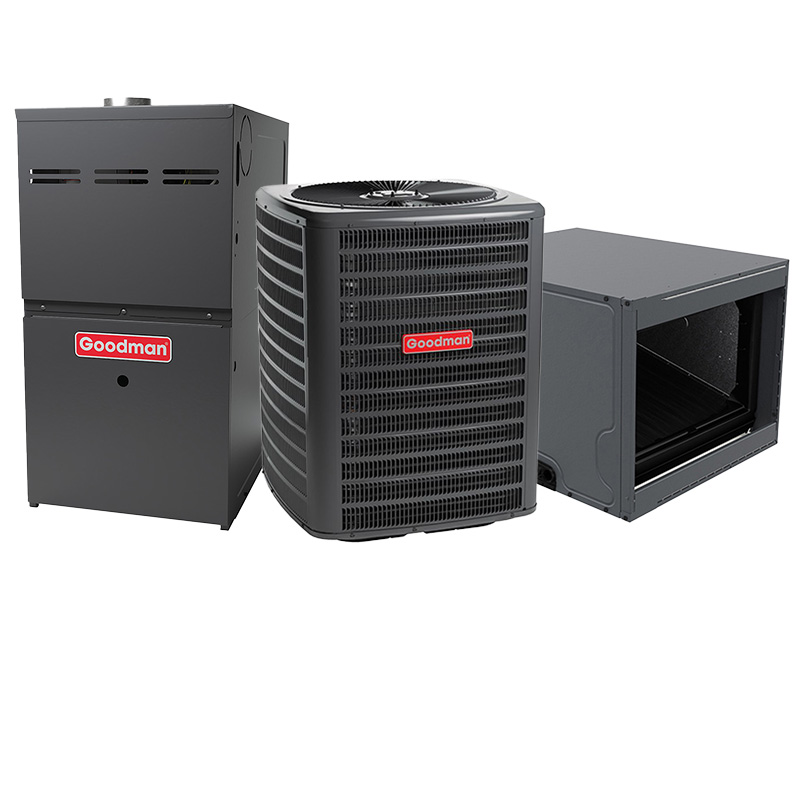
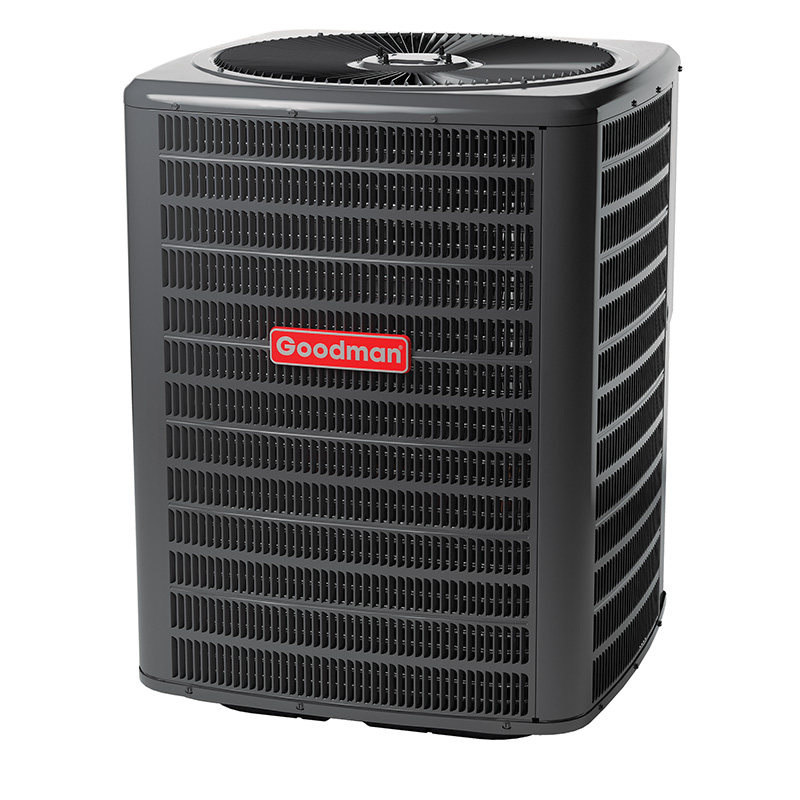
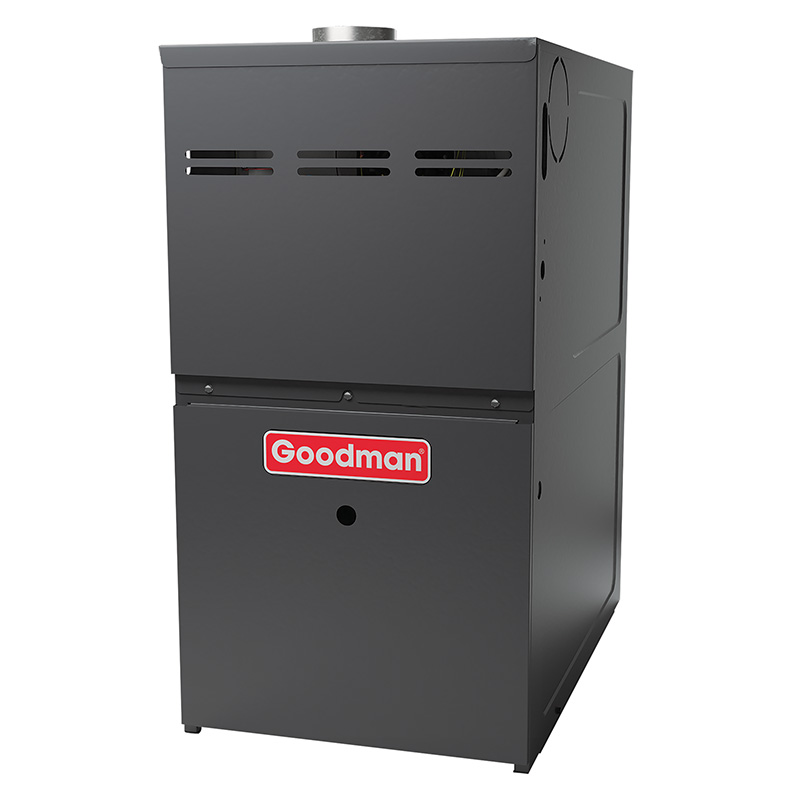
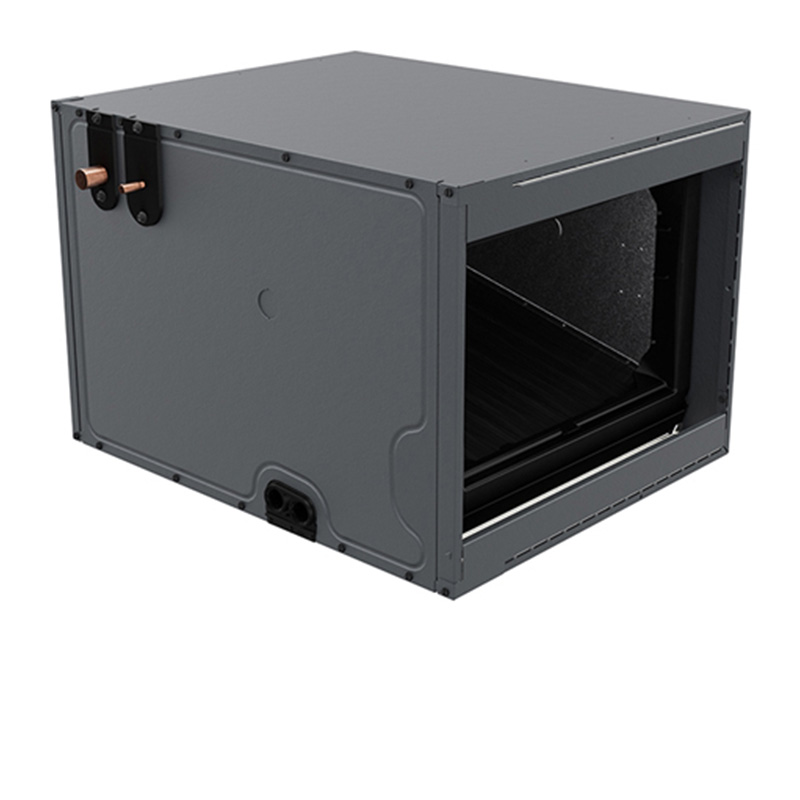
Goodman Furnace And Air Conditioner 1.5 Ton 16 SEER2 AC With 60000 BTU 80% AFUE Multi-Speed ECM Gas Furnace System – Horizontal | R32
View on AC Direct see your lowest price →Check current price on AC Direct →
Key features
- 1.5-ton cooling capacity, suited for smaller conditioned spaces up to roughly 900 sq ft depending on climate and insulation
- 16 SEER2 efficiency rating meets current federal minimums with a meaningful step up from older baseline equipment
- R-32 refrigerant: lower global warming potential than R-410A, increasingly standard as the industry transitions away from legacy refrigerants
- Horizontal-only configuration designed for crawl spaces, low attics, and side-discharge closet installations
- Multi-speed ECM blower motor reduces electrical draw and operating noise compared to single-speed PSC motors
- 80% AFUE gas furnace rated at 60,000 BTU, appropriate for mild-to-moderate heating climates
About this system
This Goodman bundle pairs a 1.5-ton, 16 SEER2 air conditioner with a 60,000 BTU, 80% AFUE multi-speed ECM gas furnace in a horizontal configuration, making it aimed squarely at homes where the air handler must lie on its side, typically in a crawl space, low attic, or closet with limited vertical clearance. The R-32 refrigerant charge is a meaningful forward-looking detail: R-32 has a lower global warming potential than R-410A and is increasingly favored as the industry moves away from legacy refrigerants. At 1.5 tons, this system is sized for smaller homes, usually in the 600 to 900 square foot range depending on climate, insulation, and window load, so a proper Manual J load calculation is essential before purchasing.
The 16 SEER2 rating clears the federal minimum thresholds now in effect and delivers a real-world efficiency step up from older 14 SEER equipment, though it sits below the 18-plus SEER2 territory where two-stage and variable-speed compressors live. The ECM blower motor on the furnace is a genuine efficiency asset: it draws significantly less electricity than a standard PSC motor and tends to run more quietly at lower speeds. The 80% AFUE furnace is honest entry-level efficiency, appropriate for mild-to-moderate heating climates or for buyers where gas prices and run hours do not justify the upfront cost of a 96% AFUE unit. Together, this system is a budget-conscious but functionally complete package for the right home and the right installer.
This Goodman bundle delivers honest, code-compliant performance at a price that typically undercuts Carrier, Trane, and Lennox by 15 to 25 percent, which is its clearest advantage. The horizontal configuration and R-32 charge add practical and environmental relevance, but the system's longevity leans heavily on install quality and routine maintenance rather than on any standout build margin. Buyers who want a no-frills, budget-forward system and have access to a skilled installer will find real value here; buyers prioritizing long-term reliability or lower lifetime repair costs should weigh the trade-offs carefully.
Overall score is the average of the five ratings above.
What we like
- Priced 15 to 25 percent below comparable Carrier, Trane, and Lennox systems, providing immediate upfront savings
- R-32 refrigerant is a future-oriented choice with a lower environmental footprint than R-410A
- ECM blower motor meaningfully reduces electricity use and noise during fan-only and heating operation
- Horizontal configuration addresses a real installation constraint that limits which systems can even be used in these spaces
- 16 SEER2 efficiency meets current federal standards and offers measurable savings over replaced 13-14 SEER legacy equipment
Trade-offs
- Dual-run capacitors are the most frequently reported failure point and, while the repair is usually low cost ($300 to $600), it can happen within the first several years
- Evaporator coil leaks appear in a meaningful share of owner feedback and can be costly to diagnose and repair out of warranty
- Compressor lifespan averages 10 to 14 years in documented experience, shorter than the 15 to 20 years typical of premium brands
- ConsumerAffairs ratings sit around 2.5 out of 5, with recurring themes of repair costs rising after year 7, suggesting higher long-term maintenance costs for some owners
What homeowners and pros say about Goodman
Homeowners who bought Goodman systems and left feedback on ConsumerAffairs rate the brand around 2.5 out of 5, a score shaped in part by the complaint-heavy nature of that platform but also by a real pattern: repair costs that feel manageable in the first few years can climb noticeably after roughly year seven. The specific failure modes showing up repeatedly are dual-run capacitor failures, which are usually a quick and relatively affordable fix in the $300 to $600 range, and evaporator coil leaks, which are more disruptive and expensive. Compressor longevity is another point of concern, with documented averages of 10 to 14 years, meaningfully shorter than the 15 to 20 years associated with premium brands. For this horizontal R-32 unit specifically, the minority of owners who report refrigerant leaks within the first year should note that this is almost always traced to the installation or initial charge rather than a factory defect, reinforcing how much this brand’s performance depends on who does the work.
Among HVAC dealers and contractors, the picture shifts somewhat. Google dealer reviews for Goodman equipment average around 3.8 out of 5 across hundreds of location-level reviews, and the most consistent praise is straightforward: the price is hard to argue with when budgets are tight. Pros who work with Goodman regularly point out that a well-installed Goodman with a good maintenance schedule performs adequately for many years, and that the ECM blower on this furnace is a genuinely useful component that reduces callbacks related to comfort complaints. Where technicians tend to be more cautious is in recommending Goodman for homes where replacement access is difficult or where the owner is unlikely to invest in annual maintenance, since deferred service accelerates the known weak points. For a horizontal installation specifically, experienced contractors emphasize that proper condensate drainage setup and refrigerant charge verification at startup are non-negotiable steps that have an outsized impact on how this particular configuration holds up over time.
Sources: ConsumerAffairs Goodman owner reviews, AHRI Directory of Certified Product Performance, U.S. DOE appliance and equipment efficiency standards, Goodman product specification sheets.
What it costs to run
At 16 SEER2, cooling this 1.5-ton system for a typical 1200-hour cooling season at the U.S. average electricity rate of $0.17/kWh works out to roughly $230 per year in cooling, about $44 less per year than a minimum-efficiency 13.4 SEER2 unit of the same size. Your real cost depends on your climate and local rate.
Method: (18,000 BTU/hr ÷ 16 SEER2) × 1200 hours ÷ 1000 × $0.17/kWh. Rate source: U.S. EIA average; cooling hours: moderate-climate estimate.
How it compares
| Brand | Comparable model | SEER2 | Stage | Price position |
|---|---|---|---|---|
| Goodman | This system (1.5T 16 SEER2 AC + 60k BTU 80% AFUE ECM Horizontal) | 16 | Single-stage | Value pick |
| Carrier | Comfort Series (24ACC6 / 58SC pairing at comparable efficiency tier) | 16 | Single-stage | Typically 15 to 25 percent more than this Goodman bundle |
| Trane | XR15 / S9X1 pairing at comparable efficiency tier | 15.5-16 | Single-stage | Typically 15 to 25 percent more than this Goodman bundle |
| Lennox | Merit Series (ML14XC1 / ML180 pairing at comparable efficiency tier) | 16 | Single-stage | Typically 15 to 25 percent more than this Goodman bundle |
Competitor rows are comparable single-stage units at similar efficiency; price is relative position, not a quote.
Questions about this system
Is a horizontal furnace harder to find an installer for than a standard upflow unit?
Not significantly, but you should confirm upfront that the contractor has experience with horizontal configurations, since clearance requirements, flue routing, and condensate drainage all behave differently than in an upflow install. Mistakes in horizontal setup are one of the documented contributors to early refrigerant and coil issues, so vetting your installer matters more here than in a standard application.
Why does this system use R-32 instead of R-410A, and does that affect service costs?
R-32 has a lower global warming potential and higher energy efficiency per unit of refrigerant than R-410A, and it aligns with where EPA regulations are pushing the industry. Service costs should be comparable to R-410A work, though you will want to confirm your technician is rated and equipped to handle R-32 specifically, as it requires slightly different handling procedures.
At 1.5 tons, how do I know if this system is the right size for my home?
Tonnage should never be chosen by square footage alone. A licensed HVAC contractor should run a Manual J load calculation that accounts for your climate zone, insulation levels, window area, and ceiling height. Oversizing a system is a common and costly mistake: it leads to short cycling, humidity problems, and accelerated wear on components including the capacitors that are already a noted weak point on Goodman units.
What is Goodman's warranty on this system, and are there conditions I should know about?
Goodman typically offers a 10-year parts limited warranty when the equipment is registered within a specified window after installation, dropping to a shorter term if registration is missed. The warranty covers parts but not labor, which can be a significant out-of-pocket cost given that documented failure modes like capacitor replacement and coil leaks do involve service calls. Read the registration requirements and confirm your contractor files the paperwork.
How does the ECM blower motor actually affect my utility bills compared to a standard motor?
ECM motors are electronically commutated and typically use 50 to 75 percent less electricity than a conventional single-speed PSC motor when running at lower speeds, which is the majority of operating time in a properly sized system. For a 1.5-ton system in a smaller home, this can translate to a noticeable reduction in monthly electric costs, particularly in climates where the fan runs long hours for air circulation or humidity control.
Specifications
| Cooling capacity | 1.5 Ton |
| Efficiency | 16 SEER2 |
| Furnace output | 60000 BTU |
| Furnace efficiency | 80% AFUE |
| Configuration | Horizontal |
| Refrigerant | R-32 |