Goodman Furnace And Air Conditioner 2.5 Ton 14.5 SEER2 AC With 60000 BTU 96% AFUE Multi-Speed ECM Gas Furnace System – Downflow | R32
View on AC Direct see your lowest price →Check current price on AC Direct →
Key features
- 2.5-ton cooling capacity rated at 14.5 SEER2 under current DOE test conditions
- 60,000 BTU gas furnace with 96% AFUE high-efficiency rating
- Multi-speed ECM blower motor reduces electricity use and smooths airflow
- Downflow configuration designed for installations discharging air through floor-level ducts
- R-32 refrigerant with lower global warming potential than R-410A
- Matched split-system bundle sold together for simplified equipment compatibility
About this system
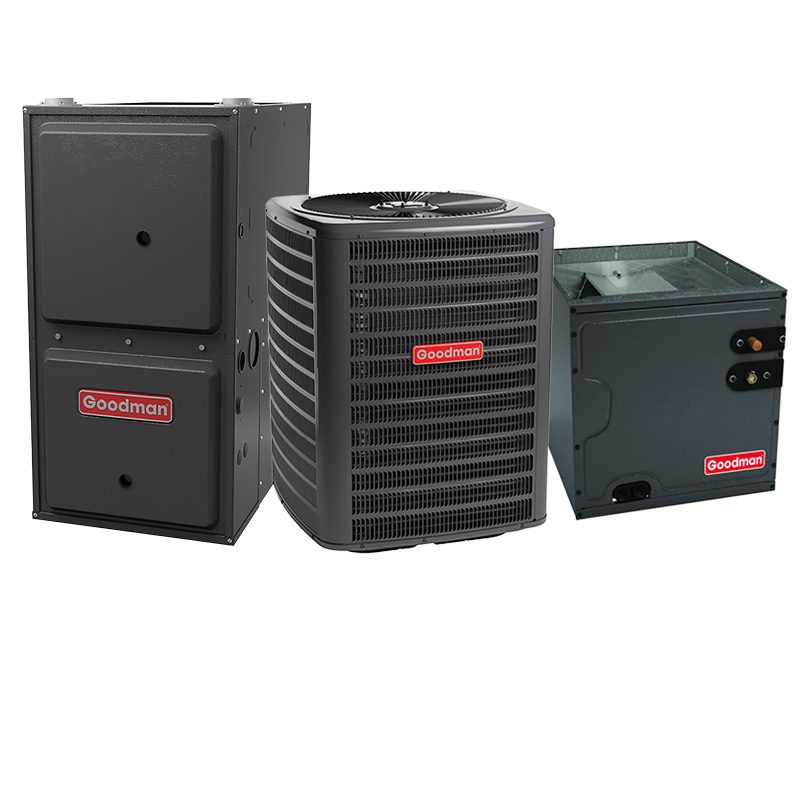
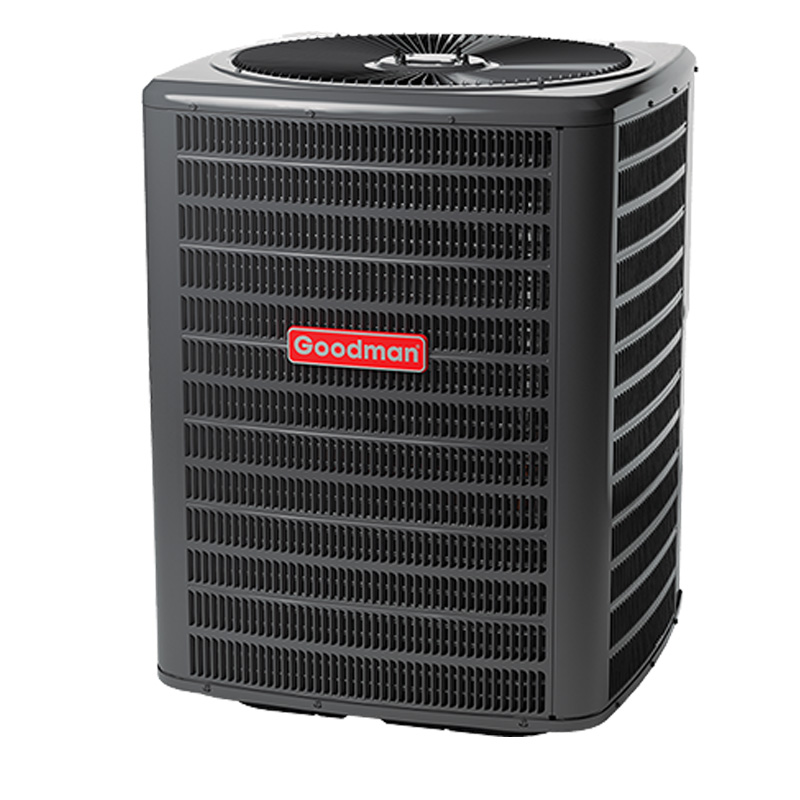
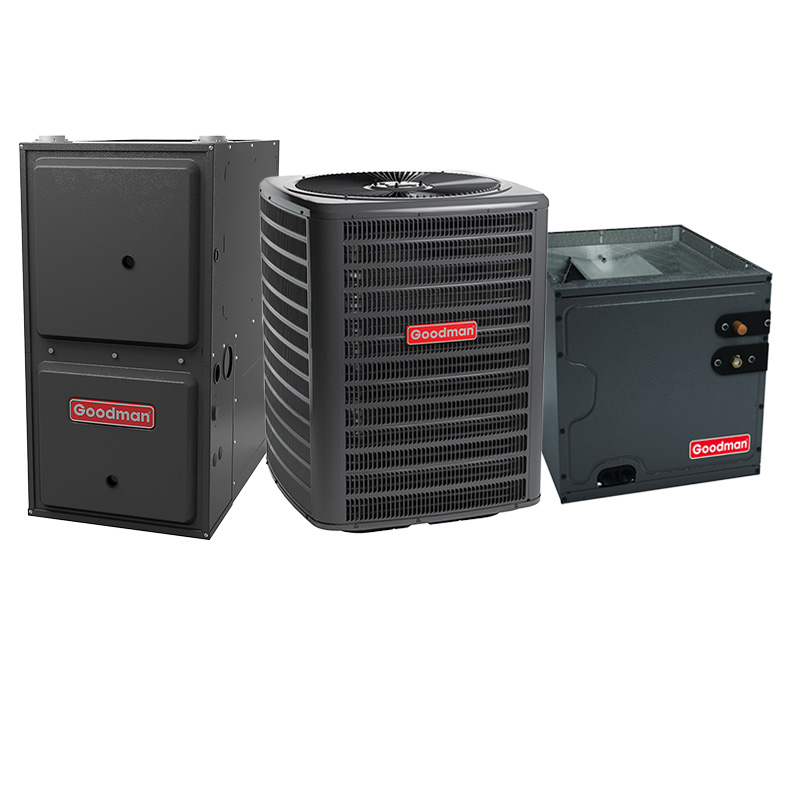
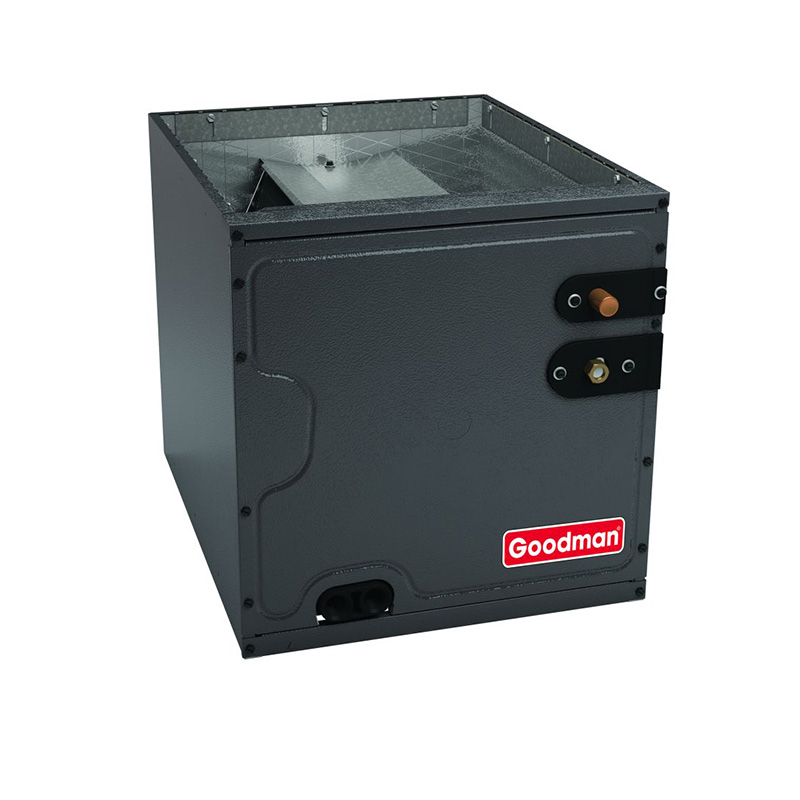
This Goodman bundle pairs a 2.5-ton, 14.5 SEER2 air conditioner with a 60,000 BTU, 96% AFUE multi-speed ECM gas furnace in a downflow configuration, making it a solid fit for homes where the air handler sits in a closet, utility room, or attic space that supplies conditioned air downward through floor-level registers. The R-32 refrigerant charge is a notable forward-looking detail: R-32 has a lower global warming potential than the R-410A it largely replaces, and many jurisdictions are phasing toward low-GWP refrigerants, so this system is better positioned for long-term regulatory compatibility than older R-410A equipment.
On the heating side, 96% AFUE puts this furnace in the high-efficiency category, meaning only about four cents of every dollar spent on gas escapes unused. The multi-speed ECM blower motor ramps airflow up and down rather than running at a single fixed speed, which reduces electricity consumption, softens temperature swings, and tends to run quieter than single-speed alternatives. At 60,000 BTU, the heating output suits homes roughly in the 1,200 to 2,000 square foot range depending on climate zone, insulation quality, and duct design. The cooling side at 14.5 SEER2 clears the federal minimum for most regions and sits at entry-level efficiency, so monthly cooling bills will be higher than they would be with a 17 or 18 SEER2 system, but the lower upfront cost can offset that gap for buyers who do not run air conditioning heavily.
This Goodman bundle delivers genuine high-efficiency heating and adequate entry-level cooling at a price point meaningfully below comparable Carrier, Trane, and Lennox systems. The 96% AFUE furnace and ECM blower are real performance assets, but the 14.5 SEER2 cooling rating is the regulatory floor, and Goodman's documented track record of capacitor failures, coil leaks, and shorter compressor lifespan means the true cost of ownership depends heavily on how well the system is installed and maintained.
Overall score is the average of the five ratings above.
What we like
- 96% AFUE furnace keeps heating efficiency high, reducing gas bills compared to 80% AFUE alternatives
- Multi-speed ECM motor lowers blower electricity consumption and improves comfort consistency
- R-32 refrigerant is forward-compatible with tightening low-GWP regulations
- Priced 15 to 25 percent below comparable Carrier, Trane, and Lennox systems for the same efficiency tier
- Downflow design covers an installation configuration that not all budget brands stock as a standard bundle
Trade-offs
- 14.5 SEER2 is the minimum efficiency threshold, so cooling operating costs will be higher than mid- or high-efficiency alternatives
- Dual-run capacitors are the most commonly reported failure point in Goodman equipment, typically requiring a repair in the 300 to 600 dollar range
- Compressor lifespan averages 10 to 14 years versus 15 to 20 years for premium brands, raising the probability of a major repair or replacement in the second decade
- Evaporator coil leaks and first-year refrigerant loss are documented failure modes, the latter often traced to install or charge issues rather than the equipment itself
What homeowners and pros say about Goodman
Homeowners who have purchased Goodman systems generally echo what the numbers suggest: the brand earns praise for affordability and frustration for what happens when something goes wrong. On Google dealer reviews, Goodman-installed systems average around 3.8 out of 5 stars across hundreds of location-level reviews, with the most consistent positive theme being the accessible upfront price. ConsumerAffairs tells a different story, with Goodman sitting at roughly 2.5 out of 5 on that platform, a complaint-heavy channel where the recurring pattern is repair costs rising noticeably after year seven or so. The gap between those two scores is real and worth understanding: buyers who get a clean install and keep up with maintenance often report years of trouble-free operation, while those who encounter early problems tend to feel the brand underdelivers on durability.
HVAC technicians are generally familiar with Goodman equipment and the failure points that show up in service calls. Dual-run capacitors are the most commonly cited repair item on the outdoor unit, typically a straightforward fix in the 300 to 600 dollar range that does not signal broader system problems. More serious are evaporator coil leaks, which a meaningful share of long-term owners report and which carry a higher repair cost. Compressor longevity is the other honest concern: Goodman compressors tend to average 10 to 14 years in practice, compared to 15 to 20 years for equipment from Carrier, Trane, or Lennox. For this specific system, a small number of first-year refrigerant loss reports also appear in owner feedback, and technicians consistently attribute those to installation or initial charge issues rather than factory defects, reinforcing the point that who installs the equipment matters as much as which equipment you buy.
Sources: ConsumerAffairs Goodman owner reviews, AHRI Directory of Certified Product Performance, U.S. DOE appliance and equipment efficiency standards, Goodman product specification sheets.
What it costs to run
At 14.5 SEER2, cooling this 2.5-ton system for a typical 1200-hour cooling season at the U.S. average electricity rate of $0.17/kWh works out to roughly $422 per year in cooling, about $35 less per year than a minimum-efficiency 13.4 SEER2 unit of the same size. Your real cost depends on your climate and local rate.
Method: (30,000 BTU/hr ÷ 14.5 SEER2) × 1200 hours ÷ 1000 × $0.17/kWh. Rate source: U.S. EIA average; cooling hours: moderate-climate estimate.
How it compares
| Brand | Comparable model | SEER2 | Stage | Price position |
|---|---|---|---|---|
| Goodman | GSX/GMVC96 2.5-Ton Downflow Bundle | 14.5 | Single-stage (AC) / Multi-speed (furnace) | Value pick |
| Carrier | Comfort 24ACC6 Series | 14.5-15 | Single-stage | Typically 15 to 25 percent more than this Goodman bundle |
| Trane | XR14 Series | 14.5-15 | Single-stage | Typically 15 to 25 percent more than this Goodman bundle |
| Lennox | Merit ML14XC1 Series | 14.5-15 | Single-stage | Typically 15 to 25 percent more than this Goodman bundle |
Competitor rows are comparable single-stage units at similar efficiency; price is relative position, not a quote.
Questions about this system
Why does this system use R-32 refrigerant instead of R-410A, and does that affect service costs?
R-32 has roughly one-third the global warming potential of R-410A and is one of the refrigerants the industry is moving toward as regulations tighten on high-GWP gases. Most HVAC technicians working on newer equipment are familiar with it, but it does require different handling procedures and recovery equipment than R-410A, so confirming your service tech is certified and equipped for R-32 before scheduling any maintenance is a practical step.
What does downflow configuration mean, and how do I know if my home needs it?
Downflow means the furnace draws return air in at the top and discharges heated or cooled air out the bottom, feeding into ductwork that runs under the floor. This is common when the air handler is installed in a closet or utility space on the main floor with supply ducts in a crawl space or basement. If your existing system is upflow or horizontal, this bundle is not a drop-in replacement without significant duct modifications.
How much does the ECM blower motor actually save compared to a standard PSC motor?
ECM motors typically use 25 to 50 percent less electricity than single-speed PSC motors at comparable airflow rates. The exact savings depend on how many hours per year the blower runs and your local electricity rate, but in climates where the fan runs frequently for both heating and cooling, the difference in annual electricity cost can be meaningful over the life of the system.
The specs show 14.5 SEER2 for cooling. Is that enough, or should I pay more for a higher SEER2 rating?
14.5 SEER2 meets the current federal minimum for most U.S. regions and will cool your home reliably. Whether stepping up to 17 or 18 SEER2 pays off depends on how long you plan to stay in the home and how intensively you use air conditioning. In hot, humid climates with long cooling seasons, the operating cost gap between 14.5 and 17 SEER2 accumulates faster and the payback period on a higher-efficiency unit shortens considerably.
What are the most common repairs owners report on Goodman systems like this, and what do they cost?
Dual-run capacitors are the single most frequently reported failure on Goodman outdoor units, and the repair typically runs 300 to 600 dollars including labor. Evaporator coil leaks and refrigerant loss are also documented in owner reports; coil replacement is a larger expense, often in the 1,500 to 2,500 dollar range depending on labor market. A smaller share of first-year owners report refrigerant undercharge, which is usually an installation issue rather than a manufacturing defect.
Specifications
| Cooling capacity | 2.5 Ton |
| Efficiency | 14.5 SEER2 |
| Furnace output | 60000 BTU |
| Furnace efficiency | 96% AFUE |
| Configuration | Downflow |
| Refrigerant | R-32 |