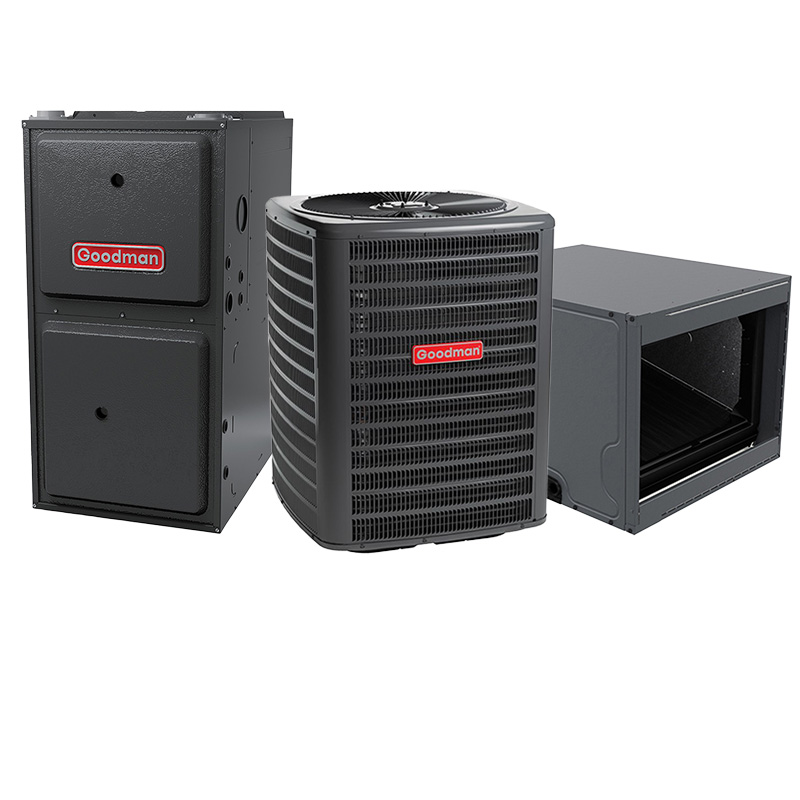
Goodman Furnace And Air Conditioner 2.5 Ton 16 SEER2 AC With 60000 BTU 80% AFUE Two Stage Multi-Speed ECM Gas Furnace System – Horizontal | R32
View on AC Direct see your lowest price →Check current price on AC Direct →
Key features
- 2.5-ton, 16 SEER2 cooling for mid-efficiency energy performance
- 60,000 BTU two-stage gas furnace for steadier temperatures and quieter operation
- 80% AFUE rating — meets federal minimums with room for upgrade to high-efficiency
- Multi-speed ECM blower motor reduces electricity use and noise versus PSC motors
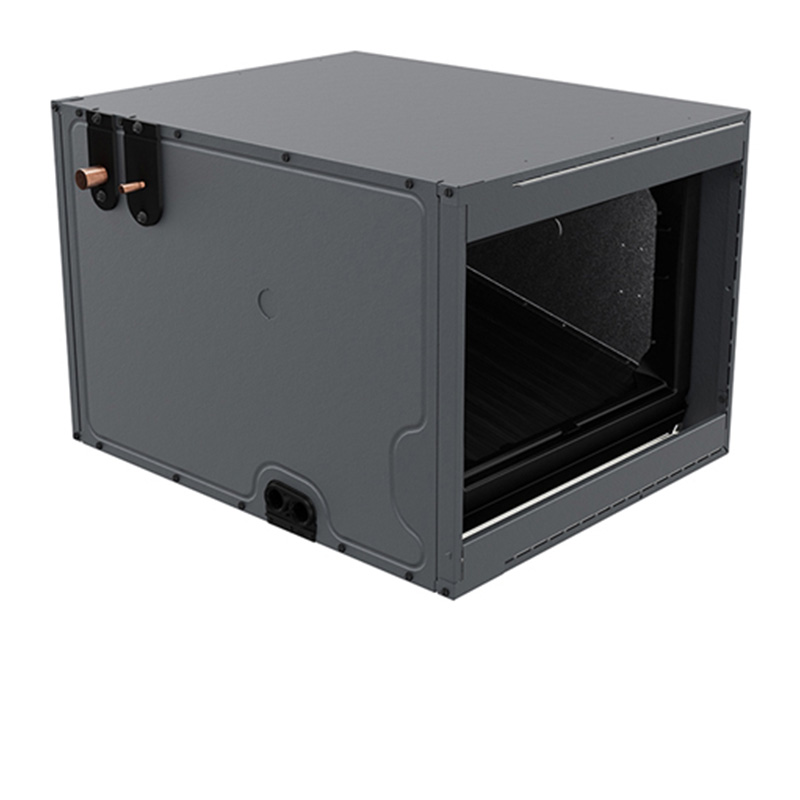
- Horizontal configuration designed for attic, crawl space, or side-load installations
- R-32 refrigerant with lower global-warming potential than legacy R-410A
About this system
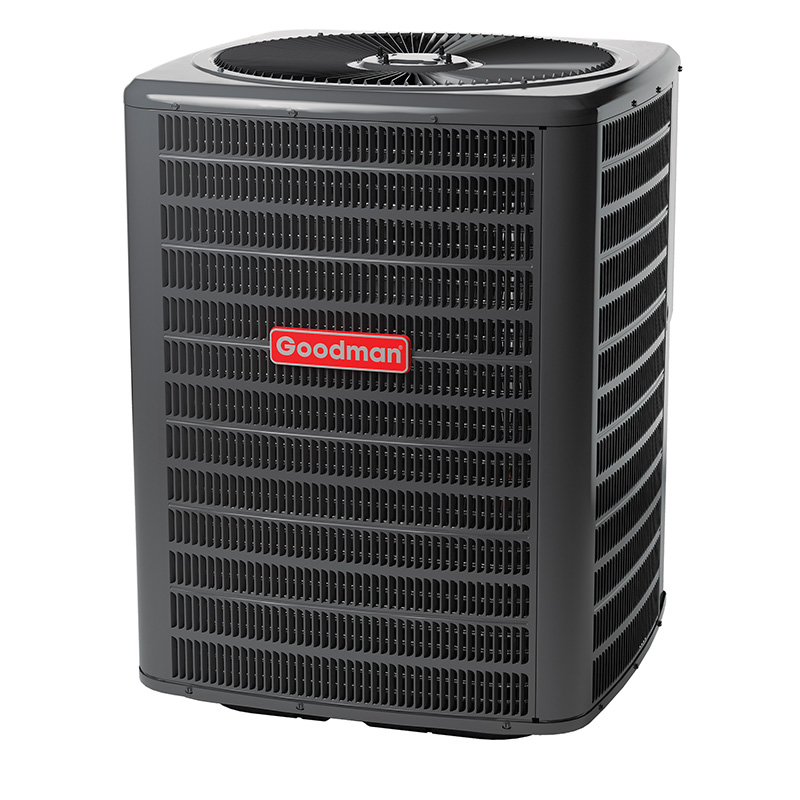
This Goodman bundle pairs a 2.5-ton, 16 SEER2 R-32 air conditioner with a 60,000 BTU, 80% AFUE two-stage gas furnace in a horizontal configuration, making it a strong candidate for homes where the air handler sits in a crawl space, attic, or tight utility closet that cannot accommodate a vertical unit. The 16 SEER2 rating lands in the mid-efficiency tier, meaningfully above federal minimums but below the 18-plus range of premium variable-speed systems, so expect solid but not exceptional energy savings on cooling bills. R-32 refrigerant is a forward-looking choice: it carries a lower global-warming potential than the R-410A it replaces and is increasingly the industry standard.
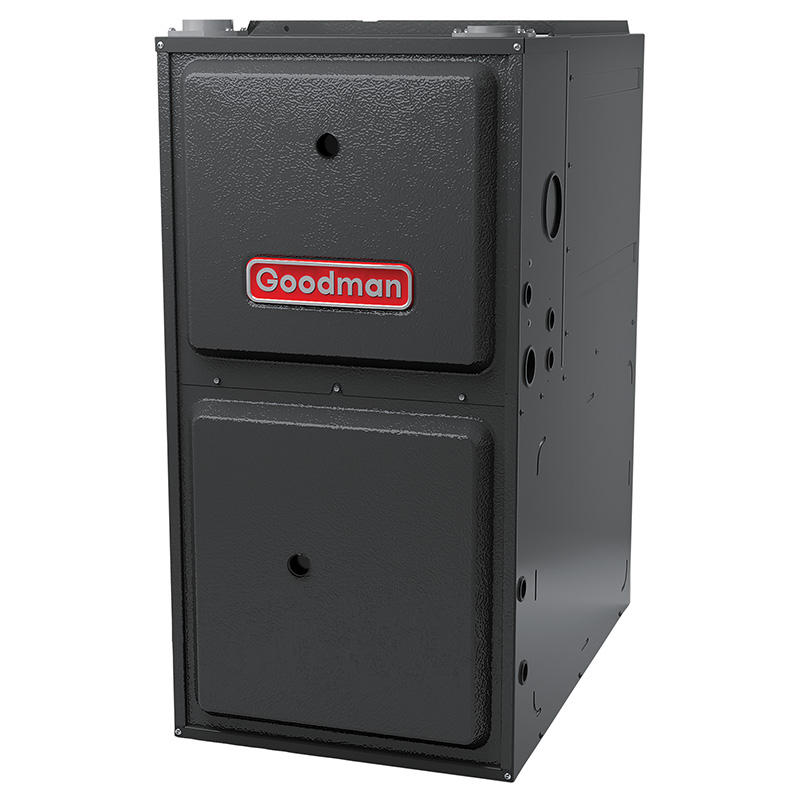
The two-stage furnace is where this system earns real comfort points. Running on low fire the majority of the time, it cycles less often, holds steadier temperatures, and reduces the short-cycling that hammers single-stage equipment. The multi-speed ECM blower motor pairs well with that two-stage operation, moving air more quietly and consuming significantly less electricity than a standard PSC motor. For a 1,200- to 1,800-square-foot home in a mixed heating and cooling climate, these specs hit a practical sweet spot between upfront cost and day-to-day performance. Buyers in warmer climates where the furnace runs hard only a few months a year may find the 80% AFUE furnace a comfortable compromise; those in harsh northern winters might weigh whether a 96% AFUE model would pay back its premium faster.
This Goodman horizontal bundle delivers a genuinely capable two-stage, ECM system at a price point roughly 15 to 25 percent below comparable Trane, Lennox, and Carrier configurations, which is its clearest advantage. The comfort features punch above the price, but the brand's real-world reliability record shows some friction after year seven, and outcomes depend heavily on how carefully the system is installed and commissioned. Buyers who invest in a quality install and understand the long-term trade-offs will likely be satisfied; those expecting premium-brand durability without the premium cost may eventually be disappointed.
Overall score is the average of the five ratings above.
What we like
- Two-stage operation provides more consistent temperatures and fewer on/off cycles than single-stage alternatives at this price
- ECM blower motor cuts fan electricity consumption and reduces system noise during low-demand operation
- R-32 refrigerant is a lower-GWP, future-oriented refrigerant now becoming the industry norm
- Horizontal configuration opens up installation options in attics, crawl spaces, and tight utility areas
- Priced 15 to 25 percent below comparable Trane, Lennox, and Carrier systems, lowering the barrier to a two-stage setup
Trade-offs
- Dual-run capacitors are the most commonly reported failure point, typically surfacing within 5 to 10 years and costing 300 to 600 dollars to address
- Evaporator coil leaks appear in a notable share of owner reviews, a concern to monitor especially beyond year five
- Compressor lifespan averages 10 to 14 years versus 15 to 20 years documented for premium-brand competitors
- 80% AFUE is the lowest efficiency tier for gas furnaces, which will cost more to operate than a 90-plus percent unit in cold climates with heavy heating loads
What homeowners and pros say about Goodman
Homeowners who post about Goodman on complaint-heavy platforms like ConsumerAffairs give the brand roughly 2.5 out of 5 stars, with repair costs climbing after about year seven being the most consistent grievance. On Google, dealer-level reviews average closer to 3.8 out of 5 across hundreds of location reviews, where affordability is cited most often as the reason buyers chose Goodman and are glad they did. The gap between those two numbers tells you something useful: owners who got a clean install and kept up with maintenance tend to be reasonably satisfied, while those who ran into trouble attribute their frustration to the repair bills that follow, not the initial purchase price. The documented failure pattern for this brand centers on three specific issues — dual-run capacitor failures (common, inexpensive to fix), evaporator coil leaks (less common but more disruptive), and compressor lifespans that typically run 10 to 14 years rather than the 15 to 20 years seen in premium equipment.
HVAC technicians tend to have a pragmatic view of Goodman: the equipment is considered installable and serviceable, parts are widely stocked, and the two-stage furnace and ECM motor in this particular configuration are features they associate with better comfort outcomes than a basic single-stage box at the same or lower price. Where pros get cautious is on the install itself. Because Goodman’s performance and longevity lean harder on installation quality than Trane or Carrier, a horizontal attic or crawl-space setup like this one demands a technician who pays close attention to refrigerant charge, condensate pitch, and duct static pressure. Get that right and this system offers genuine value. Cut corners and you may be back on the phone sooner than the warranty period ends.
Sources: ConsumerAffairs Goodman owner reviews, AHRI Directory of Certified Product Performance, U.S. DOE appliance and equipment efficiency standards, Goodman product specification sheets.
What it costs to run
At 16 SEER2, cooling this 2.5-ton system for a typical 1200-hour cooling season at the U.S. average electricity rate of $0.17/kWh works out to roughly $382 per year in cooling, about $75 less per year than a minimum-efficiency 13.4 SEER2 unit of the same size. Your real cost depends on your climate and local rate.
Method: (30,000 BTU/hr ÷ 16 SEER2) × 1200 hours ÷ 1000 × $0.17/kWh. Rate source: U.S. EIA average; cooling hours: moderate-climate estimate.
How it compares
| Brand | Comparable model | SEER2 | Stage | Price position |
|---|---|---|---|---|
| Goodman | This system — 2.5T 16 SEER2 R-32 Two-Stage Horizontal + 60K BTU 80% AFUE | 16 | Two-stage | Value pick |
| Carrier | Comfort 24ACC636A (AC) with 58TP 80% Gas Furnace | 16 | Single-stage | Typically 15 to 25 percent more than the Goodman bundle |
| Trane | XR16 (AC) with S8X1 80% Gas Furnace | 16 | Single-stage | Typically 15 to 25 percent more than the Goodman bundle |
| Lennox | Merit ML16XC1 (AC) with ML180 80% Gas Furnace | 16 | Single-stage | Typically 15 to 25 percent more than the Goodman bundle |
Competitor rows are comparable single-stage units at similar efficiency; price is relative position, not a quote.
Questions about this system
Why does this system use R-32 refrigerant, and will it be harder to service?
R-32 has a lower global-warming potential than R-410A and is being adopted broadly across the HVAC industry, so availability is growing. That said, not every local technician is currently equipped or certified for R-32, so it is worth confirming your chosen HVAC contractor has R-32 handling equipment before committing to this system.
Is horizontal installation more complicated or expensive than a standard upflow setup?
Horizontal installs add complexity because the unit must be correctly pitched for condensate drainage and properly supported on a platform or hangers, which increases labor time and the margin for errors. This configuration is also less common than upflow, so verify your installer has direct experience with horizontal setups specifically, since improper installation is the most frequently cited cause of early Goodman performance issues.
What does 80% AFUE actually mean for my heating bills, and should I upgrade?
80% AFUE means 80 cents of every dollar spent on gas becomes heat; the other 20 cents vents outside. In climates with mild winters or where natural gas prices are low, the payback period for upgrading to a 96% AFUE furnace can stretch to 10 or more years, making 80% a reasonable choice. In colder climates with long heating seasons, the higher-efficiency model often pays back within five to seven years.
Goodman capacitors seem to fail frequently — how worried should I be?
Dual-run capacitor failure is the single most commonly reported repair on Goodman equipment, but it is also one of the fastest and least expensive fixes in HVAC service, typically running 300 to 600 dollars. Signing up for an annual maintenance plan that includes a capacitor check each season is a straightforward way to catch a weakening capacitor before it leaves you without cooling on a hot day.
What warranty comes with this Goodman system, and what do I need to do to keep it valid?
Goodman typically offers a 10-year parts warranty when the equipment is registered within a set window after installation, dropping to a shorter period if registration is missed. The warranty covers parts but not labor, so out-of-pocket repair costs after the first year can still be significant. Confirm registration requirements with your installer at the time of purchase, and retain all paperwork.
Specifications
| Cooling capacity | 2.5 Ton |
| Efficiency | 16 SEER2 |
| Furnace output | 60000 BTU |
| Furnace efficiency | 80% AFUE |
| Configuration | Horizontal |
| Refrigerant | R-32 |