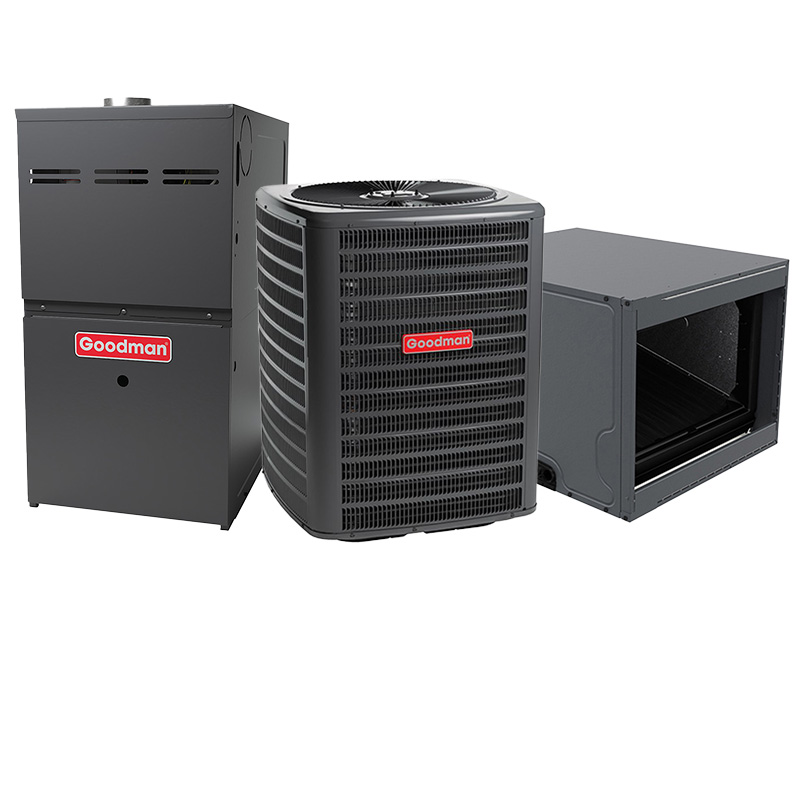
Goodman Furnace And Air Conditioner 2.5 Ton 16 SEER2 AC With 80000 BTU 80% AFUE Multi-Speed ECM Gas Furnace System – Horizontal | R32
View on AC Direct see your lowest price →Check current price on AC Direct →
Key features
- 2.5-ton cooling capacity with 16 SEER2 efficiency rating
- 80,000 BTU output at 80% AFUE for single-stage gas heat
- Multi-speed ECM blower motor for variable airflow and lower operating noise
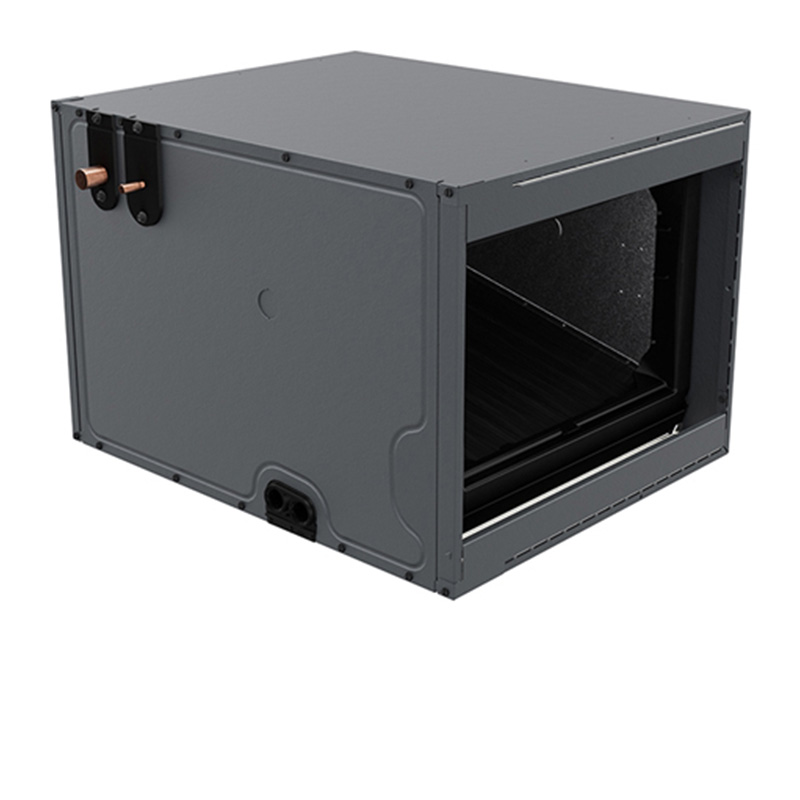
- Horizontal cabinet orientation for crawlspace, attic, or side-discharge installs
- R-32 refrigerant charge with lower global warming potential than R-410A
- Factory-matched coil and air handler for simplified warranty registration
About this system
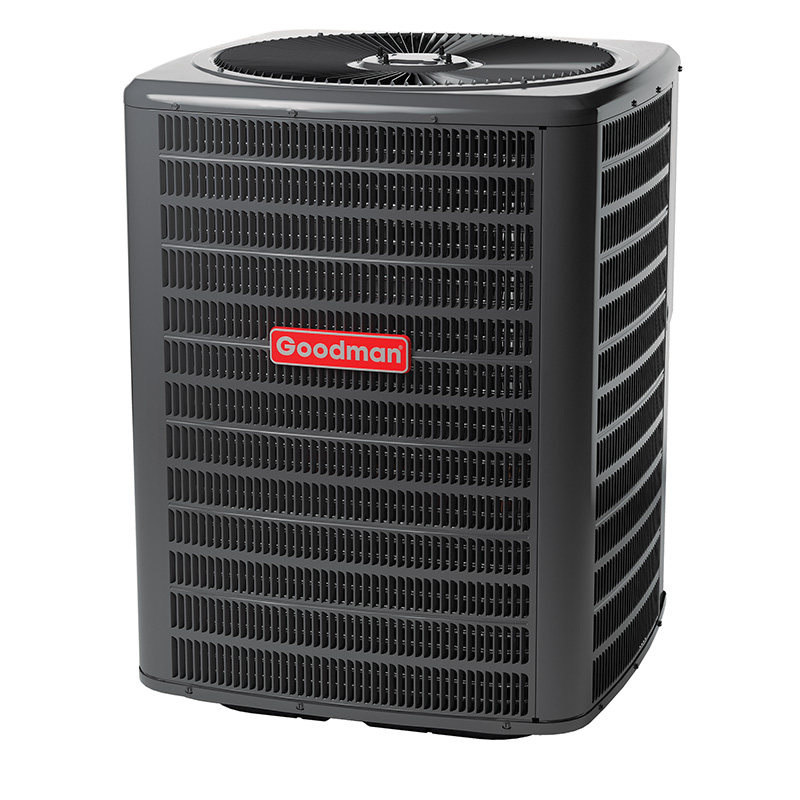
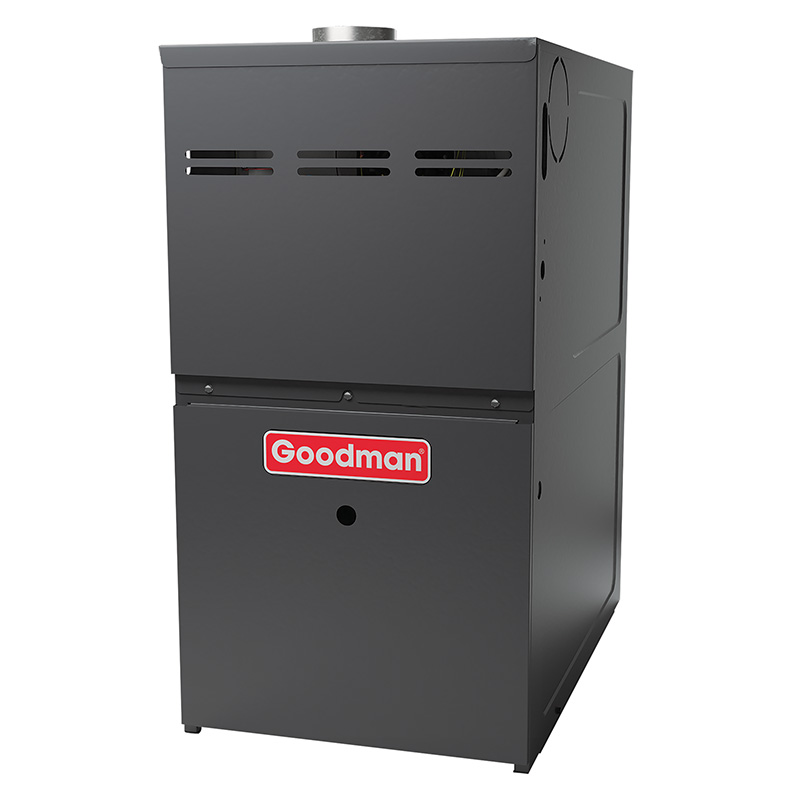
This Goodman bundle pairs a 2.5-ton, 16 SEER2 central air conditioner with an 80,000 BTU, 80% AFUE multi-speed ECM gas furnace in a horizontal configuration, making it a practical choice for homes where the air handler sits in a crawlspace, basement, or attic with limited vertical clearance. At 2.5 tons, it is sized for roughly 1,200 to 1,600 square feet of well-insulated living space, though a proper Manual J load calculation by your installer is the only reliable way to confirm fit for your specific home. The R-32 refrigerant charge is a forward-looking choice: R-32 has a lower global warming potential than the R-410A it replaces and is becoming the industry standard, so future service technicians will have no trouble sourcing it.
The 16 SEER2 rating sits at the entry level of mid-efficiency territory, meeting or exceeding the federal minimums now in effect across most U.S. climate zones without reaching the higher price tier of 18 SEER2 and above equipment. The furnace side delivers 80% AFUE, meaning 80 cents of every dollar of gas burned becomes usable heat. That is adequate for mild to moderate winters but falls short of the 90%+ AFUE threshold worth considering in colder climates where heating bills are a major annual expense. The ECM multi-speed blower motor is a genuine upgrade over a single-speed PSC motor: it ramps airflow up and down to match conditions, which reduces electricity draw, lowers noise during lower-demand operation, and improves humidity control in cooling mode.
This Goodman bundle is a cost-conscious entry into mid-efficiency HVAC territory: the specs are honest, the price is competitive, and the ECM motor adds real day-to-day value. However, Goodman's documented record of capacitor failures, evaporator coil leaks in a meaningful share of units, and compressor longevity that trails premium brands means buyers should budget for maintenance and not skip the extended warranty conversation with their dealer.
Overall score is the average of the five ratings above.
What we like
- Priced 15 to 25 percent below comparable Trane, Lennox, and Carrier systems, leaving room in the budget for a quality install
- ECM multi-speed blower meaningfully cuts fan electricity use and improves humidity removal compared to single-speed motors
- R-32 refrigerant is serviceable today and aligns with long-term industry direction, avoiding near-term refrigerant sourcing headaches
- Factory-matched system simplifies commissioning and preserves warranty coverage under a single manufacturer
- Horizontal configuration directly addresses homes where vertical equipment placement is not feasible
Trade-offs
- 80% AFUE is the minimum efficiency tier; homeowners in cold climates will pay noticeably more in gas costs than with a 96% AFUE alternative
- Dual-run capacitor failures are the most commonly documented issue, typically appearing after year 5 to 7 and costing 300 to 600 dollars per incident
- Compressor lifespan averages 10 to 14 years versus 15 to 20 years for premium-brand compressors, meaning a mid-life replacement is a realistic planning item
- Evaporator coil leaks appear in a meaningful share of owner reports, and a minority of units arrive with refrigerant charge or leak issues that trace back to install quality
What homeowners and pros say about Goodman
Homeowners who have purchased Goodman systems tend to split into two camps, and the reasons are clear when you look at the data. On Google dealer reviews, Goodman equipment averages around 3.8 out of 5 stars across locations, where the most consistent praise centers on upfront affordability and the straightforward fact that the equipment does what the spec sheet says it will in the early years. On ConsumerAffairs, the picture is rougher: Goodman scores roughly 2.5 out of 5, a channel that skews toward dissatisfied owners, and the recurring complaint is that repair costs start to accumulate noticeably around year 7 or later. Dual-run capacitor failures are the most documented service item, a relatively low-cost repair at 300 to 600 dollars but one that becomes frustrating if it repeats. Evaporator coil leaks show up in a meaningful share of long-term owner accounts, and compressor longevity at an average of 10 to 14 years trails the 15 to 20 years typical of premium-brand compressors. A minority of first-year refrigerant leak reports trace back to installation errors rather than factory defects, which reinforces why installer selection matters as much as brand choice for this equipment.
HVAC professionals who work on Goodman equipment regularly offer a nuanced view: the hardware is serviceable and parts are widely stocked, which keeps repair wait times short in most markets. The concern technicians raise most often is that Goodman’s performance ceiling depends heavily on the quality of the initial install, from proper line set work to correct refrigerant charge to verified airflow at startup. A well-installed Goodman system in a home with realistic maintenance expectations can deliver solid years of service. The same system rushed through a low-bid install is where the ConsumerAffairs complaints tend to originate. For this horizontal 16 SEER2 bundle specifically, the ECM blower motor is a component technicians generally regard positively for its reliability profile compared to single-speed alternatives, and the R-32 refrigerant transition is considered a non-issue for service going forward.
Sources: ConsumerAffairs Goodman owner reviews, AHRI Directory of Certified Product Performance, U.S. DOE appliance and equipment efficiency standards, Goodman product specification sheets.
What it costs to run
At 16 SEER2, cooling this 2.5-ton system for a typical 1200-hour cooling season at the U.S. average electricity rate of $0.17/kWh works out to roughly $382 per year in cooling, about $75 less per year than a minimum-efficiency 13.4 SEER2 unit of the same size. Your real cost depends on your climate and local rate.
Method: (30,000 BTU/hr ÷ 16 SEER2) × 1200 hours ÷ 1000 × $0.17/kWh. Rate source: U.S. EIA average; cooling hours: moderate-climate estimate.
How it compares
| Brand | Comparable model | SEER2 | Stage | Price position |
|---|---|---|---|---|
| Goodman | This system (2.5T 16 SEER2 AC + 80K BTU 80% AFUE ECM Horizontal) | 16 | Single-stage | Value pick |
| Carrier | Comfort 24ACC6 series (paired with 58SB single-stage 80% AFUE furnace) | 16 | Single-stage | Typically 15 to 25 percent more than Goodman |
| Trane | XR16 series (paired with S8X1 single-stage 80% AFUE furnace) | 16 | Single-stage | Typically 15 to 25 percent more than Goodman |
| Lennox | Merit ML16XC1 series (paired with ML180 single-stage 80% AFUE furnace) | 16 | Single-stage | Typically 15 to 25 percent more than Goodman |
Competitor rows are comparable single-stage units at similar efficiency; price is relative position, not a quote.
Questions about this system
Is 80% AFUE good enough for my climate, or should I upgrade to a 96% furnace?
For homeowners in USDA climate zones 1 through 3, or anywhere with fewer than roughly 4,500 heating degree days per year, 80% AFUE is generally acceptable and the payback period on a higher-efficiency furnace can exceed 10 years. In colder zones, a 96% AFUE unit typically pays back the price difference in 4 to 7 years through lower gas bills, making the upgrade worth serious consideration.
What does the horizontal configuration actually mean, and can the furnace be installed in other orientations?
Horizontal means the cabinet is designed to lie on its side with the airflow moving horizontally through the unit, which is common in crawlspaces, attics, and platform-style basement installs. This specific model is rated for horizontal use; if your application requires upflow or downflow orientation, you would need a different cabinet configuration from Goodman's lineup.
What are the most likely repairs I should plan for over the first 10 years?
Based on documented owner and technician reports, dual-run capacitor replacement is the most common service call, typically a straightforward repair costing 300 to 600 dollars. Evaporator coil leaks are the next most frequently cited issue and carry a higher repair cost, so keeping the system on a maintenance plan that includes annual refrigerant checks is worthwhile. Compressor replacement is less common in the first decade but more likely after year 10 than with premium-brand equipment.
Does R-32 refrigerant cost more to service than R-410A?
R-32 pricing is currently comparable to R-410A in most markets, and availability is growing as more manufacturers adopt it. Because R-32 is a single-component refrigerant rather than a blend, it can be topped off after a verified leak repair without full system recovery and recharge, which can reduce labor time and cost in some service scenarios.
How important is installer quality for this specific system, and what should I look for when hiring?
HVAC technicians consistently cite install quality as the single most influential factor in Goodman system longevity. A minority of early refrigerant leak complaints trace directly to improper line set work or an incorrect charge at startup. Look for an installer who will perform a Manual J load calculation before sizing, pressure-test the line set before charging, and verify static pressure and airflow after startup. Cutting corners on any of those steps increases the risk of the issues Goodman's documented failure modes already highlight.
Specifications
| Cooling capacity | 2.5 Ton |
| Efficiency | 16 SEER2 |
| Furnace output | 80000 BTU |
| Furnace efficiency | 80% AFUE |
| Configuration | Horizontal |
| Refrigerant | R-32 |