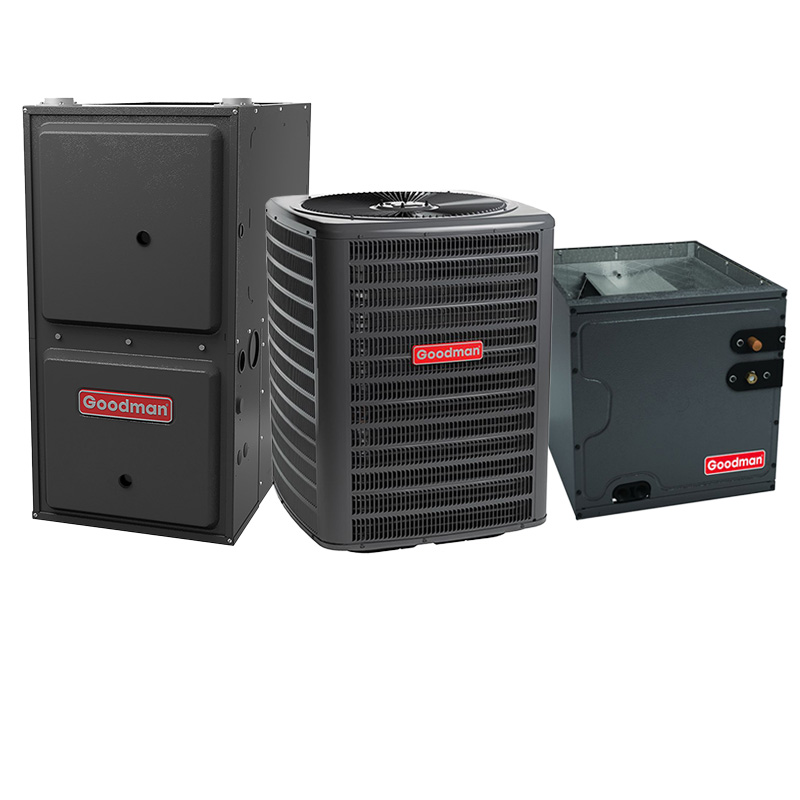
Goodman Furnace And Air Conditioner 2 Ton 14.5 SEER2 AC With 60000 BTU 80% AFUE Multi-Speed ECM Gas Furnace System – Downflow | R32
View on AC Direct see your lowest price →Check current price on AC Direct →
Key features
- 14.5 SEER2 cooling efficiency meets current federal minimum standards for most U.S. regions
- 60,000 BTU capacity at 80% AFUE for entry-level heating efficiency
- Multi-speed ECM blower motor for quieter, more efficient airflow than single-speed alternatives
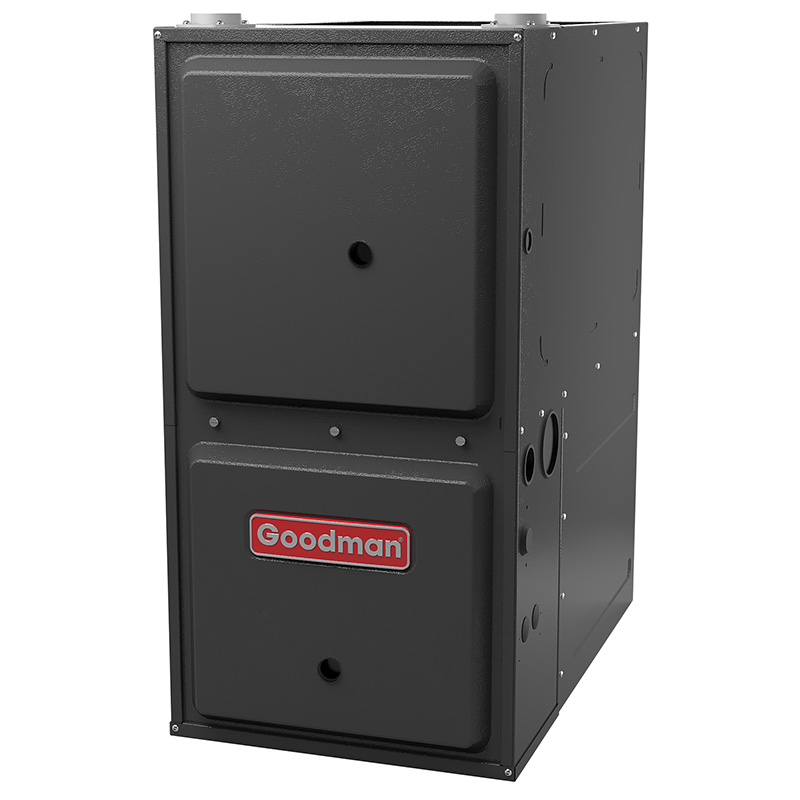
- Downflow configuration designed for installations supplying air through floor registers
- R-32 refrigerant with lower global-warming potential than R-410A
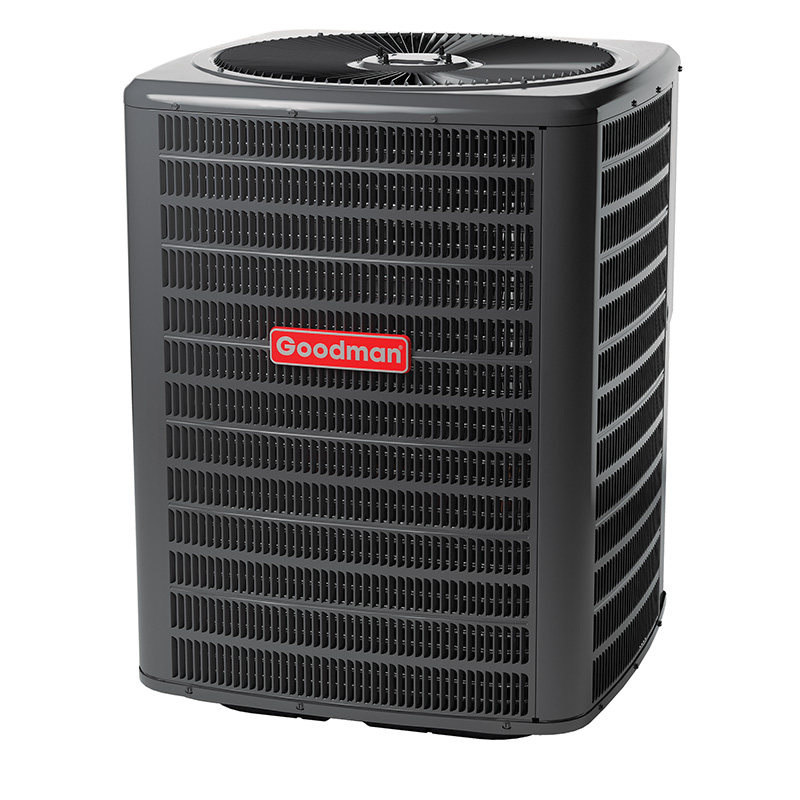
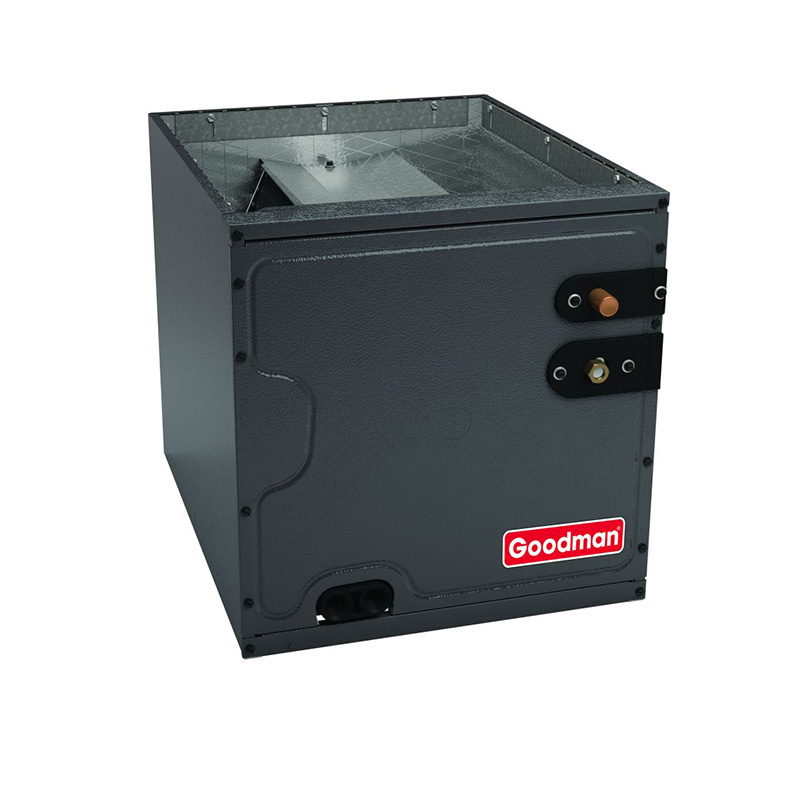
- Factory-matched system designed for compatibility between the outdoor condenser and indoor furnace coil
About this system
This Goodman bundle pairs a 2-ton, 14.5 SEER2 central air conditioner with a 60,000 BTU, 80% AFUE multi-speed ECM gas furnace in a downflow configuration, making it a practical choice for homes where the air handler sits above a crawlspace or in a closet that supplies conditioned air downward through floor registers. The R-32 refrigerant charge is a forward-looking detail: R-32 has a lower global-warming potential than the R-410A it replaces, and it is increasingly what regulators and manufacturers are moving toward, so servicing this system should remain straightforward for years to come.
On paper, 14.5 SEER2 sits at the current federal minimum efficiency tier for most U.S. climate regions, which means it qualifies for installation but does not earn a federal tax credit on its own. The 80% AFUE furnace is similarly entry-level: one dollar in five leaves the flue as waste heat. Homeowners in mild climates or those prioritizing upfront cost over long-term energy savings will find that tradeoff acceptable. Those in cold climates who run the furnace heavily from October through March may want to price out a 96% AFUE alternative before committing. The multi-speed ECM blower motor is a genuine upgrade over single-speed PSC motors common at this price point, offering quieter operation and better dehumidification at part load.
This Goodman system offers a dependable entry point for budget-conscious homeowners who want a factory-matched furnace and AC bundle without paying premium-brand prices. The efficiency specs are baseline rather than impressive, and long-term ownership costs depend heavily on how well it is installed and maintained. It is a reasonable buy for the right buyer, not a set-it-and-forget-it purchase.
Overall score is the average of the five ratings above.
What we like
- Priced roughly 15 to 25 percent below comparable Carrier, Trane, and Lennox systems
- Factory-matched coil and condenser reduce compatibility guesswork for installers
- Multi-speed ECM blower motor improves comfort and humidity control over basic single-speed motors
- R-32 refrigerant is serviceable and increasingly stocked by technicians
- Downflow configuration is well-suited to slab homes with closet or utility-room air handlers
Trade-offs
- 80% AFUE is the lowest efficiency tier available; high heating-season users will pay more in gas bills over time
- 14.5 SEER2 is the federal minimum, offering no energy-bill advantage over competing entry-level systems
- Dual-run capacitors and evaporator coil leaks are documented failure points that can add repair costs after the first few years
- Compressor lifespan averages 10 to 14 years, shorter than the 15 to 20 years typical of premium-brand compressors
What homeowners and pros say about Goodman
Homeowners who track Goodman on review platforms get a mixed picture. On ConsumerAffairs, where frustrated owners are more likely to post, Goodman scores around 2.5 out of 5, and the recurring complaint is repair costs that begin climbing after year seven or so. Google dealer reviews, which capture a broader range of experiences, land closer to 3.8 out of 5, with affordability cited most often as the reason buyers are satisfied. For this specific downflow system, the feedback pattern is consistent with the brand overall: buyers who prioritize upfront price and get a careful installation tend to be satisfied in the early years, while those who cut corners on commissioning or draw a bad installer report problems sooner.
HVAC technicians who work on Goodman equipment regularly point to two failure modes worth knowing before you buy. Dual-run capacitors are the most common service call, and while they are a relatively low-cost fix in the 300 to 600 dollar range, they tend to show up with some regularity on units past the five-year mark. Evaporator coil leaks are a more serious issue documented in a meaningful share of owner reviews, and a minority of owners report refrigerant leaks within the first year, which technicians usually trace back to installation or charge problems rather than a factory defect. Compressor life on Goodman equipment tends to average 10 to 14 years, which is a real gap compared to the 15 to 20 years premium brands often achieve. None of this makes Goodman a bad choice at this price point, but it does argue for budgeting for maintenance and not skimping on the installer.
Sources: ConsumerAffairs Goodman owner reviews, AHRI Directory of Certified Product Performance, U.S. DOE appliance and equipment efficiency standards, Goodman product specification sheets.
What it costs to run
At 14.5 SEER2, cooling this 2-ton system for a typical 1200-hour cooling season at the U.S. average electricity rate of $0.17/kWh works out to roughly $338 per year in cooling, about $27 less per year than a minimum-efficiency 13.4 SEER2 unit of the same size. Your real cost depends on your climate and local rate.
Method: (24,000 BTU/hr ÷ 14.5 SEER2) × 1200 hours ÷ 1000 × $0.17/kWh. Rate source: U.S. EIA average; cooling hours: moderate-climate estimate.
How it compares
| Brand | Comparable model | SEER2 | Stage | Price position |
|---|---|---|---|---|
| Goodman | GLXS4BA24 / GCVC8 60 (this system) | 14.5 | Single-stage | Value pick |
| Carrier | Comfort 14 Series (24ACC4) | 14.3-14.5 | Single-stage | Typically 15 to 25 percent more than this Goodman bundle |
| Trane | XR14c Series | 14.3-15.0 | Single-stage | Typically 15 to 25 percent more than this Goodman bundle |
| Lennox | Merit ML14XC1 Series | 14.3-15.2 | Single-stage | Typically 15 to 25 percent more than this Goodman bundle |
Competitor rows are comparable single-stage units at similar efficiency; price is relative position, not a quote.
Questions about this system
Is this system eligible for the federal energy-efficiency tax credit?
At 14.5 SEER2 and 80% AFUE, this system meets the minimum federal installation standard but does not qualify for the 25C energy-efficiency tax credit, which requires higher thresholds (generally 15 SEER2 or above for AC and 97% AFUE or heat pump equipment for heating). Check with your tax advisor for your specific situation.
Why does the downflow configuration matter, and will it work in my home?
Downflow furnaces discharge conditioned air through the bottom of the cabinet into floor ducts, which is common in homes built on slabs where the air handler lives in a closet or utility room. If your existing system is upflow or horizontal, this unit will not be a direct swap and may require ductwork changes, so confirm your configuration with your installer before purchasing.
What are the most common repairs I should budget for over the life of this system?
Dual-run capacitors are the most frequently reported failure on Goodman condensers and typically cost between 300 and 600 dollars to replace, including labor. Evaporator coil leaks are also documented in owner reviews and can be a more expensive repair. Setting aside a small annual maintenance fund and keeping a service contract helps manage these costs.
How does R-32 refrigerant affect servicing and future-proofing?
R-32 is mildly flammable (A2L classification), which means technicians need specific certification and equipment to handle it safely, though most qualified HVAC contractors are already equipped for it. R-32 is not being phased out and is widely considered a long-term refrigerant, so finding service technicians should not be a problem going forward.
How much does install quality actually affect how long this system lasts?
HVAC technicians consistently cite installation as the single biggest variable in Goodman system longevity. Improper refrigerant charge, poor airflow setup, or undersized ductwork can accelerate compressor wear and coil problems regardless of the equipment brand. Getting the system commissioned by an experienced contractor and having it verified with a startup checklist is worth the extra cost.
Specifications
| Cooling capacity | 2 Ton |
| Efficiency | 14.5 SEER2 |
| Furnace output | 60000 BTU |
| Furnace efficiency | 80% AFUE |
| Configuration | Downflow |
| Refrigerant | R-32 |