Goodman Furnace And Air Conditioner 2 Ton 15.2 SEER2 AC With 60000 BTU 96% AFUE Multi-Speed ECM Gas Furnace System – Horizontal | R32
View on AC Direct see your lowest price →Check current price on AC Direct →
Key features
- 15.2 SEER2 cooling efficiency meets current federal minimums for most U.S. climate zones
- 96% AFUE furnace converts nearly all fuel to usable heat, qualifying as high-efficiency
- ECM multi-speed blower motor lowers electricity use and noise compared to single-speed PSC motors
- Horizontal configuration designed for attic, crawlspace, or side-discharge installations
- R-32 refrigerant charge with lower global-warming potential than legacy R-410A
- Matched coil-and-condenser system rated and tested together for published efficiency figures
About this system
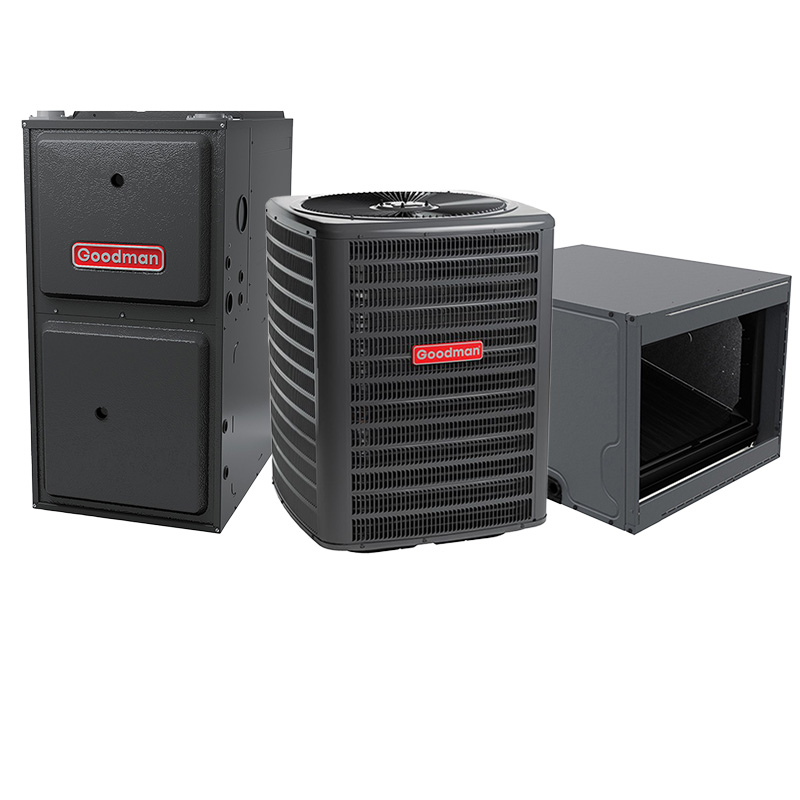
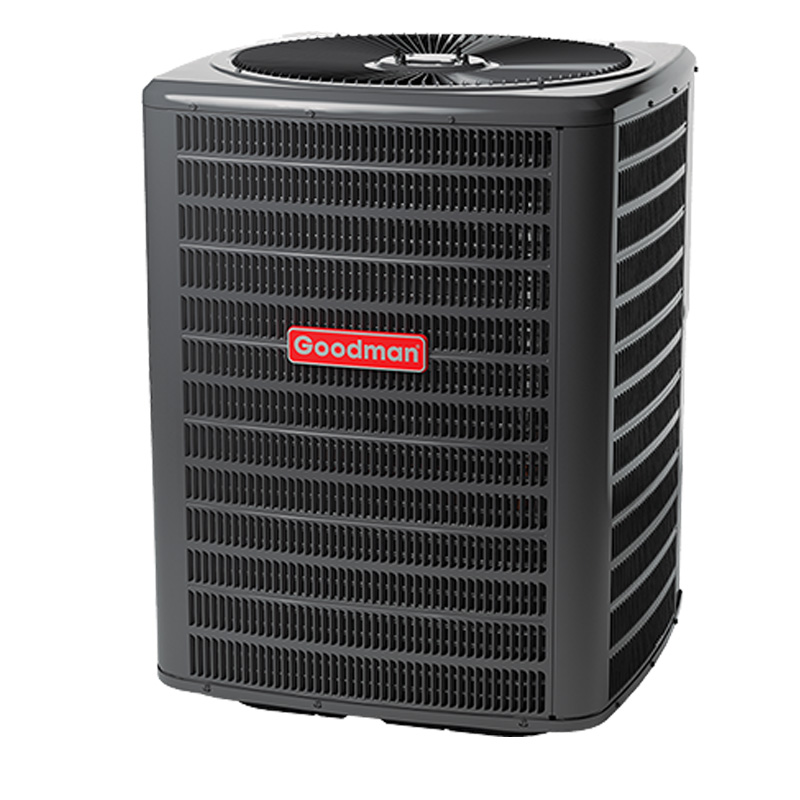
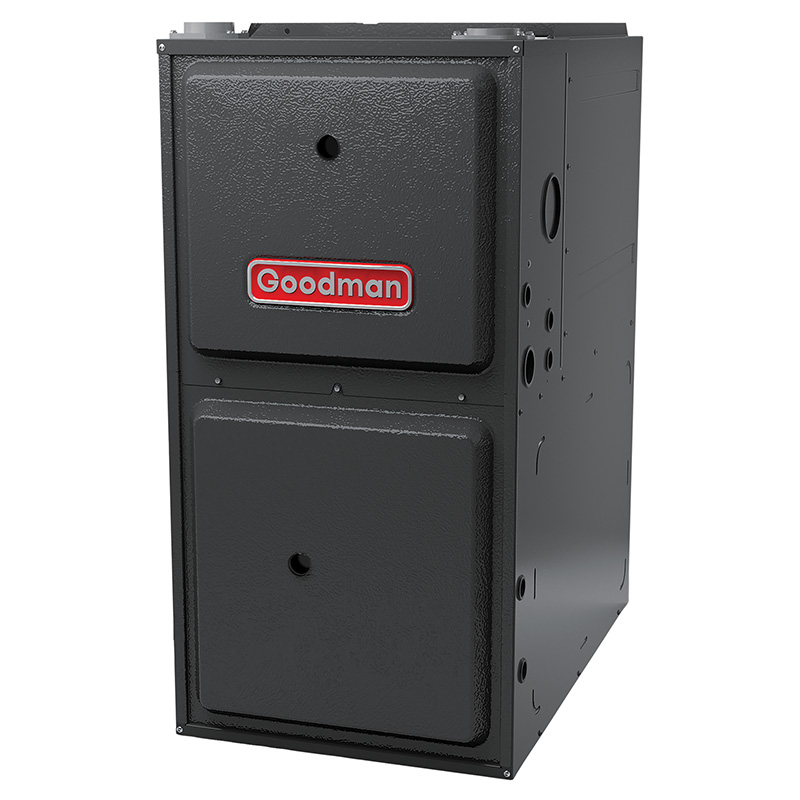
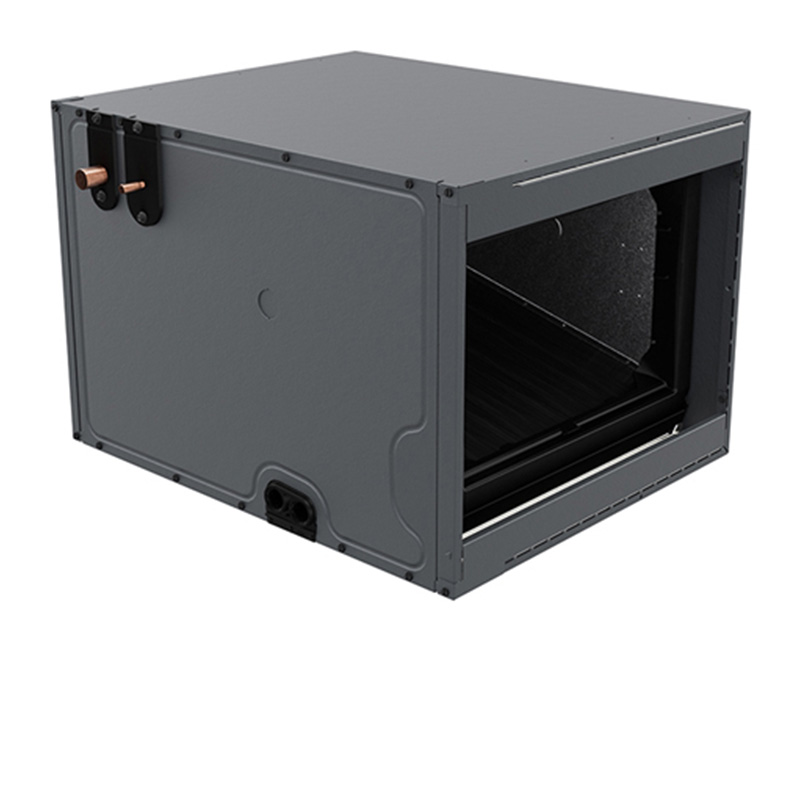
This Goodman package pairs a 2-ton, 15.2 SEER2 central air conditioner with a 60,000 BTU, 96% AFUE multi-speed ECM gas furnace configured for horizontal installation. That combination suits homes in the 800-to-1,200-square-foot range with good insulation, or slightly larger spaces in milder climates. The horizontal orientation makes it a practical fit for attic installations, crawlspace air handlers, or any application where vertical cabinet clearance is limited. R-32 refrigerant is the current industry direction: it carries a lower global-warming potential than R-410A and is becoming the standard as older refrigerants are phased out.
On the efficiency side, 15.2 SEER2 clears the federal minimum for most U.S. climate zones and will produce meaningful savings over older 13-SEER equipment, though it stops well short of the 18-plus SEER2 territory where variable-speed compressors live. The 96% AFUE furnace is a genuine high-efficiency unit: for every dollar of gas consumed, roughly 96 cents becomes heat. The ECM blower motor runs at multiple speeds rather than a fixed two, which improves air distribution, reduces electrical draw at partial load, and tends to run quieter than a single-speed PSC motor. Together, these specs represent a solid mid-tier efficiency package rather than a premium one, and the price reflects that honestly.
This Goodman combo delivers genuine high-efficiency heating and code-compliant cooling at a price point that undercuts comparable Carrier, Trane, and Lennox systems by a meaningful margin. The trade-off is a brand track record that shows more repair activity after year seven than premium alternatives, and a compressor lifespan that typically runs shorter than top-tier competitors. For budget-conscious buyers who want strong AFUE numbers and can budget for occasional maintenance, it earns its place; for buyers who prioritize the longest possible service life above all, the gap narrows when you factor in that cost difference.
Overall score is the average of the five ratings above.
What we like
- 96% AFUE furnace provides top-tier heating efficiency, reducing monthly gas bills compared to 80% units
- ECM multi-speed motor improves comfort and cuts fan electricity costs versus single-speed alternatives
- Priced roughly 15 to 25 percent below comparable Carrier, Trane, and Lennox systems
- R-32 refrigerant is forward-compatible as industry standards continue shifting away from R-410A
- Horizontal configuration opens up installation locations that vertical-only units cannot serve
Trade-offs
- Dual-run capacitors are the most commonly reported early failure, typically adding 300 to 600 dollars in service costs
- Compressor lifespan averages 10 to 14 years versus 15 to 20 years for premium brands under similar conditions
- Evaporator coil leaks appear in a notable share of owner reports, especially in units past year seven
- A minority of owners report refrigerant leaks within the first year, usually tied to install or charge quality rather than the equipment itself
What homeowners and pros say about Goodman
Homeowners who post about Goodman equipment tend to sort into two camps that mirror the brand’s ratings: those who got a clean install and largely forget the system exists for the first several years, and those who hit repair costs around year seven or eight and feel the savings evaporated. On ConsumerAffairs, Goodman scores around 2.5 out of 5, a channel that skews toward complaints, where the recurring frustration is maintenance costs climbing after the equipment clears its early years. Google dealer reviews across locations average closer to 3.8 out of 5, and the most common praise there is straightforward: people paid significantly less than they would have for a Carrier or Trane and got the system working. For a horizontal system like this one, the install-quality variable matters even more than usual because improper slope on the drain pan or a poor coil seal can accelerate the evaporator coil leak issues that already appear in a meaningful share of Goodman owner reports.
HVAC technicians who service Goodman units regularly tend to describe the brand as decent equipment that demands a careful first install and routine checkups. The dual-run capacitor is the component they flag most often as a predictable wear item, with failures common enough that experienced techs often check it proactively on any service call. Compressor longevity is the other honest gap: the 10-to-14-year average puts Goodman behind the 15-to-20-year range that premium brands more reliably hit, which matters when you are sizing up a horizontal attic unit where replacement access is not trivial. The refrigerant leak reports in the first year are almost always attributed to charge or installation errors rather than factory defects, which underlines how much of this unit’s long-term performance depends on who puts it in and how carefully they do it.
Sources: ConsumerAffairs Goodman owner reviews, AHRI Directory of Certified Product Performance, U.S. DOE appliance and equipment efficiency standards, Goodman product specification sheets.
What it costs to run
At 15.2 SEER2, cooling this 2-ton system for a typical 1200-hour cooling season at the U.S. average electricity rate of $0.17/kWh works out to roughly $322 per year in cooling, about $43 less per year than a minimum-efficiency 13.4 SEER2 unit of the same size. Your real cost depends on your climate and local rate.
Method: (24,000 BTU/hr ÷ 15.2 SEER2) × 1200 hours ÷ 1000 × $0.17/kWh. Rate source: U.S. EIA average; cooling hours: moderate-climate estimate.
How it compares
| Brand | Comparable model | SEER2 | Stage | Price position |
|---|---|---|---|---|
| Goodman | GSXH502410 + GMVC960603BN (horizontal coil matched) | 15.2 | Single-stage AC / Multi-speed furnace | Value pick |
| Carrier | Comfort 14 Series (CA14NA) | ~15 SEER2 equivalent | Single-stage | Typically 15 to 25 percent more than Goodman |
| Trane | XR15 Series | ~15.2 SEER2 | Single-stage | Typically 15 to 25 percent more than Goodman |
| Lennox | Merit 14ACX Series | ~15 SEER2 equivalent | Single-stage | Typically 15 to 25 percent more than Goodman |
Competitor rows are comparable single-stage units at similar efficiency; price is relative position, not a quote.
Questions about this system
Does the horizontal configuration mean I can only install this in an attic or on its side?
Yes, horizontal units are specifically designed so the air handler lies on its side, which suits attics, crawlspaces, and some closet configurations with limited vertical clearance. If your installation site requires an upflow or downflow orientation, you would need a different cabinet configuration. Confirm with your installer that the drain pan and coil orientation are correct for horizontal use before purchase.
What does R-32 refrigerant mean for me as a homeowner, and will technicians be able to service it?
R-32 is a single-component refrigerant replacing the R-410A blend that older systems used. It has a lower environmental impact and is increasingly stocked by HVAC suppliers. Most licensed HVAC technicians already work with R-32, but it is worth confirming when you schedule service, since handling procedures differ slightly from R-410A and the equipment must be labeled properly for R-32 use.
The 96% AFUE rating sounds high. How much will it actually save on my gas bill?
Compared to a standard 80% AFUE furnace, a 96% AFUE unit wastes roughly 4 cents per dollar of gas instead of 20 cents, which translates to roughly 15 to 20 percent lower heating costs on the furnace side alone under similar usage. Actual savings depend on your local gas rates, your home's insulation, and how cold your climate gets. The ECM blower motor adds further electrical savings on top of the gas efficiency gains.
Goodman reviews I have read mention capacitor failures. Is this something I should budget for upfront?
Dual-run capacitor failure is the most commonly reported service issue across Goodman systems, and it can show up in the first few years as well as later in the unit's life. The repair typically costs between 300 and 600 dollars with a service call. Many HVAC technicians suggest keeping a note of the capacitor specs so any future service visit can include a quick check, and some homeowners opt to have a replacement capacitor on hand given how common the failure is.
The system is listed as multi-speed, but is that the same as variable speed? Will I get the same dehumidification and comfort as a premium variable-speed system?
Multi-speed and variable-speed are not the same. A multi-speed ECM motor steps between a fixed number of preset speeds, whereas a true variable-speed motor modulates continuously to match the exact load. You will get better comfort and humidity control than a single-speed unit, and the ECM motor is notably more efficient than a PSC motor at low speeds, but the dehumidification performance and fine-grained temperature control of a variable-speed system will be a step above this one. For most average homes in moderate climates, the multi-speed performance is entirely adequate.
Specifications
| Cooling capacity | 2 Ton |
| Efficiency | 15.2 SEER2 |
| Furnace output | 60000 BTU |
| Furnace efficiency | 96% AFUE |
| Configuration | Horizontal |
| Refrigerant | R-32 |