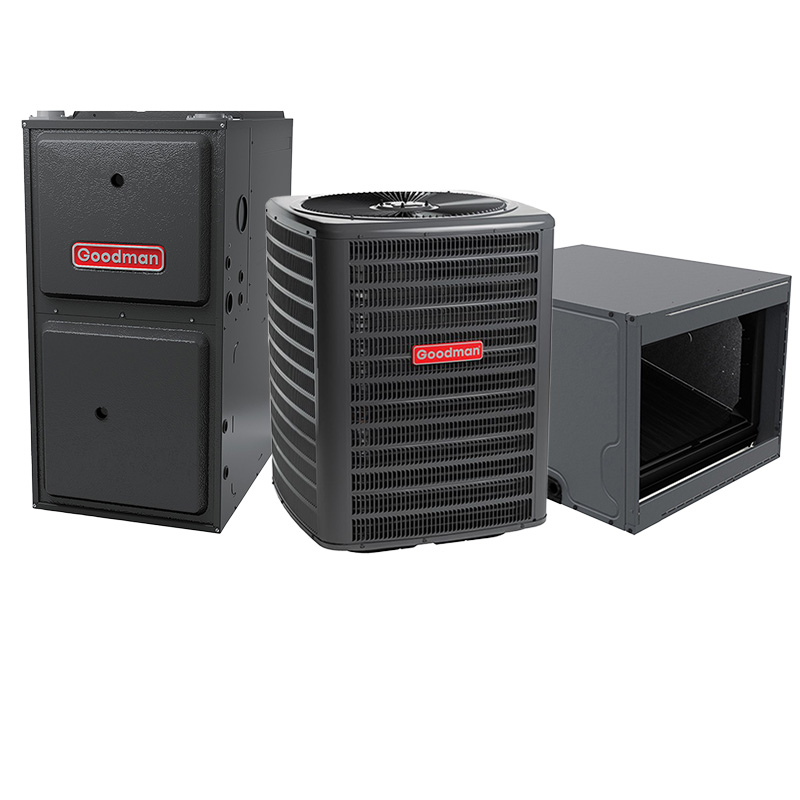
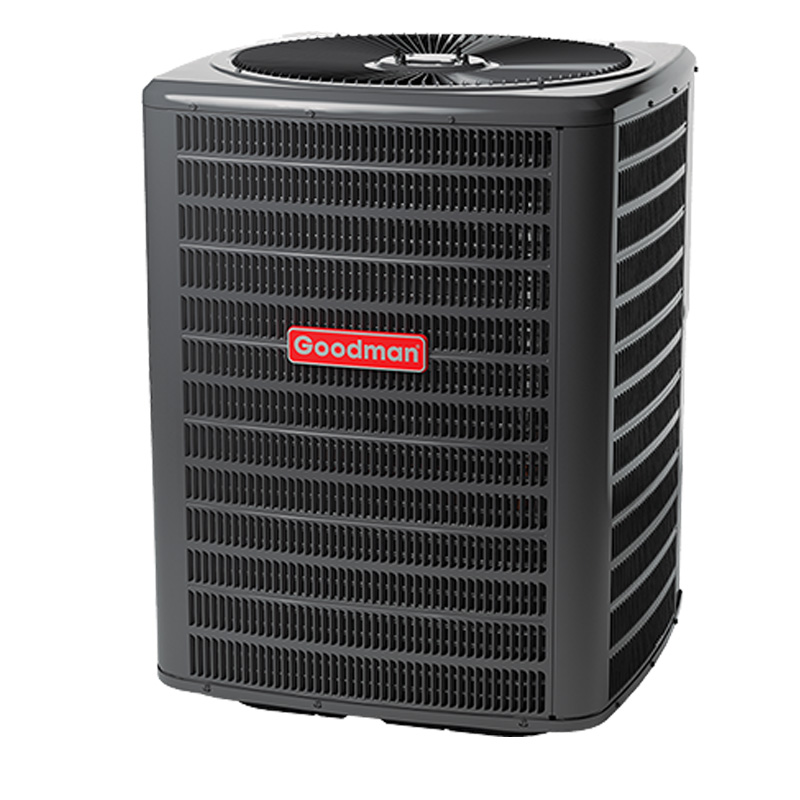
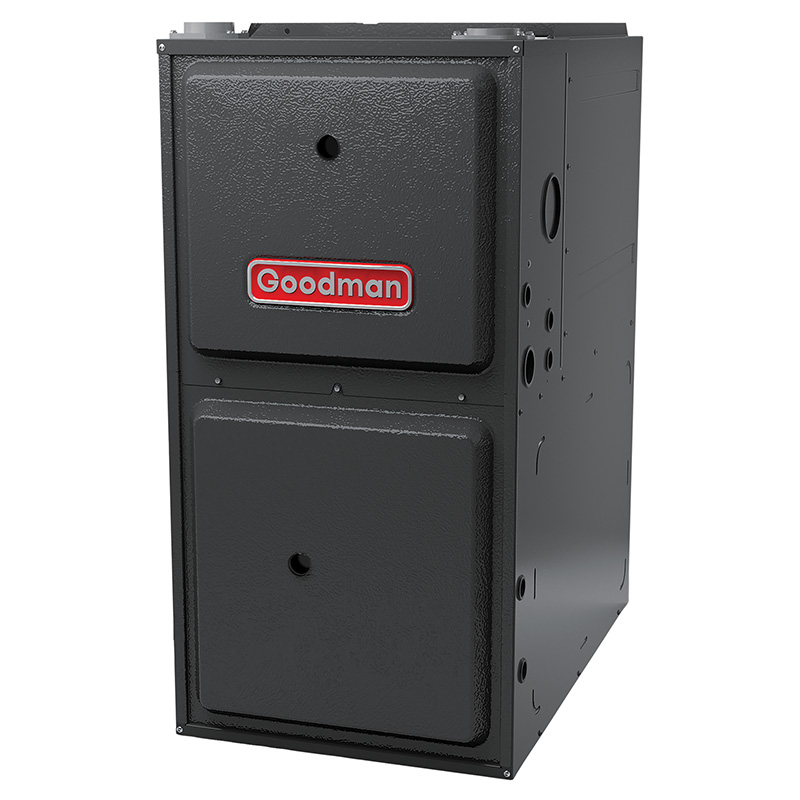
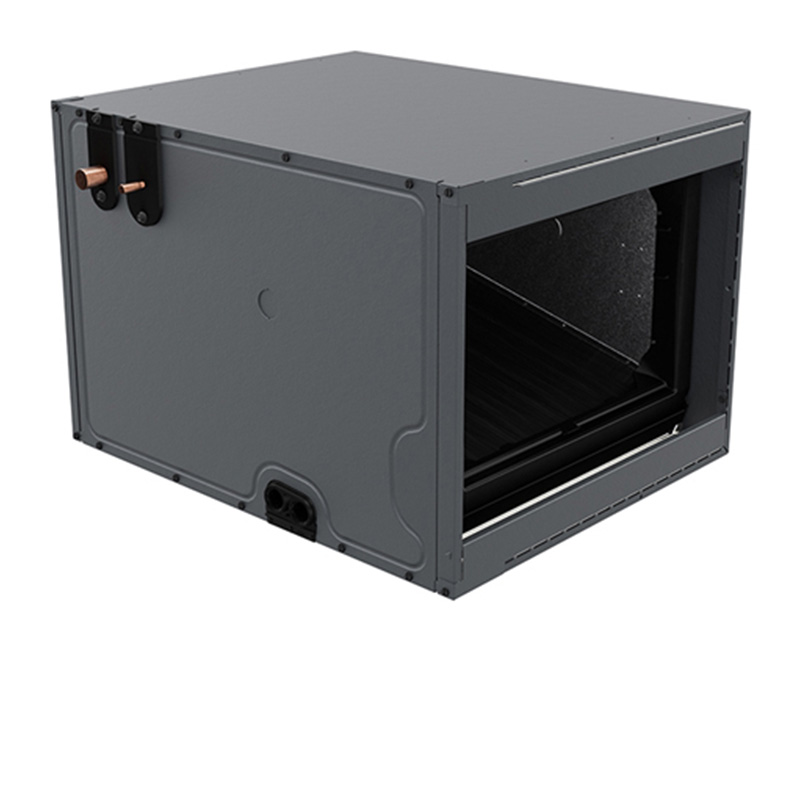
Goodman Furnace And Air Conditioner 3.5 Ton 14.5 SEER2 AC With 100000 BTU 96% AFUE Multi-Speed ECM Gas Furnace System – Horizontal | R32
View on AC Direct see your lowest price →Check current price on AC Direct →
Key features
- 3.5-ton cooling capacity suited to roughly 1,600 to 2,200 sq ft depending on climate and insulation
- 14.5 SEER2 efficiency meets current federal minimums with moderate energy savings
- 96% AFUE condensing furnace recovers most combustion heat, lowering winter gas bills
- Multi-speed ECM blower reduces electricity use and improves comfort versus single-speed motors
- R-32 refrigerant offers lower global warming potential and straightforward single-component service
- Horizontal configuration designed for attic, crawlspace, or side-mount utility closet installations
About this system
This Goodman bundle pairs a 3.5-ton, 14.5 SEER2 air conditioner with a 100,000 BTU, 96% AFUE multi-speed ECM gas furnace in a horizontal configuration, making it a practical choice for homes where the air handler sits in a crawlspace, attic, or utility closet oriented on its side. The 14.5 SEER2 rating clears the current federal minimum efficiency threshold by a small margin, so cooling costs will be modest rather than exceptional compared to mid- or high-efficiency alternatives. Where this system earns its keep is on the heating side: 96% AFUE means only 4 cents of every dollar spent on gas is lost as exhaust, which is genuine high-efficiency territory and a meaningful upgrade over 80% AFUE equipment.
The multi-speed ECM blower motor is a real differentiator at this price point. Unlike a fixed-speed motor, it ramps up and down to match demand, which softens temperature swings, reduces operating noise, and cuts blower electricity use compared to standard PSC motors. The R-32 refrigerant charge is also worth noting: R-32 has a lower global warming potential than the R-410A it replaces, and its single-component makeup simplifies future service. The horizontal-only configuration does narrow the install window, so confirm your equipment space can accommodate that orientation before purchasing.
This Goodman bundle is a solid budget-conscious pick if high-efficiency heating is a priority and your install space demands horizontal orientation. The 96% AFUE furnace and ECM blower deliver real performance value, but the 14.5 SEER2 cooling side is entry-level, and long-term ownership costs depend heavily on install quality and a willingness to budget for component repairs after year seven.
Overall score is the average of the five ratings above.
What we like
- 96% AFUE furnace is genuine high-efficiency and delivers lower heating bills compared to 80% AFUE equipment
- Multi-speed ECM motor improves comfort and cuts blower electricity use versus standard single-speed motors
- R-32 refrigerant is easier to service and has a lower environmental impact than R-410A
- Priced roughly 15 to 25 percent below comparable Trane, Lennox, and Carrier systems
- Horizontal configuration fills a real gap for attic and crawlspace installs where vertical units will not fit
Trade-offs
- 14.5 SEER2 is entry-level cooling efficiency; homeowners in hot climates will see limited savings compared to 17+ SEER2 equipment
- Dual-run capacitors are the most commonly reported failure, and evaporator coil leaks appear in a meaningful share of owner reports
- Compressor lifespan averages 10 to 14 years versus 15 to 20 years for premium brands, raising long-term replacement risk
- A minority of owners report refrigerant leaks in year one, typically tied to installation or initial charge issues rather than the equipment itself
What homeowners and pros say about Goodman
Homeowners who bought Goodman equipment tend to split into two camps, and both camps show up clearly in the available ratings data. On Google dealer reviews, where the brand scores around 3.8 out of 5 across a few hundred reviews per location, the most common praise is straightforward: the price is lower than the competition and the equipment heats and cools as advertised when installed correctly. On ConsumerAffairs, where the score sits at roughly 2.5 out of 5, the tone shifts. That channel attracts people motivated to write by a problem, and the recurring theme is repair costs that start climbing around year seven, which lines up with the documented shorter compressor lifespan of 10 to 14 years compared to 15 to 20 years for premium brands.
HVAC technicians who work on Goodman equipment frequently point to dual-run capacitor failures as the most common service call, a repair that usually lands in the 300 to 600 dollar range and is not unique to Goodman, though it comes up often enough to plan for. Evaporator coil leaks are a more serious documented issue that appears in a meaningful share of owner reports and costs more to address. A smaller group of owners report refrigerant leaks in the first year, and technicians generally attribute those to installation or initial charge problems rather than a factory defect. The takeaway across both professional and owner feedback is consistent: Goodman equipment can perform reliably, but the install matters more here than it would with a premium brand, and this horizontal configuration adds a layer of complexity that makes choosing an experienced contractor especially important.
Sources: ConsumerAffairs Goodman owner reviews, AHRI Directory of Certified Product Performance, U.S. DOE appliance and equipment efficiency standards, Goodman product specification sheets.
What it costs to run
At 14.5 SEER2, cooling this 3.5-ton system for a typical 1200-hour cooling season at the U.S. average electricity rate of $0.17/kWh works out to roughly $591 per year in cooling, about $48 less per year than a minimum-efficiency 13.4 SEER2 unit of the same size. Your real cost depends on your climate and local rate.
Method: (42,000 BTU/hr ÷ 14.5 SEER2) × 1200 hours ÷ 1000 × $0.17/kWh. Rate source: U.S. EIA average; cooling hours: moderate-climate estimate.
How it compares
| Brand | Comparable model | SEER2 | Stage | Price position |
|---|---|---|---|---|
| Goodman | GLXS4BA42 / GCVC961005CNA (this system) | 14.5 | Single-stage / Multi-speed ECM | Value pick |
| Carrier | Performance 14 / 24ACC6 series | 14.5 | Single-stage | Typically 15 to 25 percent more than this Goodman bundle |
| Trane | XR14 series / XC14 | 14.5 | Single-stage | Typically 15 to 25 percent more than this Goodman bundle |
| Lennox | Merit ML14XC1 series | 14.5 | Single-stage | Typically 15 to 25 percent more than this Goodman bundle |
Competitor rows are comparable single-stage units at similar efficiency; price is relative position, not a quote.
Questions about this system
Can this system be installed in a vertical upflow or downflow orientation, or is it strictly horizontal?
This particular bundle is configured for horizontal installation only. If your equipment space requires upflow or downflow orientation, you would need to select a different furnace model. Confirm your attic, crawlspace, or utility closet orientation before purchasing.
Is R-32 refrigerant harder to find or service than R-410A?
R-32 is a single-component refrigerant, which actually makes it simpler to service than blended refrigerants like R-410A. It is increasingly available through HVAC distributors, though not every technician has worked with it yet. Ask your installer to confirm they are familiar with R-32 handling before scheduling the job.
What repairs should I budget for after the first few years of ownership?
Dual-run capacitor failures are the most commonly reported issue on Goodman cooling equipment and typically cost between 300 and 600 dollars to fix. Evaporator coil leaks show up in a meaningful share of owner reviews and are more expensive to address. Setting aside a small annual maintenance reserve is a reasonable precaution.
How much does the horizontal configuration affect installation complexity and cost?
Horizontal installs generally require careful attention to condensate drainage, since gravity works differently than in a vertical setup. This adds a step for your installer and is one reason why installation quality is especially important for this configuration. Get a quote from a contractor experienced specifically with horizontal furnace work.
Is 3.5 tons the right size for my home, and does oversizing hurt anything?
Proper sizing depends on your home's square footage, insulation, window area, and local climate, not square footage alone. An oversized unit short-cycles, meaning it turns on and off too frequently, which reduces dehumidification, increases wear, and raises energy bills. Have your contractor perform a Manual J load calculation before committing to 3.5 tons.
Specifications
| Cooling capacity | 3.5 Ton |
| Efficiency | 14.5 SEER2 |
| Furnace output | 100000 BTU |
| Furnace efficiency | 96% AFUE |
| Configuration | Horizontal |
| Refrigerant | R-32 |