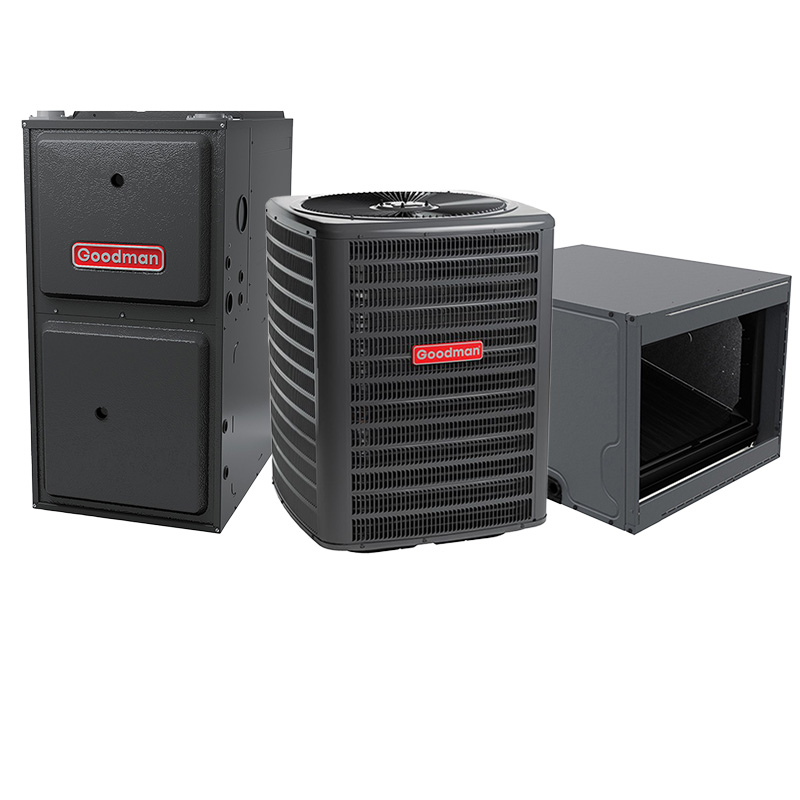
Goodman Furnace And Air Conditioner 3.5 Ton 14.5 SEER2 AC With 80000 BTU 96% AFUE Multi-Speed ECM Gas Furnace System – Horizontal | R32
View on AC Direct see your lowest price →Check current price on AC Direct →
Key features
- 3.5-ton cooling capacity matched with 80,000 BTU heating output for mid-to-large homes
- 14.5 SEER2 cooling efficiency meets 2023 federal minimum standards
- 96% AFUE multi-speed ECM gas furnace for near-condensing heating efficiency
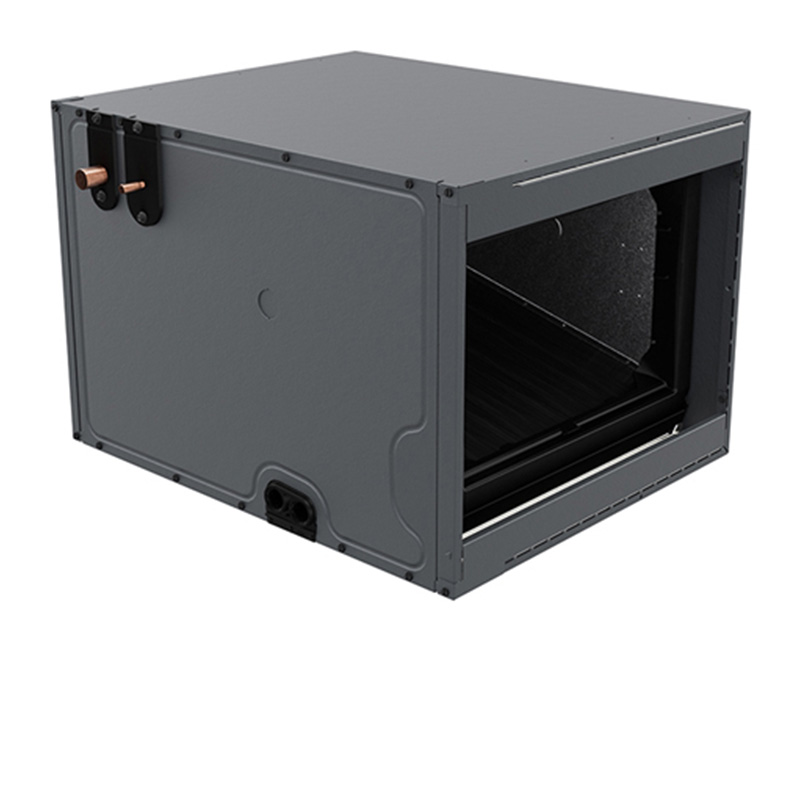
- Horizontal configuration designed for attic, closet, or crawl-space installs with limited vertical clearance
- R-32 refrigerant with lower global-warming potential than legacy R-410A
- ECM blower motor reduces blower electricity use and moderates temperature swings vs. single-speed motors
About this system
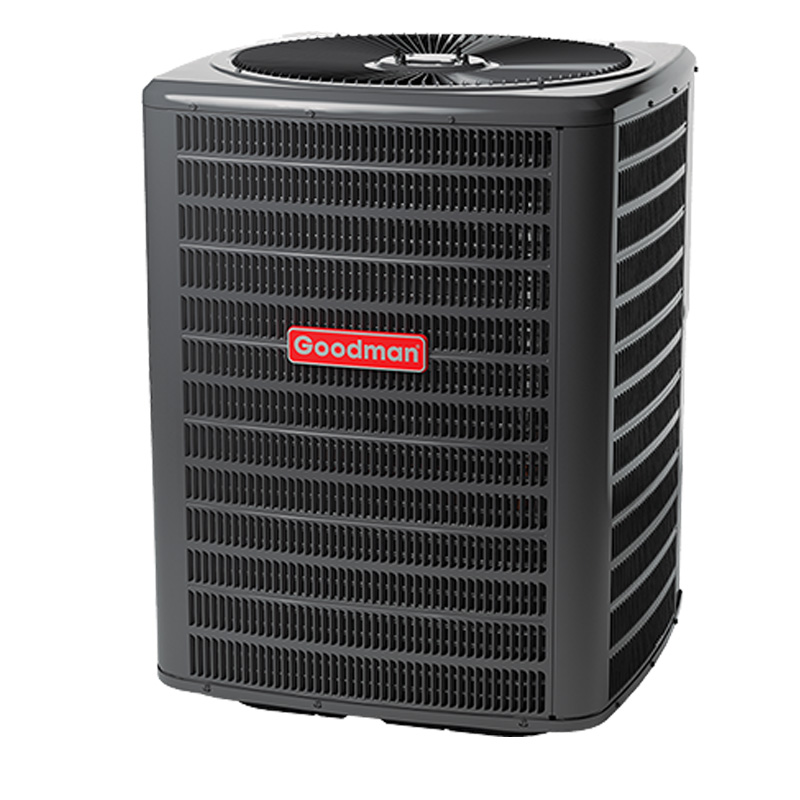
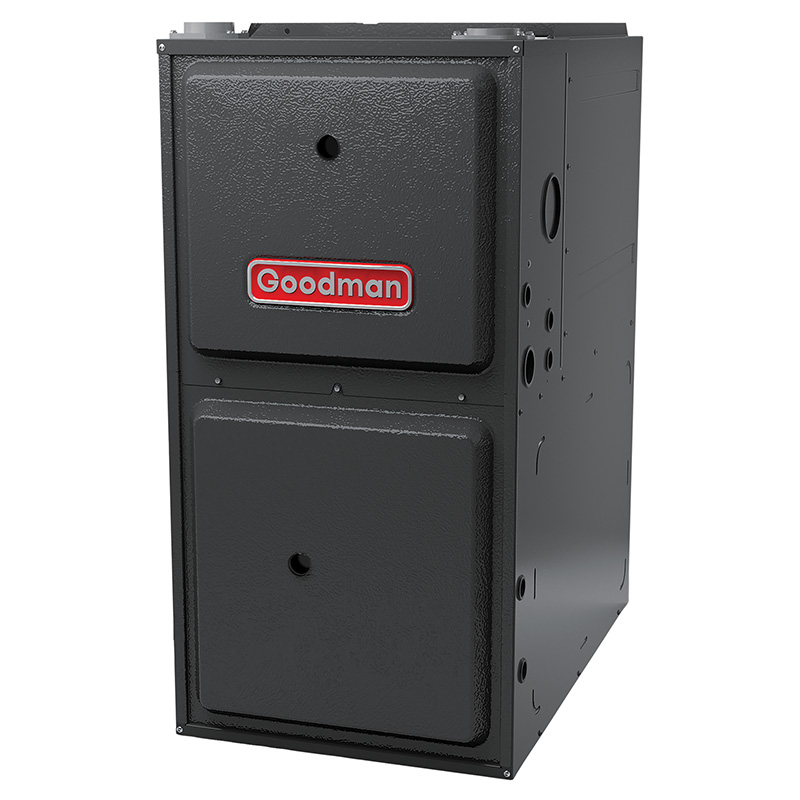
This Goodman bundle pairs a 3.5-ton, 14.5 SEER2 central air conditioner with an 80,000 BTU, 96% AFUE multi-speed ECM gas furnace in a horizontal configuration, making it sized for homes roughly in the 1,800 to 2,400 square foot range depending on climate zone, insulation, and ceiling height. The horizontal orientation is specifically suited to attic or crawl-space installations where vertical clearance is limited, so this is not a general-purpose swap for every home. R-32 refrigerant is a lower global-warming-potential alternative to the R-410A that dominated the market for decades, and it is now required under updated EPA regulations, meaning repair parts and service technicians comfortable with it are becoming easier to find.
The 96% AFUE rating puts this furnace near the top of the non-condensing-compatible range, converting 96 cents of every dollar of gas into usable heat. Paired with a multi-speed ECM blower motor, the system can modulate airflow to match demand rather than cycling hard on and off, which tends to improve comfort, reduce temperature swings, and lower blower electricity costs compared with a single-speed PSC motor. The 14.5 SEER2 efficiency rating is entry-level for new equipment sold after the January 2023 federal minimums took effect in the South and West, so buyers in those regions are getting a system that just clears the legal bar rather than one that will generate large energy-bill savings over a premium-tier unit.
This Goodman system delivers a capable, code-compliant heating and cooling bundle at a price point meaningfully below Carrier, Trane, and Lennox equivalents, and the 96% AFUE furnace with ECM motor is a genuine highlight. The trade-off is a brand track record that shows more mid-life repair events than premium competitors, and a cooling efficiency that sits at the regulatory floor rather than above it. Buyers who prioritize keeping upfront cost down and plan on consistent preventive maintenance will find it a reasonable choice; those who want the lowest lifetime cost of ownership should price the premium alternatives.
Overall score is the average of the five ratings above.
What we like
- Purchase price typically 15 to 25 percent below comparable Carrier, Trane, and Lennox systems
- 96% AFUE furnace is among the most efficient single-stage gas furnace tiers available
- Multi-speed ECM motor improves comfort and reduces blower electricity versus single-speed units
- Horizontal config directly addresses installs where a vertical unit simply will not fit
- R-32 refrigerant future-proofs the system against ongoing R-410A supply and cost pressure
Trade-offs
- 14.5 SEER2 is the regulatory minimum in many regions, leaving higher-efficiency savings on the table
- Documented compressor lifespan of roughly 10 to 14 years is shorter than the 15 to 20 years typically seen in premium brands
- Dual-run capacitor failures and evaporator coil leaks are recurring owner complaints, adding to repair costs after year 7
- A minority of owners report refrigerant leaks in the first year, which points to how sensitive performance is to install quality
What homeowners and pros say about Goodman
Homeowners who have lived with Goodman systems tend to cluster into two camps based on the data available. On ConsumerAffairs, where the overall brand score sits at roughly 2.5 out of 5, the feedback is complaint-heavy by the nature of that platform, and the recurring pattern is one of manageable performance in the early years followed by repair costs that start adding up somewhere around year 7. Dual-run capacitor failures and evaporator coil leaks are the two failure modes that come up most often in those accounts, and while a capacitor swap is a low-drama fix, a coil leak is a more expensive problem that can shake confidence in the system. Google dealer reviews tell a more balanced story, with scores averaging around 3.8 out of 5 across locations where affordability and responsive dealers draw genuine praise from buyers who got what they expected: a functional system at a price that fit the budget.
HVAC technicians who work on Goodman equipment regularly tend to describe it as serviceable but installation-sensitive, meaning a well-charged, properly commissioned system performs predictably, while a rushed or incorrect install amplifies the brand’s known weaknesses. For this horizontal unit specifically, the attic or crawl-space install context makes that point sharper, since access limitations can pressure a technician to cut corners on commissioning steps. Compressor longevity is a legitimate concern professionals raise, with Goodman compressors averaging 10 to 14 years in documented patterns versus the 15 to 20 years more commonly seen in premium-tier brands. Early refrigerant leaks, when they happen, are almost always traced back to the install rather than a manufacturing defect, which reinforces the consistent technician advice to spend as much care selecting your installer as you do selecting the equipment.
Sources: ConsumerAffairs Goodman owner reviews, AHRI Directory of Certified Product Performance, U.S. DOE appliance and equipment efficiency standards, Goodman product specification sheets.
What it costs to run
At 14.5 SEER2, cooling this 3.5-ton system for a typical 1200-hour cooling season at the U.S. average electricity rate of $0.17/kWh works out to roughly $591 per year in cooling, about $48 less per year than a minimum-efficiency 13.4 SEER2 unit of the same size. Your real cost depends on your climate and local rate.
Method: (42,000 BTU/hr ÷ 14.5 SEER2) × 1200 hours ÷ 1000 × $0.17/kWh. Rate source: U.S. EIA average; cooling hours: moderate-climate estimate.
How it compares
| Brand | Comparable model | SEER2 | Stage | Price position |
|---|---|---|---|---|
| Goodman | This system (3.5T 14.5 SEER2 / 80K BTU 96% AFUE ECM Horizontal R-32) | 14.5 | Single-stage AC / Multi-speed furnace | Value pick |
| Carrier | Comfort Series 24ACC6 (AC) with 59SC5 (96% AFUE furnace) | 14.5 to 15 | Single-stage | Typically 15 to 25 percent more than this Goodman bundle |
| Trane | XR14c (AC) with S9X2 (96% AFUE furnace) | 14.5 to 15 | Single-stage | Typically 15 to 25 percent more than this Goodman bundle |
| Lennox | Merit ML14XC1 (AC) with ML196E (96% AFUE ECM furnace) | 14.5 to 15 | Single-stage | Typically 15 to 25 percent more than this Goodman bundle |
Competitor rows are comparable single-stage units at similar efficiency; price is relative position, not a quote.
Questions about this system
Is a horizontal-only furnace harder to find a technician for, and does it limit future serviceability?
Horizontal furnaces are common in attic and platform-closet installs, and most experienced HVAC technicians work on them regularly. The configuration itself does not limit parts availability, though some technicians charge slightly more for attic work due to access difficulty, so factor that into your ongoing maintenance budget.
What does the transition to R-32 refrigerant actually mean for me as an owner?
R-32 requires technicians to use slightly different handling procedures than R-410A due to its mild flammability classification, but it is not exotic or hard to source. As R-410A phases out, R-32 service costs are likely to be more stable long-term, which is a modest advantage for this system over older units.
The 96% AFUE sounds close to a condensing furnace. Is this actually a condensing unit?
A 96% AFUE furnace can be either condensing or non-condensing depending on the model design; confirm with your installer whether this specific Goodman unit requires a condensate drain, because that affects venting and installation cost. Installing a condensing-class furnace without proper drain provisions is a common source of early failures.
How worried should I be about the capacitor and evaporator coil failure reports?
Dual-run capacitor failure is one of the most common HVAC repairs across all brands, and a replacement typically runs between 300 and 600 dollars when you include the service call, so it is an annoyance rather than a catastrophe. Evaporator coil leaks are more serious and can cost significantly more to address, so asking your installer about a coil warranty extension or an extended service plan is worth considering before you sign off on the job.
Will this system qualify for the federal energy efficiency tax credit?
The 25C tax credit for home HVAC improvements generally requires a higher SEER2 threshold than 14.5 for split-system air conditioners, and the furnace efficiency alone does not automatically qualify the whole system. Check current IRS guidance or ask your installer to confirm whether this specific combination meets the requirements before counting on a credit.
Specifications
| Cooling capacity | 3.5 Ton |
| Efficiency | 14.5 SEER2 |
| Furnace output | 80000 BTU |
| Furnace efficiency | 96% AFUE |
| Configuration | Horizontal |
| Refrigerant | R-32 |