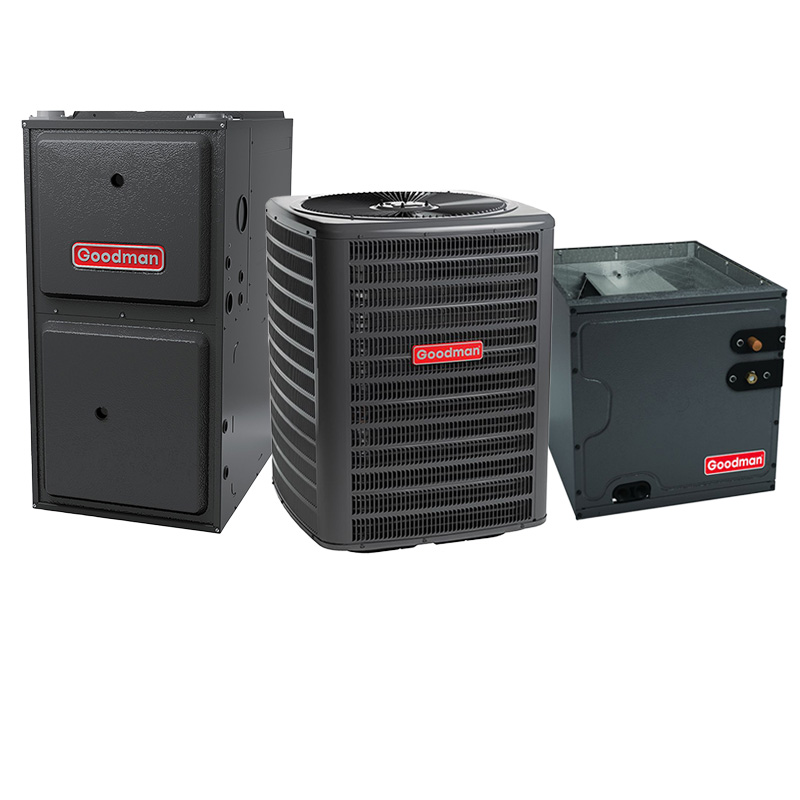
Goodman Furnace And Air Conditioner 3.5 Ton 15.2 SEER2 AC With 80000 BTU 96% AFUE Multi-Speed ECM Gas Furnace System – Upflow | R32
View on AC Direct see your lowest price →Check current price on AC Direct →
Key features
- 3.5-ton cooling capacity, 15.2 SEER2 efficiency rating
- 80,000 BTU output, 96% AFUE single-stage gas furnace
- Multi-speed ECM blower motor for quieter, more humidity-friendly airflow
- R-32 refrigerant with lower global-warming potential than R-410A
- Upflow cabinet orientation suits basement and utility-closet installations
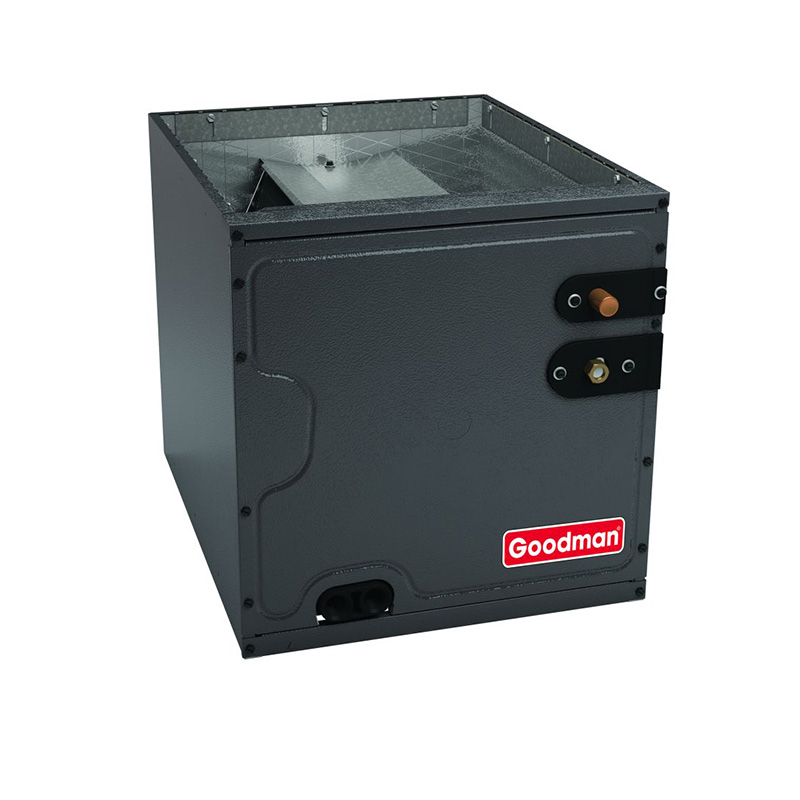
- Factory-matched system designed for straightforward coil and air handler compatibility
About this system
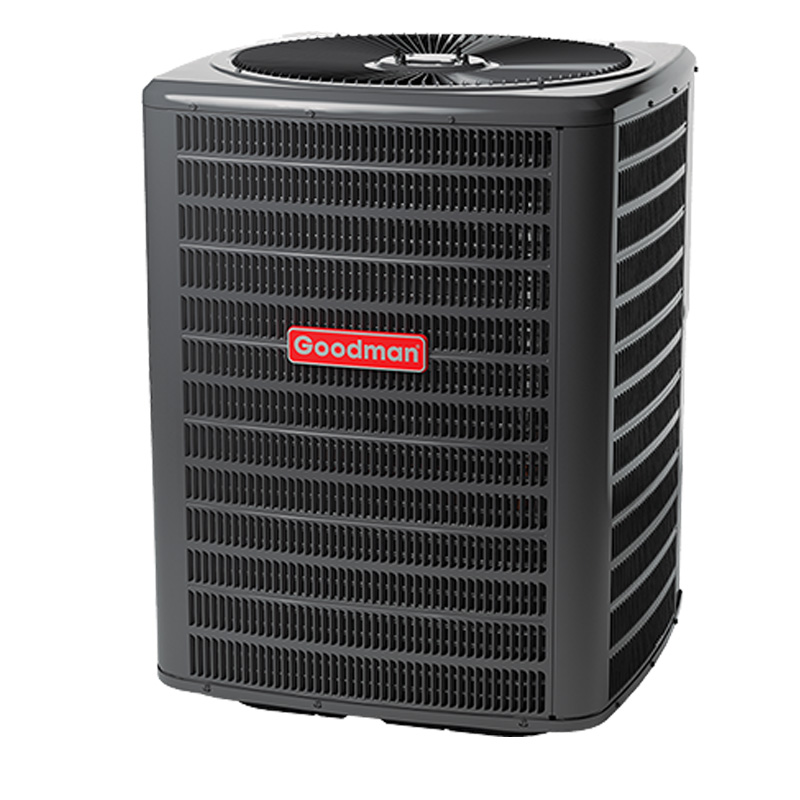
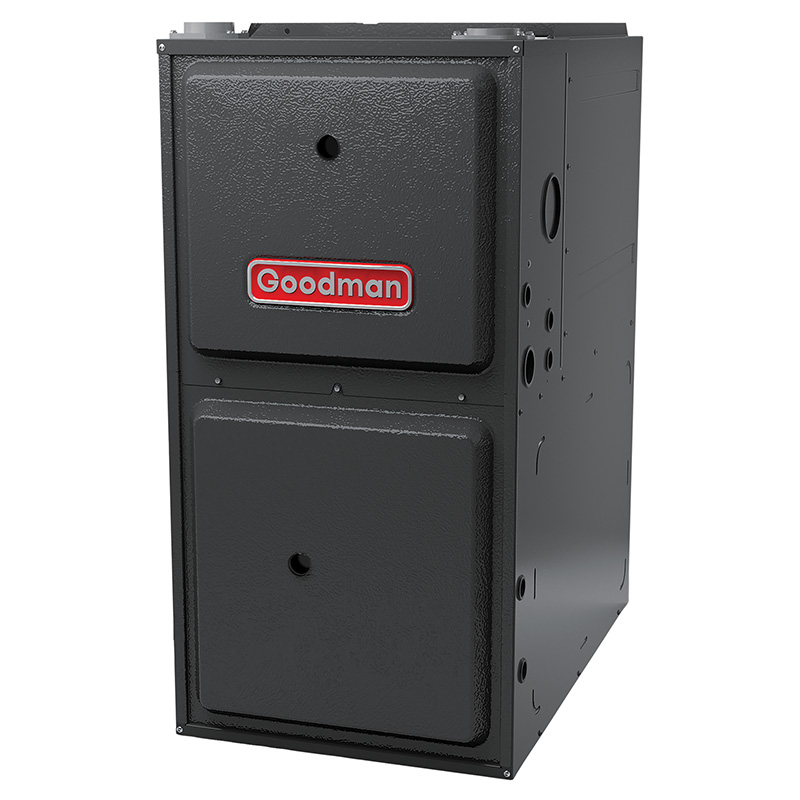
This Goodman bundle pairs a 3.5-ton, 15.2 SEER2 central air conditioner with an 80,000 BTU, 96% AFUE multi-speed ECM gas furnace in an upflow configuration. The cooling side uses R-32 refrigerant, a lower global-warming-potential alternative to the R-410A it replaces, and it meets the 2023 DOE regional efficiency minimums with a bit of room to spare. The furnace’s 96% AFUE rating means only about four cents of every fuel dollar escapes as exhaust, which is solid performance for a non-condensing-category unit. The multi-speed ECM blower motor adjusts airflow in steps rather than running flat-out all the time, which helps with humidity control, quieter operation, and monthly electricity bills on the blower side.
The upflow configuration means supply air exits the top of the furnace cabinet, making this system a natural fit for homes where the air handler sits in a basement, utility closet, or crawl space with ductwork running overhead. At 3.5 tons, the system is sized for roughly 1,600 to 2,200 square feet depending on climate zone, insulation, and window load. A proper Manual J load calculation before purchase is worth the effort, since oversizing this unit will cause short-cycling, uneven humidity control, and accelerated wear regardless of brand. Buyers who need the lowest upfront cost on a code-compliant, reasonably efficient system will find the spec sheet competitive; buyers who prioritize long-term repair costs and compressor longevity may want to weigh the trade-offs carefully.
This Goodman combo delivers a genuinely high-efficiency furnace and a code-compliant air conditioner at a price point that undercuts comparable Carrier, Trane, and Lennox packages by a meaningful margin. The trade-off is a shorter average compressor lifespan and a documented repair history that starts to climb after year seven, so the lower sticker price needs to be weighed against the realistic cost of ownership over a 12-to-15-year horizon. It is a reasonable choice for budget-conscious buyers who plan to maintain the system diligently and who understand that installation quality will heavily influence how this unit performs.
Overall score is the average of the five ratings above.
What we like
- 96% AFUE furnace keeps heating fuel waste very low, a genuine long-term saving
- 15.2 SEER2 meets and slightly exceeds current federal minimums without a premium price
- ECM multi-speed blower uses significantly less electricity than a PSC motor
- R-32 refrigerant is easier to handle for future service in a shifting regulatory environment
- Priced roughly 15 to 25 percent below comparable Trane, Lennox, and Carrier systems
Trade-offs
- Compressor lifespan averages 10 to 14 years versus 15 to 20 years for premium brands
- Dual-run capacitors are the most frequently reported failure, typically occurring after several years of use
- Evaporator coil leaks appear in a notable share of owner reviews and can be costly to address
- A minority of owners report refrigerant leaks within the first year, often traced to install or initial charge issues
What homeowners and pros say about Goodman
On consumer review platforms, Goodman equipment draws a wide spread of opinions. The brand carries roughly a 2.5 out of 5 on ConsumerAffairs, a channel that skews toward frustrated owners who had a reason to write in. The recurring theme there is repair costs that begin to compound after roughly year seven, with compressor replacements and coil work cited most often. Across Google dealer reviews, the picture is more balanced at around 3.8 out of 5, where affordability consistently earns praise and many owners report years of trouble-free service when the unit was properly installed and maintained. The gap between those two scores reflects a real divide in experience.
HVAC technicians tend to view Goodman equipment pragmatically. They note that dual-run capacitors are the most predictable failure point and that catching one early in a service visit is cheap compared to a no-cool emergency call in July. Evaporator coil leaks and refrigerant loss within the first year are also documented failure modes, with early-year refrigerant issues frequently linked to install or initial charge problems rather than factory defects. Compressor longevity is the most significant long-term concern, with Goodman compressors averaging 10 to 14 years in practice versus 15 to 20 for premium brands. For this specific system, that means owners who plan to stay in the home long-term should factor potential compressor replacement into their cost expectations rather than assuming the 10-year parts warranty eliminates financial exposure.
Sources: ConsumerAffairs Goodman owner reviews, AHRI Directory of Certified Product Performance, U.S. DOE appliance and equipment efficiency standards, Goodman product specification sheets.
What it costs to run
At 15.2 SEER2, cooling this 3.5-ton system for a typical 1200-hour cooling season at the U.S. average electricity rate of $0.17/kWh works out to roughly $564 per year in cooling, about $75 less per year than a minimum-efficiency 13.4 SEER2 unit of the same size. Your real cost depends on your climate and local rate.
Method: (42,000 BTU/hr ÷ 15.2 SEER2) × 1200 hours ÷ 1000 × $0.17/kWh. Rate source: U.S. EIA average; cooling hours: moderate-climate estimate.
How it compares
| Brand | Comparable model | SEER2 | Stage | Price position |
|---|---|---|---|---|
| Goodman | 3.5-Ton 15.2 SEER2 AC with 80,000 BTU 96% AFUE ECM Furnace (this system) | 15.2 | Single-stage | Value pick |
| Carrier | Comfort 24ACC6 with 58VC | 15.2 | Single-stage | Typically 15 to 25 percent more than this Goodman bundle |
| Trane | XR15 with S9X2 | 15.2 | Single-stage | Typically 15 to 25 percent more than this Goodman bundle |
| Lennox | Merit ML15XC1 with ML196E | 15.2 | Single-stage | Typically 15 to 25 percent more than this Goodman bundle |
Competitor rows are comparable single-stage units at similar efficiency; price is relative position, not a quote.
Questions about this system
Will this 3.5-ton system work for my 2,000 square foot home?
Tonnage is not determined by square footage alone. Climate zone, ceiling height, insulation levels, window area, and local humidity all affect the correct size. A Manual J load calculation by a licensed HVAC contractor is the only reliable way to confirm whether 3.5 tons is appropriate for your home before you buy.
Is R-32 refrigerant safe and easy to service?
R-32 is mildly flammable and requires technicians who are certified to handle A2L refrigerants. It is increasingly common and most established HVAC contractors are already equipped for it, but it is worth confirming your service provider is up to date before scheduling repairs or recharges.
What is the Goodman warranty on this bundle and what does it actually cover?
Goodman typically offers a 10-year parts warranty when the unit is registered within 60 days of installation, but labor is not covered. That means a compressor failure in year eight could still cost you several hundred to over a thousand dollars in labor even if the part itself is warranted. Read the registration terms carefully before assuming full coverage.
How often do the dual-run capacitors fail and what does it cost to fix?
Capacitor failure is the most commonly reported repair issue across Goodman equipment. When it happens, a qualified technician can usually diagnose and replace the part in a single visit at a cost typically in the 300 to 600 dollar range, making it one of the less painful repairs. Keeping a service contract or checking the capacitor during annual maintenance can catch it before it causes a full shutdown.
Can I install this system myself to save money?
In most jurisdictions, installing or charging a split-system air conditioner requires an EPA 608 certification for refrigerant handling, and pulling the required mechanical permit typically requires a licensed HVAC contractor. Beyond legal requirements, Goodman's own research and contractor feedback consistently show that installation quality is the single largest factor in how long the equipment lasts, so cutting corners here carries real risk.
Specifications
| Cooling capacity | 3.5 Ton |
| Efficiency | 15.2 SEER2 |
| Furnace output | 80000 BTU |
| Furnace efficiency | 96% AFUE |
| Configuration | Upflow |
| Refrigerant | R-32 |