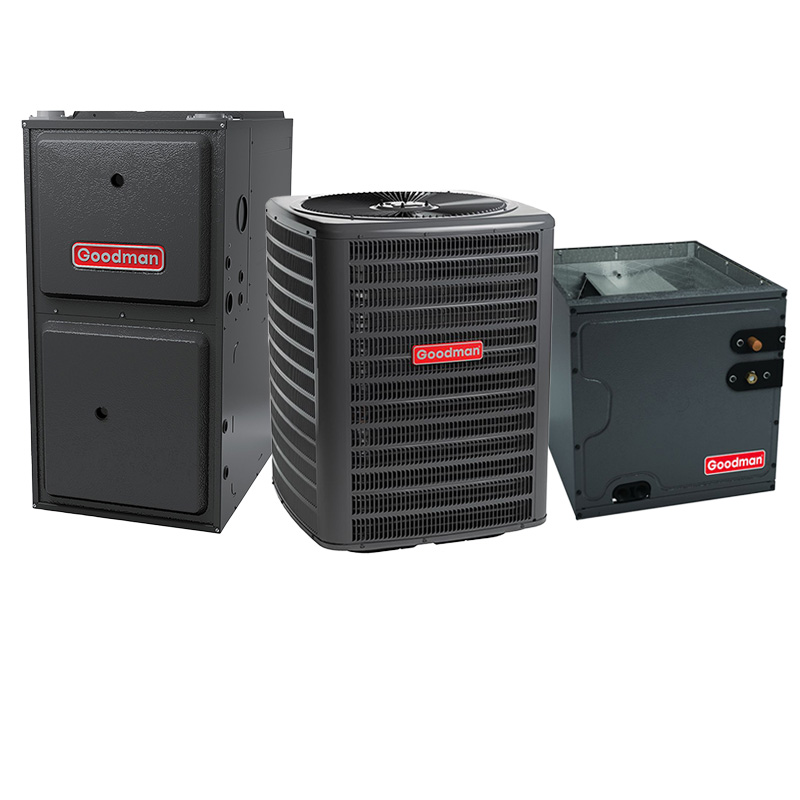
Goodman Furnace And Air Conditioner 3 Ton 14.5 SEER2 AC With 60000 BTU 96% AFUE Multi-Speed ECM Gas Furnace System – Upflow | R32
View on AC Direct see your lowest price →Check current price on AC Direct →
Key features
- 3-ton cooling capacity with 14.5 SEER2 efficiency rating
- 60,000 BTU gas furnace at 96% AFUE for high-efficiency heating
- Multi-speed ECM blower motor reduces electricity draw and improves comfort
- R-32 refrigerant with lower global-warming potential than R-410A
- Upflow configuration for basement or closet installs with overhead duct systems
- Factory-matched system designed for simplified commissioning and warranty alignment
About this system
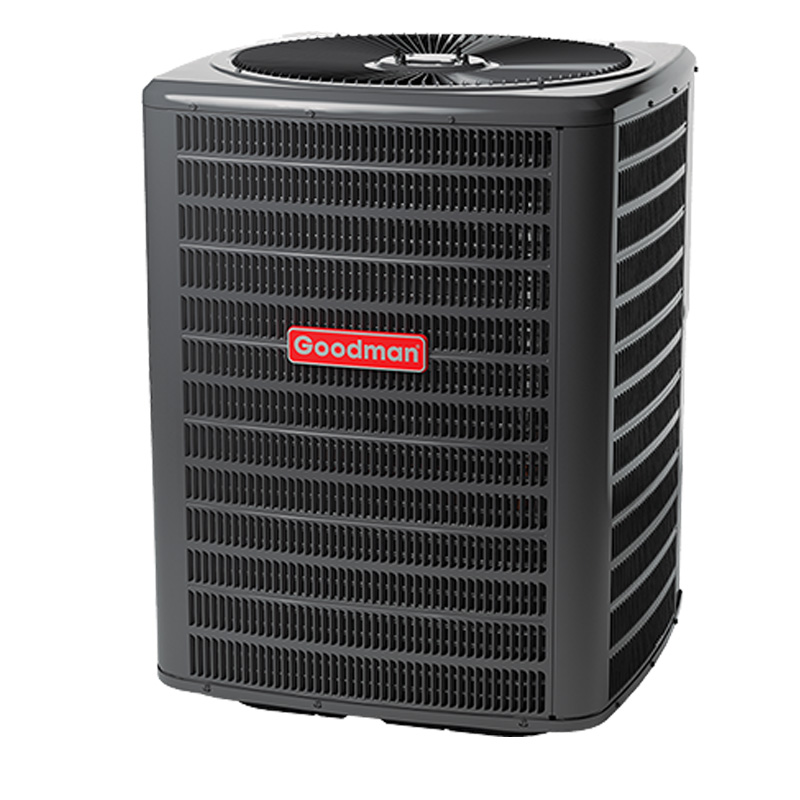
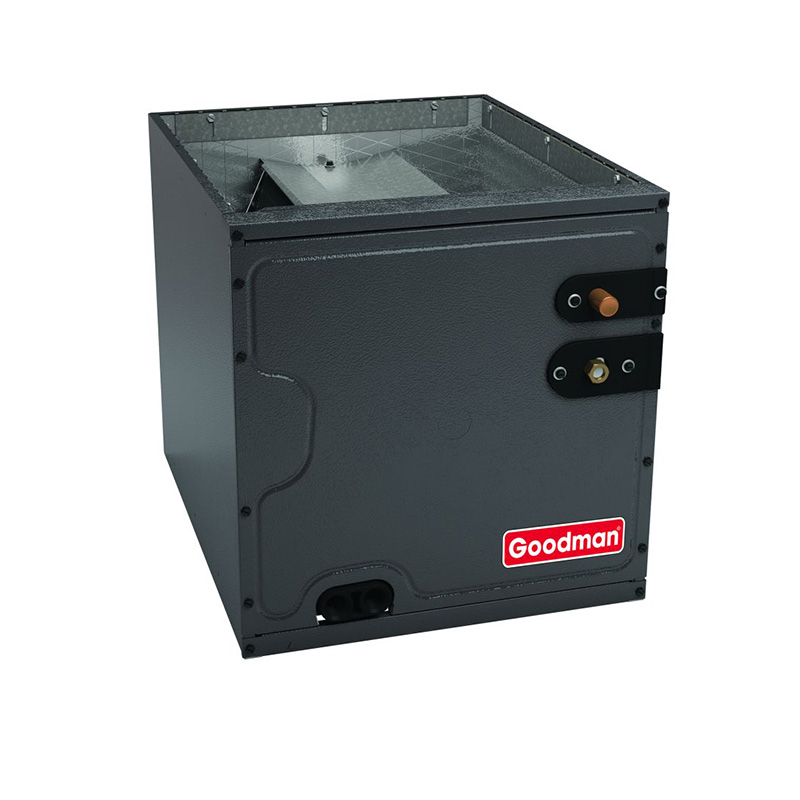
This Goodman bundle pairs a 3-ton, 14.5 SEER2 air conditioner with a 60,000 BTU, 96% AFUE multi-speed ECM gas furnace in an upflow configuration. The cooling side uses R-32 refrigerant, a lower global-warming-potential alternative to R-410A that the industry is broadly adopting ahead of tightening environmental regulations. At 14.5 SEER2 the system clears the federally mandated minimum efficiency threshold for most U.S. climate zones, so it qualifies as a compliant new installation without paying the premium that two-stage or variable-speed equipment commands.
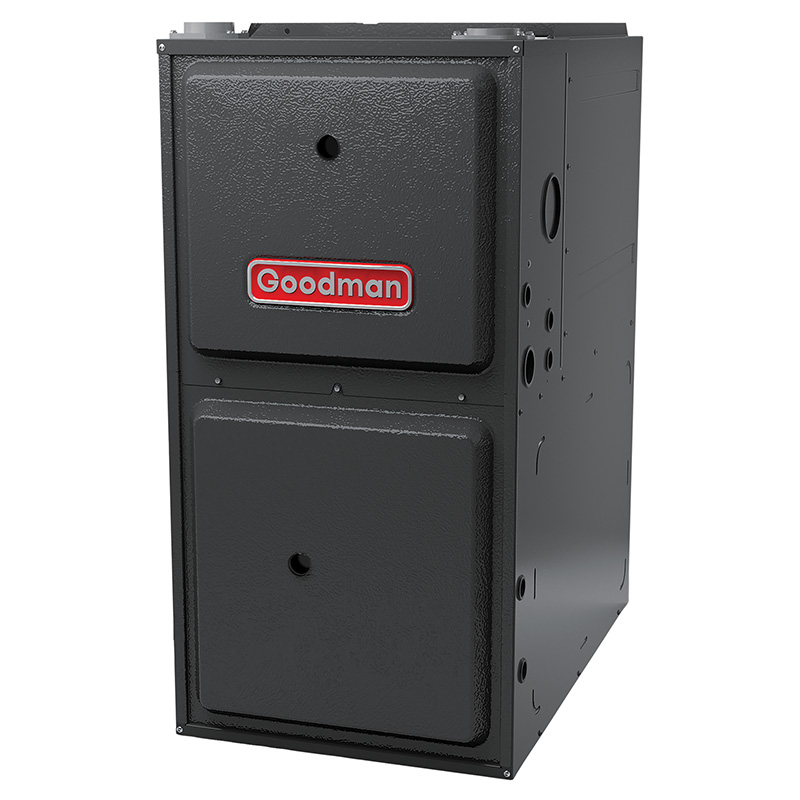
The furnace is the stronger half of this pairing. A 96% AFUE rating means 96 cents of every dollar spent on gas becomes usable heat, which puts this unit in the high-efficiency tier and can translate to real winter savings compared to older 80% systems. The multi-speed ECM blower motor ramps airflow up and down to match demand rather than slamming on at full speed every cycle, which reduces electricity use on the air handler side and tends to deliver more even temperatures room to room. Upflow configuration means the furnace sits in a basement or crawlspace and discharges conditioned air upward through supply ducts above it, the most common residential setup in northern and mid-tier climates.
This system suits homeowners who want an honest efficiency upgrade at a mid-range price, are replacing aging R-22 or R-410A equipment, and plan to use a licensed installer who will size and charge the system correctly. It is not the right call for buyers who prioritize maximum equipment longevity over upfront savings or who are in a market where service technicians are still building R-32 familiarity.
This Goodman bundle delivers a solid efficiency package at a price point that is genuinely hard to beat from a name-brand manufacturer, and the 96% AFUE furnace with ECM motor is a real highlight. The trade-off is a brand track record that places it below premium competitors on long-term reliability, with documented issues around capacitors, evaporator coil leaks, and compressor lifespan that buyers should factor into their total cost of ownership.
Overall score is the average of the five ratings above.
What we like
- 96% AFUE furnace is top-tier heating efficiency and reduces monthly gas bills meaningfully versus 80% units
- Multi-speed ECM motor cuts blower electricity use and smooths out temperature swings between cycles
- R-32 refrigerant is forward-compatible with tightening environmental regulations, avoiding near-term refrigerant obsolescence
- Factory-matched AC and furnace bundle simplifies warranty claims and reduces compatibility guesswork
- Priced 15 to 25 percent below comparable Carrier, Trane, and Lennox systems, leaving room in a budget for a quality install
Trade-offs
- Compressor lifespan averages 10 to 14 years versus 15 to 20 years seen in premium brands, raising long-term replacement risk
- Evaporator coil leaks appear in a meaningful share of owner reviews, a recurring pattern across the Goodman line
- R-32 is newer in residential HVAC and some local technicians are still gaining experience handling and charging it correctly
- ConsumerAffairs scores hover around 2.5 out of 5, with repair cost complaints climbing notably after the 7-year mark
What homeowners and pros say about Goodman
Homeowners who have lived with Goodman equipment long enough to leave a review tend to split into two camps. Those in the first few years often point to the price difference versus name-brand alternatives as a straightforward win, and Google dealer reviews land around 3.8 out of 5, with affordability showing up repeatedly as the reason buyers are satisfied. The multi-speed ECM furnace in this specific bundle draws positive comments about comfort and quieter operation compared to the older single-speed units people are replacing. The concerns start surfacing in the middle years. ConsumerAffairs scores settle around 2.5 out of 5, and while that platform skews toward people who are already unhappy, the pattern in the complaints is consistent: repair costs start climbing after roughly year seven, and the two components named most often are the dual-run capacitor and the evaporator coil. A capacitor failure is a manageable nuisance, typically 300 to 600 dollars, but a coil leak is a different category of expense and inconvenience.
HVAC professionals who work on Goodman equipment regularly tend to hold a measured view. Most will tell you the equipment is serviceable and that the value proposition is real, but they are also the ones who see what goes wrong. The compressor lifespan question comes up in contractor forums fairly often: Goodman compressors are broadly reported to average 10 to 14 years in the field versus the 15 to 20 years technicians associate with Trane, Lennox, and Carrier compressors. For this R-32 system specifically, pros note that proper handling and charging of R-32 at installation is critical, and that first-year refrigerant leaks in Goodman equipment are almost always a workmanship issue rather than a factory defect. The consistent professional advice: the brand’s performance ceiling is set largely by whoever puts it in.
Sources: ConsumerAffairs Goodman owner reviews, AHRI Directory of Certified Product Performance, U.S. DOE appliance and equipment efficiency standards, Goodman product specification sheets.
What it costs to run
At 14.5 SEER2, cooling this 3-ton system for a typical 1200-hour cooling season at the U.S. average electricity rate of $0.17/kWh works out to roughly $506 per year in cooling, about $42 less per year than a minimum-efficiency 13.4 SEER2 unit of the same size. Your real cost depends on your climate and local rate.
Method: (36,000 BTU/hr ÷ 14.5 SEER2) × 1200 hours ÷ 1000 × $0.17/kWh. Rate source: U.S. EIA average; cooling hours: moderate-climate estimate.
How it compares
| Brand | Comparable model | SEER2 | Stage | Price position |
|---|---|---|---|---|
| Goodman | GSXH503610 + GMVC960603BN | 14.5 | Single-stage / Multi-speed | Value pick |
| Carrier | Comfort 14 (24ACC4) with 58MXC Gas Furnace | 14.5 | Single-stage | Typically 15 to 25 percent more than this Goodman bundle |
| Trane | XR14c with S9V2 Gas Furnace | 14.5 | Single-stage | Typically 15 to 25 percent more than this Goodman bundle |
| Lennox | Merit 14ACX with ML196E Gas Furnace | 14.3–14.5 | Single-stage | Typically 15 to 25 percent more than this Goodman bundle |
Competitor rows are comparable single-stage units at similar efficiency; price is relative position, not a quote.
Questions about this system
Is R-32 refrigerant a problem if I need a recharge or repair down the road?
R-32 is increasingly common in new residential equipment and is fully serviceable by any EPA Section 608-certified technician, but it is still newer than R-410A in split systems, so not every local tech has hands-on experience with it yet. Before committing to this system it is worth confirming that HVAC contractors in your area are already working with R-32 regularly. Availability of the refrigerant itself is not a concern, but technician familiarity is a real variable right now.
What is the most likely repair this system will need in the first 10 years?
Across Goodman owner feedback, the dual-run capacitor is the single most commonly reported failure, and it is also among the cheapest fixes, typically running 300 to 600 dollars for parts and labor. Evaporator coil leaks show up in a meaningful number of reviews as well and are a more costly repair. Keeping up with annual maintenance and ensuring the system was properly charged at install reduces the risk of both.
Does this system qualify for the federal energy efficiency tax credit?
To claim the Inflation Reduction Act's 25C tax credit for a gas furnace, the unit must meet a 97% AFUE threshold in most configurations, and this furnace is rated at 96% AFUE, so it does not qualify on the furnace side. The central AC component at 14.5 SEER2 also falls just at the baseline efficiency tier; you should verify current IRS guidance and your specific climate zone requirements before assuming a credit applies.
How important is installer quality with a Goodman system specifically?
HVAC technicians consistently cite install quality as the biggest factor in how long any Goodman unit lasts. A minority of owners report refrigerant leaks within the first year, and those are almost always traced back to an improper charge or fitting issue at installation rather than a factory defect. Spending extra on an experienced, licensed installer and asking them to pressure-test and verify charge before they leave is worth more than any upgrade in equipment tier.
Is a 3-ton, 60,000 BTU system the right size for my home?
Proper sizing depends on a Manual J load calculation that accounts for your home's square footage, insulation levels, window area, local climate, and duct layout. As a rough reference, 3 tons of cooling is often associated with roughly 1,500 to 2,100 square feet in moderate climates, but that range shifts significantly with insulation quality and local heat gain. An oversized system short-cycles and creates humidity problems; an undersized one runs constantly. Ask your installer to perform or show you a Manual J before committing to this configuration.
Specifications
| Cooling capacity | 3 Ton |
| Efficiency | 14.5 SEER2 |
| Furnace output | 60000 BTU |
| Furnace efficiency | 96% AFUE |
| Configuration | Upflow |
| Refrigerant | R-32 |