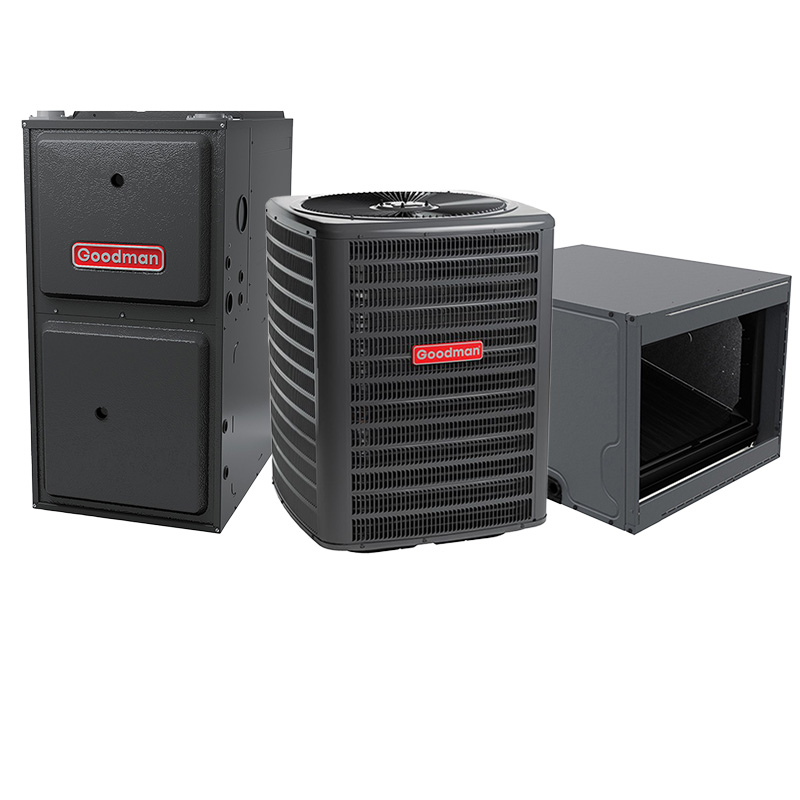
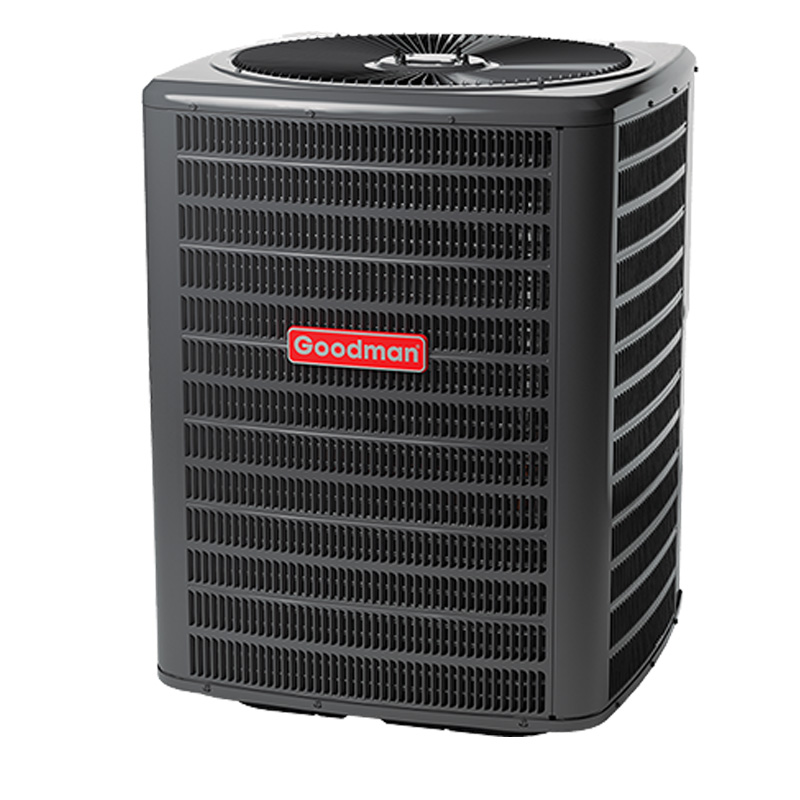
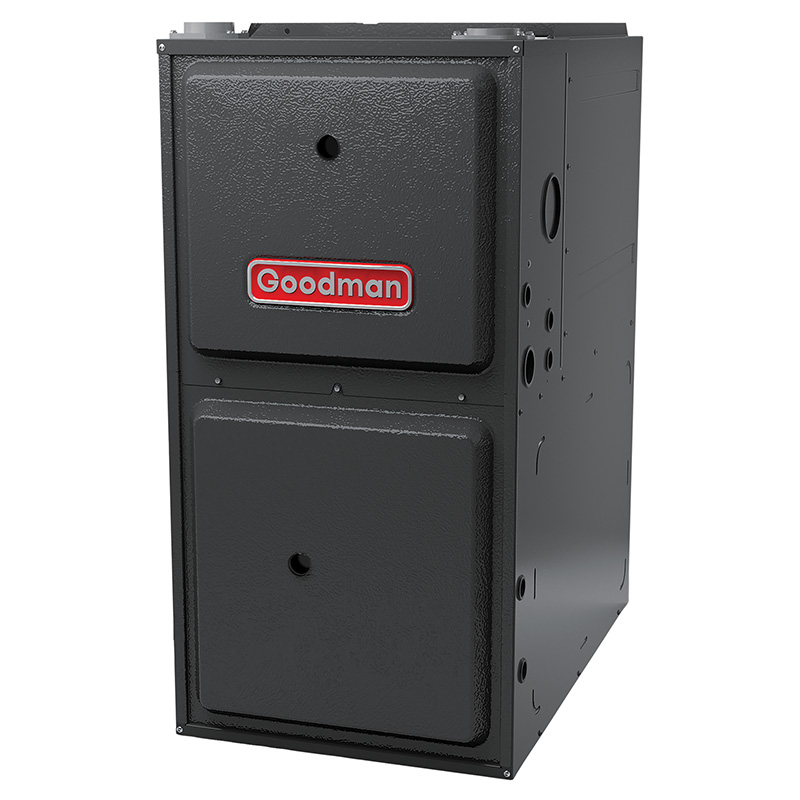
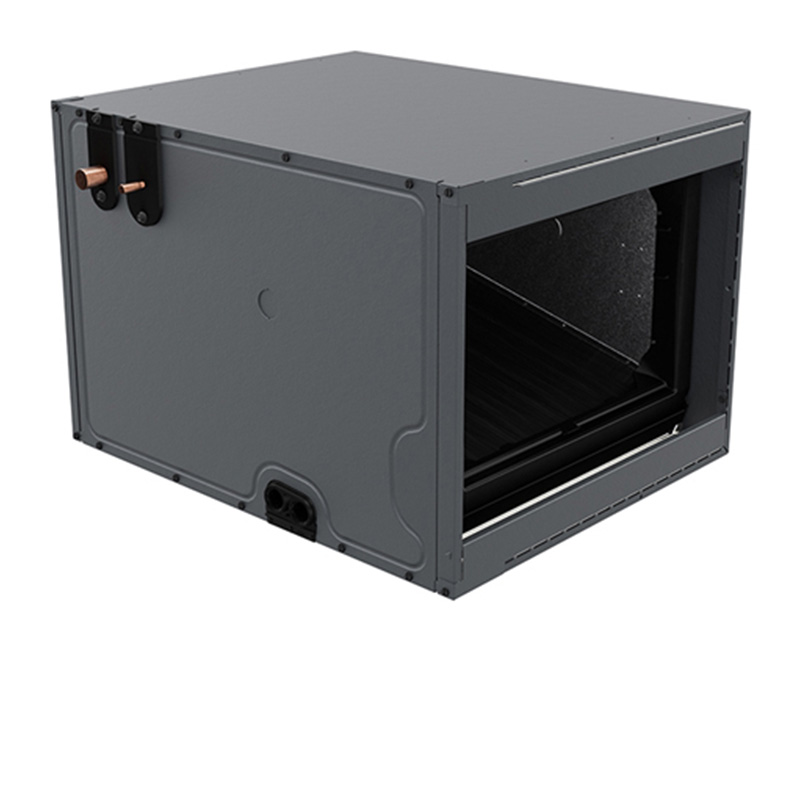
Goodman Furnace And Air Conditioner 3 Ton 15.2 SEER2 AC With 100000 BTU 96% AFUE Multi-Speed ECM Gas Furnace System – Horizontal | R32
View on AC Direct see your lowest price →Check current price on AC Direct →
Key features
- 3-ton cooling capacity with 15.2 SEER2 efficiency rating
- 100,000 BTU gas furnace at 96% AFUE for high-efficiency heating
- Multi-speed ECM blower motor for quieter operation and better humidity control
- Horizontal configuration designed for attic, crawlspace, or side-mount installations
- R-32 refrigerant with lower global warming potential than R-410A
- Bundled matched system tested together for rated efficiency performance
About this system
This Goodman bundle pairs a 3-ton, 15.2 SEER2 air conditioner with a 100,000 BTU, 96% AFUE multi-speed ECM gas furnace in a horizontal configuration, making it a practical choice for homes where the air handler sits on its side in a crawlspace, attic, or closet rather than in an upright basement setup. The R-32 refrigerant charge is a forward-looking detail: R-32 has a lower global warming potential than the outgoing R-410A and is increasingly common as the industry phases out older refrigerants. At 15.2 SEER2, this system clears the federal minimum efficiency threshold for most U.S. climate regions and lands in the entry-to-mid tier of efficiency, meaning operating costs are meaningfully better than older 13 or 14 SEER equipment but will not approach the savings of a 17 or 18 SEER2 variable-speed system.
The 96% AFUE furnace is a legitimate high-efficiency unit, returning 96 cents of heat for every dollar of gas burned. The multi-speed ECM blower motor is worth noting: unlike a standard single-speed PSC motor, it ramps airflow up and down based on demand, which improves humidity control in cooling mode, runs more quietly at lower speeds, and uses noticeably less electricity. For a mid-size home in the 1,600 to 2,400 square foot range with good insulation and ductwork, this system is sized appropriately, though a Manual J load calculation by your installer is the only reliable way to confirm that 3 tons is the right match for your specific house.
This Goodman bundle delivers solid specs at a price that undercuts Carrier, Trane, and Lennox by a meaningful margin, and the 96% AFUE furnace with ECM motor is a genuine upgrade over builder-grade equipment. The trade-off is that Goodman's real-world longevity and reliability land below premium brands, and the system's performance is unusually dependent on installation quality, so who does the work matters as much as what you buy.
Overall score is the average of the five ratings above.
What we like
- 15 to 25 percent lower purchase price than comparable Carrier, Trane, or Lennox systems
- 96% AFUE furnace delivers high-efficiency heating with real gas bill savings
- ECM multi-speed blower improves comfort, humidity control, and motor energy use compared to single-speed alternatives
- R-32 refrigerant positions the system for current and near-future regulatory compliance
- Horizontal configuration addresses installations where vertical units simply will not fit
Trade-offs
- Dual-run capacitors are the most commonly reported failure point, typically appearing within the first several years and costing 300 to 600 dollars to repair
- Evaporator coil leaks show up in a meaningful share of owner accounts, which can be a costly mid-life repair
- Compressor lifespan averages 10 to 14 years versus 15 to 20 years on premium brands, meaning a shorter window before major component replacement
- A minority of owners report refrigerant leaks within the first year, most often traced to installation or initial charge errors rather than equipment defects
What homeowners and pros say about Goodman
Homeowners who have owned Goodman equipment reflect a wide range of experiences that largely track with how the system was installed and how consistently it was serviced. On ConsumerAffairs, Goodman scores around 2.5 out of 5, a channel where people are more likely to write when something has gone wrong, and the recurring complaint is that repair costs start climbing after roughly year seven. Google dealer reviews average around 3.8 out of 5, where the most common praise is that the equipment costs noticeably less upfront than Carrier, Trane, or Lennox alternatives. The gap between those two scores tells a real story: the initial purchase feels like a win, but the longer ownership horizon is where some buyers feel the trade-off.
HVAC technicians who service Goodman equipment consistently point to dual-run capacitors as the most frequent call they get on these systems, a failure that is relatively inexpensive at 300 to 600 dollars but frustrating when it happens during a heat wave. Evaporator coil leaks are a documented concern in owner accounts and can be a more significant mid-life expense. Compressor longevity is the larger structural issue: Goodman compressors tend to average 10 to 14 years in real-world use versus 15 to 20 years on premium brands, which affects how you think about the total cost of ownership over a 15 or 20 year horizon. For this specific horizontal R-32 system, technicians also note that the horizontal configuration adds a layer of installation complexity, and early refrigerant leaks reported by a minority of Goodman owners are most often tied to installation or initial charge quality rather than the equipment itself, making contractor selection an important part of getting full value from this system.
Sources: ConsumerAffairs Goodman owner reviews, AHRI Directory of Certified Product Performance, U.S. DOE appliance and equipment efficiency standards, Goodman product specification sheets.
What it costs to run
At 15.2 SEER2, cooling this 3-ton system for a typical 1200-hour cooling season at the U.S. average electricity rate of $0.17/kWh works out to roughly $483 per year in cooling, about $65 less per year than a minimum-efficiency 13.4 SEER2 unit of the same size. Your real cost depends on your climate and local rate.
Method: (36,000 BTU/hr ÷ 15.2 SEER2) × 1200 hours ÷ 1000 × $0.17/kWh. Rate source: U.S. EIA average; cooling hours: moderate-climate estimate.
How it compares
| Brand | Comparable model | SEER2 | Stage | Price position |
|---|---|---|---|---|
| Goodman | GSXH503610 / GMVC961005CN (this system) | 15.2 | Single-stage AC / Multi-speed furnace | Value pick |
| Carrier | Comfort 15 Series (24ACC636) | 15.2 | Single-stage | Typically 15 to 25 percent more than this Goodman bundle |
| Trane | XR15 Series (4TTR5036) | 15.2 | Single-stage | Typically 15 to 25 percent more than this Goodman bundle |
| Lennox | Merit 16ACX Series | 15.2 | Single-stage | Typically 15 to 25 percent more than this Goodman bundle |
Competitor rows are comparable single-stage units at similar efficiency; price is relative position, not a quote.
Questions about this system
Is a horizontal furnace harder to find a technician for, and does it affect maintenance?
Horizontal units are less common than upright models, so confirm your chosen installer has experience with side-mount configurations before signing a contract. Filter access and condensate drainage routing can be trickier in horizontal installs, and a poorly sloped condensate line is one of the more common sources of early problems in this configuration.
Why does this system use R-32 instead of R-410A, and does that affect service costs?
R-32 is being adopted industrywide as a lower-global-warming-potential replacement for R-410A, which is being phased out under EPA regulations. Most certified HVAC technicians can handle R-32, but confirm your service provider has the correct recovery equipment, since R-32 is mildly flammable and requires specific handling procedures.
What does the multi-speed ECM motor actually do differently from a standard blower?
A standard PSC motor runs at full speed or not at all, while the ECM motor adjusts airflow in steps to match the heating or cooling load. In practice this means quieter operation at lower demand, better moisture removal during cooling cycles, and lower electricity consumption from the blower itself over the life of the system.
How worried should I be about the capacitor and coil leak issues reported with Goodman equipment?
Capacitor failures are common across many brands but show up frequently in Goodman owner accounts, and at 300 to 600 dollars they are a manageable repair if caught during a routine tune-up. Evaporator coil leaks are more expensive and worth asking your installer about coil protection options; some contractors apply a coil coating at install to reduce corrosion risk.
Is 3 tons definitely the right size for my home, or should I verify that before buying?
Ton sizing depends on your home's square footage, insulation levels, window area, local climate, and duct system, not square footage alone. A Manual J load calculation from a licensed HVAC contractor is the standard method and takes about an hour; buying the wrong size causes short-cycling, humidity problems, and premature wear regardless of which brand you choose.
Specifications
| Cooling capacity | 3 Ton |
| Efficiency | 15.2 SEER2 |
| Furnace output | 100000 BTU |
| Furnace efficiency | 96% AFUE |
| Configuration | Horizontal |
| Refrigerant | R-32 |