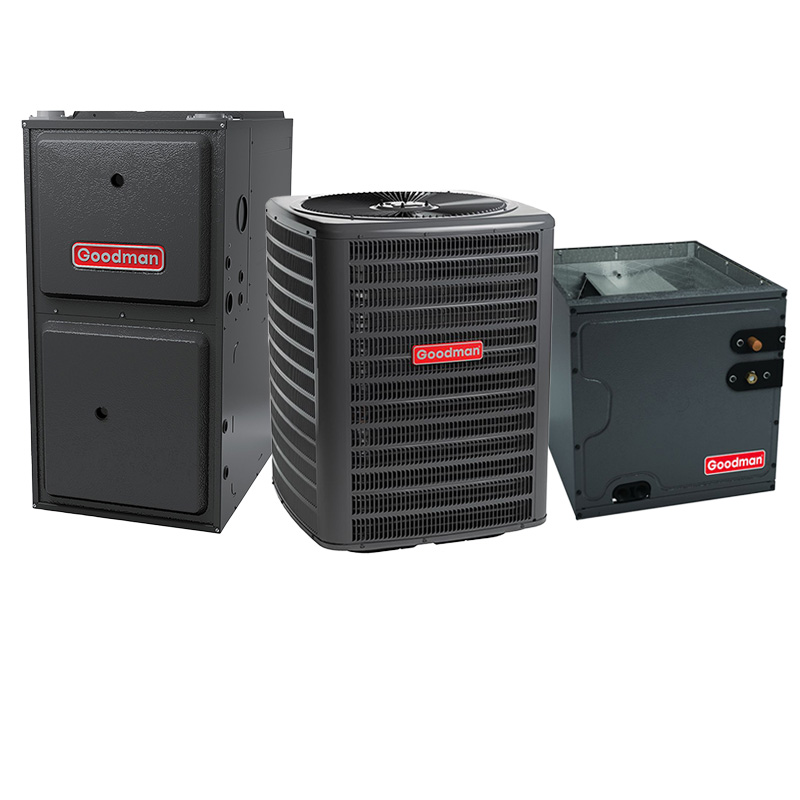
Goodman Furnace And Air Conditioner 3 Ton 15.2 SEER2 AC With 80000 BTU 96% AFUE Multi-Speed ECM Gas Furnace System – Upflow | R32
View on AC Direct see your lowest price →Check current price on AC Direct →
Key features
- 3-ton cooling capacity with 15.2 SEER2 efficiency rating
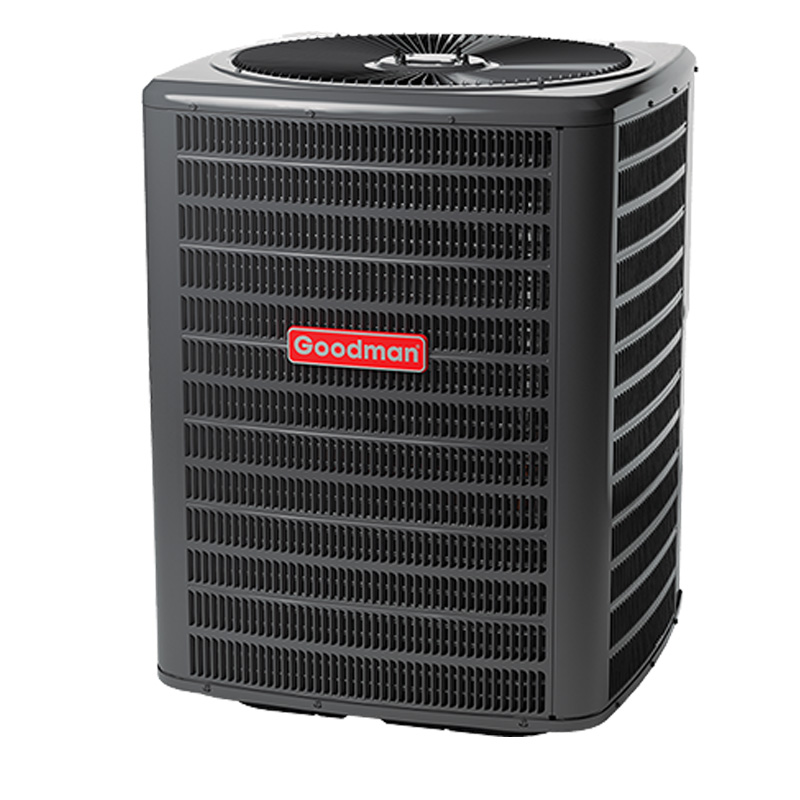
- R-32 refrigerant with lower global warming potential than R-410A
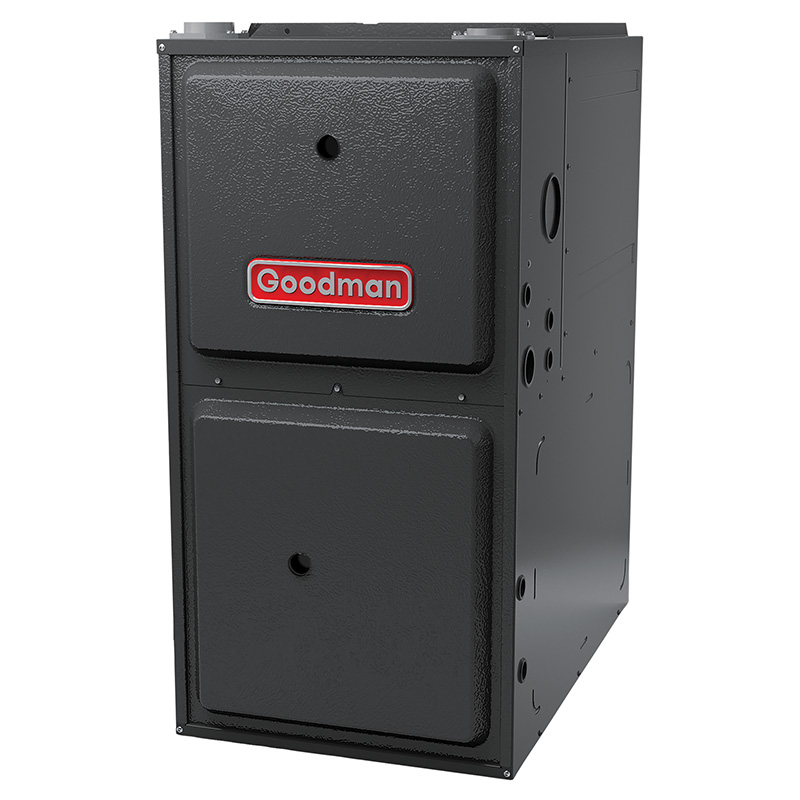
- 80,000 BTU, 96% AFUE condensing gas furnace for high-efficiency heating
- Multi-speed ECM blower motor reduces electricity use and improves humidity control
- Upflow cabinet design compatible with standard basement and closet installations
- Factory-matched system engineered and rated as a tested coil-and-condenser pair
About this system
This Goodman bundle pairs a 3-ton, 15.2 SEER2 air conditioner with an 80,000 BTU, 96% AFUE multi-speed ECM gas furnace in an upflow configuration. The cooling side uses R-32 refrigerant, a lower-global-warming-potential option that is increasingly common as the industry moves away from R-410A. At 15.2 SEER2, the unit clears the federal minimum for most U.S. climate zones and will deliver meaningfully lower operating costs than an older 13 or 14 SEER system, though it stops short of the higher-efficiency tiers that come with two-stage or variable-speed compressors.
The furnace half of this system is where the value equation gets interesting. A 96% AFUE rating means nearly all of the fuel burned converts to heat, which puts this squarely in the high-efficiency category. The multi-speed ECM blower motor runs at lower speeds during mild conditions, reducing electricity consumption compared to a standard PSC motor and improving humidity control in cooling mode. Upflow configuration fits the most common North American duct layout, where the air handler sits in a basement or closet and supply air rises into the living space.
This combination suits a homeowner replacing aging equipment in a mid-size home who wants high-efficiency heating, code-compliant cooling, and a lower upfront cost than premium brands. It is not the right pick for someone prioritizing maximum comfort staging, the longest possible compressor life, or brand prestige.
This Goodman bundle delivers genuinely high-efficiency heating and code-compliant cooling at a price point 15 to 25 percent below comparable Carrier, Trane, and Lennox equipment. The 96% AFUE furnace and ECM motor are standout features for the money, but the single-stage compressor and Goodman's documented reliability history mean buyers should budget for possible repairs after year seven and invest in a quality installation above all else.
Overall score is the average of the five ratings above.
What we like
- 96% AFUE furnace is a true high-efficiency rating that cuts heating fuel costs significantly
- ECM multi-speed blower lowers operating electricity and handles humidity better than single-speed motors
- R-32 refrigerant positions the system ahead of the industry's refrigerant transition curve
- Factory-matched system simplifies equipment selection and supports rated efficiency
- Purchase price runs 15 to 25 percent below comparable Carrier, Trane, and Lennox bundles
Trade-offs
- Single-stage compressor provides only on/off cooling with no capacity modulation for comfort or efficiency
- Dual-run capacitors are the most commonly reported failure point, typically surfacing after several years of use
- Compressor lifespan averages 10 to 14 years versus 15 to 20 years for premium-brand compressors
- Evaporator coil leaks appear in a meaningful share of owner reports, and a minority of owners have reported refrigerant issues within the first year
What homeowners and pros say about Goodman
Homeowners who have lived with Goodman equipment long enough to form an opinion tend to land in one of two camps. Those who had a skilled contractor handle the installation and kept up with seasonal maintenance often report years of uneventful service and point to the lower purchase price as genuine savings. The Google dealer review average of around 3.8 out of 5 across hundreds of reviews reflects this group, where affordability is the most frequently mentioned upside. The other camp shows up heavily on ConsumerAffairs, which carries a rating of roughly 2.5 out of 5, and the pattern there is consistent: the system runs adequately for the first several years, then repair costs climb after roughly year seven. Capacitor failures, evaporator coil leaks, and compressor issues are the specific complaints that appear most often in that channel.
HVAC technicians tend to view Goodman with measured respect rather than enthusiasm. Most will note that the brand builds a functional product at an accessible price point, and that the gap between a Goodman outcome and a premium-brand outcome often comes down to how carefully the system was commissioned. Documented failure modes that techs flag for this type of system include dual-run capacitor failures, which are a relatively inexpensive repair typically in the 300 to 600 dollar range, and evaporator coil leaks, which are more disruptive and costly. Compressor longevity is also a real consideration: Goodman compressors average 10 to 14 years in the field, compared to 15 to 20 years cited for premium brands. For this specific R-32 bundle, pros also note that proper refrigerant handling certification and a thorough system charge are non-negotiable steps, since a minority of early refrigerant issues in Goodman installs trace back to the commissioning process rather than a factory problem.
Sources: ConsumerAffairs Goodman owner reviews, AHRI Directory of Certified Product Performance, U.S. DOE appliance and equipment efficiency standards, Goodman product specification sheets.
What it costs to run
At 15.2 SEER2, cooling this 3-ton system for a typical 1200-hour cooling season at the U.S. average electricity rate of $0.17/kWh works out to roughly $483 per year in cooling, about $65 less per year than a minimum-efficiency 13.4 SEER2 unit of the same size. Your real cost depends on your climate and local rate.
Method: (36,000 BTU/hr ÷ 15.2 SEER2) × 1200 hours ÷ 1000 × $0.17/kWh. Rate source: U.S. EIA average; cooling hours: moderate-climate estimate.
How it compares
| Brand | Comparable model | SEER2 | Stage | Price position |
|---|---|---|---|---|
| Goodman | GLXS3BA36 / GMVC96 (this system) | 15.2 | Single-stage | Value pick |
| Carrier | Comfort 15 Series (24ACC6) | 15.2 | Single-stage | Typically 15 to 25 percent more than this Goodman bundle |
| Trane | XR15 Series | 15.0–15.5 | Single-stage | Typically 15 to 25 percent more than this Goodman bundle |
| Lennox | Merit 14ACX / ML14XC1 Series | 15.0–15.5 | Single-stage | Typically 15 to 25 percent more than this Goodman bundle |
Competitor rows are comparable single-stage units at similar efficiency; price is relative position, not a quote.
Questions about this system
Does this system work with my existing R-410A line set and coil?
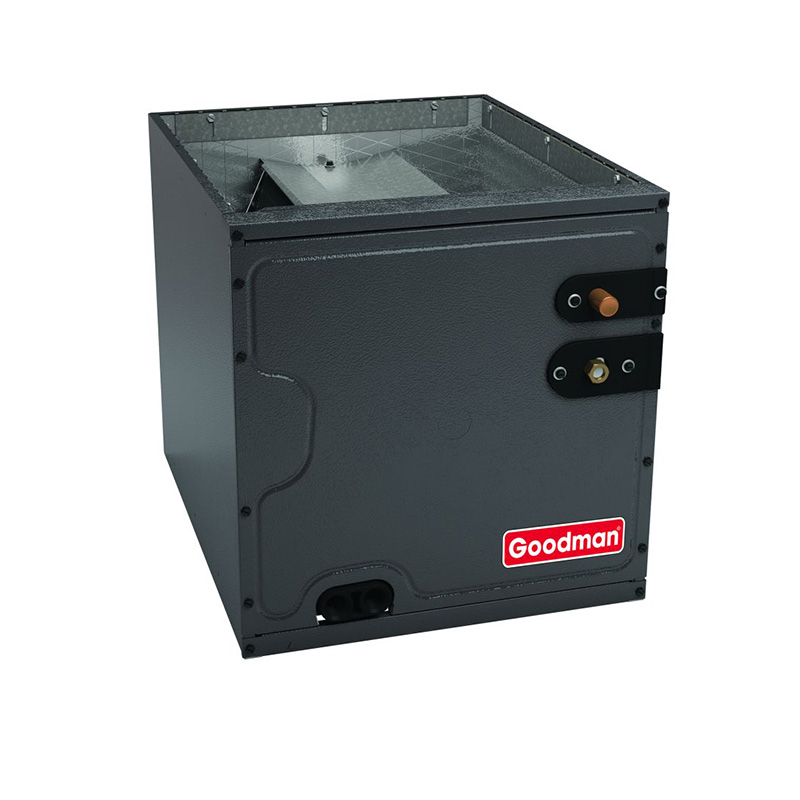
No. R-32 and R-410A are not interchangeable, and the condenser must be paired with a coil rated and sized for R-32. A new line set flush or replacement is typically required, and your contractor must be certified to handle R-32.
What does the Goodman warranty actually cover on this bundle?
Goodman typically provides a 10-year parts limited warranty when the equipment is registered within 60 days of installation by a licensed contractor. Some compressor and heat exchanger coverage extends longer, but labor costs are never included, so a service agreement from your installer is worth considering.
How important is contractor selection for this specific system?
Critically important. HVAC technicians consistently cite install quality as the single largest factor in Goodman system longevity, and a meaningful share of first-year refrigerant issues on Goodman units trace back to improper charging or handling during installation rather than a factory defect.
Will the 80,000 BTU furnace be too large for my home?
Oversizing a furnace causes short cycling, which reduces efficiency and comfort. You should have a contractor perform a Manual J load calculation for your specific home before assuming 80,000 BTU is the right size, even if the prior furnace was the same rating.
What should I budget for repairs over the life of this system?
Based on documented owner experience, dual-run capacitor failures are the most common issue and typically cost 300 to 600 dollars to fix. Evaporator coil leaks and compressor replacements are more significant expenses that are more likely to appear after the 7-to-10-year mark, so setting aside a repair fund makes practical sense.
Specifications
| Cooling capacity | 3 Ton |
| Efficiency | 15.2 SEER2 |
| Furnace output | 80000 BTU |
| Furnace efficiency | 96% AFUE |
| Configuration | Upflow |
| Refrigerant | R-32 |