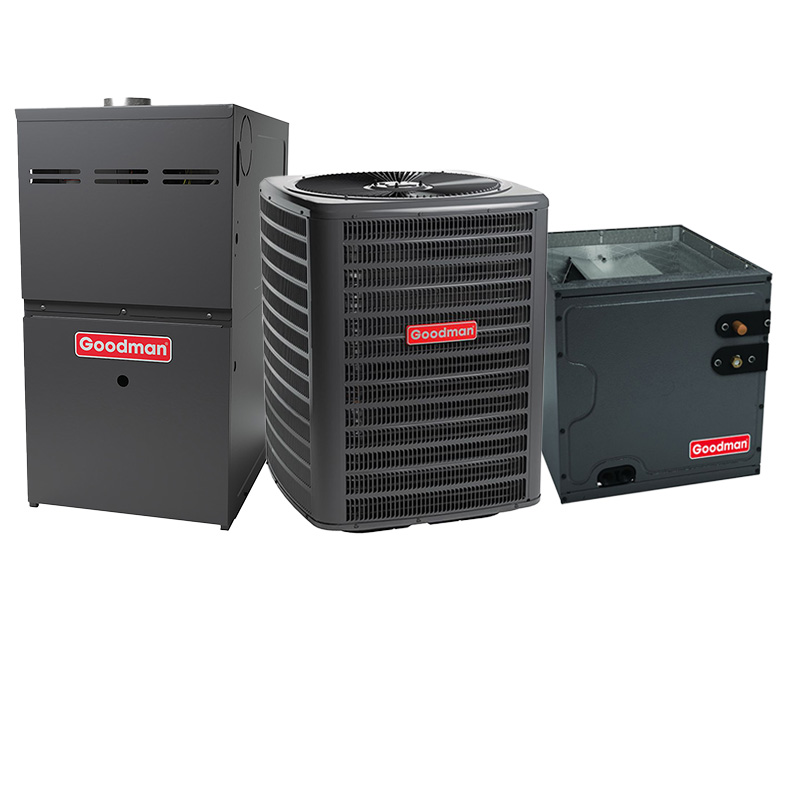
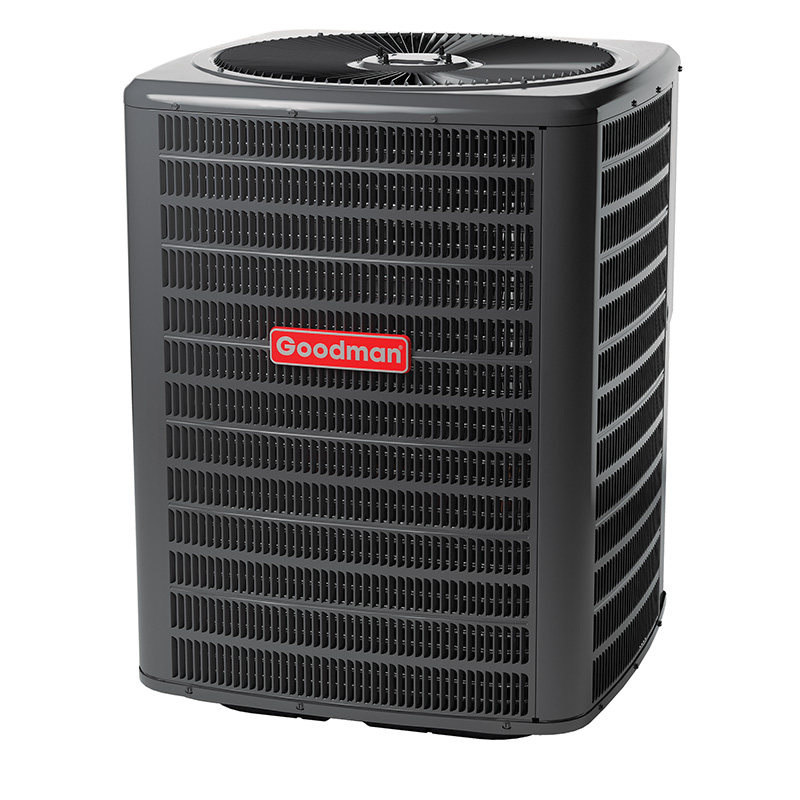
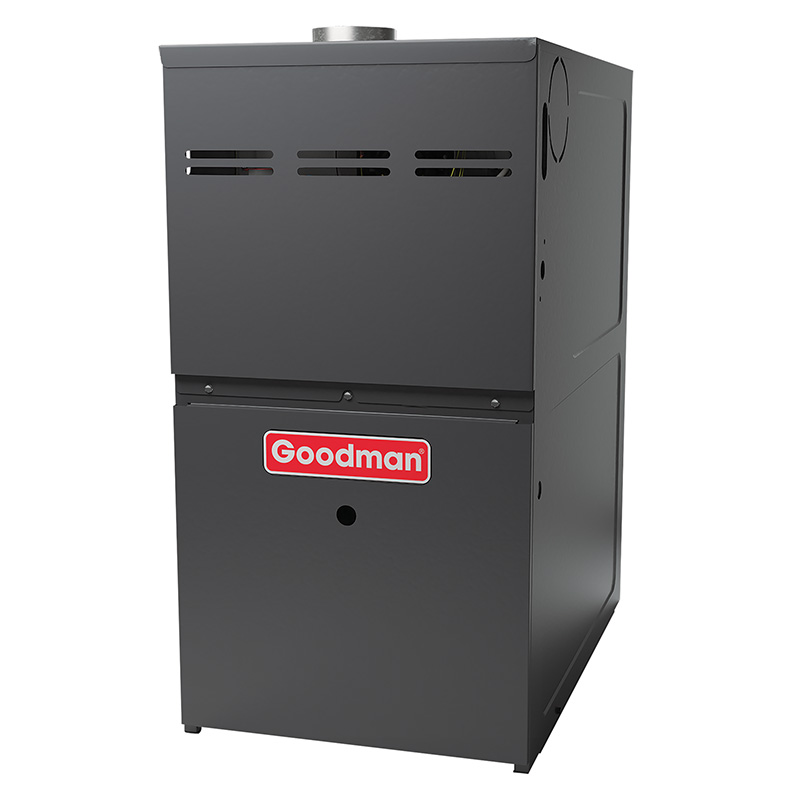
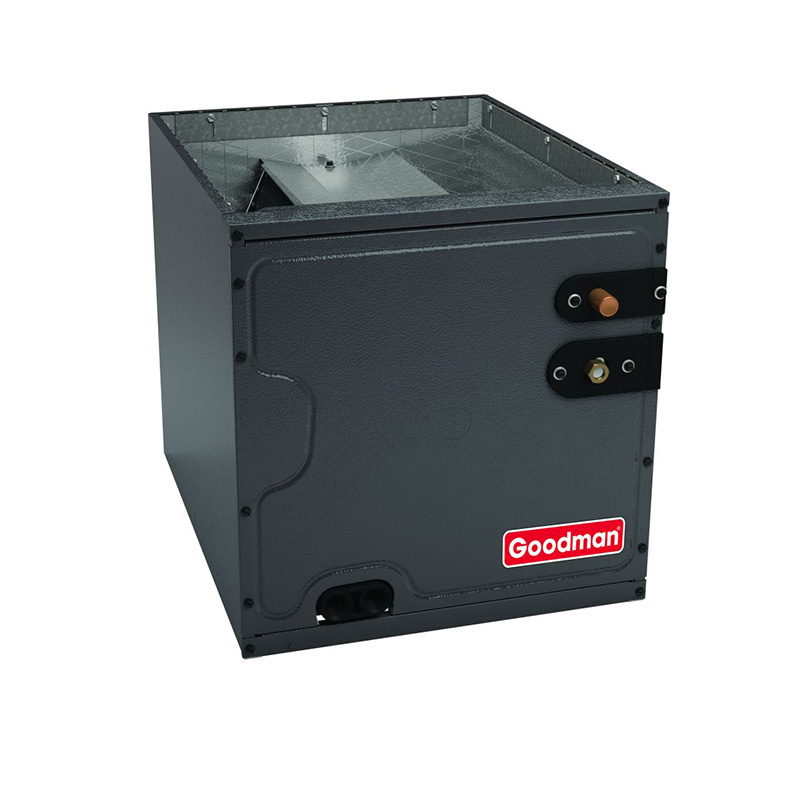
Goodman Furnace And Air Conditioner 3 Ton 16 SEER2 AC With 100000 BTU 80% AFUE Multi-Speed ECM Gas Furnace System – Upflow | R32
View on AC Direct see your lowest price →Check current price on AC Direct →
Key features
- 16 SEER2 single-stage cooling on a 3-ton (36,000 BTU/hr) air conditioner
- 100,000 BTU input 80% AFUE gas furnace in upflow configuration
- Multi-speed ECM blower motor reduces electricity use and improves airflow consistency
- R-32 refrigerant with lower global-warming potential than R-410A
- Upflow cabinet designed for basement, closet, or utility room installations
- Priced approximately 15 to 25 percent below comparable Carrier, Trane, and Lennox systems
About this system
The Goodman 3-ton, 16 SEER2 air conditioner paired with a 100,000 BTU 80% AFUE multi-speed ECM gas furnace is a straightforward, upflow split system aimed at homeowners who want reliable, code-compliant comfort without paying a premium brand markup. At 3 tons, this system is sized for homes roughly in the 1,400 to 1,900 square foot range depending on climate, insulation, and ceiling height. The 16 SEER2 rating clears the federal minimum for most regions and delivers a meaningful step up in cooling efficiency over legacy 13 or 14 SEER equipment, though it stops short of the two-stage or variable-speed performance you get at higher price points.
The furnace side runs an 80% AFUE rating, meaning 80 cents of every dollar in gas is converted to usable heat. That is the baseline efficiency tier and will satisfy most budgets in moderate-climate regions, but homeowners in colder climates with long heating seasons should weigh a 96% AFUE upgrade before committing. The multi-speed ECM blower motor is a genuine advantage here: it ramps airflow more gradually than a single-speed PSC motor, which improves comfort, reduces temperature swings, lowers blower electricity consumption, and works better with modern media air filters. The system uses R-32 refrigerant, a lower global-warming-potential option compared to the R-410A it replaces, and requires technicians with the appropriate handling certification.
This Goodman bundle is a competent, budget-conscious system for homeowners who want to replace aging equipment without stretching into premium territory. The ECM furnace and 16 SEER2 efficiency are solid specs at this price point, but long-term performance depends heavily on install quality and a willingness to budget for maintenance and possible component repairs after year seven. It is not the last furnace or AC you will ever buy, but it can perform well for a decade or more when properly installed and serviced.
Overall score is the average of the five ratings above.
What we like
- Price point is typically 15 to 25 percent lower than comparable Carrier, Trane, or Lennox systems
- Multi-speed ECM blower improves comfort and lowers blower operating costs versus single-speed motors
- 16 SEER2 meets or exceeds federal regional minimums and offers meaningful efficiency over older equipment
- R-32 refrigerant has a lower environmental impact than R-410A
- Upflow configuration suits the most common residential installation layouts
Trade-offs
- Dual-run capacitors are a documented early failure point, with repair costs typically running $300 to $600
- Compressor lifespan averages 10 to 14 years versus 15 to 20 years seen in premium brands
- A minority of owners report refrigerant leaks in year one, most often tied to installation or initial charge issues
- 80% AFUE is the lowest efficiency furnace tier and carries higher long-term fuel costs in cold climates
What homeowners and pros say about Goodman
Homeowners who research Goodman equipment online tend to encounter a split picture. On Google dealer review pages, where ratings cluster around 3.8 out of 5, the most consistent praise is straightforward: the system works and the price is noticeably lower than the name-brand alternatives. On ConsumerAffairs, where the score sits around 2.5 out of 5, the recurring frustration is not early catastrophic failure but rather the accumulation of repair bills after year seven or so, particularly around components like dual-run capacitors and, in a meaningful share of cases, evaporator coil leaks. A smaller group of owners describes refrigerant loss within the first year, a problem that HVAC technicians most often attribute to installation workmanship or refrigerant charge rather than the unit itself.
Experienced HVAC technicians tend to view Goodman with measured respect. They note that the equipment is serviceable and that parts are widely available, which matters when something needs fixing at 9 p.m. in January. The consistent professional caution is that Goodman’s performance ceiling is tied more directly to how well it is installed and commissioned than is true of higher-end brands with more tolerant engineering. Compressor longevity averaging 10 to 14 years versus the 15 to 20 years typical of premium brands is the most cited structural limitation. For a homeowner who wants solid value, hires a careful contractor, and keeps up with annual maintenance, this system represents a reasonable, honest choice. For someone who wants to install it and forget it for two decades, the premium brands carry a more realistic promise of that outcome.
Sources: ConsumerAffairs Goodman owner reviews, AHRI Directory of Certified Product Performance, U.S. DOE appliance and equipment efficiency standards, Goodman product specification sheets.
What it costs to run
At 16 SEER2, cooling this 3-ton system for a typical 1200-hour cooling season at the U.S. average electricity rate of $0.17/kWh works out to roughly $459 per year in cooling, about $89 less per year than a minimum-efficiency 13.4 SEER2 unit of the same size. Your real cost depends on your climate and local rate.
Method: (36,000 BTU/hr ÷ 16 SEER2) × 1200 hours ÷ 1000 × $0.17/kWh. Rate source: U.S. EIA average; cooling hours: moderate-climate estimate.
How it compares
| Brand | Comparable model | SEER2 | Stage | Price position |
|---|---|---|---|---|
| Goodman | GLXS3BA36 + GMVC8 / GMS80 Series (this system) | 16 | Single-stage | Value pick |
| Carrier | Comfort 16 / 24ACC6 Series with 58MVC Furnace | 16 | Single-stage | Typically 15 to 25 percent more than this Goodman system |
| Trane | XR16 / XR Series AC with S8X1 Furnace | 16 | Single-stage | Typically 15 to 25 percent more than this Goodman system |
| Lennox | Merit 16ACX Series AC with ML196 Furnace | 16 | Single-stage | Typically 15 to 25 percent more than this Goodman system |
Competitor rows are comparable single-stage units at similar efficiency; price is relative position, not a quote.
Questions about this system
Is 80% AFUE good enough, or should I upgrade to a 96% furnace?
For homeowners in warmer or mixed climates where heating is used only a few months a year, 80% AFUE is a reasonable and cost-effective choice. In colder northern climates with five or more months of regular heating, the 96% AFUE option can pay back the price difference through fuel savings over roughly five to eight years. Run the numbers against your local gas rates and average heating-degree days before deciding.
What is the R-32 refrigerant and does it affect who can service the system?
R-32 is a single-component refrigerant with a lower global-warming potential than R-410A and is increasingly common in new residential equipment. It is mildly flammable, so it requires a technician who is certified and equipped to handle it safely. Most established HVAC contractors are already trained on R-32, but confirm that before scheduling any service or installation.
Goodman has mixed reviews online. How worried should I be?
Goodman carries a ConsumerAffairs rating of around 2.5 out of 5, a channel that skews toward complaint-driven reviews, where the main theme is repair costs climbing after roughly year seven. Google dealer reviews average closer to 3.8 out of 5, where affordability is the most common positive note. The honest takeaway is that Goodman performs closer to its rated specs when installation is done carefully by an experienced contractor, and it tends to produce more complaints when installation quality is inconsistent.
What are the most likely repairs I should budget for over the first ten years?
Dual-run capacitor failure is the most commonly documented issue with Goodman AC units and is typically a straightforward repair in the $300 to $600 range. Evaporator coil leaks show up in a meaningful share of long-term owner reviews and are more costly to address. A small number of owners also report refrigerant leaks within the first year, which are usually traced back to the initial installation or refrigerant charge rather than a product defect.
Does the upflow configuration work for my installation, and can this be converted?
Upflow furnaces discharge heated air from the top of the cabinet and are designed for installations where supply ducts run overhead, such as basements, ground-floor utility rooms, or closets below the living space. This unit is configured specifically for upflow and is not designed to be field-converted to counterflow or horizontal. Confirm your duct layout with your contractor before ordering.
Specifications
| Cooling capacity | 3 Ton |
| Efficiency | 16 SEER2 |
| Furnace output | 100000 BTU |
| Furnace efficiency | 80% AFUE |
| Configuration | Upflow |
| Refrigerant | R-32 |