Goodman Furnace And Air Conditioner 3 Ton 16 SEER2 AC With 100000 BTU 80% AFUE Two Stage Multi-Speed ECM Gas Furnace System – Horizontal | R32
View on AC Direct see your lowest price →Check current price on AC Direct →
Key features
- 3-ton, 16 SEER2 cooling with R-32 refrigerant for lower environmental impact
- 100,000 BTU two-stage gas furnace reduces temperature swings and frequent cycling
- 80% AFUE heating efficiency meets code minimum in most regions
- Multi-speed ECM blower motor lowers electrical draw and operating noise
- Horizontal configuration for attic, crawl space, or side-discharge utility closet installs
- Factory-matched system simplifies coil compatibility and airflow commissioning
About this system
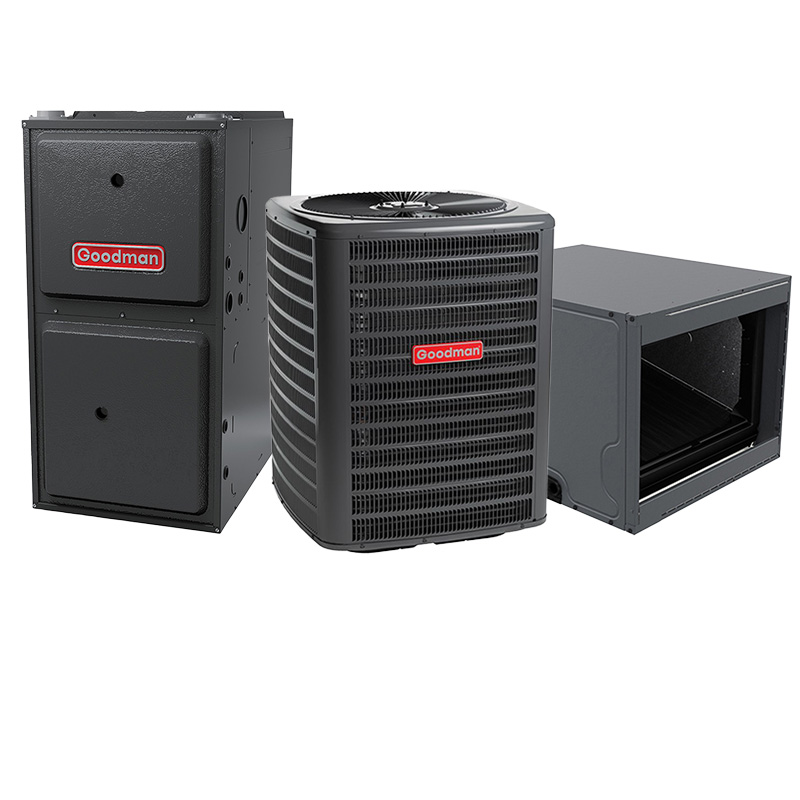
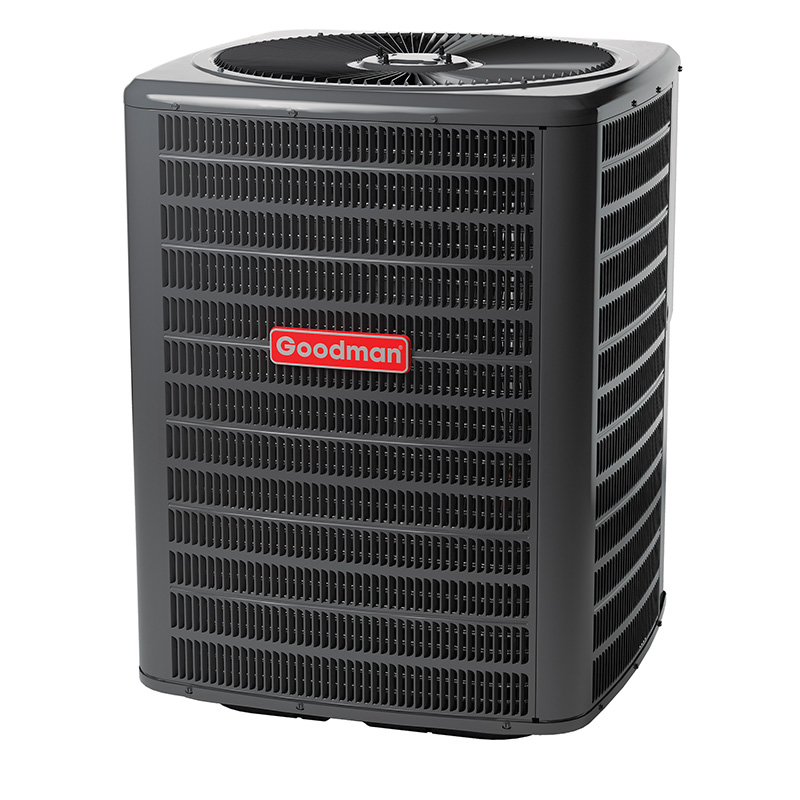
This Goodman bundle pairs a 3-ton, 16 SEER2 R-32 air conditioner with a 100,000 BTU, 80% AFUE two-stage gas furnace in a horizontal configuration, making it a practical choice for homes where the air handler sits in a crawl space, attic, or utility closet with a side-discharge layout. The 16 SEER2 rating clears the federal minimum for most U.S. regions and delivers a modest but real efficiency gain over older 13 or 14 SEER equipment, though it stops short of the 18-plus SEER2 territory where utility rebates tend to get generous. At 80% AFUE, roughly one dollar in five of gas burned exits as exhaust heat, so homeowners in colder climates may want to weigh a 96% AFUE two-stage unit before committing.
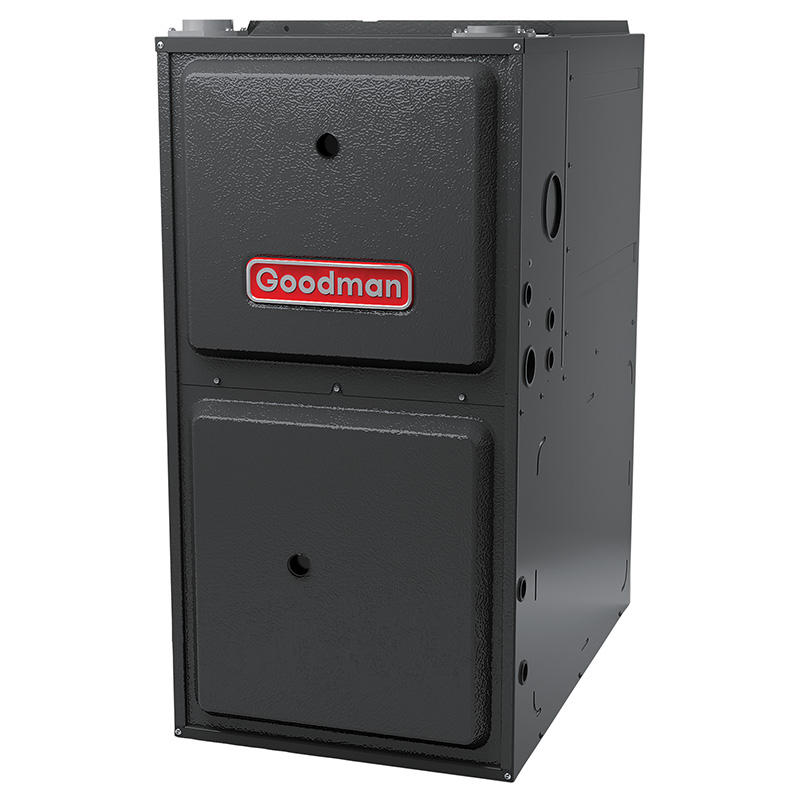
The two-stage furnace and multi-speed ECM blower motor are the standout specs here. Two-stage heating means the furnace runs on a lower fire most of the time, cycling on high only during peak cold, which reduces temperature swings and keeps humidity more even in winter. The ECM motor adjusts airflow continuously, using less electricity than a standard PSC motor and working more quietly at lower speeds. R-32 refrigerant carries a lower global-warming potential than the R-410A it is replacing in the industry, and it requires less refrigerant charge by weight, which can mean a slight reduction in leak-related environmental impact over the system’s life.
This system suits homeowners replacing aging equipment in a mid-size house, roughly 1,400 to 2,200 square feet depending on climate and insulation, who want a step up from single-stage basics without paying for premium-brand pricing or variable-speed technology. It is not the right fit for anyone prioritizing maximum efficiency for large utility rebates, ultra-quiet operation in a bedroom-adjacent install, or a brand with a documented track record of lasting 18-plus years on the compressor.
This Goodman bundle delivers solid mid-tier specs at a price point typically 15 to 25 percent below comparable Carrier, Trane, or Lennox packages, making it a reasonable value for budget-conscious homeowners who prioritize upfront cost. The two-stage furnace and ECM blower punch above the entry-level tier in comfort, but the brand's documented history of dual-run capacitor failures, evaporator coil leaks, and compressor lifespans that average shorter than premium competitors means long-term ownership costs deserve a hard look before signing off.
Overall score is the average of the five ratings above.
What we like
- Two-stage heating operation reduces temperature swings and improves comfort over single-stage alternatives
- ECM blower motor cuts electricity use and lowers noise at partial-load speeds
- R-32 refrigerant has a lower global-warming potential than outgoing R-410A systems
- Horizontal configuration fills a real installation niche that not all bundles address
- Factory-matched coil and furnace reduce guesswork on airflow and refrigerant charge sizing
Trade-offs
- 80% AFUE is the lowest efficiency tier available; homeowners in cold climates lose meaningful heating dollars versus a 96% AFUE unit
- Dual-run capacitors are the most commonly reported failure point, and while the repair is typically low cost, it adds to the ownership picture after year 7
- Evaporator coil leaks appear in a meaningful share of owner reviews, a known Goodman failure mode that can be costly if it occurs outside warranty
- Compressor longevity averages 10 to 14 years versus 15 to 20 years for premium brands, which affects long-term replacement planning
What homeowners and pros say about Goodman
Homeowners who post about their Goodman systems online tend to split into two camps: those who bought for the price and are satisfied after several years of routine operation, and those who ran into repair costs that eroded the upfront savings. On ConsumerAffairs, Goodman sits at roughly 2.5 out of 5, driven largely by owners who encountered problems after year 7, when repair costs on aging components started adding up. Google dealer reviews tell a more balanced story at around 3.8 out of 5, where affordability is the most common positive and installation experience drives a lot of the variance in satisfaction. The pattern that emerges across both channels is that a well-installed Goodman runs without much drama for the first several years, but the back half of its life carries more uncertainty than premium alternatives.
HVAC technicians tend to describe Goodman as a brand where their own workmanship has an outsized impact on outcomes. The most commonly reported failure mode in the field is the dual-run capacitor, which is a straightforward and relatively low-cost repair in the 300 to 600 dollar range, but it shows up with enough frequency that seasoned installers often mention it as a near-certainty over a system’s life. Evaporator coil leaks are a more serious concern documented in owner reviews, since a leaking coil can mean a refrigerant refill or full coil replacement well before the system’s end of life. And compressor longevity averaging 10 to 14 years, compared to 15 to 20 years for premium brands, is a real trade-off to factor into the total cost of ownership calculation for this R-32 system specifically, given that R-32-compatible replacement components are still maturing in availability.
Sources: ConsumerAffairs Goodman owner reviews, AHRI Directory of Certified Product Performance, U.S. DOE appliance and equipment efficiency standards, Goodman product specification sheets.
What it costs to run
At 16 SEER2, cooling this 3-ton system for a typical 1200-hour cooling season at the U.S. average electricity rate of $0.17/kWh works out to roughly $459 per year in cooling, about $89 less per year than a minimum-efficiency 13.4 SEER2 unit of the same size. Your real cost depends on your climate and local rate.
Method: (36,000 BTU/hr ÷ 16 SEER2) × 1200 hours ÷ 1000 × $0.17/kWh. Rate source: U.S. EIA average; cooling hours: moderate-climate estimate.
How it compares
| Brand | Comparable model | SEER2 | Stage | Price position |
|---|---|---|---|---|
| Goodman | GMVC8 / GSXH6 Series (this system) | 16 | Two-stage | Value pick |
| Carrier | Performance 16 / 58TP Series | 16 | Single-stage | Typically 15 to 25 percent more than this Goodman bundle |
| Trane | XR16 / S9X1 Series | 16 | Single-stage | Typically 15 to 25 percent more than this Goodman bundle |
| Lennox | Merit 16 / ML196 Series | 16 | Single-stage | Typically 15 to 25 percent more than this Goodman bundle |
Competitor rows are comparable single-stage units at similar efficiency; price is relative position, not a quote.
Questions about this system
Will this system qualify for federal or utility efficiency rebates?
The 16 SEER2 rating meets the federal minimum threshold for many regions and may qualify for some utility rebates, but higher rebate tiers typically require 18 SEER2 or above. The 80% AFUE furnace generally does not qualify for furnace-specific efficiency incentives, which usually start at 95 to 96% AFUE. Check your local utility and the IRS 25C credit guidelines before purchasing.
Is R-32 refrigerant harder or more expensive to service than R-410A?
R-32 is increasingly common in new residential equipment, and most HVAC technicians are trained to handle it, but it is classified as mildly flammable (A2L) so it requires certified technicians with the right recovery equipment. Availability is growing, but in some rural markets you may have a smaller pool of qualified service techs than with legacy R-410A systems.
What does the horizontal configuration mean and how do I know if my home needs it?
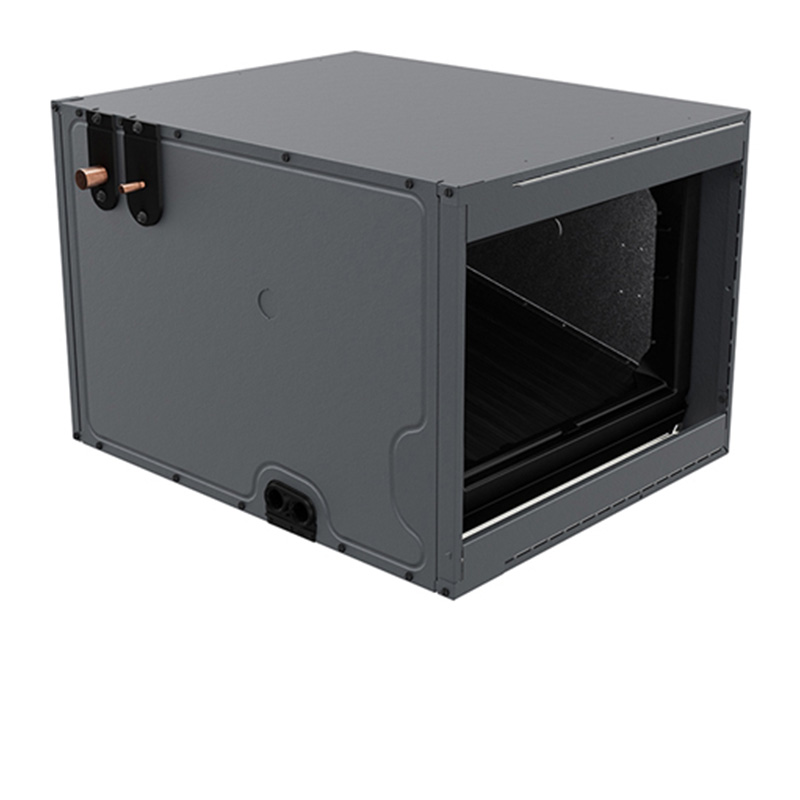
Horizontal means the air handler is designed to lie on its side, discharging conditioned air out the end rather than the bottom or top. This is standard for attic or crawl-space installs where vertical clearance is limited. If your current system sits upright in a closet or basement, you likely need a vertical configuration instead, so confirm your existing layout before ordering.
Goodman gets mixed online reviews. How worried should I be about long-term reliability?
Goodman scores around 2.5 out of 5 on ConsumerAffairs, a complaint-heavy channel, and about 3.8 out of 5 on Google dealer reviews. The recurring reliability concerns are dual-run capacitor failures (typically a 300 to 600 dollar fix), evaporator coil leaks, and compressor lifespans that average 10 to 14 years versus 15 to 20 for premium brands. Install quality is the single biggest factor in how long a Goodman system performs, so investing in a reputable installer matters more here than with premium brands.
Can I expect the two-stage furnace to noticeably improve comfort compared to what I have now?
If you are replacing a single-stage furnace, yes, the difference is usually noticeable. Two-stage operation means the furnace runs on low fire most of the time, producing longer, steadier heating cycles that reduce hot and cold spots and keep humidity more stable in winter. The ECM blower adds to this by ramping airflow gradually rather than blasting on at full speed, which also reduces noise.
Specifications
| Cooling capacity | 3 Ton |
| Efficiency | 16 SEER2 |
| Furnace output | 100000 BTU |
| Furnace efficiency | 80% AFUE |
| Configuration | Horizontal |
| Refrigerant | R-32 |