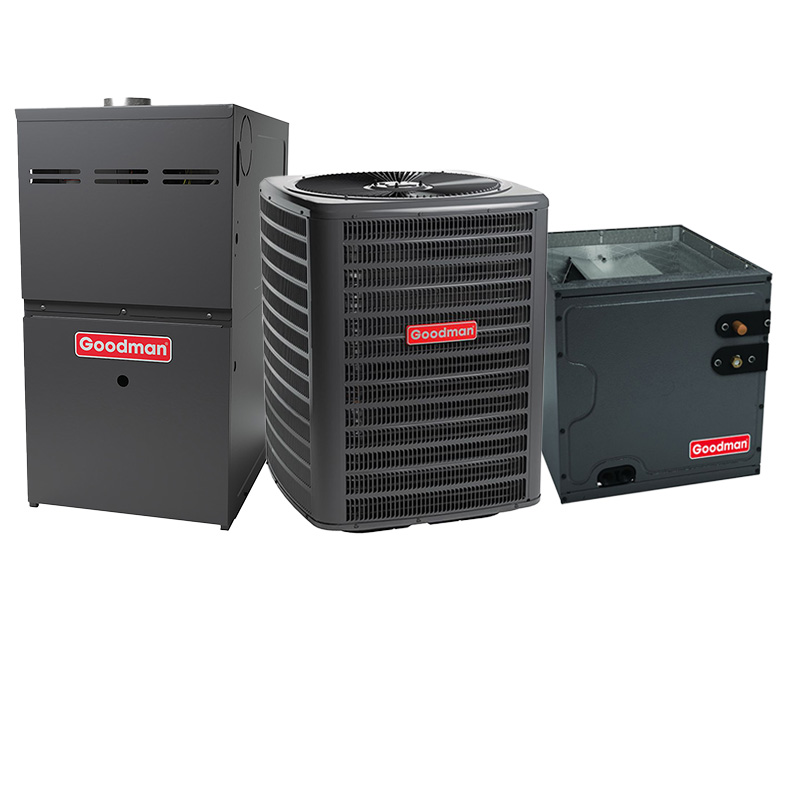
Goodman Furnace And Air Conditioner 3 Ton 16 SEER2 AC With 80000 BTU 80% AFUE Multi-Speed ECM Gas Furnace System – Upflow | R32
View on AC Direct see your lowest price →Check current price on AC Direct →
Key features
- 3-ton cooling capacity rated at 16 SEER2 for federally compliant efficiency
- 80,000 BTU gas furnace at 80% AFUE, suitable for moderate heating climates
- Multi-speed ECM blower motor reduces fan energy use vs. single-speed PSC motors
- Upflow configuration designed for basement, utility closet, or ground-level installs
- R-32 refrigerant with lower global warming potential than R-410A
- Factory-matched system for simplified equipment selection and coil compatibility
About this system
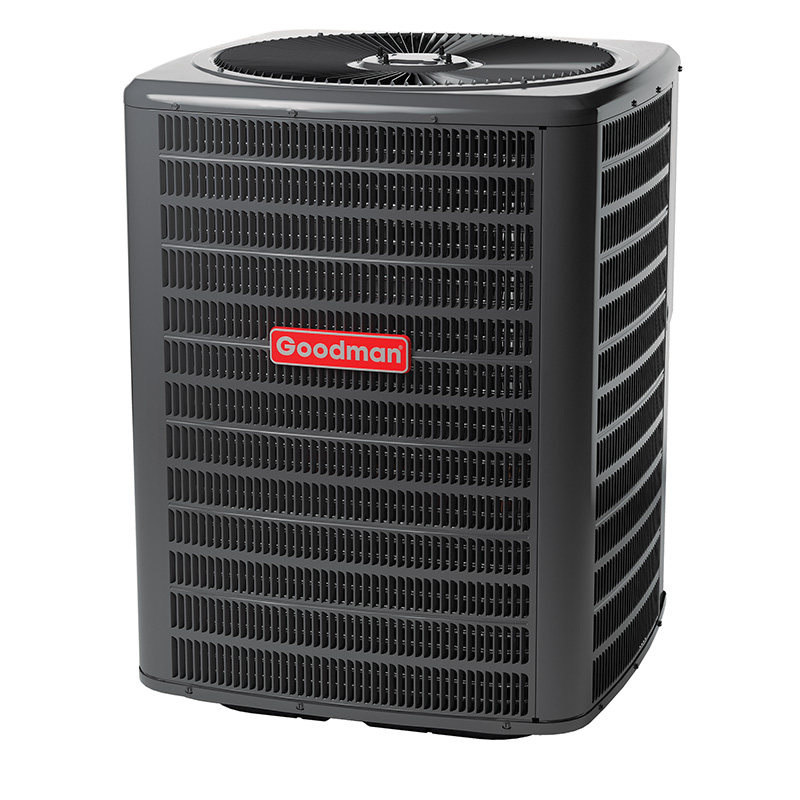
This Goodman bundle pairs a 3-ton, 16 SEER2 air conditioner with an 80,000 BTU, 80% AFUE multi-speed ECM gas furnace in an upflow configuration, making it a practical match for homes with basement or closet installations where conditioned air rises through the duct system. The 16 SEER2 rating clears the federal minimum efficiency threshold with a reasonable margin, meaning real-world cooling costs will be noticeably lower than older 13 or 14 SEER equipment but will not approach the savings of a 18+ SEER2 variable-speed system. The R-32 refrigerant is a welcome update: it carries a lower global warming potential than R-410A and is increasingly common as the industry moves away from older blends.
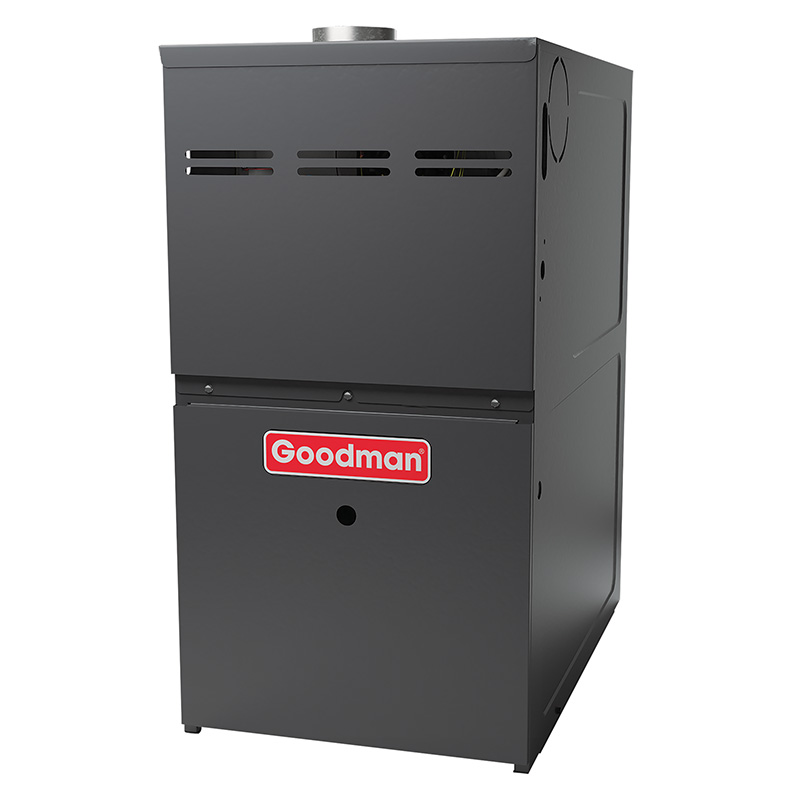
The 80% AFUE furnace is the entry tier of gas heating efficiency. It means roughly 20 cents of every heating dollar exits through the flue as exhaust heat rather than warming your home. Homeowners in mild-to-moderate heating climates or those replacing an aging 60-70% AFUE unit will still see a meaningful efficiency gain, but anyone in a cold northern climate should seriously weigh a 96% AFUE alternative. The multi-speed ECM blower motor is a genuine upgrade over single-speed PSC motors: it ramps airflow to match demand, cuts fan electricity use, and supports more even temperature distribution from room to room. This system suits mid-size homes, roughly 1,400 to 2,000 square feet depending on insulation and climate, where budget and a reasonable efficiency floor both matter.
This Goodman bundle delivers a functional, code-compliant cooling and heating system at a price point that undercuts major premium brands by 15 to 25 percent. The efficiency specs are solid for the money, though the 80% AFUE furnace and single-stage cooling mean homeowners with high comfort expectations or harsh winters may outgrow it. Long-term satisfaction hinges heavily on who installs it and how well it is commissioned.
Overall score is the average of the five ratings above.
What we like
- Purchase price typically 15 to 25 percent below comparable Carrier, Trane, and Lennox systems
- 16 SEER2 meaningfully beats the federal minimum, keeping cooling bills reasonable
- ECM multi-speed blower improves comfort and reduces electricity use compared to PSC motors
- R-32 refrigerant is a forward-looking choice as industry transitions away from R-410A
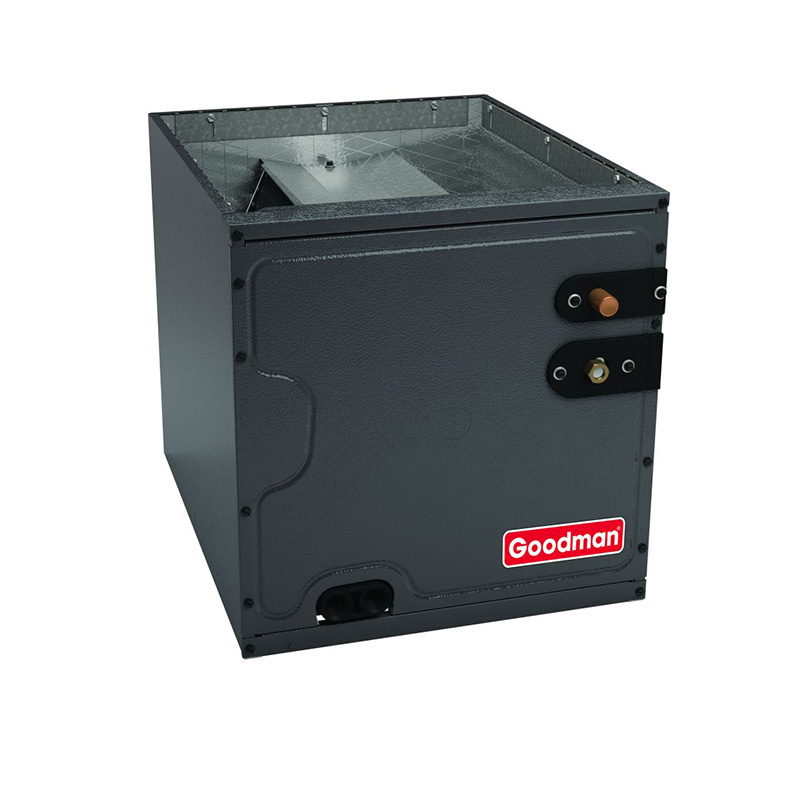
- Factory-matched coil and air handler simplify equipment selection and reduce compatibility guesswork
Trade-offs
- 80% AFUE loses roughly 20% of fuel energy through exhaust, a real cost in colder climates
- Goodman compressors average 10 to 14 years versus 15 to 20 years for premium-brand compressors
- Dual-run capacitor failures and evaporator coil leaks are documented recurring issues in owner reviews
- Single-stage cooling cycles on and off rather than modulating, which can mean uneven humidity control
What homeowners and pros say about Goodman
Homeowners who have gone with Goodman frequently mention the upfront savings as the deciding factor, and dealer Google reviews averaging around 3.8 out of 5 reflect a base of customers who got a functioning system at a price they were comfortable with. The affordability praise is consistent. On the other side, ConsumerAffairs shows a score of roughly 2.5 out of 5, and while that platform skews toward people with complaints, the recurring theme is worth noting: repair costs that feel manageable in the first few years can climb noticeably after year seven or so, particularly if a compressor or evaporator coil needs attention. For this specific system, the documented weak points are the dual-run capacitor, which tends to be the first component to fail and is a relatively inexpensive fix, and evaporator coil leaks, which are more disruptive and costly. Compressor longevity averaging 10 to 14 years also falls short of the 15 to 20 year range premium brands target.
HVAC professionals are generally not dismissive of Goodman, but they are consistent on one point: this brand rewards a thorough, careful install far more than a premium brand might forgive a rushed one. Technicians flag initial refrigerant charge accuracy and proper airflow setup as the factors that separate a Goodman that runs reliably for 12 years from one that starts generating service calls by year five. For this upflow gas furnace and AC bundle specifically, the R-32 refrigerant is a practical modern choice, and the ECM multi-speed blower is a real comfort upgrade over older single-speed motors. The 80% AFUE furnace is where trade-offs show up most clearly in colder regions. Pros who work on these units regularly suggest budgeting for a capacitor replacement somewhere in years three through eight as a near-certainty, treating it as routine maintenance rather than a surprise failure.
Sources: ConsumerAffairs Goodman owner reviews, AHRI Directory of Certified Product Performance, U.S. DOE appliance and equipment efficiency standards, Goodman product specification sheets.
What it costs to run
At 16 SEER2, cooling this 3-ton system for a typical 1200-hour cooling season at the U.S. average electricity rate of $0.17/kWh works out to roughly $459 per year in cooling, about $89 less per year than a minimum-efficiency 13.4 SEER2 unit of the same size. Your real cost depends on your climate and local rate.
Method: (36,000 BTU/hr ÷ 16 SEER2) × 1200 hours ÷ 1000 × $0.17/kWh. Rate source: U.S. EIA average; cooling hours: moderate-climate estimate.
How it compares
| Brand | Comparable model | SEER2 | Stage | Price position |
|---|---|---|---|---|
| Goodman | GSXH503610 / GMVC8 Series Bundle | 16 | Single-stage | Value pick |
| Carrier | Comfort 16 (24ACC6) Series | 16 | Single-stage | Typically 15 to 25 percent more than this Goodman bundle |
| Trane | XR16 (4TTR6) Series | 16 | Single-stage | Typically 15 to 25 percent more than this Goodman bundle |
| Lennox | Merit 16 (ML16XC1) Series | 16 | Single-stage | Typically 15 to 25 percent more than this Goodman bundle |
Competitor rows are comparable single-stage units at similar efficiency; price is relative position, not a quote.
Questions about this system
Is 80% AFUE good enough for my climate, or should I upgrade to a 96% furnace?
In mild to moderate heating climates, 80% AFUE is adequate and the payback period on a 96% unit can stretch beyond a decade. If you are in a cold northern climate that sees extended sub-freezing winters, the fuel savings from a high-efficiency two-stage or modulating furnace typically justify the higher upfront cost within five to eight years.
What are the most common repair issues I should budget for with this Goodman system?
Dual-run capacitor failure is the most frequently reported problem and is generally a low-cost fix in the $300 to $600 range. Evaporator coil leaks appear in a meaningful share of owner reviews and are more expensive to address. A minority of owners also report refrigerant leaks within the first year, which is usually tied to installation or initial charge quality rather than a defective component.
Why does this system use R-32 refrigerant, and does that affect service costs?
R-32 has a lower global warming potential than R-410A and is more energy-efficient to compress, which supports better system performance. It is mildly flammable (A2L classification), so technicians need certification to handle it, but it is widely stocked and service costs are not expected to be higher than R-410A in the near term.
What does upflow configuration mean, and will it work with my home's duct layout?
Upflow means the furnace pulls return air in from the bottom and discharges conditioned air upward into the duct system. This configuration is standard for installs in basements, utility closets, and ground-level mechanical rooms where ductwork runs above the unit. It is not the right choice for attic or downflow applications.
How important is installer quality with a Goodman system specifically?
HVAC technicians consistently cite installation quality as the single biggest factor in how long a Goodman unit lasts and how efficiently it runs. Proper refrigerant charge, correct airflow setup, and accurate gas pressure calibration are critical, and some of the early refrigerant leak reports in owner reviews trace back to install issues rather than factory defects. Getting multiple bids and verifying contractor credentials is worth the time.
Specifications
| Cooling capacity | 3 Ton |
| Efficiency | 16 SEER2 |
| Furnace output | 80000 BTU |
| Furnace efficiency | 80% AFUE |
| Configuration | Upflow |
| Refrigerant | R-32 |