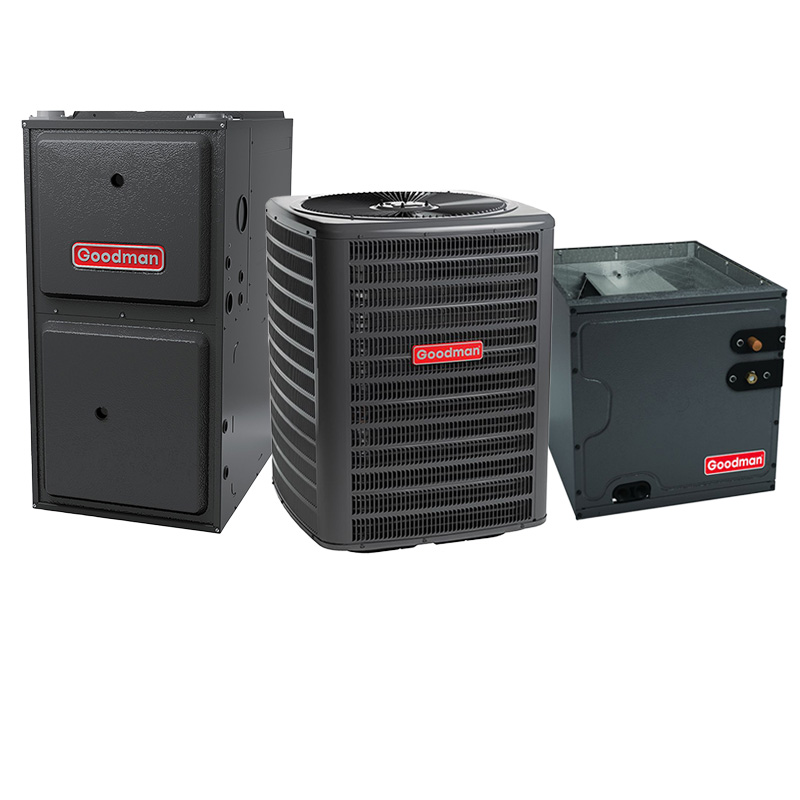
Goodman Furnace And Air Conditioner 4 Ton 14.3 SEER2 AC With 100000 BTU 96% AFUE Multi-Speed ECM Gas Furnace System – Upflow | R32
View on AC Direct see your lowest price →Check current price on AC Direct →
Key features
- 4-ton cooling capacity, 14.3 SEER2 efficiency rating meets current federal minimums
- 100,000 BTU gas furnace at 96% AFUE for high-efficiency cold-weather heating
- Multi-speed ECM blower motor reduces electricity use and improves humidity management
- R-32 refrigerant offers lower global-warming potential and better long-term parts availability than R-410A
- Upflow configuration designed for basement or utility-closet installations with overhead ductwork
- Bundled AC and furnace from the same manufacturer simplifies warranty claims and parts sourcing
About this system
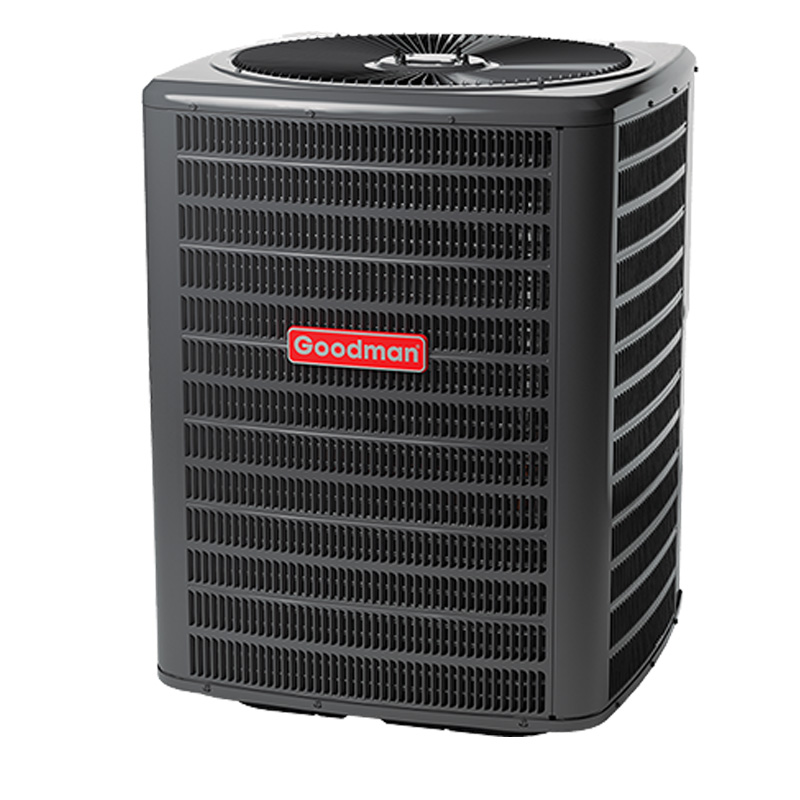
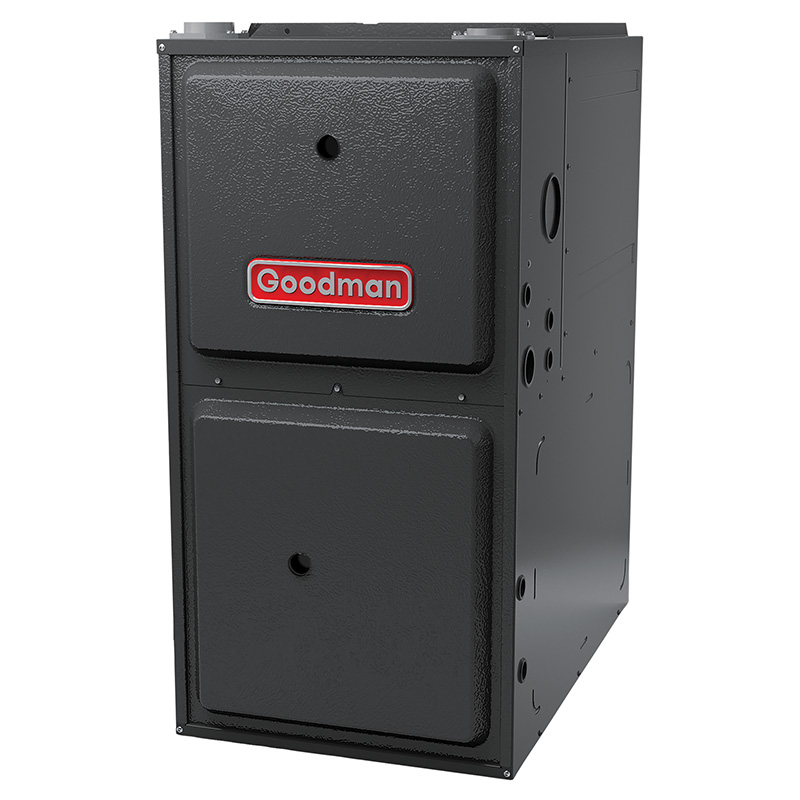
This Goodman bundle pairs a 4-ton, 14.3 SEER2 central air conditioner with a 100,000 BTU, 96% AFUE multi-speed ECM gas furnace in an upflow configuration. The cooling side lands right at the current federal minimum efficiency threshold for most U.S. climate zones, which keeps the purchase price competitive without sacrificing code compliance. The furnace side is a stronger story: 96% AFUE means only about four cents of every fuel dollar escapes up the flue, a meaningful upgrade over the 80% units that dominated installations a decade ago. The multi-speed ECM blower motor adjusts airflow to conditions rather than running flat-out, which trims electricity use on shoulder-season days and helps with humidity control compared to single-speed alternatives.
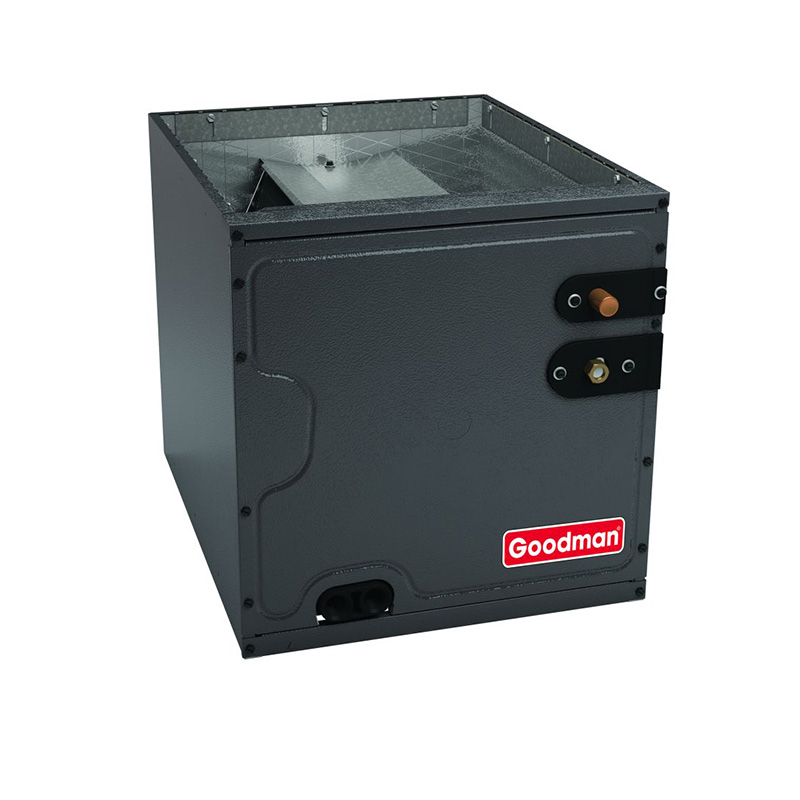
The system uses R-32 refrigerant, a lower global-warming-potential option replacing the older R-410A that most contractors are still transitioning away from. That matters for long-term serviceability: as R-410A phases out, R-32 equipment will be easier and cheaper to recharge if a leak ever occurs. The upflow configuration suits homes where the air handler sits in a basement or utility closet and ductwork runs up through the floor system, which covers a large share of single-family builds in colder climates. At 4 tons, this is sized for roughly 1,800 to 2,400 square feet of conditioned space depending on insulation, local climate, and window area, though proper Manual J load calculation should always confirm sizing before purchase.
Goodman positions itself as a value brand, priced roughly 15 to 25 percent below comparable Trane, Lennox, and Carrier systems. That gap is real money on a bundled install, but it comes with trade-offs worth understanding before you buy. Technicians consistently point to install quality as the dominant variable in how long any Goodman system performs, so contractor selection matters at least as much as the equipment itself.
This Goodman bundle delivers solid efficiency specs at a price point that undercuts the major premium brands by a noticeable margin, making it a reasonable choice for budget-conscious homeowners who hire a skilled installer. The 96% AFUE furnace and ECM motor are genuine strengths, but the brand's documented history of capacitor failures, evaporator coil leaks, and shorter average compressor lifespan means buyers should budget for maintenance and prioritize the extended warranty option.
Overall score is the average of the five ratings above.
What we like
- 96% AFUE furnace is among the most efficient gas heating options available at any price point
- R-32 refrigerant is forward-looking and avoids the supply-chain squeeze hitting R-410A equipment
- Multi-speed ECM blower improves part-load efficiency and comfort compared to single-speed units
- Bundled system from one manufacturer means matched components and unified warranty coverage
- Purchase price typically 15 to 25 percent below equivalent Trane, Carrier, and Lennox configurations
Trade-offs
- Dual-run capacitors are the most frequently reported failure point, typically surfacing within the first several years of operation
- Evaporator coil leaks appear in a meaningful share of owner reviews and can be costly to address
- Compressor lifespan averages 10 to 14 years versus 15 to 20 years documented in premium brands
- A minority of owners have reported refrigerant leaks within the first year, usually tied to install or initial charge issues rather than the equipment itself
What homeowners and pros say about Goodman
Homeowners who have lived with Goodman equipment tend to split along install-quality lines. Those whose systems were commissioned carefully by experienced technicians often report years of routine service with only minor maintenance, most commonly a capacitor swap somewhere in years three through six, a repair that runs around 300 to 600 dollars and takes less than an hour. Owners who encountered problems early, particularly refrigerant leaks in the first year, frequently point back to install or initial charge issues rather than factory defects, which echoes what field technicians consistently say: Goodman’s performance ceiling is set more by who installs it than by the equipment itself. On ConsumerAffairs, where the brand scores around 2.5 out of 5, the complaint thread that surfaces repeatedly is repair costs accelerating after year seven, aligning with the documented pattern of evaporator coil leaks and compressor wear beginning to show up in the second half of the expected service life.
HVAC pros have a generally pragmatic view of Goodman. Many contractors will install it without hesitation for customers with a firm budget ceiling, while recommending Trane, Carrier, or Lennox to customers who prioritize longevity and are willing to pay more upfront. The 10-to-14-year average compressor lifespan the brand carries is a real gap compared to the 15-to-20-year figures associated with premium competitors, and technicians familiar with both will tell you that honestly. Google dealer reviews land around 3.8 out of 5, where the most common positive note is that customers got a functional, efficient system installed for noticeably less than competing quotes. For this specific bundle, the 96% AFUE furnace and ECM blower draw genuine respect from pros as strong-performing components at any price point; the cooling side at 14.3 SEER2 is described more neutrally as meeting the minimum without exceeding it.
Sources: ConsumerAffairs Goodman owner reviews, AHRI Directory of Certified Product Performance, U.S. DOE appliance and equipment efficiency standards, Goodman product specification sheets.
What it costs to run
At 14.3 SEER2, cooling this 4-ton system for a typical 1200-hour cooling season at the U.S. average electricity rate of $0.17/kWh works out to roughly $685 per year in cooling, about $46 less per year than a minimum-efficiency 13.4 SEER2 unit of the same size. Your real cost depends on your climate and local rate.
Method: (48,000 BTU/hr ÷ 14.3 SEER2) × 1200 hours ÷ 1000 × $0.17/kWh. Rate source: U.S. EIA average; cooling hours: moderate-climate estimate.
How it compares
| Brand | Comparable model | SEER2 | Stage | Price position |
|---|---|---|---|---|
| Goodman | This system (4-ton 14.3 SEER2 AC + 96% AFUE ECM furnace bundle) | 14.3 | Single-stage | Value pick |
| Carrier | Comfort Series (24ACC4 AC + 58TP furnace bundle) | 14.3-15 | Single-stage | Typically 15 to 25 percent more than this Goodman bundle |
| Trane | XR14 AC + S9V2 furnace bundle | 14.3-15 | Single-stage | Typically 15 to 25 percent more than this Goodman bundle |
| Lennox | Merit Series (ML14XC1 AC + ML196 furnace bundle) | 14.3-15 | Single-stage | Typically 15 to 25 percent more than this Goodman bundle |
Competitor rows are comparable single-stage units at similar efficiency; price is relative position, not a quote.
Questions about this system
Is 14.3 SEER2 going to cost me significantly more to run than a higher-efficiency unit?
For a 4-ton system, moving from 14.3 SEER2 to 18 SEER2 can reduce annual cooling electricity costs by roughly 20 percent, but the absolute dollar savings depend heavily on your local utility rates and how many cooling hours your climate delivers. In moderate climates the payback period on a higher-efficiency unit can stretch beyond ten years, while in hot-humid regions it shortens considerably. Run the numbers against your electricity rate before assuming a higher-tier unit justifies the upfront premium.
What is the warranty on this Goodman bundle and are there conditions I need to meet?
Goodman typically provides a 10-year parts limited warranty on registered residential equipment, but registration must be completed within a set window after installation, usually 60 days. Some components carry different coverage periods, and the warranty generally requires installation by a licensed contractor. Read the specific warranty documents for this model before purchase, because unregistered equipment often drops to a shorter default coverage period.
How hard is it to find a contractor who works on R-32 equipment?
R-32 requires technicians to use slightly different handling procedures than R-410A due to its mild flammability classification, but it does not require a different EPA Section 608 certification. Most established HVAC shops are already equipped or quickly getting there as R-32 becomes the new standard. Confirming your chosen contractor has handled R-32 equipment before installation is worth a quick phone call.
The ConsumerAffairs rating for Goodman is around 2.5 out of 5. Should that worry me?
ConsumerAffairs skews toward complaint submissions, so a 2.5 there does not represent a random cross-section of all Goodman owners. The recurring theme in those reviews is repair costs climbing after roughly year seven, which aligns with the documented capacitor and coil failure patterns. Google dealer reviews average around 3.8 out of 5, where affordability is the most common positive note. The honest picture is that Goodman is not the most reliable brand in the field but performs better than its lowest ratings suggest when installed correctly and maintained regularly.
My house is about 2,200 square feet. Is 4 tons the right size for this system?
Four tons is in the typical ballpark for 2,200 square feet, but square footage alone is not a reliable sizing method. Ceiling height, insulation levels, window area and orientation, local design temperatures, and duct configuration all affect the correct load calculation. An oversized system will short-cycle, leaving humidity problems even if the temperature setpoint is met, while an undersized one will struggle on peak days. Ask your contractor to perform a Manual J calculation before confirming this size.
Specifications
| Cooling capacity | 4 Ton |
| Efficiency | 14.3 SEER2 |
| Furnace output | 100000 BTU |
| Furnace efficiency | 96% AFUE |
| Configuration | Upflow |
| Refrigerant | R-32 |