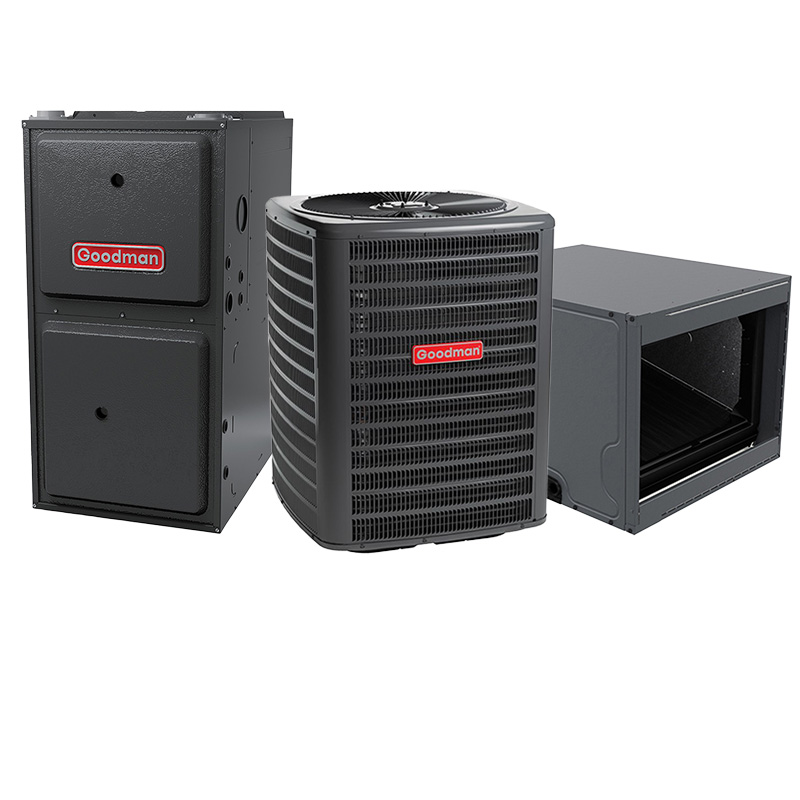
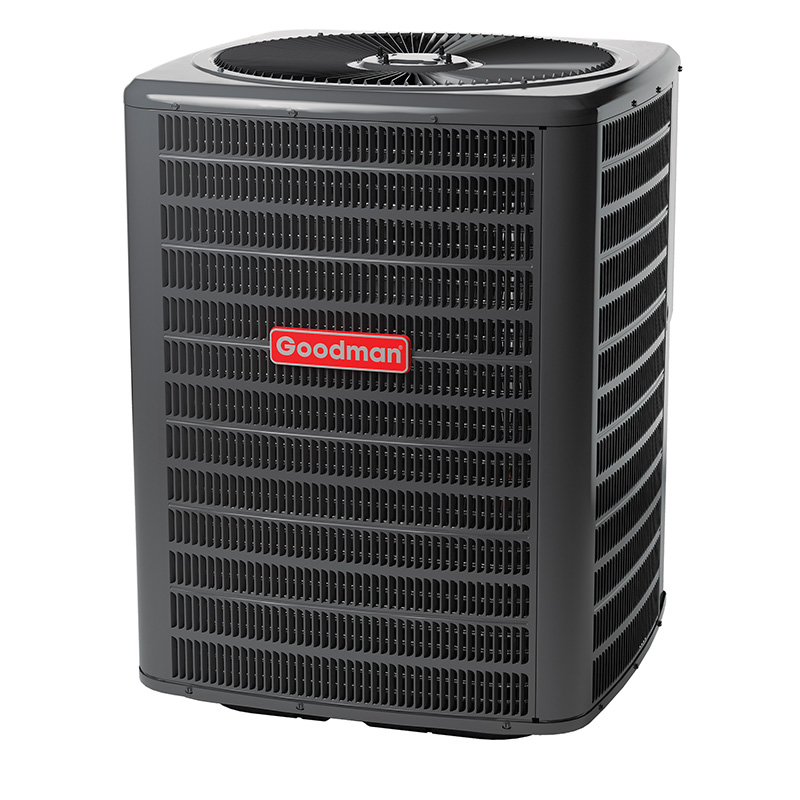
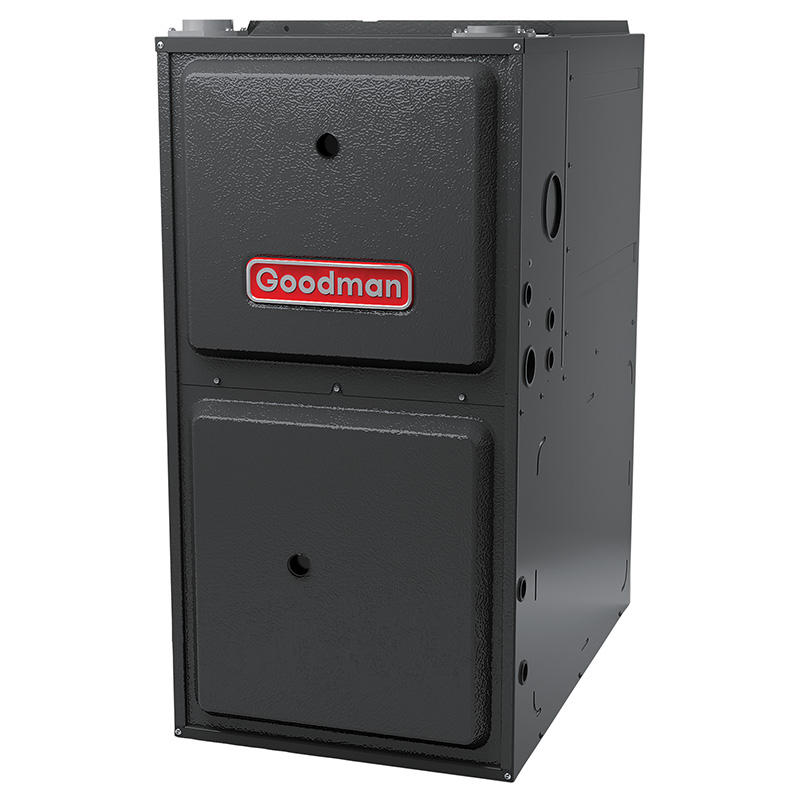
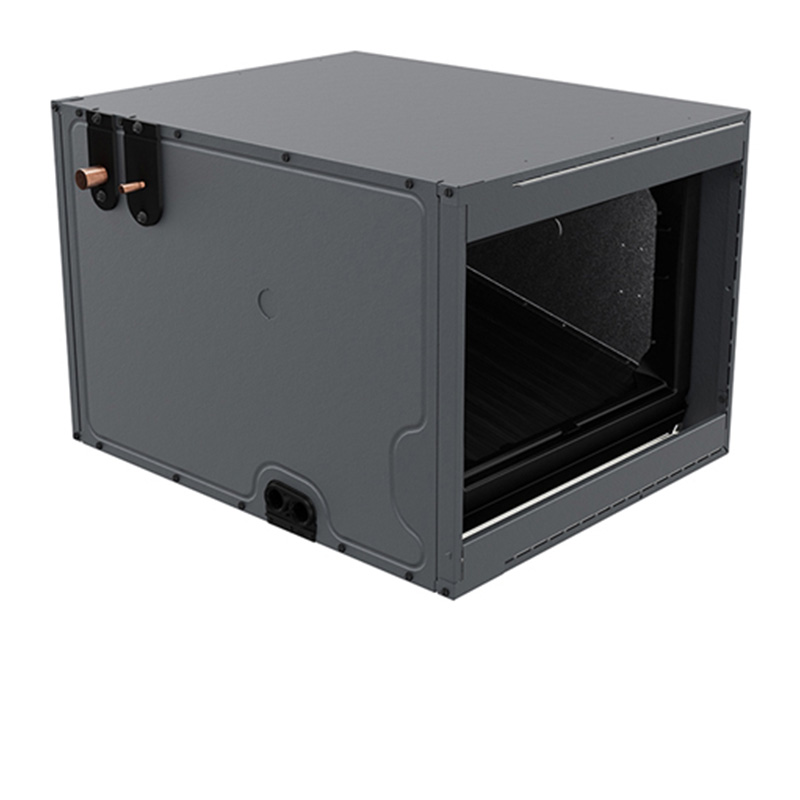
Goodman Furnace And Air Conditioner 4 Ton 14.5 SEER2 AC With 100000 BTU 80% AFUE Two Stage Multi-Speed ECM Gas Furnace System – Horizontal | R32
View on AC Direct see your lowest price →Check current price on AC Direct →
Key features
- 4-ton, 14.5 SEER2 R-32 air conditioner meets 2023 DOE minimum efficiency standards for most U.S. regions
- 100,000 BTU two-stage gas furnace reduces short-cycling and improves temperature consistency
- Multi-speed ECM blower motor cuts fan energy use versus standard PSC motors
- 80% AFUE mid-efficiency furnace rated for horizontal attic or crawlspace installation
- R-32 refrigerant has roughly 68% lower global warming potential than R-410A
- Matched system qualifies for Goodman's parts warranty when registered by a licensed contractor
About this system
This Goodman bundle pairs a 4-ton, 14.5 SEER2 R-32 air conditioner with a 100,000 BTU, 80% AFUE two-stage, multi-speed ECM gas furnace configured for horizontal installation. The horizontal orientation is the defining constraint here: it is designed for attic or crawlspace installations where vertical clearance is limited, and it is not a fit for upright closet or basement setups without modification. R-32 refrigerant is a newer, lower-global-warming-potential alternative to R-410A, and its adoption signals where the industry is heading, though field techs in some regions may have less hands-on experience with it.
The two-stage furnace runs at a lower capacity most of the time and ramps up only on the coldest days, which tends to produce more even temperatures and quieter operation than a single-stage unit. The ECM (electronically commutated motor) blower is notably more efficient than a standard PSC motor and contributes to lower monthly operating costs over the life of the system. At 80% AFUE, however, this furnace is a mid-efficiency unit: roughly 20% of combustion energy exits through the flue. Buyers in climates with long, severe heating seasons should weigh whether stepping up to a 96% or higher AFUE unit would recoup the premium through fuel savings. For mixed climates or homes where cooling is the dominant load, 80% AFUE is a reasonable and common choice.
This system suits homeowners replacing aging equipment in attic or crawlspace installations who want a proven two-stage setup at a price point well below premium brands. It rewards buyers who hire a skilled, licensed installer, because Goodman equipment performance is strongly tied to installation quality. Budget-minded buyers willing to do preventive maintenance and budget for a possible capacitor swap in the mid-years will get the most from this package.
This Goodman bundle is a serviceable, budget-conscious option for homeowners with horizontal installation requirements who prioritize upfront cost over long-term brand prestige. The two-stage furnace and ECM blower are genuine functional upgrades over entry-level equipment, and 14.5 SEER2 meets current code in most markets. The trade-off is a brand with a documented mid-tier reliability track record and a compressor lifespan that typically falls short of premium competitors.
Overall score is the average of the five ratings above.
What we like
- Priced 15 to 25 percent below comparable Trane, Carrier, and Lennox systems, lowering the entry cost meaningfully
- Two-stage furnace operation reduces temperature swings and fan noise compared to single-stage alternatives
- ECM blower motor lowers fan electricity consumption during both heating and cooling cycles
- R-32 refrigerant is future-aligned as R-410A is phased out industry-wide
- Horizontal configuration is purpose-built for attic and crawlspace setups where vertical space is unavailable
Trade-offs
- Dual-run capacitors are the most frequently reported failure point, typically requiring a 300 to 600 dollar repair around years 5 through 9
- Compressor lifespan averages 10 to 14 years, versus 15 to 20 years reported for premium-brand compressors
- Evaporator coil leaks appear in a meaningful share of owner reviews and can be costly to address
- 80% AFUE means one in five combustion BTUs is lost up the flue, which adds up in colder climates with long heating seasons
What homeowners and pros say about Goodman
Homeowners who share feedback on Goodman systems tend to split into two camps. Those who had a skilled installer handling startup, refrigerant charge, and airflow balancing often report years of uneventful service and point to the lower purchase price as a win. Those who ran into problems more often trace their frustrations back to the years-seven-and-beyond window, which aligns with what shows up on ConsumerAffairs, where Goodman carries roughly a 2.5 out of 5 rating on that complaint-heavy platform. The recurring thread in negative reviews is repair costs that feel disproportionate to the age of the equipment, particularly around evaporator coil leaks and compressor failures that arrive earlier than owners expected. Google dealer reviews tell a somewhat more balanced story, landing around 3.8 out of 5, where the most common praise is straightforward: the price is lower and the system cools and heats the house.
HVAC technicians who work on Goodman equipment regularly point to dual-run capacitors as the most predictable failure, a relatively inexpensive fix at 300 to 600 dollars if caught before it cascades into a compressor failure. They note that compressor longevity on Goodman units typically runs 10 to 14 years, a meaningful gap compared to the 15 to 20 years commonly reported for premium-brand compressors. For this specific horizontal, R-32 bundle, a few additional factors matter to pros: technician familiarity with R-32 handling varies by region, and horizontal attic installations introduce a drainage and access dimension that makes quality startup work even more consequential. The consistent professional advice is to invest in the install and plan a maintenance schedule, because those two factors do more to determine how this system performs long-term than the brand name on the cabinet.
Sources: ConsumerAffairs Goodman owner reviews, AHRI Directory of Certified Product Performance, U.S. DOE appliance and equipment efficiency standards, Goodman product specification sheets.
What it costs to run
At 14.5 SEER2, cooling this 4-ton system for a typical 1200-hour cooling season at the U.S. average electricity rate of $0.17/kWh works out to roughly $675 per year in cooling, about $56 less per year than a minimum-efficiency 13.4 SEER2 unit of the same size. Your real cost depends on your climate and local rate.
Method: (48,000 BTU/hr ÷ 14.5 SEER2) × 1200 hours ÷ 1000 × $0.17/kWh. Rate source: U.S. EIA average; cooling hours: moderate-climate estimate.
How it compares
| Brand | Comparable model | SEER2 | Stage | Price position |
|---|---|---|---|---|
| Goodman | GMVC8 / GSXH6 Series (this system) | 14.5 | two-stage | Value pick |
| Carrier | Performance 16 / 58TP Series | 15.2 | two-stage | Typically 15 to 25 percent more than this Goodman bundle |
| Trane | XR15 / S8X2 Series | 15.0 | two-stage | Typically 15 to 25 percent more than this Goodman bundle |
| Lennox | Merit 14ACX / ML196 Series | 14.3 | single-stage | Typically 15 to 25 percent more than this Goodman bundle |
Competitor rows are comparable single-stage units at similar efficiency; price is relative position, not a quote.
Questions about this system
Is a horizontal furnace the same as a standard furnace laid on its side, or is it a different unit entirely?
It is a different configuration from the factory, not simply a standard unit tipped over. Horizontal furnaces have drain pans, flue connections, and airflow paths designed specifically for sideways installation. Using this unit in a vertical upflow or downflow position would void the warranty and likely create safety and drainage problems.
Will my HVAC technician know how to work with R-32 refrigerant, or is it hard to find service?
R-32 requires EPA Section 608 certification, which most licensed techs already hold, but hands-on familiarity varies by region. R-32 is mildly flammable (A2L classification), so techs need proper training and recovery equipment rated for it. Ask your installer about their R-32 experience before booking.
What is the most likely repair I should budget for over the first ten years?
Dual-run capacitor replacement is the most commonly reported Goodman failure, typically costing between 300 and 600 dollars for parts and labor. Keeping a maintenance contract that includes capacitor inspection can catch a weakening capacitor before it causes a compressor lock-out on a hot day.
Does this system qualify for federal energy efficiency tax credits?
The 80% AFUE furnace does not meet the 97% AFUE threshold required for the federal 25C heating equipment tax credit. The 14.5 SEER2 air conditioner may qualify if it meets the combined efficiency requirement (EER2 threshold); confirm with your tax professional and check the ENERGY STAR certified products list for this specific model number.
How important is it to register the system after installation, and who has to do it?
Registration is critical because Goodman's extended parts warranty (typically 10 years on covered components) requires registration by a licensed contractor within a set window after installation. If you skip registration, coverage may default to a shorter base warranty period. Have your installer complete registration at the time of startup and get written confirmation.
Specifications
| Cooling capacity | 4 Ton |
| Efficiency | 14.5 SEER2 |
| Furnace output | 100000 BTU |
| Furnace efficiency | 80% AFUE |
| Configuration | Horizontal |
| Refrigerant | R-32 |