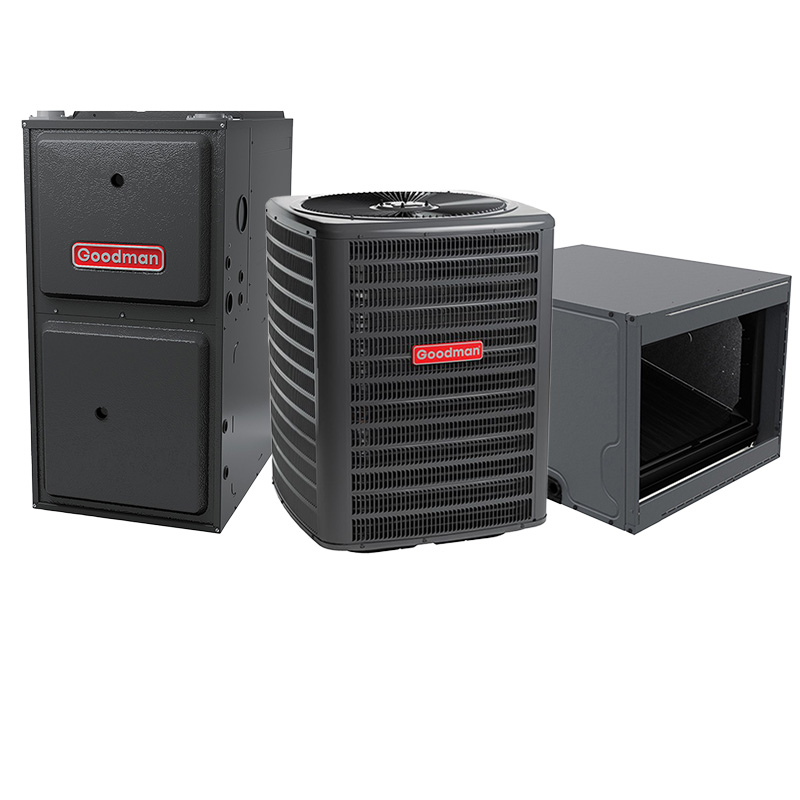
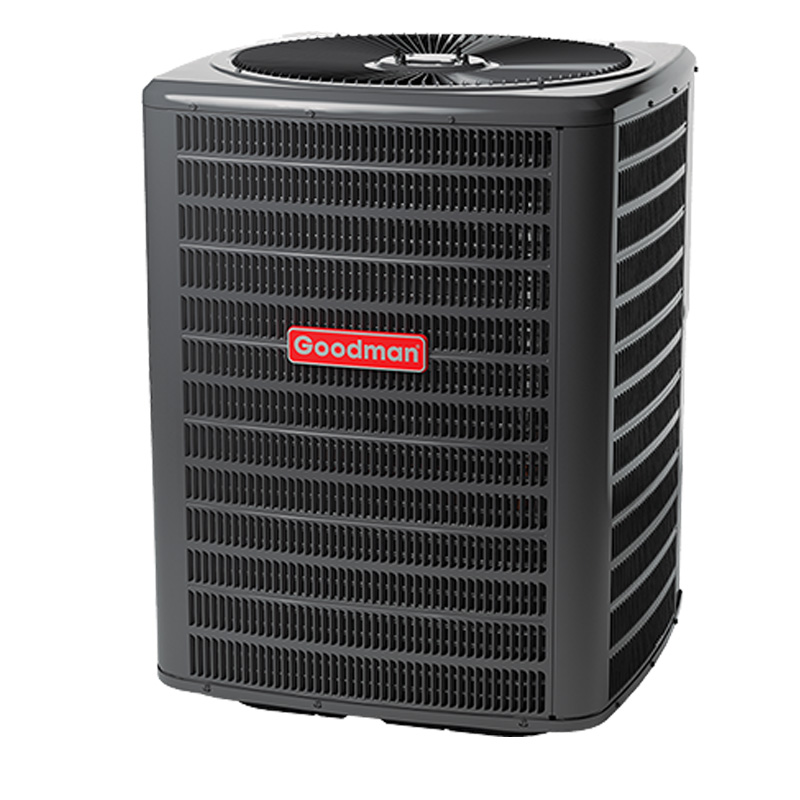
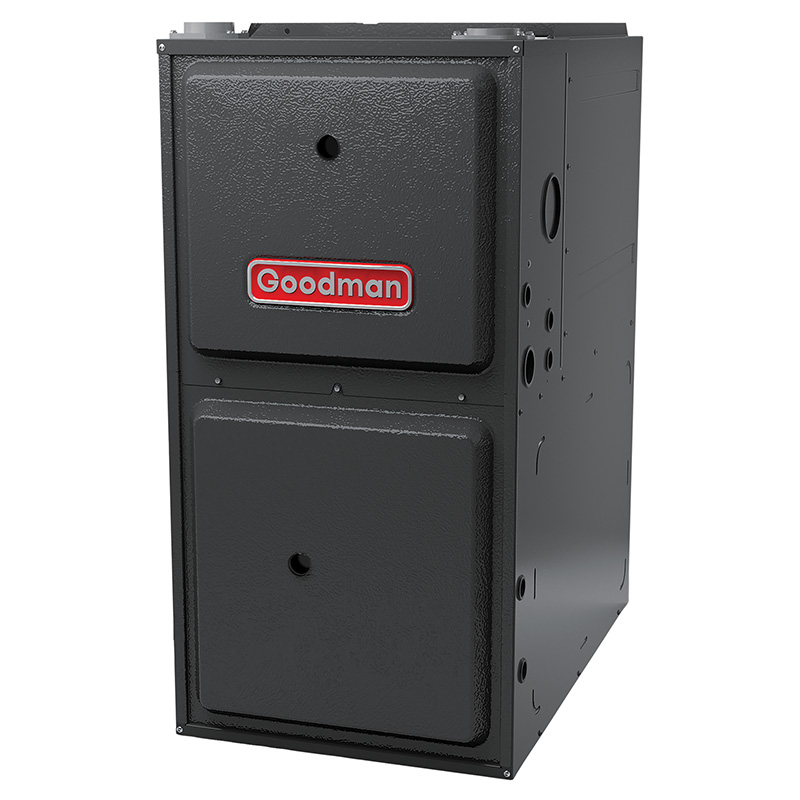
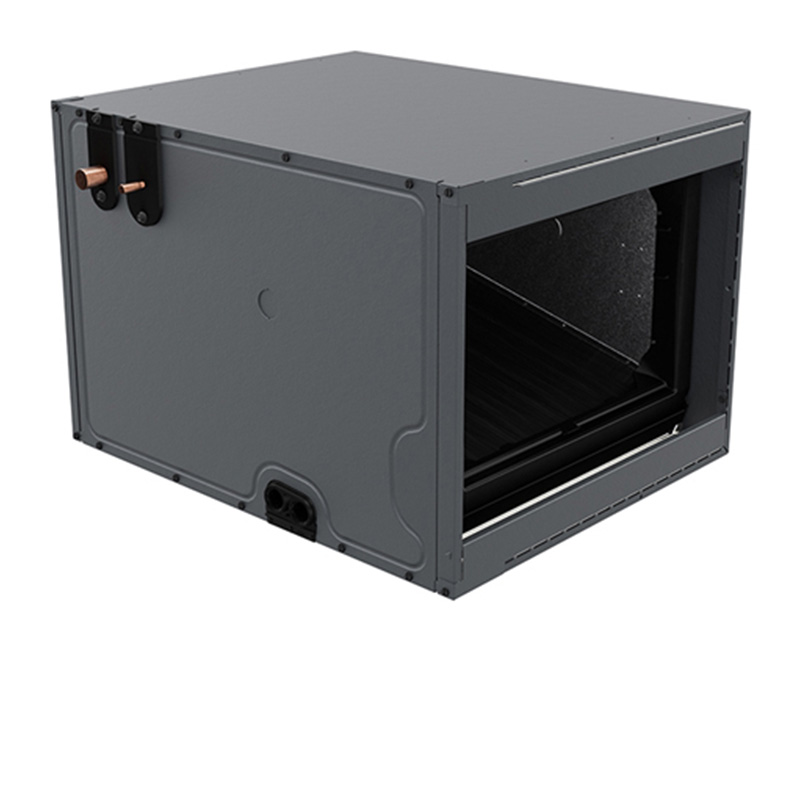
Goodman Furnace And Air Conditioner 4 Ton 14 SEER2 AC With 80000 BTU 96% AFUE Multi-Speed ECM Gas Furnace System – Horizontal | R32
View on AC Direct see your lowest price →Check current price on AC Direct →
Key features
- 4-ton cooling capacity rated at 14 SEER2, meeting current federal efficiency minimums
- 96% AFUE gas furnace converts nearly all fuel to usable heat
- Multi-speed ECM blower motor improves humidity control and reduces temperature swings
- Horizontal configuration designed for attic, crawlspace, or side-discharge installations
- R-32 refrigerant with lower global-warming potential than legacy R-410A
- 80,000 BTU heating output suited for mid-size homes in cold-to-moderate climates
About this system
This Goodman bundle pairs a 4-ton, 14 SEER2 central air conditioner with an 80,000 BTU, 96% AFUE multi-speed ECM gas furnace in a horizontal configuration, making it a practical choice for homes where attic or crawlspace installations are the only option. The 14 SEER2 rating meets the current federal minimum for most U.S. climate zones, so you are not paying for efficiency headroom you may not need. The 96% AFUE furnace, however, is a genuine high-efficiency performer, converting 96 cents of every dollar of gas into usable heat, which can produce noticeable savings over older 80% AFUE equipment in cold climates.
The multi-speed ECM blower motor is worth noting: unlike a single-speed motor that runs at full blast or not at all, the ECM adjusts airflow in steps, improving humidity control in summer and reducing temperature swings in winter. The system uses R-32 refrigerant, a lower global-warming-potential option compared to the older R-410A it replaces, and one that is increasingly standard across new equipment. The horizontal configuration means installation complexity is higher than a standard upflow setup, and labor costs will often reflect that. This bundle suits homeowners in mid-size homes of roughly 2,000 to 2,600 square feet who want a code-compliant, gas-heated system without stretching the budget toward premium brand pricing.
This Goodman system delivers solid baseline efficiency and a genuinely high-efficiency furnace at a price point that is 15 to 25 percent below comparable Carrier, Trane, and Lennox bundles. The trade-off is a brand track record that shows real weak points around capacitors, evaporator coil longevity, and compressor lifespan, all of which make install quality and a good service relationship more important than with premium brands. For budget-conscious buyers who vet their installer carefully and budget for possible mid-life repairs, it represents reasonable value.
Overall score is the average of the five ratings above.
What we like
- Price is meaningfully lower than comparable Carrier, Trane, or Lennox equipment
- 96% AFUE furnace is a high-efficiency performer that can reduce monthly gas bills
- ECM blower motor improves comfort and humidity management compared to single-speed alternatives
- R-32 refrigerant is a more environmentally responsible choice and is increasingly well-supported by technicians
- Horizontal configuration availability makes this bundle usable in attic and crawlspace installs where upflow units cannot go
Trade-offs
- Dual-run capacitor failures are the most commonly reported issue and can start appearing after year 5 to 7
- Evaporator coil leaks appear in a meaningful share of owner reviews, a recurring long-term cost risk
- Compressor lifespan averages 10 to 14 years, shorter than the 15 to 20 years more typical of premium brands
- A minority of owners report refrigerant leaks within the first year, usually tied to install or initial charge quality
What homeowners and pros say about Goodman
Homeowners who review Goodman equipment on ConsumerAffairs give the brand roughly 2.5 out of 5 stars, a score that reflects a complaint-heavy audience but also points to a real pattern: repair costs that climb after about year 7. The specific failure modes that come up most often are dual-run capacitor replacements, which are relatively inexpensive at 300 to 600 dollars but can feel like a recurring nuisance, and evaporator coil leaks, which are a more serious and costly problem when they appear. A smaller but notable group of owners report refrigerant leaks within the first year, which technicians generally trace back to installation or charge issues rather than a defect in the equipment itself.
HVAC professionals tend to be more measured in their assessment. Google dealer reviews for Goodman-selling contractors average around 3.8 out of 5, and the most consistent praise is straightforward: the equipment is affordable and accessible, which matters when a homeowner needs a working system quickly and on a real-world budget. Techs who work on Goodman equipment regularly note that the compressor lifespan of roughly 10 to 14 years is shorter than what premium brands typically deliver, and that this system, like all Goodman equipment, rewards a thorough installation more than most. For this horizontal-configuration bundle specifically, the combination of a genuine 96% AFUE furnace and the ECM blower motor means buyers are getting above-average components on the heating side, even if the cooling equipment sits at the baseline efficiency tier.
Sources: ConsumerAffairs Goodman owner reviews, AHRI Directory of Certified Product Performance, U.S. DOE appliance and equipment efficiency standards, Goodman product specification sheets.
What it costs to run
At 14 SEER2, cooling this 4-ton system for a typical 1200-hour cooling season at the U.S. average electricity rate of $0.17/kWh works out to roughly $699 per year in cooling, about $32 less per year than a minimum-efficiency 13.4 SEER2 unit of the same size. Your real cost depends on your climate and local rate.
Method: (48,000 BTU/hr ÷ 14 SEER2) × 1200 hours ÷ 1000 × $0.17/kWh. Rate source: U.S. EIA average; cooling hours: moderate-climate estimate.
How it compares
| Brand | Comparable model | SEER2 | Stage | Price position |
|---|---|---|---|---|
| Goodman | GSXH504810 / GMVM960804CN (this system) | 14 | Single-stage AC / Multi-speed furnace | Value pick |
| Carrier | Comfort Series (CA14 / 58STA) | 14 | Single-stage | Typically 15 to 25 percent more than this Goodman bundle |
| Trane | XR14 / S8X2 Series | 14 | Single-stage | Typically 15 to 25 percent more than this Goodman bundle |
| Lennox | Merit Series (ML14XC1 / ML196E) | 14 | Single-stage | Typically 15 to 25 percent more than this Goodman bundle |
Competitor rows are comparable single-stage units at similar efficiency; price is relative position, not a quote.
Questions about this system
Is 14 SEER2 going to be efficient enough, or should I step up?
14 SEER2 meets the current federal minimum and will be noticeably more efficient than equipment from 10 or 15 years ago. If you live in a climate with long, hot summers and high electricity rates, stepping up to 16 or 18 SEER2 can pay back the price difference over time, but for moderate climates or tighter budgets, 14 SEER2 is a reasonable and code-compliant starting point.
Why does the horizontal configuration matter, and is installation harder?
Horizontal units are specifically designed to lie on their side, which is required for attic or crawlspace installations where there is no vertical clearance. Installation is generally more involved than a standard upflow setup because access is tighter and condensate drainage requires careful planning, so expect labor costs to run higher and to matter more for long-term performance.
What are the most likely repairs I should budget for over the life of this system?
Dual-run capacitor replacement is the most commonly reported Goodman failure, typically a straightforward repair in the 300 to 600 dollar range. Evaporator coil leaks and refrigerant issues appear in a meaningful number of owner reviews as the system ages, and compressor replacement is a real possibility before the 15-year mark given the brand's documented average lifespan of 10 to 14 years.
Does the R-32 refrigerant make this system harder or more expensive to service?
R-32 is increasingly common in new equipment, and most established HVAC contractors are familiar with it. It requires slightly different handling procedures than R-410A, so confirm your technician is certified to work with it, but it should not create major service availability problems in most markets.
How important is the installer, and what should I ask before hiring one?
With Goodman, installer quality is arguably the single biggest factor in how long the system performs well. Ask whether the contractor will perform a Manual J load calculation to confirm the 4-ton sizing is correct for your home, how they handle the R-32 charge verification, and what their process is for commissioning horizontal units. Cutting corners on any of these steps is the most common cause of early refrigerant leaks and shortened equipment life.
Specifications
| Cooling capacity | 4 Ton |
| Efficiency | 14 SEER2 |
| Furnace output | 80000 BTU |
| Furnace efficiency | 96% AFUE |
| Configuration | Horizontal |
| Refrigerant | R-32 |