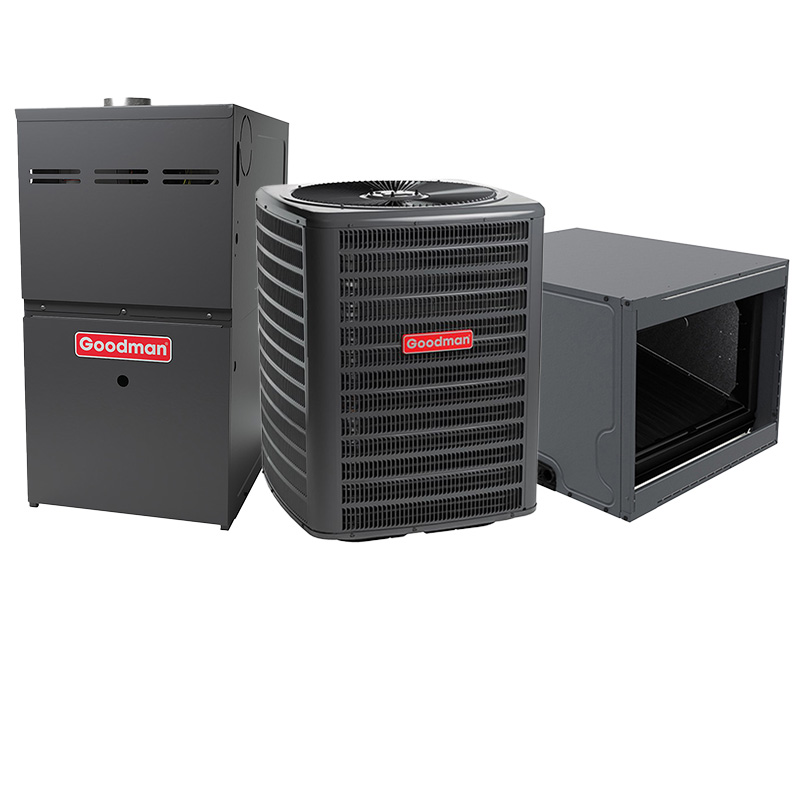
Goodman Furnace And Air Conditioner 4 Ton 15.2 SEER2 AC With 100000 BTU 80% AFUE Multi-Speed ECM Gas Furnace System – Horizontal | R32
View on AC Direct see your lowest price →Check current price on AC Direct →
Key features
- 4-ton cooling capacity with 15.2 SEER2 efficiency rating
- 100,000 BTU gas furnace at 80% AFUE with multi-speed ECM blower motor
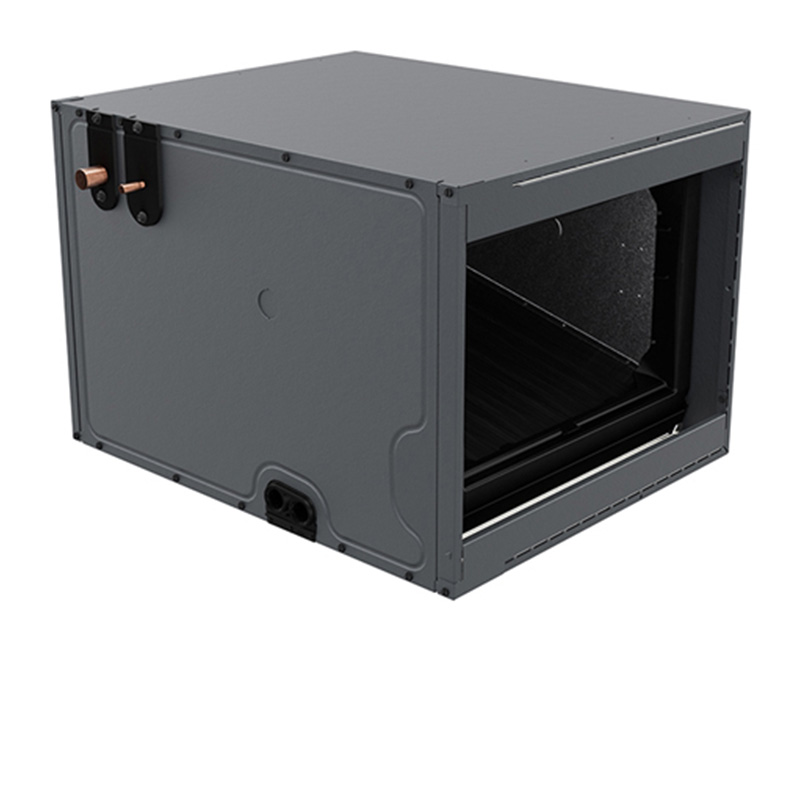
- Horizontal cabinet configuration for attic, crawl space, or side-mount installs
- R-32 refrigerant with lower global-warming potential than R-410A
- ECM motor reduces blower electricity use and improves humidity control at partial loads
- Goodman's 10-year parts warranty (registration required within 60 days of install)
About this system
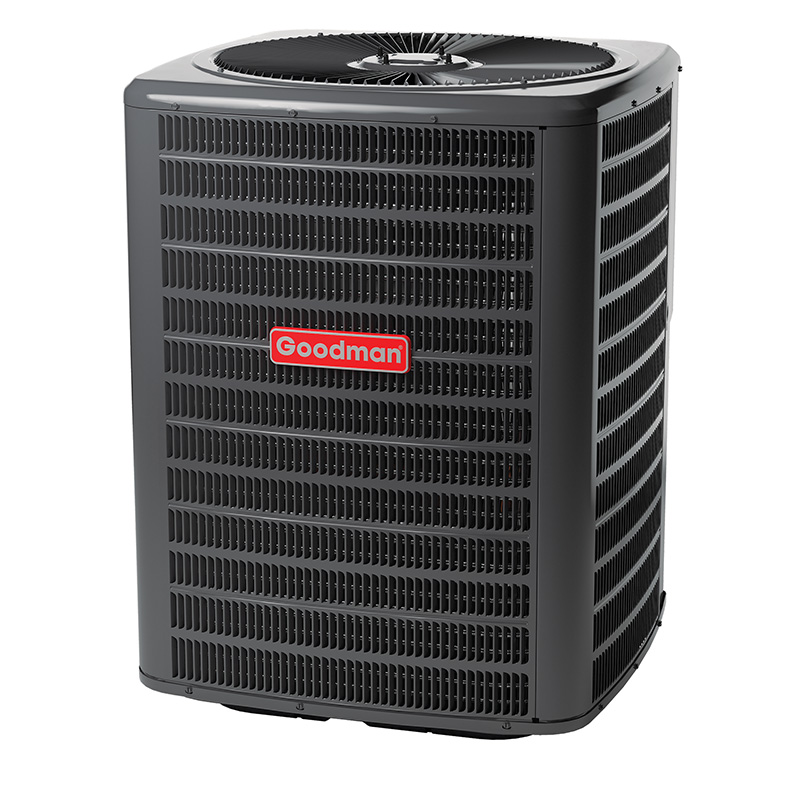
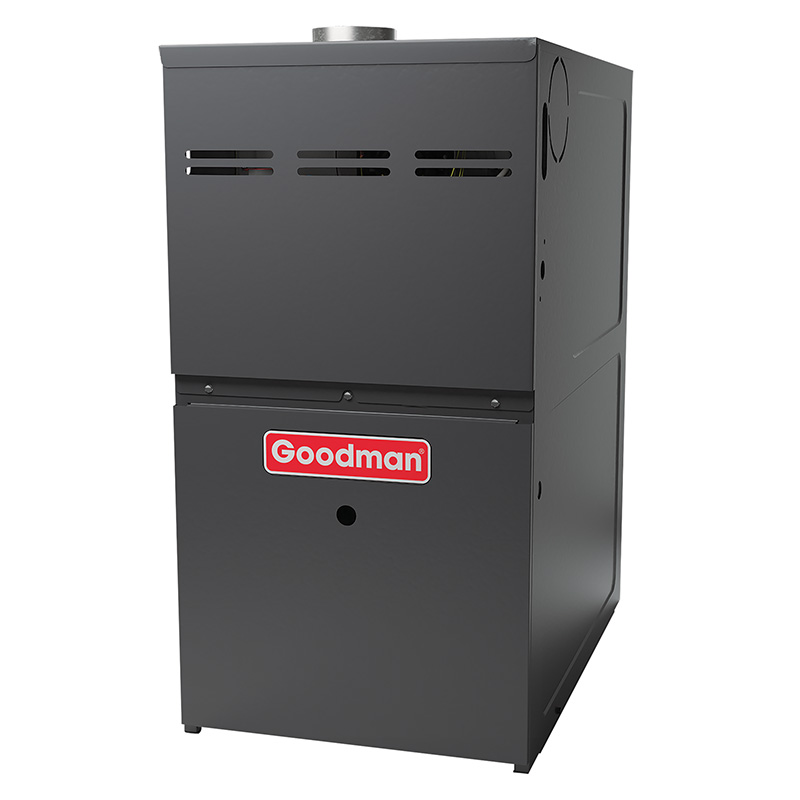
This Goodman combination system pairs a 4-ton, 15.2 SEER2 air conditioner with a 100,000 BTU, 80% AFUE multi-speed ECM gas furnace configured for horizontal installation. The horizontal layout targets homes where the air handler sits in a crawl space, attic, or on its side in a utility closet, making it a practical choice when vertical cabinet space is tight. R-32 refrigerant carries a lower global-warming potential than the R-410A it replaces, and most jurisdictions are now requiring or incentivizing the transition, so this system is positioned for current and near-future code compliance.
A 15.2 SEER2 rating clears the federal minimum for most climate regions but sits at the entry tier of modern efficiency, not near the top. Homeowners in moderate climates or those replacing an aging 10 to 13 SEER system will still see meaningful utility savings, but buyers in hot, humid markets who run their AC heavily for six or more months may want to weigh a 17 or 18 SEER2 system before committing. The 80% AFUE furnace is similarly practical rather than premium; it exhausts combustion gases through a standard flue rather than a sealed PVC pipe, which simplifies retrofits into existing ductwork but leaves roughly 20 cents of every heating dollar going up the chimney. The ECM multi-speed blower motor is a genuine advantage over single-speed alternatives, reducing electricity draw during partial-load operation and helping with humidity control.
Goodman positions this bundle as a cost-conscious full replacement for homes in the 2,000 to 2,800 square-foot range, depending on insulation and local climate. The system suits landlords, builders on tight budgets, and homeowners who want a code-compliant, functionally solid system without paying for top-tier brand premiums. It is less suited to buyers who want the lowest possible operating costs over a 20-year horizon or who expect refrigerator-level set-it-and-forget-it reliability.
This Goodman bundle is a solid, code-compliant entry-level system that delivers real savings over an aging unit without the premium price of Carrier or Trane. Efficiency and AFUE sit at the practical minimum rather than the competitive top, and long-term ownership costs depend heavily on install quality and whether a few well-documented failure points show up after year seven. Buyers who plan to stay in the home for 15 or more years and run the system hard should price a higher-efficiency alternative before deciding.
Overall score is the average of the five ratings above.
What we like
- Priced 15 to 25 percent below comparable Carrier, Trane, and Lennox systems, reducing upfront cost significantly
- R-32 refrigerant is current and code-forward, avoiding near-term refrigerant obsolescence
- ECM multi-speed blower cuts electricity use during partial-load heating and cooling cycles
- Horizontal configuration fills a genuine installation gap where vertical cabinets will not fit
- 10-year registered parts warranty matches or exceeds several competitors at this price point
Trade-offs
- 80% AFUE means roughly 20% of heating energy is lost to flue exhaust, a real cost in cold climates
- 15.2 SEER2 is entry-level efficiency; annual cooling costs will be higher than a 17 or 18 SEER2 system in warm regions
- Documented compressor lifespan averages 10 to 14 years versus 15 to 20 years for premium-brand compressors
- Evaporator coil leaks and dual-run capacitor failures are recurring owner complaints, and post-year-7 repair bills can erode the upfront savings
What homeowners and pros say about Goodman
Homeowners who review Goodman equipment on ConsumerAffairs give the brand roughly 2.5 out of 5 stars, a score that reflects a complaint-heavy audience and a recurring pattern of repair costs climbing after approximately year seven of ownership. Google dealer reviews tell a somewhat different story, averaging around 3.8 out of 5 across hundreds of reviews per location, where affordability is the praise most commonly offered. That gap between the two sources is instructive: buyers who get a clean install at a competitive price tend to be satisfied for the first several years, while those who encounter early failures or difficult repairs express sharper frustration. For this horizontal 4-ton system, the R-32 refrigerant is a newer variable that some technicians are still building familiarity with, so choosing an experienced installer matters even more than usual.
HVAC technicians broadly describe Goodman as a workable brand whose longevity is unusually sensitive to how carefully the system is commissioned. Dual-run capacitor failures are the repair call they see most often on Goodman condensers, a relatively inexpensive fix in the 300 to 600 dollar range but an early signal that the system is being worked hard. Evaporator coil leaks appear in enough owner accounts to warrant attention, and Goodman compressors are generally cited as averaging 10 to 14 years of service life compared to the 15 to 20 years technicians associate with Carrier and Trane compressors. For this specific system, the ECM blower motor is a genuinely positive feature that pros note reduces service calls related to overheating and static pressure issues, so it is not all trade-offs on the mechanical side.
Sources: ConsumerAffairs Goodman owner reviews, AHRI Directory of Certified Product Performance, U.S. DOE appliance and equipment efficiency standards, Goodman product specification sheets.
What it costs to run
At 15.2 SEER2, cooling this 4-ton system for a typical 1200-hour cooling season at the U.S. average electricity rate of $0.17/kWh works out to roughly $644 per year in cooling, about $87 less per year than a minimum-efficiency 13.4 SEER2 unit of the same size. Your real cost depends on your climate and local rate.
Method: (48,000 BTU/hr ÷ 15.2 SEER2) × 1200 hours ÷ 1000 × $0.17/kWh. Rate source: U.S. EIA average; cooling hours: moderate-climate estimate.
How it compares
| Brand | Comparable model | SEER2 | Stage | Price position |
|---|---|---|---|---|
| Goodman | GSXH504810 + GMVM970804CN (Horizontal bundle) | 15.2 | Single-stage (AC) / Multi-speed (furnace) | Value pick |
| Carrier | Comfort 14 (24ACC636A003) + 58SB | 15.2 | Single-stage | 15 to 25 percent more than this Goodman system |
| Trane | XR15 (4TTR5048) + S9X1 | 15.2 | Single-stage | 15 to 25 percent more than this Goodman system |
| Lennox | Merit ML14XC1 + ML196E | 15.2 | Single-stage | 20 to 30 percent more than this Goodman system |
Competitor rows are comparable single-stage units at similar efficiency; price is relative position, not a quote.
Questions about this system
Does the horizontal configuration affect performance or efficiency compared to a vertical install?
Not in terms of rated efficiency or capacity. SEER2 and AFUE ratings apply regardless of orientation. The horizontal layout does require that the installer confirms proper condensate drainage and that the coil is level, since an off-level coil in a horizontal position is a known source of drainage problems and can contribute to coil corrosion over time.
What does R-32 refrigerant mean for me as an owner, and will my current technician be able to service it?
R-32 is an A2L refrigerant, meaning it is mildly flammable. Most refrigerant-certified technicians are trained or being trained for A2L handling, but it is worth confirming with your service provider before scheduling work. On the ownership side, R-32 is widely available and is the direction the industry is moving, so you are unlikely to face the supply or cost issues that older refrigerants have run into.
What are the most common repairs to budget for over the life of this system?
Dual-run capacitor failure is the most frequently reported repair on Goodman AC units, typically costing between 300 and 600 dollars including labor and a straightforward fix. Evaporator coil leaks show up in a meaningful share of owner histories and can be more expensive to address. After roughly year seven, owners on ConsumerAffairs report that repair frequency tends to increase, so budgeting for an annual service agreement is worth considering.
Is the 10-year parts warranty automatic, and what does it actually cover?
The 10-year parts warranty requires registration within 60 days of the original installation date. If you miss that window, coverage defaults to a shorter term. The warranty covers parts, not labor, so a repair that is still under parts warranty can still carry a substantial labor bill. Confirm registration immediately after your installer completes the job.
How do I know if 4 tons and 100,000 BTU is the right size for my home?
Equipment size should come from a Manual J load calculation performed by your HVAC contractor, not from square footage rules of thumb alone. An oversized AC will short-cycle, reducing dehumidification and increasing wear; an undersized furnace will struggle in extreme cold. Ask your installer to show you the load calculation before purchasing, especially if your home has been reinsulated or had windows replaced since the previous system was sized.
Specifications
| Cooling capacity | 4 Ton |
| Efficiency | 15.2 SEER2 |
| Furnace output | 100000 BTU |
| Furnace efficiency | 80% AFUE |
| Configuration | Horizontal |
| Refrigerant | R-32 |