Goodman Furnace And Air Conditioner 5 Ton 15.5 SEER2 AC With 80000 BTU 80% AFUE Multi-Speed ECM Gas Furnace System – Downflow | R32
View on AC Direct see your lowest price →Check current price on AC Direct →
Key features
- 5-ton cooling capacity with 15.5 SEER2 efficiency rating
- 80,000 BTU output at 80% AFUE with conventional flue venting
- ECM multi-speed blower motor for lower fan electricity use and quieter partial-speed operation
- Downflow configuration for upper-level or closet air handler installations
- R-32 refrigerant with lower global-warming potential than R-410A
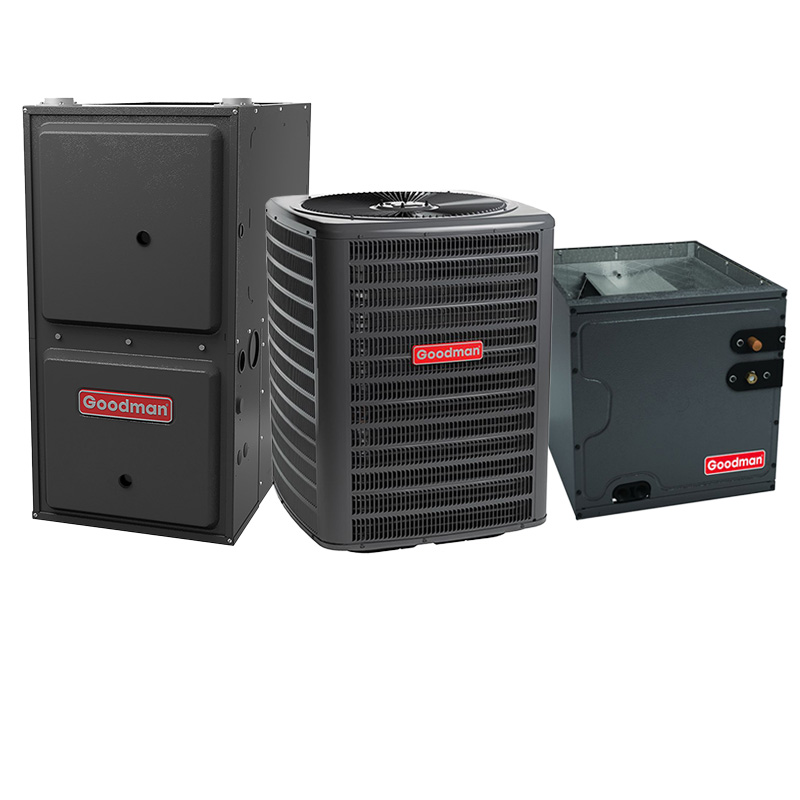
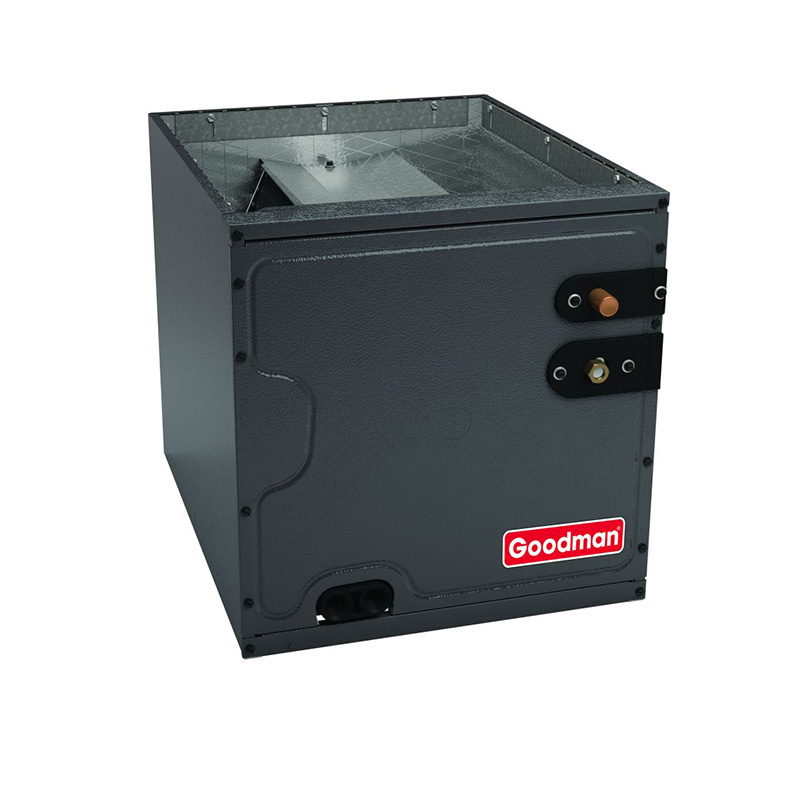
- Factory-matched system designed for straightforward coil and cabinet compatibility
About this system
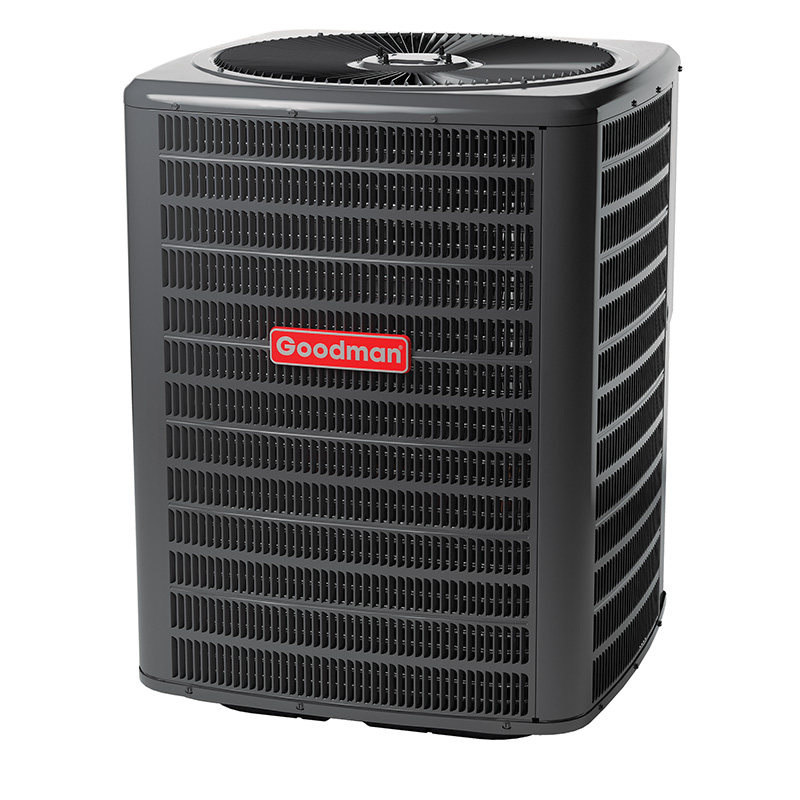
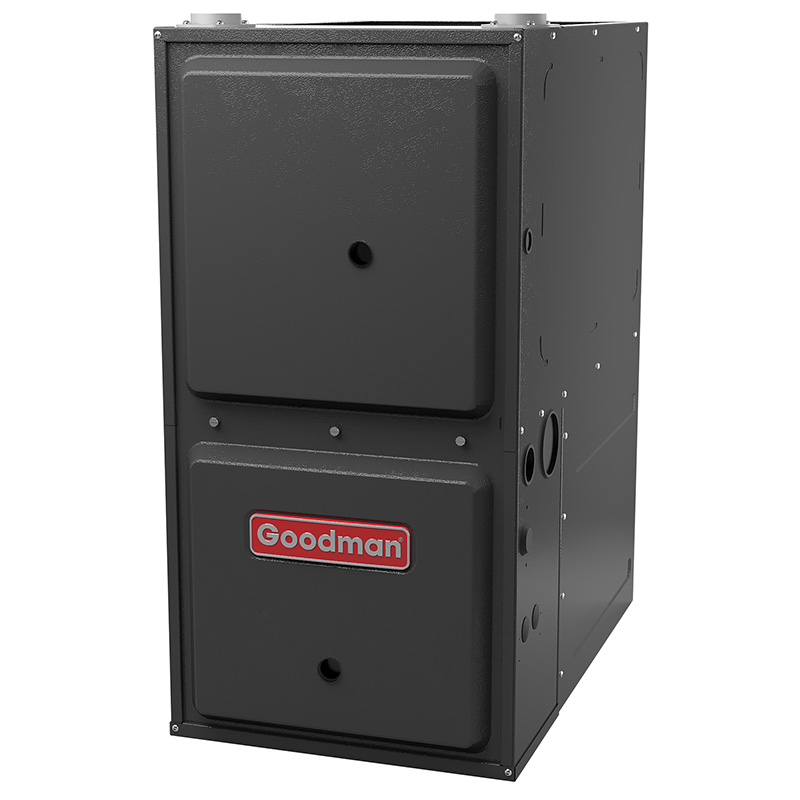
This Goodman bundle pairs a 5-ton, 15.5 SEER2 central air conditioner with an 80,000 BTU, 80% AFUE multi-speed ECM gas furnace in a downflow configuration, making it suited to homes where the air handler sits in an upper mechanical room or closet and delivers conditioned air downward through floor registers. The 5-ton capacity targets larger homes, typically in the 2,400 to 3,000 square foot range depending on climate zone, insulation quality, and ceiling height. Using R-32 refrigerant, a lower global-warming-potential alternative to older R-410A, this system aligns with evolving EPA phase-down rules and should remain serviceable long-term without refrigerant obsolescence concerns.
The 15.5 SEER2 rating clears the federal minimum efficiency thresholds now required in most U.S. regions and sits in the entry-to-mid efficiency tier. It will deliver meaningful energy savings over older R-22 or low-SEER R-410A systems, but it does not approach the premium efficiency of two-stage or variable-speed compressor systems rated above 18 SEER2. The ECM multi-speed blower motor in the furnace is a genuine upgrade over PSC motors: it uses less electricity during fan operation, improves humidity control, and runs more quietly at lower speeds. The 80% AFUE furnace is a standard-efficiency unit and vents conventionally, which simplifies replacement in homes with existing B-vent flue systems but forgoes the efficiency gains of a 90%+ condensing furnace.
This Goodman bundle is a competent, budget-conscious choice for homeowners who need a large-capacity system and want to keep upfront costs down, provided installation is done carefully by an experienced technician. The 15.5 SEER2 efficiency and ECM motor are solid for the price tier, but buyers should go in with realistic expectations about long-term reliability relative to premium brands and budget for potential capacitor or coil service after year seven.
Overall score is the average of the five ratings above.
What we like
- Priced roughly 15 to 25 percent below comparable Trane, Lennox, and Carrier systems, a real savings on a 5-ton install
- R-32 refrigerant is forward-compatible with EPA regulations, avoiding future refrigerant obsolescence costs
- ECM multi-speed blower reduces fan energy consumption and improves comfort compared to single-speed PSC motors
- Factory-matched AC and furnace system simplifies equipment selection and ensures rated efficiency
- Conventional 80% AFUE venting works as a drop-in replacement in homes with existing B-vent flue infrastructure
Trade-offs
- Compressor lifespan averages 10 to 14 years versus 15 to 20 years reported for premium brands, raising the odds of a major repair in the second decade
- Dual-run capacitors are the most frequently reported failure point, typically adding a 300 to 600 dollar service call within the first decade
- Evaporator coil leaks appear in a meaningful share of owner feedback, and a minority of owners report refrigerant leaks in the first year that often trace to install or charge issues
- 80% AFUE is the lowest efficiency tier available; a 90%+ condensing furnace would cut annual heating costs noticeably in colder climates
What homeowners and pros say about Goodman
Homeowners who post about Goodman equipment online tend to split into two camps: those who got a clean install and have run the system for years without incident, and those who hit repairs in the back half of the warranty period and feel the savings evaporated. On Google dealer reviews, Goodman systems cluster around 3.8 out of 5, with affordability coming up again and again as the reason buyers chose the brand and stayed satisfied. The ConsumerAffairs picture is rougher, sitting around 2.5 out of 5, and the consistent theme there is repair costs arriving after roughly year seven. For a 5-ton downflow system like this one, that translates to a real possibility of a dual-run capacitor replacement, which is the most commonly documented failure point and typically runs 300 to 600 dollars for a service call. That is a manageable cost, but it is worth knowing going in.
HVAC technicians who work on Goodman equipment regularly point out that this brand rewards careful installation more than most. Evaporator coil leaks show up in a meaningful share of owner feedback, and a minority of first-year refrigerant leak reports typically trace back to charge or connection issues at install rather than factory defects. Compressor longevity is also a real conversation in the trade: Goodman compressors tend to average 10 to 14 years in real-world use, compared to 15 to 20 years often cited for premium brands. Pros who respect the brand’s value proposition generally say the same thing: get a thorough Manual J load calculation, insist on a careful refrigerant charge, and use a technician who has worked on Goodman equipment before. When those boxes are checked, this system delivers honest performance at a price point that is hard to argue with for large-home cooling in the entry efficiency tier.
Sources: ConsumerAffairs Goodman owner reviews, AHRI Directory of Certified Product Performance, U.S. DOE appliance and equipment efficiency standards, Goodman product specification sheets.
What it costs to run
At 15.5 SEER2, cooling this 5-ton system for a typical 1200-hour cooling season at the U.S. average electricity rate of $0.17/kWh works out to roughly $790 per year in cooling, about $123 less per year than a minimum-efficiency 13.4 SEER2 unit of the same size. Your real cost depends on your climate and local rate.
Method: (60,000 BTU/hr ÷ 15.5 SEER2) × 1200 hours ÷ 1000 × $0.17/kWh. Rate source: U.S. EIA average; cooling hours: moderate-climate estimate.
How it compares
| Brand | Comparable model | SEER2 | Stage | Price position |
|---|---|---|---|---|
| Goodman | GSXH5 / GMVC8 Series (this system) | 15.5 | Single-stage | Value pick |
| Carrier | Performance 16 Series (24ACC6) | 15.2 to 16 | Single-stage | Typically 15 to 25 percent more than this Goodman bundle |
| Trane | XR15 Series | 15 to 15.6 | Single-stage | Typically 15 to 25 percent more than this Goodman bundle |
| Lennox | Merit ML15XC1 Series | 15.5 | Single-stage | Typically 15 to 25 percent more than this Goodman bundle |
Competitor rows are comparable single-stage units at similar efficiency; price is relative position, not a quote.
Questions about this system
Is the downflow configuration specific to this unit, or can I install it in a horizontal or upflow application?
This system is configured specifically for downflow installations, where the furnace discharges air downward into the ductwork below. Using a downflow-rated furnace in an upflow or horizontal application creates safety and performance issues and voids the warranty. Confirm your existing mechanical layout before purchasing.
What does R-32 refrigerant mean for me as a homeowner, and will technicians be able to service it?
R-32 is a single-component refrigerant with a lower global-warming potential than R-410A and is being adopted broadly as R-410A is phased down under EPA rules. Most HVAC technicians working on newer equipment are becoming familiar with it, though you should confirm your service provider has R-32 handling certification and equipment before scheduling work.
How significant is the ECM blower motor upgrade compared to a standard PSC motor furnace?
ECM motors use roughly 60 to 75 percent less electricity during fan-only operation compared to PSC motors, which adds up noticeably on your electric bill if you run the fan continuously or use it for air circulation between calls. They also allow the blower to ramp up gradually, which reduces the cold-blast feeling at startup and can improve humidity removal.
Goodman's ConsumerAffairs score is around 2.5 out of 5. Should that concern me?
ConsumerAffairs is a complaint-skewed channel where satisfied owners rarely post, so the score reflects problems rather than typical ownership. The recurring pattern in those reviews is repair costs rising after roughly year seven, particularly capacitor replacements and, in some cases, coil or compressor issues. It is a real signal worth budgeting for, but it does not mean most units fail early.
What size home does a 5-ton system typically suit, and how do I know if this is the right capacity for my house?
A 5-ton system is generally appropriate for homes in the 2,400 to 3,000 square foot range, though the right size depends heavily on your climate zone, insulation, window area, and ceiling height. Oversizing causes short-cycling, poor humidity control, and premature wear. Always ask your installer to perform a Manual J load calculation rather than sizing by square footage alone.
Specifications
| Cooling capacity | 5 Ton |
| Efficiency | 15.5 SEER2 |
| Furnace output | 80000 BTU |
| Furnace efficiency | 80% AFUE |
| Configuration | Downflow |
| Refrigerant | R-32 |