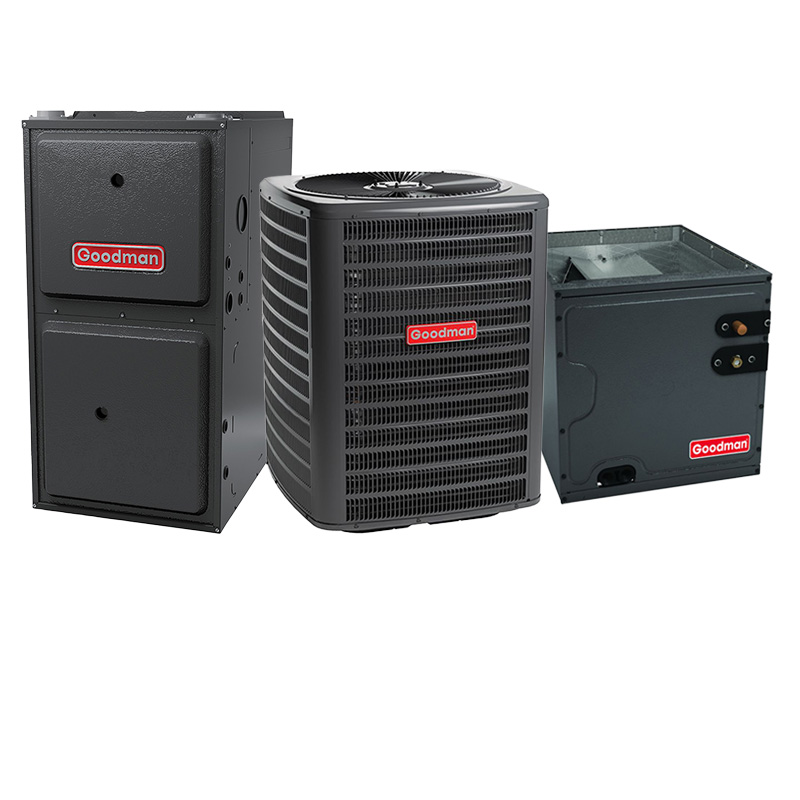
Goodman 1.5 Ton 13.8 SEER2 40000 BTU 96% AFUE Multi-Speed ECM Gas Furnace System – Upflow | R32
View on AC Direct see your lowest price →Check current price on AC Direct →
Key features
- 96% AFUE high-efficiency gas furnace keeps heating waste under 4%
- 13.8 SEER2 cooling efficiency meets current federal minimum standards with a modest efficiency margin
- Multi-speed ECM blower motor reduces electricity use and improves airflow consistency
- R-32 refrigerant with a lower global warming potential than R-410A
- Upflow configuration suits basement, closet, and utility-room installs with overhead ductwork
- 1.5-ton / 40,000 BTU capacity sized for smaller homes and well-insulated spaces
About this system
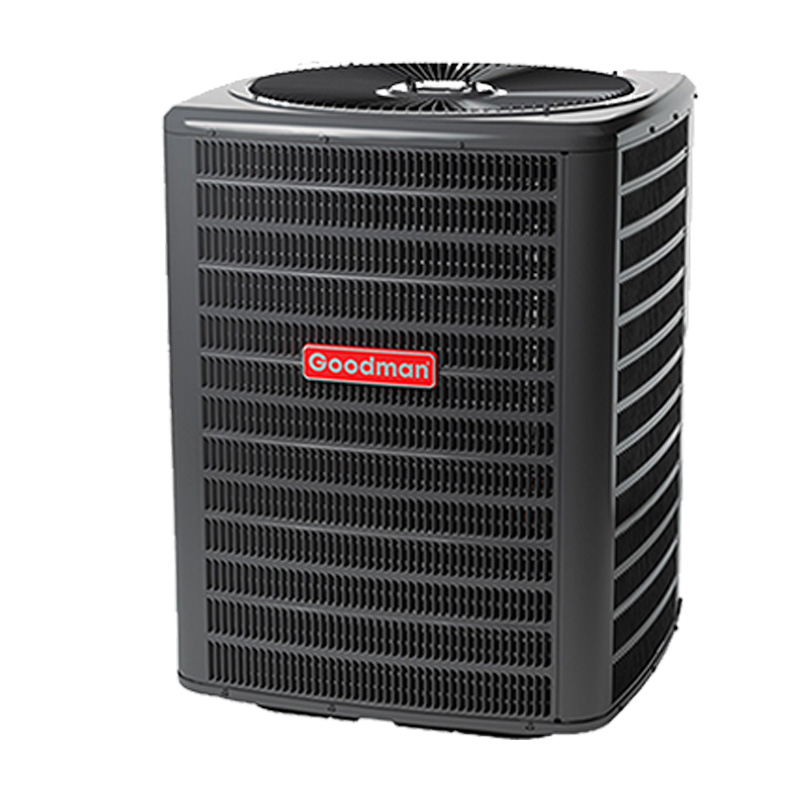
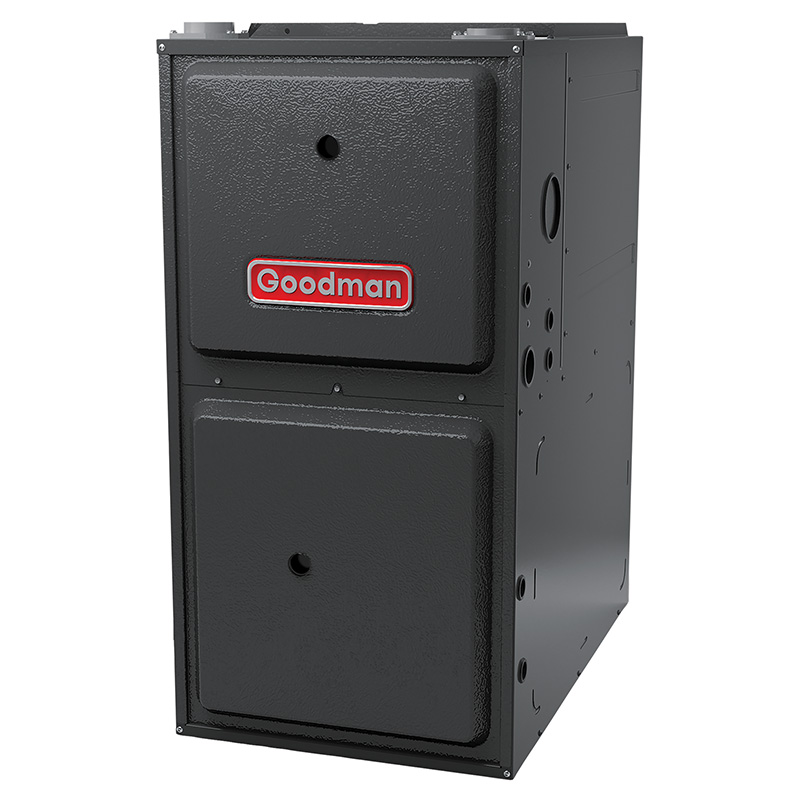
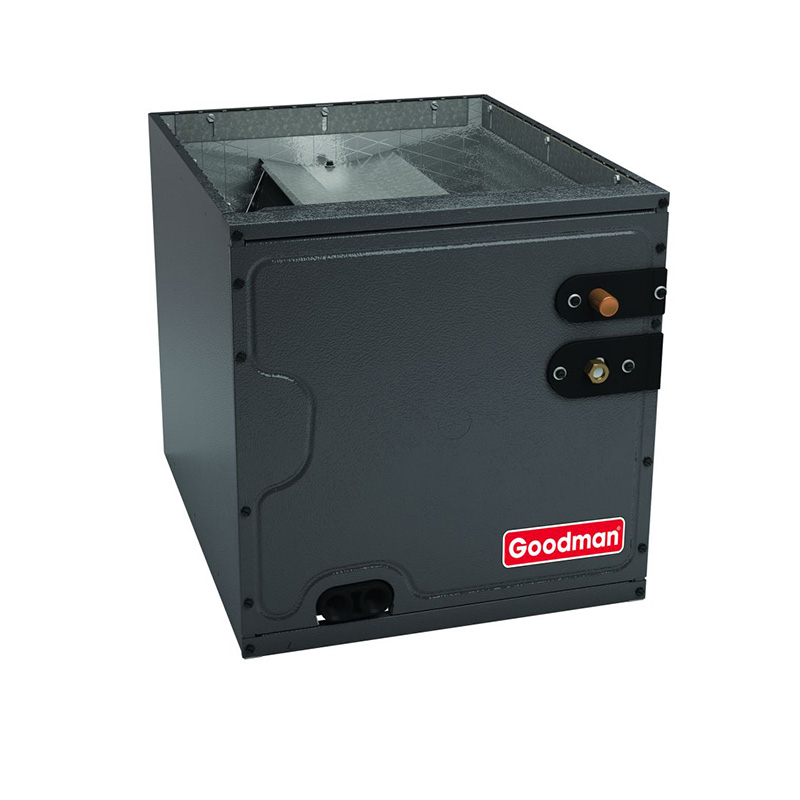
This Goodman upflow system pairs a 1.5-ton, 13.8 SEER2 cooling side with a 40,000 BTU, 96% AFUE multi-speed ECM gas furnace, making it a capable all-in-one solution for smaller homes, condos, or additions in the 600 to 900 square foot range depending on climate and insulation. The 96% AFUE rating means only about 4 cents of every heating dollar goes up the flue, which puts this furnace solidly in the high-efficiency tier without reaching the premium condensing-furnace price point. R-32 refrigerant carries a lower global warming potential than the R-410A it is replacing across the industry, so buyers get a system that is better positioned for near-term regulatory requirements.
The multi-speed ECM blower motor is one of the more useful features at this price point. It ramps airflow up and down rather than running at a single fixed speed, which improves comfort, reduces temperature swings, and lowers blower electricity costs compared to a standard PSC motor. The upflow configuration suits the most common North American installation scenario: a furnace sitting in a basement, closet, or utility room blowing conditioned air upward into ductwork overhead. Buyers who need a downflow or horizontal configuration will need a different unit. This system is a straightforward, no-frills option best suited to homeowners who want reliable heating and adequate cooling efficiency without the upfront cost of a premium brand.
This Goodman system delivers genuine high-efficiency heating and code-compliant cooling at a price that undercuts comparable Trane, Carrier, and Lennox equipment by 15 to 25 percent. The trade-off is a shorter expected compressor lifespan, a documented tendency toward coil and capacitor issues after the first several years, and performance that depends heavily on the quality of the installing technician. It is a reasonable choice for budget-conscious buyers who understand what they are getting and can plan for potential mid-life service costs.
Overall score is the average of the five ratings above.
What we like
- 96% AFUE furnace efficiency puts heating costs near the top of the residential market
- ECM multi-speed blower improves comfort and lowers operating electricity costs versus single-speed units
- R-32 refrigerant is future-ready and has a lower environmental footprint than R-410A
- Upfront price runs 15 to 25 percent below Trane, Lennox, and Carrier equivalents
- Standard upflow layout simplifies installation in the majority of residential duct configurations
Trade-offs
- Compressor lifespan averages 10 to 14 years, shorter than the 15 to 20 years typical of premium brands
- Dual-run capacitor failures are a well-documented recurring issue, typically arising after year 7
- Evaporator coil leaks appear in a meaningful share of owner feedback, adding potential repair costs
- A minority of owners have reported refrigerant leaks in the first year, usually tied to install or charge quality rather than the unit itself
What homeowners and pros say about Goodman
Homeowners who follow Goodman equipment online tend to split into two camps. Those who had a skilled installer and keep up with annual maintenance often report years of trouble-free operation and consistently point to the lower upfront cost as the main reason they chose the brand. The other group, well represented in Goodman’s roughly 2.5 out of 5 ConsumerAffairs score, ran into repair bills that climbed after year 7 and felt the savings eroded over time. The most frequently cited hardware issues are dual-run capacitor failures (a nuisance but usually a straightforward low-cost repair in the 300 to 600 dollar range), evaporator coil leaks that can be more expensive to address, and compressor lifespans that tend to land in the 10 to 14 year range rather than the 15 to 20 years that owners of Trane or Carrier equipment more commonly report. A smaller but notable group has flagged refrigerant leaks in the first year, which most technicians attribute to install quality rather than a factory defect.
HVAC professionals who work with Goodman regularly are more measured than the online complaint boards suggest. Many technicians note that the brand’s components are straightforward to service and that parts availability is generally good, which matters when a system goes down in a heat wave. Google dealer reviews for Goodman-stocking contractors sit around 3.8 out of 5, and affordability is the praise that shows up most consistently. The professional consensus tends to be that Goodman is a workable choice when the job is properly sized, correctly charged with refrigerant, and installed with care. For this 1.5-ton, 96% AFUE system specifically, the ECM blower is seen as a genuine step up from entry-level builds, and the R-32 refrigerant is viewed positively as a forward-looking choice. The recurring professional caution is that cutting corners on the install to match the equipment’s lower price is the fastest route to the repair-cost story that dominates the negative reviews.
Sources: ConsumerAffairs Goodman owner reviews, AHRI Directory of Certified Product Performance, U.S. DOE appliance and equipment efficiency standards, Goodman product specification sheets.
What it costs to run
At 13.8 SEER2, cooling this 1.5-ton system for a typical 1200-hour cooling season at the U.S. average electricity rate of $0.17/kWh works out to roughly $266 per year in cooling, about $8 less per year than a minimum-efficiency 13.4 SEER2 unit of the same size. Your real cost depends on your climate and local rate.
Method: (18,000 BTU/hr ÷ 13.8 SEER2) × 1200 hours ÷ 1000 × $0.17/kWh. Rate source: U.S. EIA average; cooling hours: moderate-climate estimate.
How it compares
| Brand | Comparable model | SEER2 | Stage | Price position |
|---|---|---|---|---|
| Goodman | GMEC96 / GSXH3 1.5T 13.8 SEER2 Upflow R-32 | 13.8 | Multi-speed | Value pick |
| Carrier | Performance 96 / 24ACC6 1.5T | 14.0 | Single-stage | Approximately 15 to 20 percent more than this Goodman system |
| Trane | S9X2 / XR14 1.5T | 14.0 | Single-stage | Approximately 20 to 25 percent more than this Goodman system |
| Lennox | ML196 / 14ACX 1.5T | 13.8 | Single-stage | Approximately 18 to 22 percent more than this Goodman system |
Competitor rows are comparable single-stage units at similar efficiency; price is relative position, not a quote.
Questions about this system
Is 1.5 tons enough to cool my house, and how do I know if this size is right?
A proper Manual J load calculation by your installer is the only reliable way to confirm sizing. As a rough reference, 1.5 tons covers roughly 600 to 900 square feet in most climates, but ceiling height, insulation quality, window area, and local design temperatures all shift that number. An undersized system will run constantly and struggle on the hottest days; an oversized one will short-cycle and leave humidity problems behind.
What does R-32 refrigerant mean for me as a homeowner, and will I have trouble getting it serviced?
R-32 is the refrigerant the industry is moving toward as R-410A is phased down under current EPA rules, so this system is positioned well for long-term serviceability. Most HVAC technicians are already trained and equipped to handle R-32, but it is worth confirming that your service contractor has R-32 recovery equipment before signing a maintenance agreement.
Goodman gets mixed reviews online. Should I be worried about long-term reliability?
Goodman scores around 2.5 out of 5 on ConsumerAffairs, a channel that skews toward complaints, with recurring feedback about repair costs rising after year 7. Google dealer reviews land closer to 3.8 out of 5, where affordability is the most cited upside. The documented weak points are dual-run capacitor failures (a relatively low-cost fix in the 300 to 600 dollar range), evaporator coil leaks, and compressor lifespans that average 10 to 14 years rather than the 15 to 20 years seen with premium brands. Setting aside a small service fund and scheduling annual maintenance helps manage these risks.
What warranty does this Goodman system carry, and what do I need to do to keep it valid?
Goodman typically offers a 10-year parts limited warranty when the unit is registered within 60 days of installation by a licensed contractor. Failing to register on time usually drops coverage to 5 years, and DIY installation voids the warranty entirely. The warranty covers parts but not labor, refrigerant, or diagnostic fees, so actual out-of-pocket repair costs will be higher than the parts cost alone.
How much harder is the ECM blower motor on my electricity bill compared to a standard motor?
ECM motors typically use 60 to 75 percent less electricity than a comparable single-speed PSC blower motor during fan-only and low-speed operation, which adds up meaningfully over a heating and cooling season. The multi-speed operation also means the blower can run at a lower speed for longer periods, which helps with air circulation and filtration without the sharp energy penalty of a fixed-speed unit running continuously.
Specifications
| Cooling capacity | 1.5 Ton |
| Efficiency | 13.8 SEER2 |
| Furnace output | 40000 BTU |
| Furnace efficiency | 96% AFUE |
| Configuration | Upflow |
| Refrigerant | R-32 |