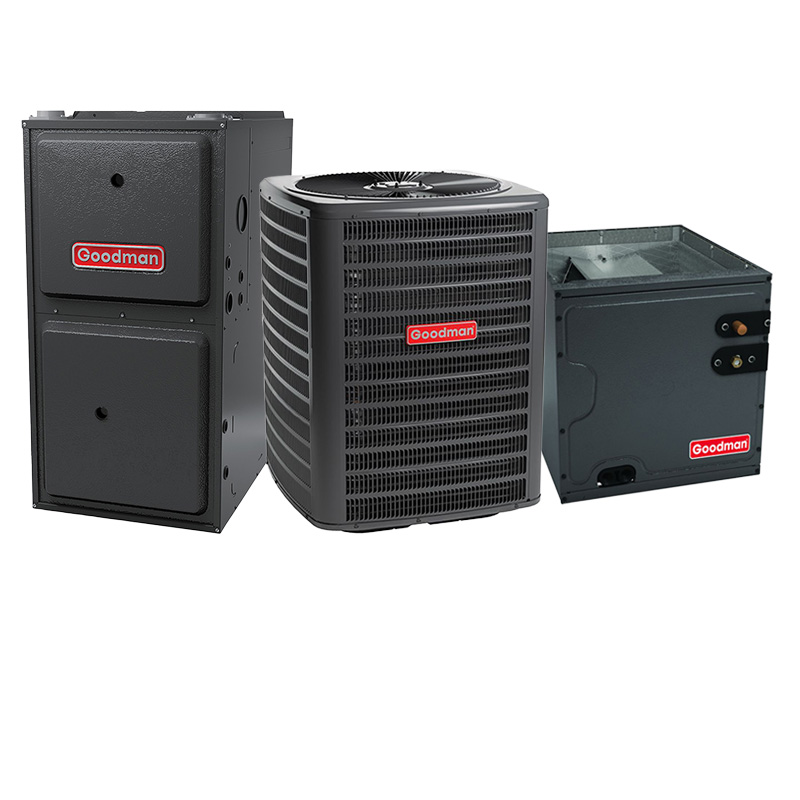
Goodman 3.5 Ton 13.8 SEER2 120000 BTU 96% AFUE Multi-Speed ECM Gas Furnace System – Upflow | R32
View on AC Direct see your lowest price →Check current price on AC Direct →
Key features
- 3.5-ton cooling capacity with 13.8 SEER2 efficiency rating
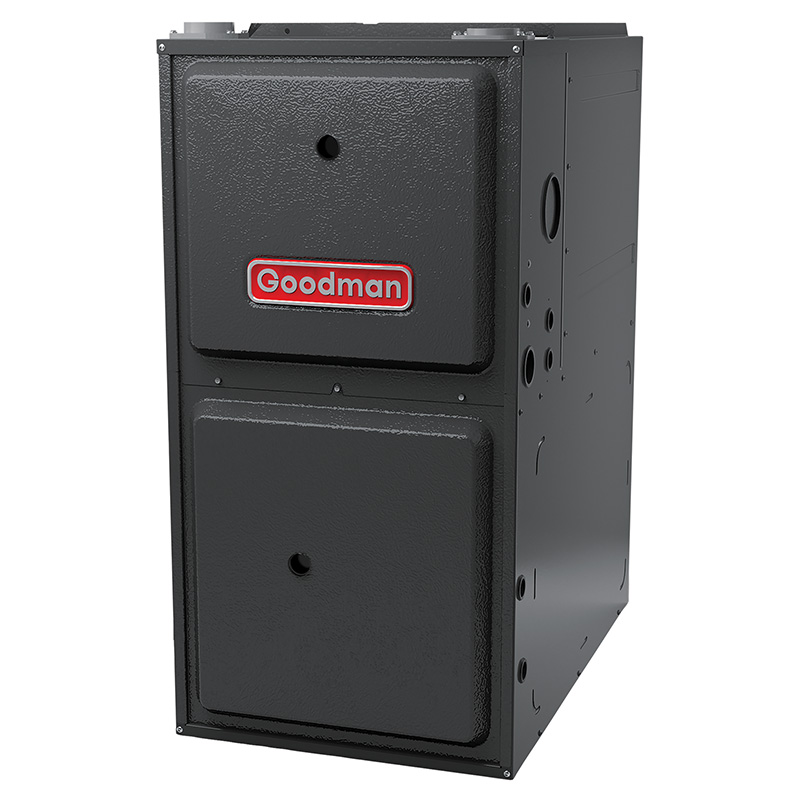
- 120,000 BTU 96% AFUE upflow gas furnace with multi-speed ECM blower
- R-32 refrigerant with lower global warming potential than R-410A
- ECM motor reduces blower electricity use and improves dehumidification
- Upflow configuration compatible with standard overhead duct systems
- Stainless steel secondary heat exchanger on furnace supports 96% efficiency
About this system
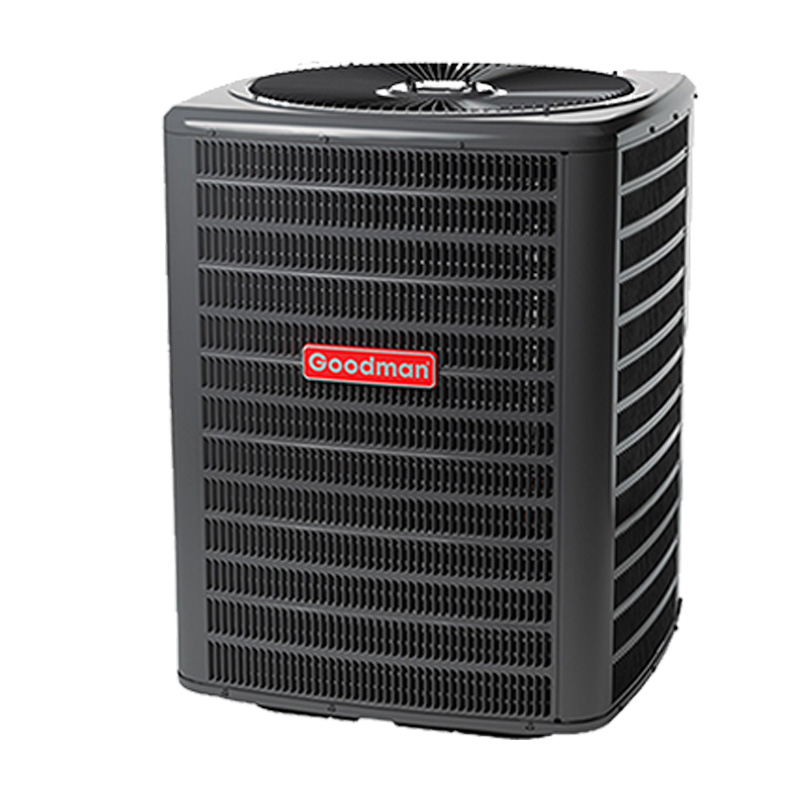
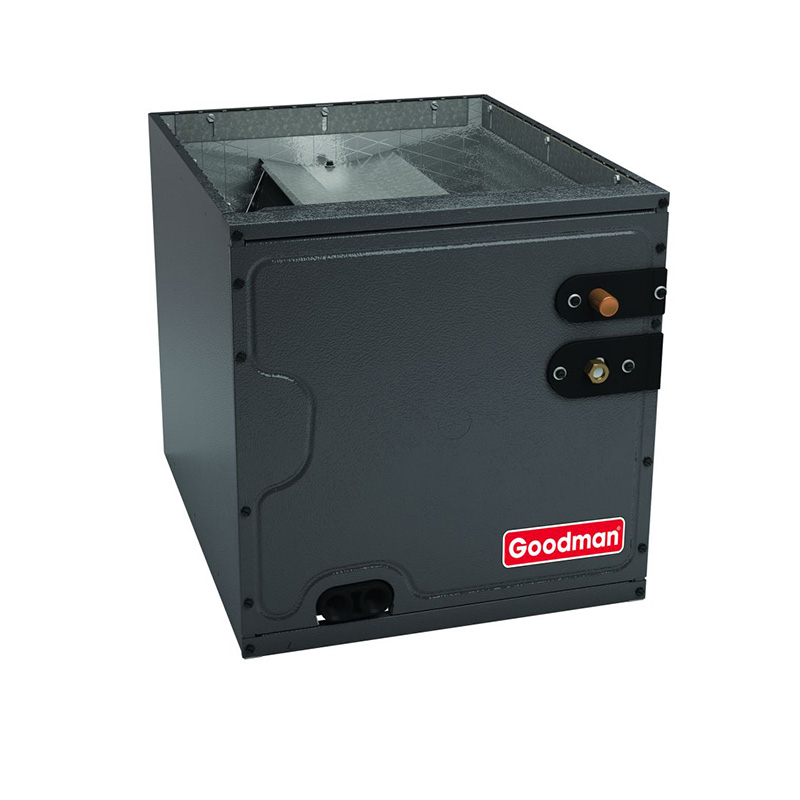
This Goodman bundle pairs a 3.5-ton, 13.8 SEER2 R-32 air conditioner with a 120,000 BTU, 96% AFUE multi-speed ECM gas furnace in an upflow configuration. The cooling side lands just above the federal minimum efficiency threshold, which is respectable without being exceptional, while the 96% AFUE furnace sits firmly in the high-efficiency tier and will meaningfully cut heating bills compared to an 80% unit. The multi-speed ECM blower motor is the standout feature here: it runs at lower speeds most of the time, which reduces electricity consumption, improves humidity removal in cooling mode, and moves air more quietly than a single-speed motor would.
The upflow configuration is the most common residential setup, drawing air in at the bottom and pushing conditioned air up through overhead ductwork. This system suits homeowners in mixed climates where both heating and cooling loads are real, and where natural gas is the primary fuel source. At 3.5 tons it covers roughly 1,600 to 2,200 square feet depending on insulation, ceiling height, and local climate, though a proper Manual J load calculation is the only reliable way to confirm sizing. R-32 refrigerant has a lower global warming potential than the older R-410A it is replacing across the industry, and it operates at similar pressures, so most certified technicians are already equipped to handle it.
This Goodman system delivers a high-efficiency furnace and a code-compliant cooling unit at a price point that is hard to ignore, making it a reasonable choice for budget-conscious buyers who can ensure a quality installation. The ECM furnace is the stronger half of the bundle; the cooling efficiency is adequate but not impressive. Long-term ownership costs depend heavily on install quality and whether you encounter the brand's documented weak points in years seven and beyond.
Overall score is the average of the five ratings above.
What we like
- 96% AFUE furnace substantially reduces heating costs versus standard 80% units
- ECM multi-speed blower lowers operating electricity costs and runs quieter than single-speed alternatives
- Priced 15 to 25 percent below comparable Trane, Lennox, and Carrier equipment
- R-32 refrigerant is forward-looking and widely serviceable by certified technicians
- Upflow configuration is the most installer-familiar layout, reducing labor complexity
Trade-offs
- 13.8 SEER2 is near the regulatory minimum; higher-efficiency Goodman models and premium-brand alternatives deliver meaningfully better cooling efficiency
- Dual-run capacitors are the most frequently reported failure point and typically need replacement within the first ten years
- Compressor lifespan averages 10 to 14 years versus 15 to 20 years for premium brands, which matters on a system of this size
- Evaporator coil leaks appear in a notable share of owner reports, and a small minority of buyers report refrigerant issues within the first year
What homeowners and pros say about Goodman
Homeowners who post about Goodman equipment online tend to cluster at the extremes. On Google dealer review pages, where the audience includes people who had a routine install and moved on, the brand averages around 3.8 out of 5 stars, and the most repeated praise is straightforward: the price was right, the system works, and the contractor was able to get parts quickly. On complaint-skewed channels like ConsumerAffairs, the score drops to roughly 2.5 out of 5, and the pattern that emerges is not catastrophic early failure but rather a steady climb in repair bills starting around year seven, which is exactly when the dual-run capacitor and evaporator coil issues tend to surface in owner accounts. Neither picture is the full story, and your experience will sit somewhere between them.
HVAC technicians who work on Goodman equipment regularly tend to hold a pragmatic view. They note that the specific documented failure points, particularly dual-run capacitor replacements and evaporator coil leaks, are real and recurring, and they often recommend budgeting for at least one capacitor replacement in the first decade of ownership. Compressor longevity is the bigger-picture concern: Goodman compressors have been widely observed to average 10 to 14 years of service life, compared to 15 to 20 years for premium-tier brands. Technicians are consistent on one point across the board: a careful, properly commissioned installation by an experienced contractor closes much of the gap between Goodman and higher-priced alternatives, while a rushed or sloppy install can turn any brand into a problem system within a few years.
Sources: ConsumerAffairs Goodman owner reviews, AHRI Directory of Certified Product Performance, U.S. DOE appliance and equipment efficiency standards, Goodman product specification sheets.
What it costs to run
At 13.8 SEER2, cooling this 3.5-ton system for a typical 1200-hour cooling season at the U.S. average electricity rate of $0.17/kWh works out to roughly $621 per year in cooling, about $18 less per year than a minimum-efficiency 13.4 SEER2 unit of the same size. Your real cost depends on your climate and local rate.
Method: (42,000 BTU/hr ÷ 13.8 SEER2) × 1200 hours ÷ 1000 × $0.17/kWh. Rate source: U.S. EIA average; cooling hours: moderate-climate estimate.
How it compares
| Brand | Comparable model | SEER2 | Stage | Price position |
|---|---|---|---|---|
| Goodman | GLXS4BA42 / GMVC96 Series (this system) | 13.8 | Multi-speed | Value pick |
| Carrier | Comfort 14 / 58CVA Furnace Bundle | 14.0 | Single-stage | Moderately higher than this system |
| Trane | XR14c / S9V2 Furnace Bundle | 14.3 | Single-stage | Moderately to significantly higher than this system |
| Lennox | Merit ML14XC1 / ML196E Furnace Bundle | 14.3 | Single-stage | Moderately to significantly higher than this system |
Competitor rows are comparable single-stage units at similar efficiency; price is relative position, not a quote.
Questions about this system
Is 13.8 SEER2 enough, or should I step up to a higher-efficiency model?
13.8 SEER2 meets current federal minimums for most U.S. climate zones and will run fine, but higher-efficiency models in the 16 to 18 SEER2 range can noticeably reduce summer electricity bills, especially in hot climates with long cooling seasons. The payback period depends on your local utility rates and how many hours the system runs each year, so it is worth running the numbers for your specific situation before committing.
What does the ECM multi-speed blower actually do for me day to day?
An ECM motor runs at lower speeds during moderate conditions rather than cycling between full blast and off, which means quieter operation, more even temperatures throughout the house, and better moisture removal during cooling. It also uses significantly less electricity than a standard PSC blower motor, which helps offset some of the operating cost over time.
How serious is the capacitor failure issue I keep reading about with Goodman?
Dual-run capacitor failures are the most commonly reported service call for Goodman equipment and typically show up somewhere in the first ten years of operation. The repair is generally straightforward and runs roughly 300 to 600 dollars including labor, so it is not a catastrophic failure, but it is a real and recurring cost to budget for.
Does this system come with a warranty, and what does it actually cover?
Goodman typically provides a 10-year parts warranty on registered equipment, including the compressor and heat exchanger, and a lifetime heat exchanger warranty on qualifying furnace models. Registration must usually be completed within 60 days of installation to activate the full coverage, and labor is not included, which means any repair will carry a technician fee on top of the covered part cost.
My house is about 1,900 square feet. Is 3.5 tons the right size?
Square footage is only a rough starting point. A proper Manual J load calculation, which accounts for your insulation levels, window area, local climate, ceiling heights, and duct layout, is the only reliable way to confirm sizing. An oversized unit short-cycles, which hurts humidity control and can accelerate wear, while an undersized unit struggles on peak days. Ask your installer to perform or provide a Manual J before finalizing the equipment selection.
Specifications
| Cooling capacity | 3.5 Ton |
| Efficiency | 13.8 SEER2 |
| Furnace output | 120000 BTU |
| Furnace efficiency | 96% AFUE |
| Configuration | Upflow |
| Refrigerant | R-32 |