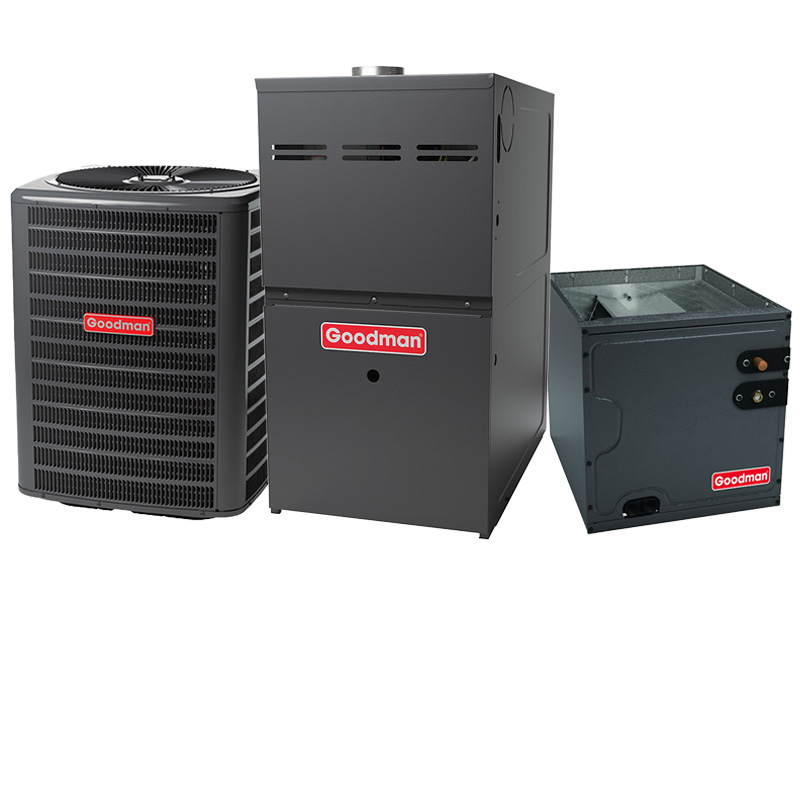
Goodman R32 1.5 Ton 14 SEER2 40000 BTU 80% Multi-Speed ECM Gas Furnace and Air Conditioner System – Upflow
View on AC Direct see your lowest price →Check current price on AC Direct →
Key features
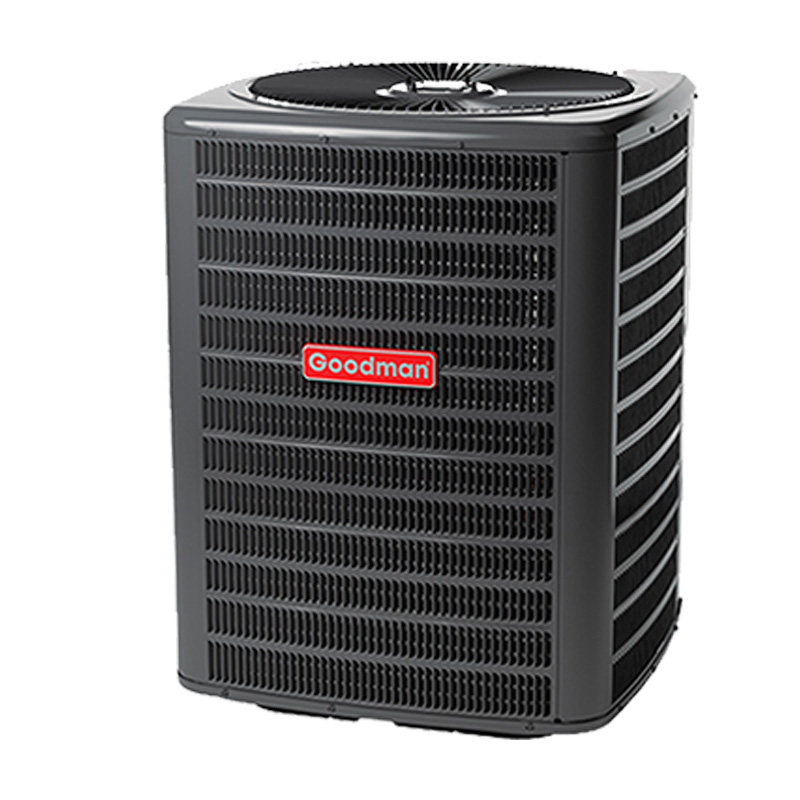
- 1.5-ton cooling capacity rated at 14 SEER2 using R-32 refrigerant
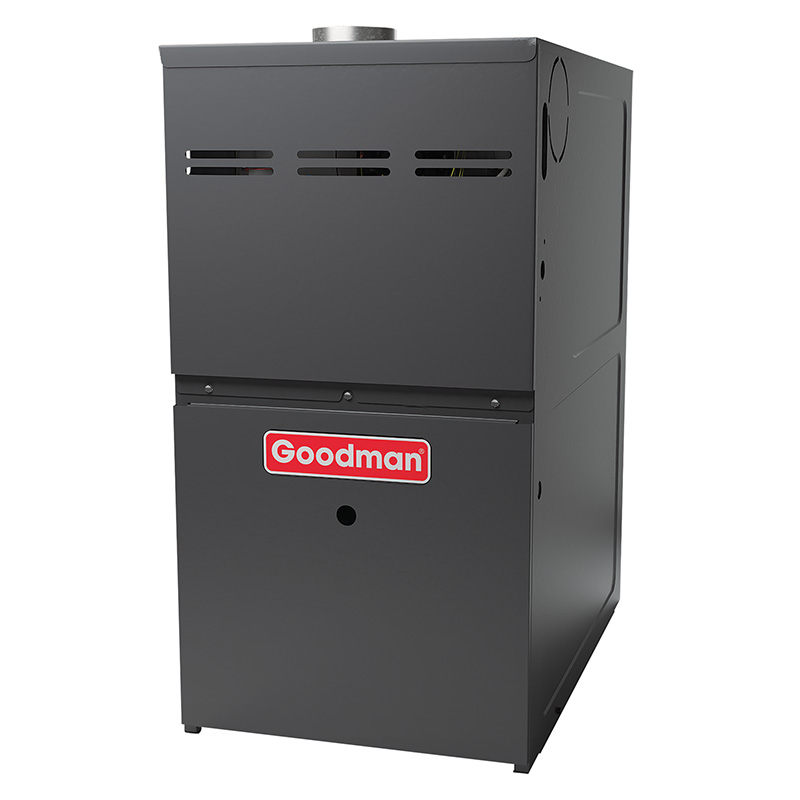
- 40,000 BTU multi-speed ECM gas furnace at 80% AFUE
- Upflow configuration for basement, closet, or utility room installations
- Multi-speed ECM blower motor for reduced electrical consumption vs. PSC motors
- R-32 refrigerant with lower global warming potential than R-410A
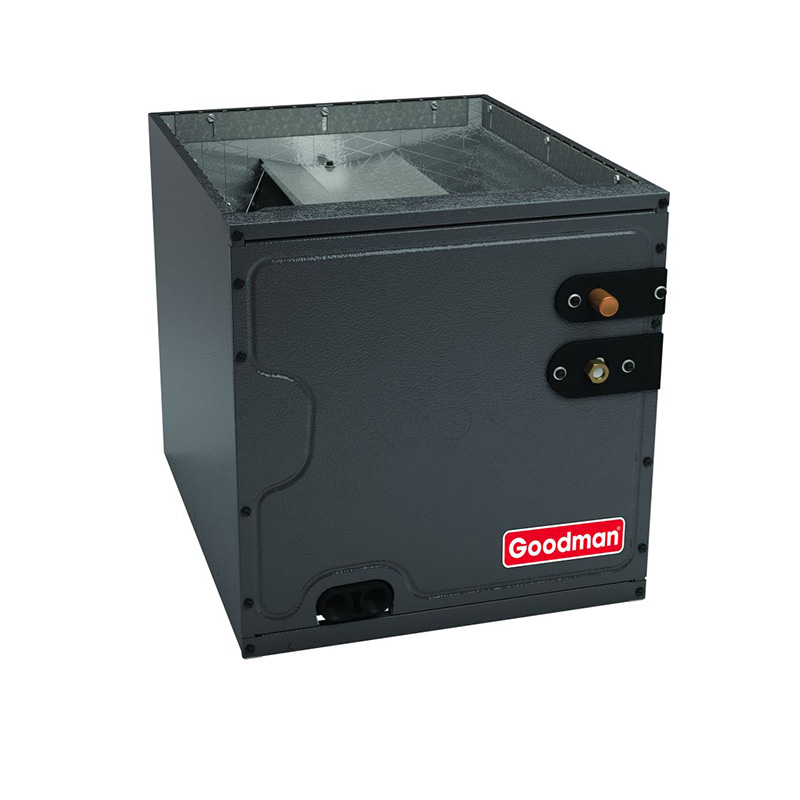
- Matched coil-and-condenser combination for simplified equipment selection
About this system
The Goodman R-32 1.5-ton upflow system pairs a 14 SEER2 central air conditioner with a multi-speed ECM 80% AFUE gas furnace in a single matched set sized for smaller homes and conditioned spaces roughly 600 to 900 square feet, depending on climate, insulation, and layout. The 40,000 BTU heating output is appropriate for mild-to-moderate heating loads, and the upflow configuration means conditioned air exits the top of the furnace cabinet, making it the standard choice for installations in basements, closets, or utility rooms where ductwork runs overhead.
The switch to R-32 refrigerant is a notable technical step. R-32 has a lower global warming potential than the older R-410A it replaces and delivers slightly better heat-transfer efficiency, which supports the system reaching 14 SEER2 at a compact 1.5-ton capacity. The multi-speed ECM blower motor reduces electricity draw compared to a standard PSC motor and can improve airflow consistency, though it does not match the comfort performance of a true variable-speed system. An 80% AFUE furnace means one-fifth of the heat produced by combustion exits through the flue, so owners in colder climates or with high heating bills may find a higher-efficiency 90%+ furnace worth considering before committing.
This system is assembled and sold as a matched combination, which simplifies equipment selection and helps ensure the coil and refrigerant system are rated together. As with any Goodman product, the long-term outcome is closely tied to installation quality, refrigerant charge accuracy, and whether a licensed technician commissions the system correctly on day one.
The Goodman R-32 1.5-ton upflow system delivers solid entry-level performance at a price that sits noticeably below Carrier, Trane, and Lennox equivalents, making it a reasonable choice for budget-conscious buyers who prioritize upfront cost and have access to a skilled installer. The 14 SEER2 rating is at the regulatory minimum, the 80% furnace is not the most efficient heating option available, and the brand's documented reliability record introduces some long-term maintenance uncertainty that buyers should price in. It is not the most durable system money can buy, but in the right hands it can deliver years of dependable service.
Overall score is the average of the five ratings above.
What we like
- Purchase price runs 15 to 25 percent below comparable Carrier, Trane, and Lennox systems
- R-32 refrigerant is more environmentally favorable than the outgoing R-410A standard
- Multi-speed ECM blower reduces operating electricity costs versus single-speed PSC motors
- Upflow design suits the most common North American furnace installation scenarios
- Matched combination simplifies coil compatibility and equipment selection
Trade-offs
- 14 SEER2 is the regulatory minimum and will cost more to operate than 16+ SEER2 alternatives over a 10-15 year lifespan
- 80% AFUE means 20% of combustion energy is lost up the flue, a meaningful inefficiency for cold-climate households
- Dual-run capacitors and evaporator coil leaks are documented recurring failure points that add to long-term service costs
- Compressor lifespan averages 10 to 14 years versus 15 to 20 years for premium-brand compressors, raising replacement probability within a typical ownership window
What homeowners and pros say about Goodman
Homeowners who purchase Goodman equipment tend to split along a clear line: those who got a careful installation from an experienced contractor often report years of trouble-free operation and appreciate the lower entry cost, while those who ran into problems cite repair bills that climb noticeably after year 7, a pattern consistent with Goodman’s ConsumerAffairs score of roughly 2.5 out of 5. Google dealer reviews average around 3.8 out of 5, and in those forums affordability comes up more than any other positive. The specific failure modes that appear most often in owner accounts are dual-run capacitor replacements, which are relatively low-cost repairs in the 300 to 600 dollar range but still an inconvenience, and evaporator coil leaks, which are more disruptive and expensive to address. A minority of owners also report refrigerant leaks in the first year, a problem that technicians attribute to improper charge at installation rather than a manufacturing defect.
HVAC professionals who work on Goodman equipment regularly tend to view it as serviceable equipment that earns its market position on price rather than longevity. The compressor lifespan concern is a real one in their experience: Goodman compressors averaging 10 to 14 years versus the 15 to 20 years seen more often with Trane and Carrier equipment is a meaningful gap for a homeowner planning a 20-year stay. That said, techs consistently point out that a precisely charged, properly commissioned Goodman system will outperform a sloppily installed premium-brand unit, which is why their universal advice with this brand is to spend the time vetting your installer at least as carefully as you vet the equipment itself. For this specific 1.5-ton R-32 upflow system, the R-32 refrigerant change is noted as a minor positive step forward, though it does not change the underlying brand reliability picture in any significant way.
Sources: ConsumerAffairs Goodman owner reviews, AHRI Directory of Certified Product Performance, U.S. DOE appliance and equipment efficiency standards, Goodman product specification sheets.
What it costs to run
At 14 SEER2, cooling this 1.5-ton system for a typical 1200-hour cooling season at the U.S. average electricity rate of $0.17/kWh works out to roughly $262 per year in cooling, about $12 less per year than a minimum-efficiency 13.4 SEER2 unit of the same size. Your real cost depends on your climate and local rate.
Method: (18,000 BTU/hr ÷ 14 SEER2) × 1200 hours ÷ 1000 × $0.17/kWh. Rate source: U.S. EIA average; cooling hours: moderate-climate estimate.
How it compares
| Brand | Comparable model | SEER2 | Stage | Price position |
|---|---|---|---|---|
| Goodman | R-32 1.5 Ton 14 SEER2 Upflow Gas System (this unit) | 14 | Single-stage | Value pick |
| Carrier | Comfort Series (24ACC4) | 14-15 | Single-stage | Typically 15 to 25 percent more than this Goodman |
| Trane | XR14c | 14-15 | Single-stage | Typically 15 to 25 percent more than this Goodman |
| Lennox | Merit Series (ML14XC1) | 14-15 | Single-stage | Typically 15 to 25 percent more than this Goodman |
Competitor rows are comparable single-stage units at similar efficiency; price is relative position, not a quote.
Questions about this system
Is 14 SEER2 going to cost me significantly more to run than a higher-efficiency unit?
Yes, compared to a 16 or 18 SEER2 system the operating cost difference is real, though the size of the gap depends on your local electricity rate, how many cooling hours your climate requires, and how long you own the home. For a 1.5-ton unit in a mild climate the annual savings from a higher-efficiency model may not recover the price premium quickly, but in a hot southern climate or over a 15-year ownership window the cumulative cost is worth calculating before you buy.
Why does Goodman have such mixed reviews and should I be worried?
Goodman's ConsumerAffairs rating sits around 2.5 out of 5, which reflects a complaint-heavy channel where repair costs after roughly year 7 are a recurring theme. Its Google dealer reviews average around 3.8 out of 5, where affordability is the most commonly cited positive. The brand is not in the same reliability tier as Trane or Carrier, and documented failure modes include dual-run capacitor failures, evaporator coil leaks, and compressor lifespans that average shorter than premium competitors, so building a maintenance fund into your ownership plan is a practical step.
What does R-32 refrigerant mean for me as an owner, and is it harder to service?
R-32 has a lower global warming potential than R-410A and slightly better thermodynamic properties. For most homeowners the practical difference at service time is minimal, though your technician will need R-32-rated equipment and certification to handle it. The transition from R-410A to R-32 is well underway in the industry, so finding a qualified tech should not be difficult in most markets.
Can I install this system myself to save money?
No. R-32 refrigerant handling requires EPA Section 608 certification, and gas line and electrical connections require licensed trades in virtually every jurisdiction. More importantly, Goodman's own warranty requires professional installation, and a poor refrigerant charge or improper gas pressure setup is the most common cause of early compressor failure and refrigerant leaks documented in owner reviews.
Will the 80% AFUE furnace work fine, or should I upgrade to a 96% model?
An 80% AFUE furnace works reliably and is code-compliant in most of the country, but it exhausts 20% of combustion energy through the flue. If you are in a northern climate with long, cold winters and pay meaningful gas bills, the operating cost gap between 80% and 96% AFUE adds up over a decade. In a mild climate with short heating seasons the payback on the higher-efficiency furnace is much slower, so the 80% unit can be a reasonable choice there.
Specifications
| Cooling capacity | 1.5 Ton |
| Efficiency | 14 SEER2 |
| Furnace output | 40000 BTU |
| Configuration | Upflow |
| Refrigerant | R-32 |