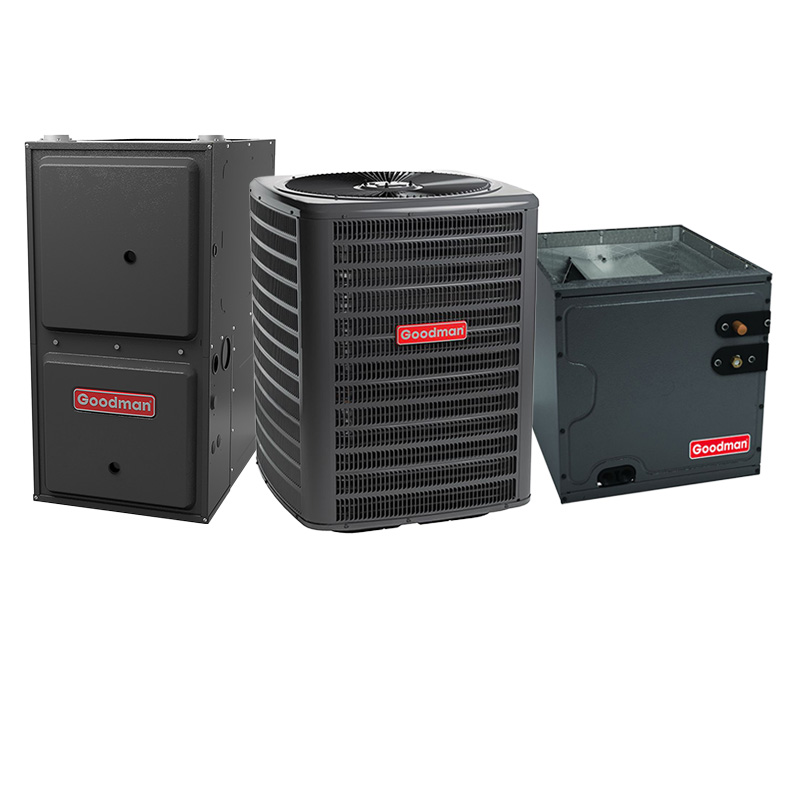
Goodman R32 1.5 Ton 14 SEER2 40000 BTU 80% Two Stage 9-Speed ECM Gas Furnace and Air Conditioner System – Upflow
View on AC Direct see your lowest price →Check current price on AC Direct →
Key features
- Two-stage 1.5-ton compressor for reduced cycling and better humidity control
- 14 SEER2 seasonal efficiency rating meets current federal minimums with modest margin
- R-32 refrigerant with lower global warming potential than R-410A
- Nine-speed ECM blower motor adjusts airflow to match heating and cooling load
- Upflow cabinet orientation designed for basement or closet installations with overhead ductwork
- 80% AFUE gas furnace rated at 40,000 BTU output for small to mid-size homes
About this system
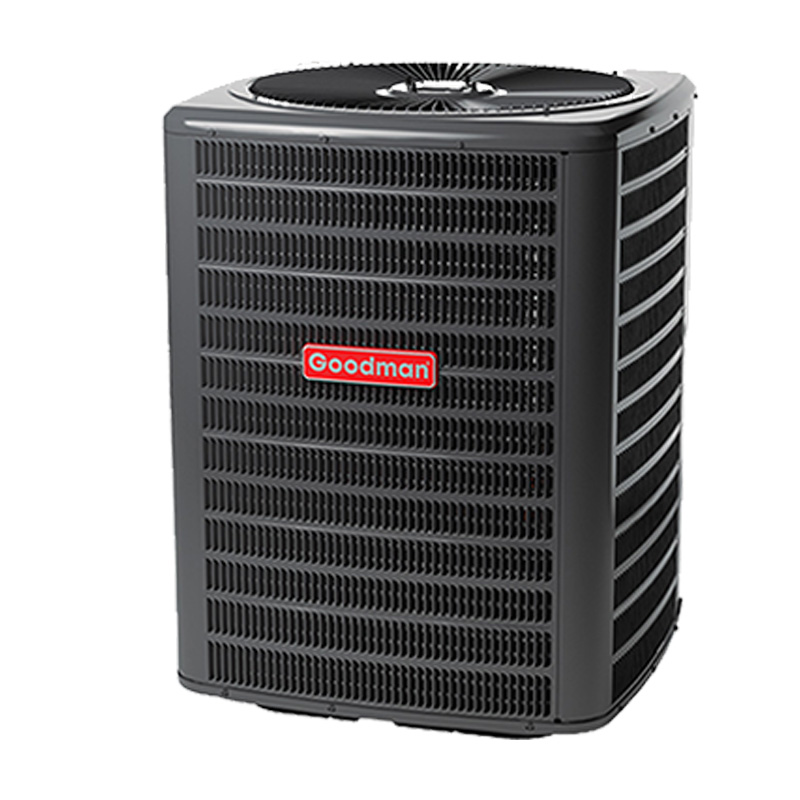
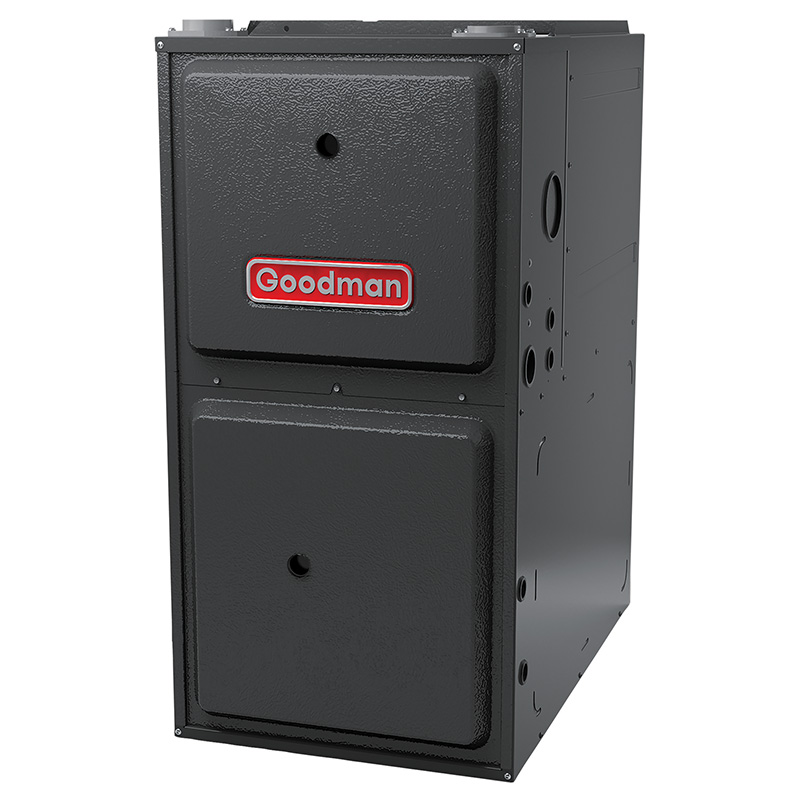
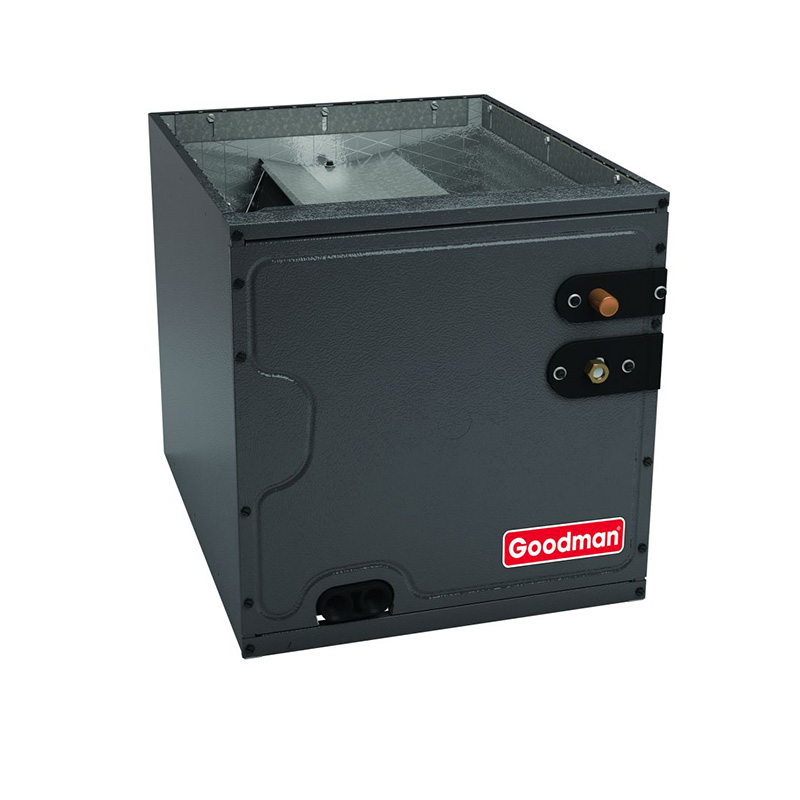
This Goodman bundle pairs a 1.5-ton R-32 central air conditioner rated at 14 SEER2 with a 40,000 BTU upflow gas furnace running an 80% AFUE combustion efficiency. The package is sized for smaller homes, typically in the 600 to 900 square foot range depending on climate zone and insulation, and the upflow configuration means warm or conditioned air exits the top of the furnace cabinet, making it the right fit for basement or closet installs where ductwork runs overhead. R-32 refrigerant carries a lower global warming potential than the R-410A it is replacing across the industry, so this system is positioned ahead of the regulatory curve.
The two-stage compressor is the headline mechanical feature here. Running on a lower stage during mild weather, it cycles less aggressively than a single-stage unit, which tends to improve humidity control and reduce temperature swings. The nine-speed ECM blower motor adds another layer of efficiency by adjusting airflow to match demand rather than running flat-out every time. Together these components push comfort meaningfully beyond what a basic single-stage system delivers, and they help the unit hold its 14 SEER2 rating in real operating conditions rather than only under laboratory peaks.
Buyers who will get the most from this system are cost-conscious homeowners in moderate climates who want better-than-entry-level comfort without paying Carrier or Trane prices. The trade-off is that Goodman’s long-term reliability record is mixed, and the quality of the installation contractor will influence how this system performs and how long it lasts more than almost any spec on the sheet.
This Goodman bundle delivers two-stage comfort and a modern refrigerant at a price point that sits noticeably below comparable Carrier, Trane, and Lennox systems. It is a reasonable value for buyers who choose their installer carefully and budget for potential component repairs around the seven-year mark. Homeowners expecting the same long-term durability as a premium brand at a budget price will likely be disappointed.
Overall score is the average of the five ratings above.
What we like
- Two-stage operation improves humidity management and reduces temperature swings versus single-stage alternatives
- Nine-speed ECM motor reduces blower energy consumption compared to standard PSC motors
- R-32 refrigerant positions the system ahead of ongoing regulatory phase-outs
- Priced roughly 15 to 25 percent below comparable Carrier, Trane, and Lennox configurations
- Upflow configuration is a practical fit for the most common residential duct layouts
Trade-offs
- Dual-run capacitors are the most frequently reported failure point, typically adding a 300 to 600 dollar repair bill, often before the ten-year mark
- Evaporator coil leaks appear in a meaningful share of owner reports, which can become a costly repair if refrigerant loss is involved
- Compressor lifespan averages 10 to 14 years in field reports, shorter than the 15 to 20 years more commonly cited for premium brands
- A minority of early owners report refrigerant leaks within the first year, usually traced to install or initial charge issues rather than a manufacturing defect
What homeowners and pros say about Goodman
Homeowners who post about Goodman equipment online tend to cluster at the extremes. Those who had a clean install and kept up with annual maintenance often report years of uneventful service and appreciate the lower purchase price. Those who ran into problems frequently point to the same documented weak spots: dual-run capacitors failing between years five and ten, evaporator coil leaks that can become expensive repairs, and compressor longevity that field reports put at roughly 10 to 14 years on average, noticeably shorter than the 15 to 20 years more commonly reported for Carrier, Trane, and Lennox compressors. The ConsumerAffairs score sits around 2.5 out of 5, but that channel draws a disproportionate share of frustrated owners, and repair costs climbing after year seven is the complaint that shows up most consistently there.
HVAC technicians tend to have a more measured view of Goodman. Google dealer reviews across multiple locations average around 3.8 out of 5, and affordability is the praise contractors pass along most often when recommending the brand to budget-focused customers. Technicians are also quick to note that install quality and proper refrigerant charging matter more with Goodman than with some premium brands, partly because tighter factory tolerances on higher-end equipment can cover for minor install variables that Goodman equipment does not absorb as easily. The early refrigerant leak reports a minority of owners mention within the first year are almost always traced back to the install or initial charge rather than a product defect, which reinforces the point that choosing a thorough, experienced contractor is as important a decision as choosing the equipment itself.
Sources: ConsumerAffairs Goodman owner reviews, AHRI Directory of Certified Product Performance, U.S. DOE appliance and equipment efficiency standards, Goodman product specification sheets.
What it costs to run
At 14 SEER2, cooling this 1.5-ton system for a typical 1200-hour cooling season at the U.S. average electricity rate of $0.17/kWh works out to roughly $262 per year in cooling, about $12 less per year than a minimum-efficiency 13.4 SEER2 unit of the same size. Your real cost depends on your climate and local rate.
Method: (18,000 BTU/hr ÷ 14 SEER2) × 1200 hours ÷ 1000 × $0.17/kWh. Rate source: U.S. EIA average; cooling hours: moderate-climate estimate.
How it compares
| Brand | Comparable model | SEER2 | Stage | Price position |
|---|---|---|---|---|
| Goodman | R-32 1.5 Ton 14 SEER2 Two-Stage 9-Speed ECM Bundle | 14 | Two-stage | Value pick |
| Carrier | Comfort Series (24ACC6) | 14-15 | Single-stage | Typically 15 to 25 percent more than this Goodman bundle |
| Trane | XR14c | 14 | Single-stage | Typically 15 to 25 percent more than this Goodman bundle |
| Lennox | Merit Series (ML14XC1) | 14-15 | Single-stage | Typically 15 to 25 percent more than this Goodman bundle |
Competitor rows are comparable single-stage units at similar efficiency; price is relative position, not a quote.
Questions about this system
Why does this system use R-32 instead of R-410A, and does that affect service costs?
R-32 has a lower global warming potential than R-410A and is part of the industry-wide shift away from older refrigerants driven by EPA regulations. Most established HVAC contractors are already trained and certified to handle R-32, so routine service should not cost more than R-410A work did, though regional availability of the refrigerant can occasionally affect pricing.
Is 14 SEER2 going to cost me more in electricity compared to higher-rated systems?
14 SEER2 meets the current federal minimum for many regions, so it is not a high-efficiency unit. In a 1.5-ton application, the real-world electricity difference between 14 SEER2 and a 16 or 17 SEER2 system is present but modest, and the payback period on the higher-efficiency option is often long enough that the budget pick makes financial sense for many buyers.
How much does the upflow configuration limit where I can install this system?
Upflow means the furnace pulls return air in at the bottom and discharges conditioned air out the top, which works well in basements, utility closets, and mechanical rooms where supply ducts run through ceilings or upper floors. If your ductwork runs beneath the unit, you would need a downflow or horizontal configuration instead, and this particular unit would not fit that layout.
What is Goodman's warranty on this system, and are there conditions I need to meet?
Goodman typically offers a ten-year parts warranty when the unit is registered online within a set window after installation, dropping to a shorter period for unregistered equipment. Registration is the buyer's responsibility, and some dealers register on your behalf while others do not, so confirm this with your installer before the job is complete.
The reviews mention capacitor failures. Is that something I can address without a full service call?
Dual-run capacitors are the most commonly reported repair on Goodman equipment, but they are also one of the less expensive HVAC repairs, generally running 300 to 600 dollars when a technician handles the replacement. Capacitors are not a DIY repair because the component holds a dangerous electrical charge even when power is off, so a licensed technician call is the right path.
Specifications
| Cooling capacity | 1.5 Ton |
| Efficiency | 14 SEER2 |
| Furnace output | 40000 BTU |
| Configuration | Upflow |
| Refrigerant | R-32 |