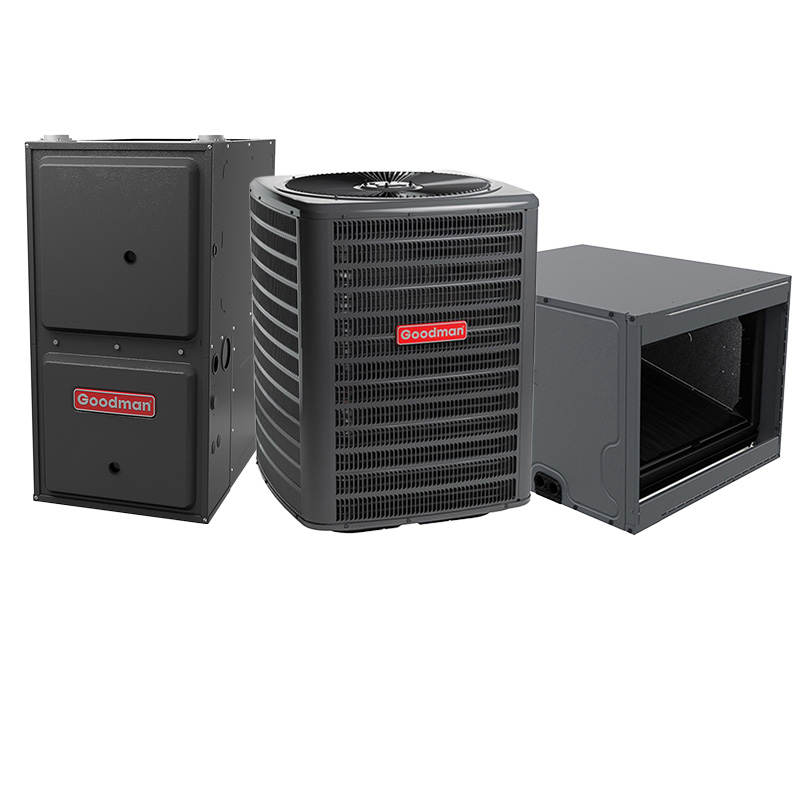
Goodman R32 1.5 Ton 14 SEER2 60000 BTU 80% Two Stage 9-Speed ECM Gas Furnace and Air Conditioner System – Horizontal
View on AC Direct see your lowest price →Check current price on AC Direct →
Key features
- Horizontal configuration for attic and crawlspace installations
- Two-stage 60,000 BTU furnace for reduced temperature swings and lower fuel use
- 9-speed ECM blower motor for precise airflow and lower blower electricity costs
- R-32 refrigerant with lower global warming potential than R-410A
- 14 SEER2 efficiency meets current federal minimum standards
- 80% AFUE furnace rated for natural gas or propane with conversion kit
About this system
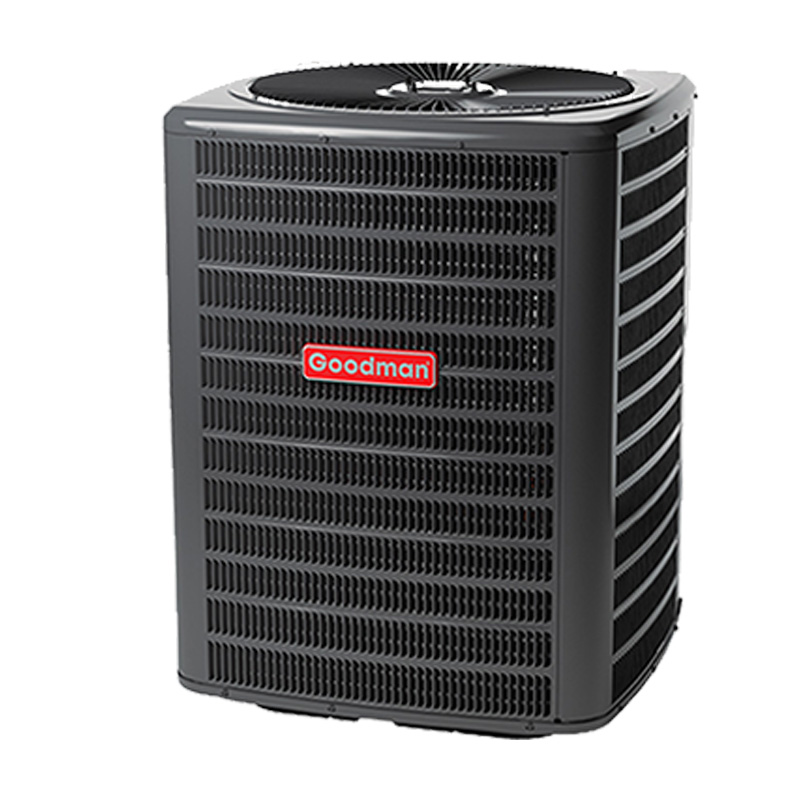
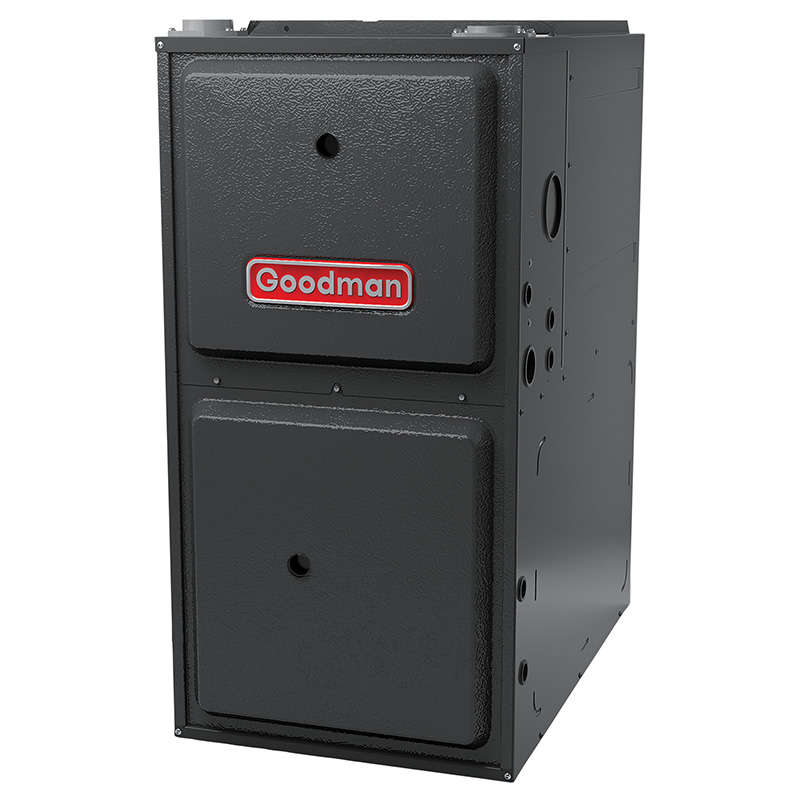
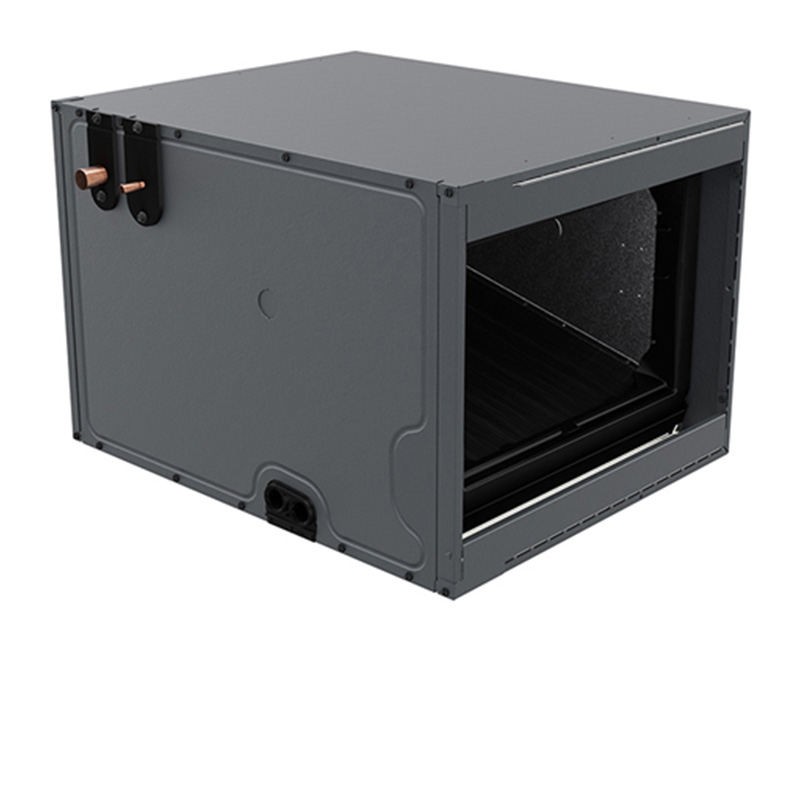
This Goodman horizontal gas furnace and air conditioner system pairs a 1.5-ton, 14 SEER2 air conditioner using R-32 refrigerant with a 60,000 BTU, 80% AFUE two-stage gas furnace in a horizontal configuration. The horizontal layout is specifically designed for attic or crawlspace installations where vertical clearance is limited, making it a practical choice for ranch-style homes, manufactured housing, or additions where the mechanical equipment sits on its side rather than upright. R-32 refrigerant is a newer, lower-global-warming-potential refrigerant that Goodman has adopted ahead of the broader industry shift, which is worth noting for long-term serviceability.
The two-stage furnace and 9-speed ECM blower motor are the standout specs here. Two-stage heating means the furnace runs on a lower first stage most of the time, cycling up to full capacity only on the coldest days. This reduces temperature swings, lowers fuel consumption compared to single-stage units, and puts less wear on the heat exchanger. The ECM blower motor adjusts airflow in small increments across nine speeds, which improves humidity control in cooling mode and can meaningfully cut electricity use on the blower versus a standard PSC motor. At 14 SEER2, efficiency sits right at the current federal minimum for most northern climate regions and one step above the new southern minimum, so it is a code-compliant baseline system rather than a high-efficiency choice.
This system suits homeowners replacing aging equipment in attic-mounted applications who want reliable two-stage comfort without paying for premium-brand pricing. It is not aimed at buyers prioritizing top-tier energy savings or maximum long-term reliability; it is aimed at buyers who want modern features, current refrigerant standards, and a lower upfront cost, and who accept that the brand’s track record means install quality and ongoing maintenance matter more than with premium competitors.
This Goodman horizontal system delivers genuinely useful features at a price point that is noticeably below comparable Carrier, Trane, and Lennox equipment, and the two-stage furnace with ECM motor gives it a comfort and efficiency edge over single-stage alternatives at this price. The trade-off is an honest one: Goodman's documented history of capacitor failures, evaporator coil leaks, and shorter average compressor life means you should budget for maintenance and factor in the quality of your installing contractor as seriously as the equipment itself.
Overall score is the average of the five ratings above.
What we like
- Two-stage furnace operation reduces temperature swings and fuel consumption compared to single-stage units at the same price tier
- 9-speed ECM blower cuts electricity use on the air handler and improves humidity management during cooling season
- R-32 refrigerant is forward-looking and has lower environmental impact than R-410A
- Horizontal configuration is one of the fewer options purpose-built for attic or sidewall installs
- Priced 15 to 25 percent below comparable Carrier, Trane, and Lennox systems, making two-stage comfort more accessible
Trade-offs
- Dual-run capacitors are the most frequently reported failure point, typically surfacing within the first several years of operation
- Evaporator coil leaks appear in a meaningful share of owner reviews, which can be a costly repair especially given R-32 refrigerant pricing
- Compressor lifespan averages 10 to 14 years versus 15 to 20 years for premium-brand compressors, meaning a mid-life replacement is more likely
- 14 SEER2 is the efficiency floor for most regions, so utility savings are limited compared to 16 SEER2 or higher systems
What homeowners and pros say about Goodman
Homeowners who choose Goodman most often point to the price gap as the deciding factor, and the Google dealer review average of around 3.8 out of 5 reflects a generally satisfied customer base when installation goes smoothly. The ConsumerAffairs score is lower, sitting around 2.5 out of 5, but that platform captures a disproportionate share of frustrated owners, and the complaints cluster around a recognizable pattern: systems that run fine for several years before repair costs start building, particularly after year seven. For this specific horizontal system, the R-32 refrigerant and two-stage furnace are genuine upgrades over the brand’s entry-level offerings, but they do not change the underlying brand reliability picture.
HVAC technicians who work on Goodman equipment regularly are consistent about two things: the brand’s dual-run capacitors are the most common call-back they see, typically a low-cost repair in the 300 to 600 dollar range but an annoyance when it happens repeatedly. Evaporator coil leaks appear often enough in owner feedback to warrant attention, and with R-32 refrigerant now in the picture, a coil leak carries a higher service cost than it would have under R-410A. Compressor longevity averages 10 to 14 years in real-world reports, meaningfully shorter than the 15 to 20 years technicians associate with premium brands. The consistent professional advice is that a Goodman installed carefully by an experienced contractor, with a service agreement in place, performs well for its price tier; the risk goes up sharply with a rushed or cut-rate installation.
Sources: ConsumerAffairs Goodman owner reviews, AHRI Directory of Certified Product Performance, U.S. DOE appliance and equipment efficiency standards, Goodman product specification sheets.
What it costs to run
At 14 SEER2, cooling this 1.5-ton system for a typical 1200-hour cooling season at the U.S. average electricity rate of $0.17/kWh works out to roughly $262 per year in cooling, about $12 less per year than a minimum-efficiency 13.4 SEER2 unit of the same size. Your real cost depends on your climate and local rate.
Method: (18,000 BTU/hr ÷ 14 SEER2) × 1200 hours ÷ 1000 × $0.17/kWh. Rate source: U.S. EIA average; cooling hours: moderate-climate estimate.
How it compares
| Brand | Comparable model | SEER2 | Stage | Price position |
|---|---|---|---|---|
| Goodman | R-32 Horizontal Two-Stage 9-Speed ECM | 14 | Two-stage | Value pick |
| Carrier | Performance 16 (24ACC6) | 15-16 | Single-stage | Roughly 20 to 30 percent more than the Goodman |
| Trane | XR14c | 14 | Single-stage | Roughly 20 to 25 percent more than the Goodman |
| Lennox | Merit ML14XC1 | 14 | Single-stage | Roughly 25 to 35 percent more than the Goodman |
Competitor rows are comparable single-stage units at similar efficiency; price is relative position, not a quote.
Questions about this system
Why does this system come in a horizontal configuration, and can it be installed vertically?
Horizontal configuration means the cabinet and airflow path are designed to lie on their side, which is required for attic rafters, crawlspaces, and closet installations with limited height. This specific model is built for horizontal installation only; installing it vertically can cause drainage problems with the condensate pan and void the warranty, so confirm your application before purchasing.
Is R-32 refrigerant harder or more expensive to service than R-410A?
R-32 is a mildly flammable refrigerant, which means technicians need specific certification and equipment to handle it safely, and not every local HVAC company will be equipped for it yet. Availability is improving as the industry transitions away from R-410A, but you should confirm that contractors in your area can service R-32 systems before committing to this unit.
What does two-stage heating actually mean for my home day to day?
The furnace has a lower first-stage output for mild cold days and a higher second-stage output for the coldest days, rather than cycling between full blast and off. In practice this means fewer noticeable temperature swings, quieter operation most of the time, and slightly lower gas bills compared to a single-stage furnace of the same BTU rating.
Goodman has mixed reviews online. How seriously should I take the low scores?
Goodman's ConsumerAffairs score is around 2.5 out of 5, but that platform draws complaint-motivated reviews disproportionately; Google dealer reviews average closer to 3.8 out of 5 where affordability is the most common praise. The documented failure patterns are real though: dual-run capacitor failures, evaporator coil leaks, and compressor lifespans that tend to run shorter than premium brands are worth budgeting for, not dismissing.
What size home or space is a 1.5-ton, 60,000 BTU system appropriate for?
A 1.5-ton cooling capacity is generally suited to spaces in the 600 to 900 square foot range under typical insulation and climate conditions, though a proper Manual J load calculation by your installer is the only reliable way to confirm correct sizing. The 60,000 BTU furnace output is on the larger end for a 1.5-ton system and may be more than needed in a well-insulated space, which is another reason a load calc matters before installation.
Specifications
| Cooling capacity | 1.5 Ton |
| Efficiency | 14 SEER2 |
| Furnace output | 60000 BTU |
| Configuration | Horizontal |
| Refrigerant | R-32 |