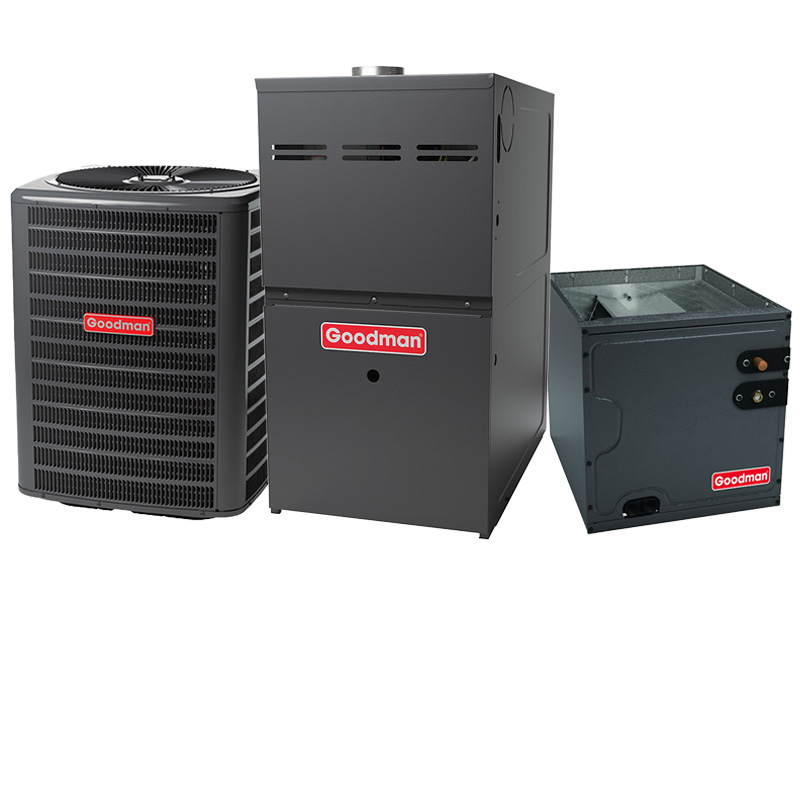
Goodman R32 1.5 Ton 14 SEER2 60000 BTU 80% Multi-Speed ECM Gas Furnace and Air Conditioner System – Upflow
View on AC Direct see your lowest price →Check current price on AC Direct →
Key features
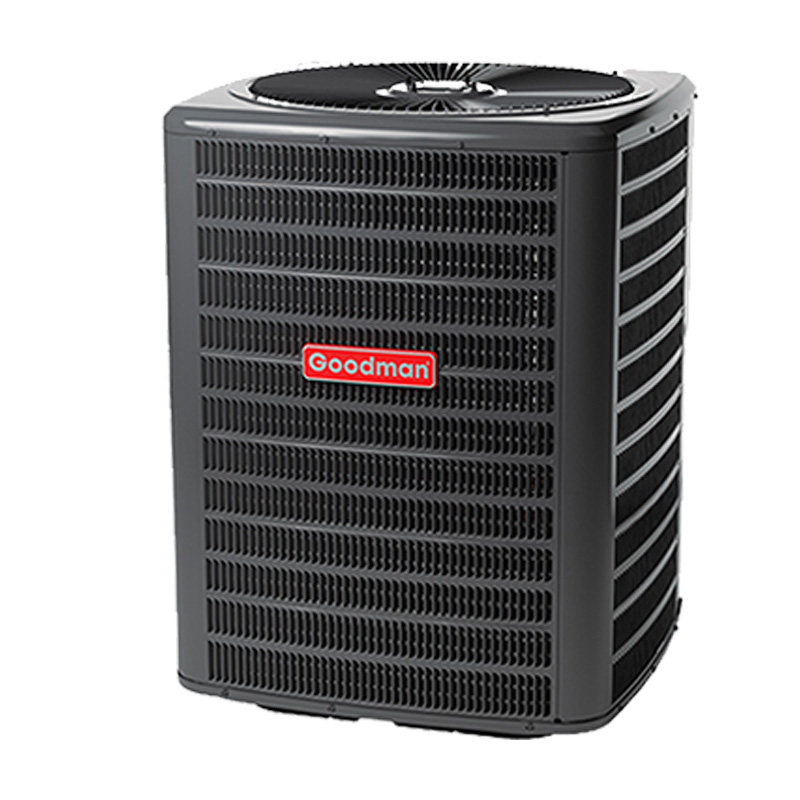
- 1.5-ton / 18,000 BTU cooling capacity paired with 60,000 BTU gas furnace
- 14 SEER2 cooling efficiency meets current federal minimum standards
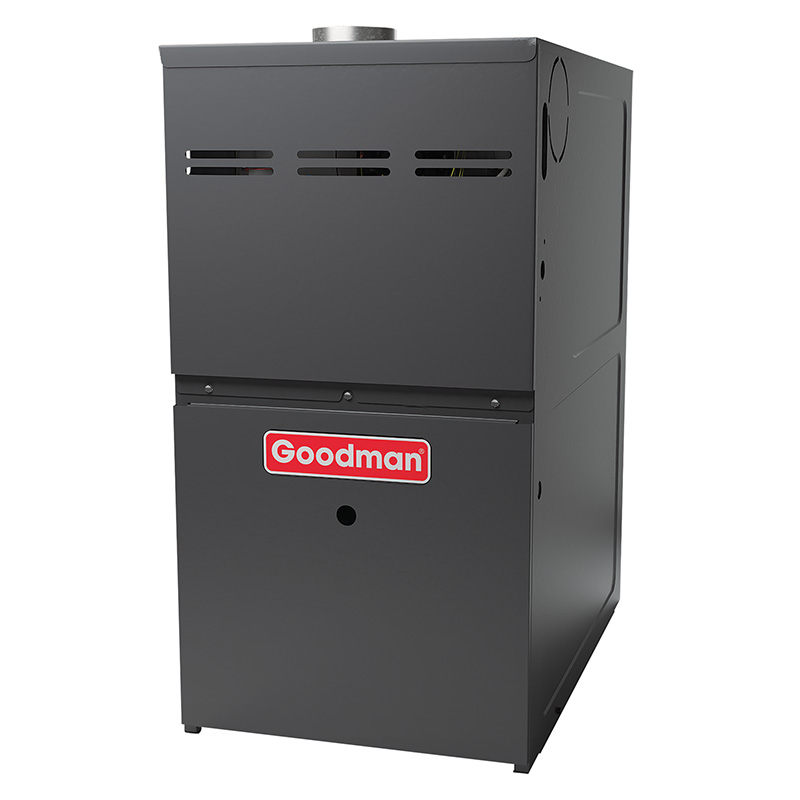
- 80% AFUE heating efficiency converts four-fifths of fuel to usable heat
- Multi-speed ECM blower motor improves humidity control and reduces fan noise
- R-32 refrigerant with lower global warming potential than R-410A
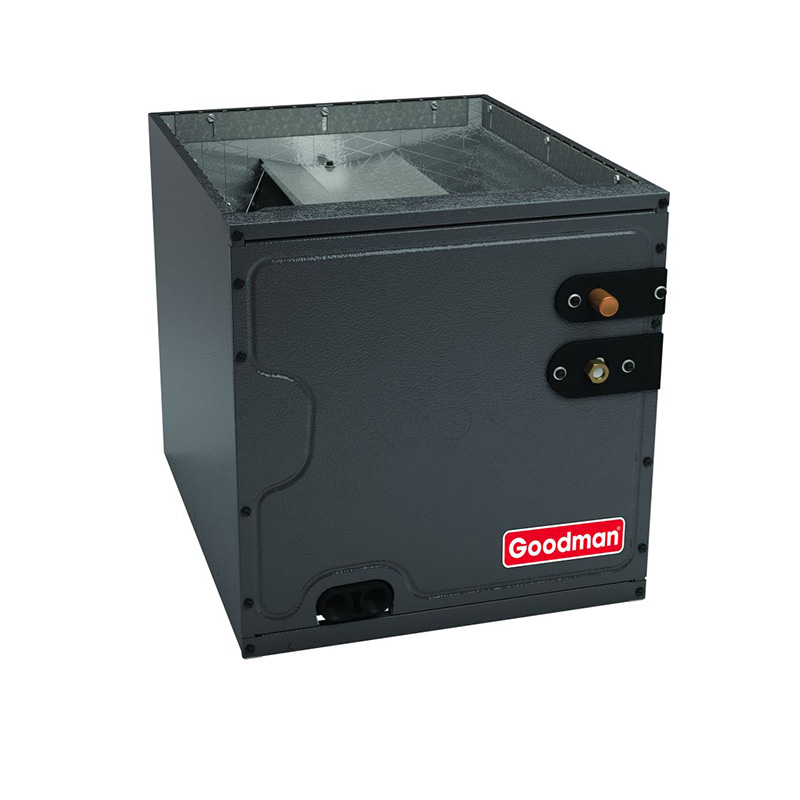
- Upflow configuration for basement or closet installs with overhead ductwork
About this system
This Goodman R-32 upflow system pairs a 1.5-ton, 14 SEER2 air conditioner with a 60,000 BTU, 80% AFUE multi-speed ECM gas furnace in a single matched kit sized for smaller homes, conditioned spaces up to roughly 700 to 900 square feet, or supplemental zones. The 14 SEER2 rating sits at the current federal minimum efficiency threshold for most U.S. climate zones, so it will keep operating costs reasonable without the premium price tag of higher-efficiency equipment. The multi-speed ECM blower motor is a genuine upgrade over single-speed alternatives, running at lower speeds during mild weather to improve humidity control and reduce noise compared to a basic PSC motor.
R-32 refrigerant is a meaningful modern detail. It has a lower global warming potential than the R-410A it replaces, and because it runs at slightly lower operating pressures, it can be marginally easier on system components over time. The upflow configuration means warm supply air exits the top of the air handler, making this unit a fit for basement or closet installations where ductwork runs overhead. It is not a variable-capacity or modulating system, so expect the compressor and furnace burner to cycle fully on and off rather than throttling to meet partial loads, which is typical and expected at this efficiency tier.
This Goodman kit delivers a complete, code-compliant heating and cooling solution at a price point that is typically 15 to 25 percent below comparable Carrier, Trane, and Lennox systems. The multi-speed ECM motor and R-32 refrigerant add real-world value at the entry-level price, but buyers should go in with realistic expectations about long-term reliability and budget for potential repairs after year seven. Install quality is the single largest variable in how this system performs and how long it lasts.
Overall score is the average of the five ratings above.
What we like
- Priced 15 to 25 percent below comparable premium-brand systems, lowering upfront cost
- Multi-speed ECM blower motor improves comfort and humidity management over basic single-speed units
- R-32 refrigerant is a forward-looking choice with lower environmental impact
- Matched factory kit reduces compatibility guesswork for installers and homeowners
- 80% AFUE furnace is a practical efficiency level for mild to moderate heating climates
Trade-offs
- Dual-run capacitors are the most commonly reported failure point, typically appearing within the first several years of operation
- Evaporator coil leaks appear in a meaningful share of owner reports, a notable long-term cost risk
- Compressor lifespan averages 10 to 14 years versus 15 to 20 years for premium brands
- A minority of owners report refrigerant leaks within the first year, most often tied to install or initial charge quality rather than the equipment itself
What homeowners and pros say about Goodman
Homeowners who research Goodman online will encounter a split picture. On ConsumerAffairs, where the audience skews toward people motivated to report problems, Goodman scores around 2.5 out of 5, and the recurring complaint is repair costs that climb after roughly year seven of ownership. Google dealer reviews tell a more balanced story, averaging around 3.8 out of 5 across locations with hundreds of reviews, where the most consistent praise is straightforward: it costs less upfront. For this specific 1.5-ton R-32 kit, the feedback pattern is consistent with the broader brand experience. Buyers who got a careful installation from a reputable contractor generally report years of trouble-free operation. Those who cut corners on install or used an inexperienced technician report problems earlier, including the refrigerant charge issues that show up in a minority of first-year complaints.
HVAC technicians tend to have a pragmatic view of Goodman. The most commonly cited failure on these systems is the dual-run capacitor, which is a quick and relatively inexpensive fix in the 300 to 600 dollar range when it happens. More consequential are evaporator coil leaks, which appear in enough owner reports to be worth noting as a real long-term risk rather than a fringe event. Compressor longevity is the other honest conversation: Goodman compressors average roughly 10 to 14 years in real-world use, compared to 15 to 20 years for premium brands. For a buyer focused on minimizing upfront cost in a smaller home or rental property, this system is a rational choice. For someone who wants to install it and not think about it for 20 years, the premium-brand alternatives warrant a closer look.
Sources: ConsumerAffairs Goodman owner reviews, AHRI Directory of Certified Product Performance, U.S. DOE appliance and equipment efficiency standards, Goodman product specification sheets.
What it costs to run
At 14 SEER2, cooling this 1.5-ton system for a typical 1200-hour cooling season at the U.S. average electricity rate of $0.17/kWh works out to roughly $262 per year in cooling, about $12 less per year than a minimum-efficiency 13.4 SEER2 unit of the same size. Your real cost depends on your climate and local rate.
Method: (18,000 BTU/hr ÷ 14 SEER2) × 1200 hours ÷ 1000 × $0.17/kWh. Rate source: U.S. EIA average; cooling hours: moderate-climate estimate.
How it compares
| Brand | Comparable model | SEER2 | Stage | Price position |
|---|---|---|---|---|
| Goodman | R-32 Multi-Speed ECM Gas Furnace and AC System (this unit) | 14 | Single-stage | Value pick |
| Carrier | Comfort 14 Series (24ACC4) | 14 | Single-stage | Typically 15 to 25 percent more than this Goodman system |
| Trane | XR14 Series | 14 | Single-stage | Typically 15 to 25 percent more than this Goodman system |
| Lennox | Merit 14 Series (ML14XC1) | 14 | Single-stage | Typically 15 to 25 percent more than this Goodman system |
Competitor rows are comparable single-stage units at similar efficiency; price is relative position, not a quote.
Questions about this system
What size home will a 1.5-ton system actually cool effectively?
A 1.5-ton system is generally appropriate for conditioned spaces in the range of 700 to 900 square feet, though the right size depends on your climate, insulation levels, ceiling height, and window area. A licensed HVAC technician should perform a Manual J load calculation before installation to confirm the fit for your specific home.
Is R-32 refrigerant harder or more expensive to service than R-410A?
R-32 requires technicians certified to handle mildly flammable (A2L-rated) refrigerants, and not every local tech may be equipped yet, though the industry is rapidly transitioning. Refrigerant cost is broadly comparable to R-410A at this point. It is worth confirming your chosen installer is R-32 certified before purchase.
What does the 80% AFUE furnace rating actually mean for my heating bill?
An 80% AFUE furnace converts 80 cents of every dollar of natural gas into usable heat, with the remaining 20 cents lost through the flue. This is the minimum efficiency allowed for new furnaces in most U.S. regions. Homeowners in colder climates with high heating loads may see meaningful savings by stepping up to a 96% or higher AFUE unit.
What are the most likely repair costs I should budget for over the first 10 years?
Based on documented owner experience with Goodman equipment, dual-run capacitor replacement is the most common repair, typically costing between 300 and 600 dollars including labor. Evaporator coil leaks are a less frequent but more expensive issue. Budgeting a few hundred dollars per year for maintenance and setting aside a repair fund is a reasonable approach.
Does the multi-speed ECM blower motor make a noticeable difference compared to a standard single-speed motor?
Yes, in practice. The ECM motor runs at lower speeds during partial-load conditions, which keeps air circulating more continuously at quieter levels and pulls more moisture out of the air during cooling cycles. Homeowners who have switched from single-speed systems often report quieter operation and better humidity comfort, particularly during shoulder seasons.
Specifications
| Cooling capacity | 1.5 Ton |
| Efficiency | 14 SEER2 |
| Furnace output | 60000 BTU |
| Configuration | Upflow |
| Refrigerant | R-32 |