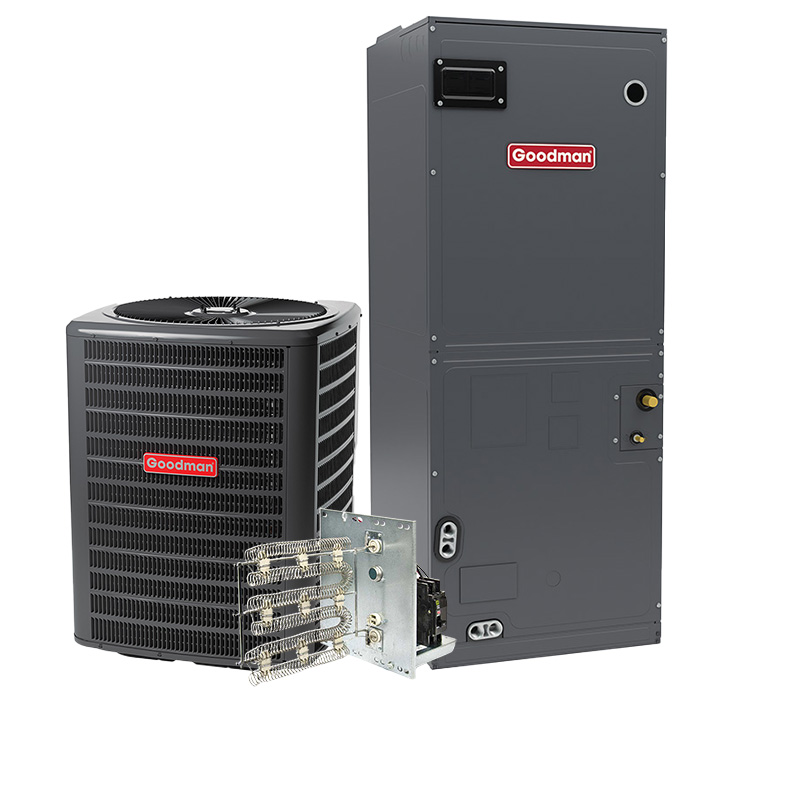
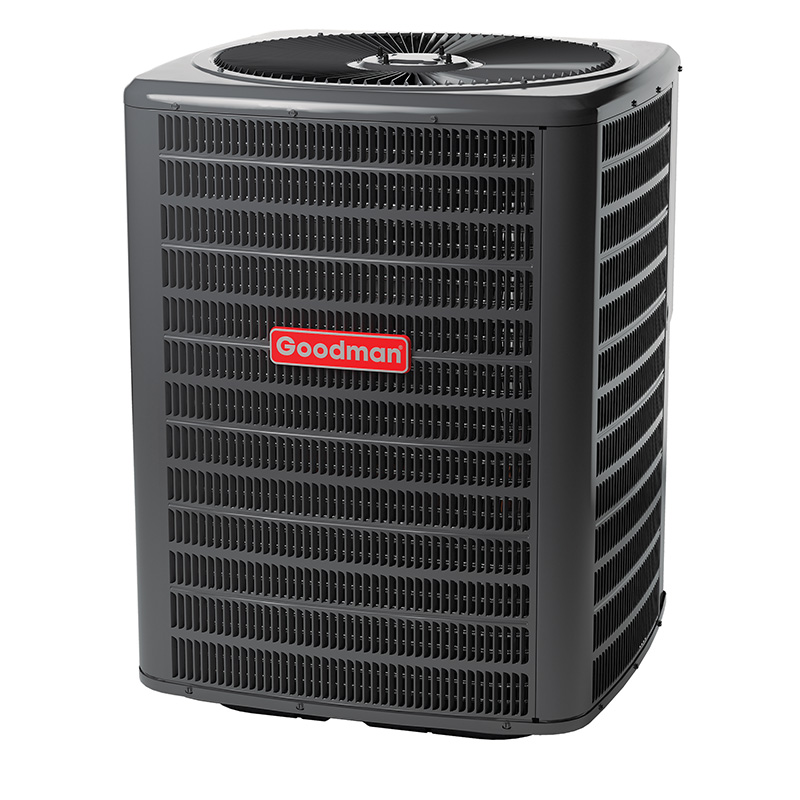
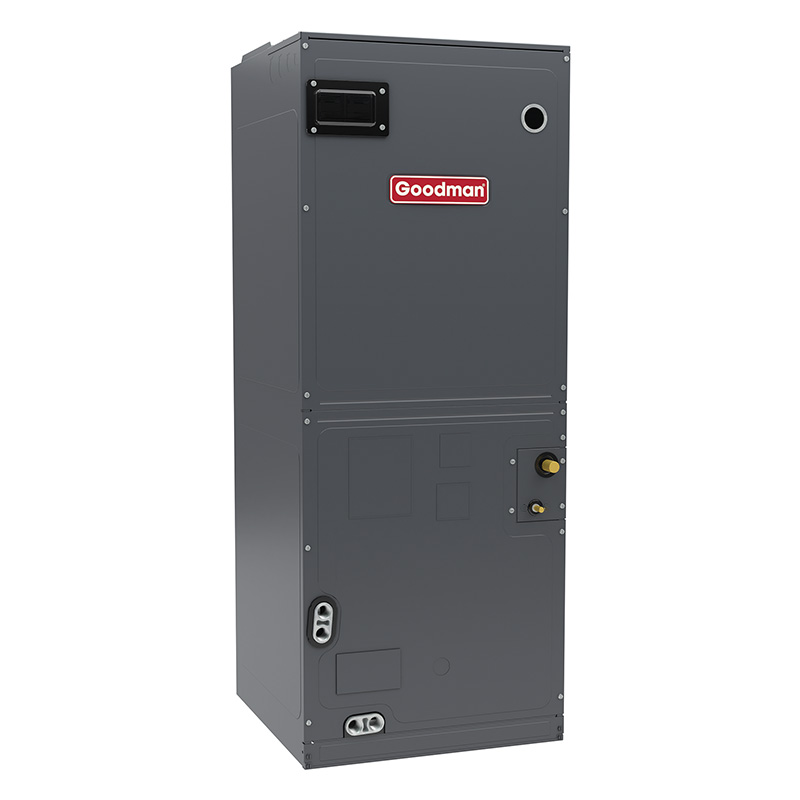
Goodman R32 1.5 Ton 15.2 SEER2 Air Conditioning System With Electric Heat
View on AC Direct see your lowest price →Check current price on AC Direct →
Key features
- 1.5-ton cooling capacity, suited for smaller homes or individual zones up to roughly 900 sq ft
- 15.2 SEER2 efficiency rating, above federal minimums and eligible for potential utility rebates
- R-32 refrigerant with approximately 68 percent lower global warming potential than R-410A
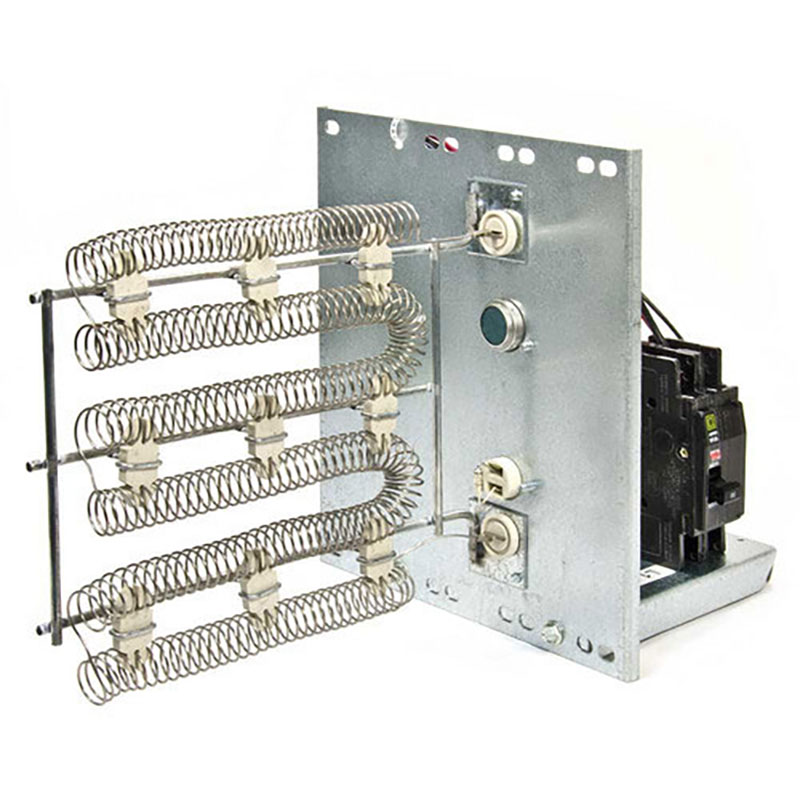
- Integrated electric heat strip eliminates the need for a separate furnace in mild climates
- Single-stage compressor operation for straightforward, lower-cost installation and servicing
- Goodman factory warranty coverage on parts and compressor for qualified registered systems
About this system
The Goodman R-32 1.5-ton, 15.2 SEER2 air conditioning system with electric heat is aimed at homeowners in smaller conditioned spaces, typically 600 to 900 square feet, who want a straightforward cooling and heating solution without the cost of a premium brand. The 15.2 SEER2 rating clears the federal minimum efficiency threshold by a comfortable margin, which translates to noticeably lower operating costs than older 13 or 14 SEER equipment, though it stops well short of the high-efficiency territory occupied by 18-plus SEER2 variable-speed systems. The electric heat component suits climates where winters are mild and a gas furnace is unnecessary or impractical.
R-32 refrigerant is the meaningful technical upgrade here. It has a global warming potential roughly two-thirds lower than the R-410A it replaces, and because it runs at lower operating pressures it is slightly more efficient to move heat with. Practically speaking, R-32 is becoming the industry standard, so parts availability and technician familiarity will only improve over time. As a single-stage system, it runs at full capacity whenever it is on, which keeps the equipment cost down but means less precise humidity control and more on-off cycling compared to two-stage or variable-speed alternatives. Buyers who prioritize purchase price over long-term comfort consistency will find the trade-off reasonable.
This system delivers honest entry-level efficiency at a price point that is hard to argue with for budget-conscious buyers in mild climates. The R-32 refrigerant is a genuine forward-looking feature, and 15.2 SEER2 will cut operating costs versus aging equipment. The trade-off is a brand track record that shows elevated repair frequency after year seven, a compressor lifespan shorter than premium competitors, and performance that depends heavily on how well the system is installed.
Overall score is the average of the five ratings above.
What we like
- Purchase price typically 15 to 25 percent below equivalent Carrier, Trane, and Lennox systems
- 15.2 SEER2 rating meaningfully improves on older minimum-efficiency equipment
- R-32 refrigerant is lower-impact environmentally and positions the system for the industry's direction
- Electric heat integration simplifies installation in mild climates without a gas line
- Single-stage design keeps service calls straightforward and parts widely available
Trade-offs
- Compressor lifespan averages 10 to 14 years versus 15 to 20 years in premium-brand units
- Dual-run capacitors are the most commonly reported failure point, typically needing replacement within the first decade
- Evaporator coil leaks appear in a meaningful share of owner reports, a cost that can offset initial savings
- Single-stage operation means less humidity control and more cycling than two-stage or variable-speed systems
What homeowners and pros say about Goodman
Homeowners who have purchased Goodman equipment tend to split into two camps, and the brand’s ratings reflect that divide. On ConsumerAffairs, Goodman scores roughly 2.5 out of 5, a channel where dissatisfied owners are far more motivated to post, and the recurring complaint is that repair costs begin accumulating around year seven. On Google dealer reviews, the average hovers around 3.8 out of 5, where the most consistent praise is straightforward: the price was right. Neither number tells the full story, but together they suggest a brand that performs adequately when installed well and maintained, and shows its age sooner than premium alternatives.
HVAC technicians who service Goodman equipment regularly point to a predictable list of issues specific to this brand. Dual-run capacitors are the part most likely to fail, and most techs have replaced enough of them that it is almost a scheduled maintenance item after the first decade. Evaporator coil leaks appear in a meaningful portion of owner histories, which is a more serious repair. Compressor lifespan tends to fall in the 10 to 14 year range, noticeably shorter than the 15 to 20 years technicians associate with Trane, Carrier, and Lennox compressors. For this specific R-32 system, first-year refrigerant leak reports tied to improper charging at installation are also worth keeping in mind when selecting a contractor. The bottom line from both owners and professionals is consistent: Goodman is a workable choice when the budget is the constraint, but it rewards careful installation and realistic expectations about long-term repair costs.
Sources: ConsumerAffairs Goodman owner reviews, AHRI Directory of Certified Product Performance, U.S. DOE appliance and equipment efficiency standards, Goodman product specification sheets.
What it costs to run
At 15.2 SEER2, cooling this 1.5-ton system for a typical 1200-hour cooling season at the U.S. average electricity rate of $0.17/kWh works out to roughly $242 per year in cooling, about $32 less per year than a minimum-efficiency 13.4 SEER2 unit of the same size. Your real cost depends on your climate and local rate.
Method: (18,000 BTU/hr ÷ 15.2 SEER2) × 1200 hours ÷ 1000 × $0.17/kWh. Rate source: U.S. EIA average; cooling hours: moderate-climate estimate.
How it compares
| Brand | Comparable model | SEER2 | Stage | Price position |
|---|---|---|---|---|
| Goodman | R-32 1.5-Ton 15.2 SEER2 with Electric Heat | 15.2 | Single-stage | Value pick |
| Carrier | Comfort 24ACC6 Series | 15.2 | Single-stage | Typically 15 to 25 percent more than Goodman |
| Trane | XR15 Series | 15.0–16.0 | Single-stage | Typically 15 to 25 percent more than Goodman |
| Lennox | Merit ML14XC1 Series | 15.0–16.0 | Single-stage | Typically 15 to 25 percent more than Goodman |
Competitor rows are comparable single-stage units at similar efficiency; price is relative position, not a quote.
Questions about this system
Is R-32 refrigerant harder or more expensive to service than R-410A?
R-32 is not yet as universally stocked as R-410A, but it is becoming standard and most supply houses carry it. Technician training is catching up quickly, so in most markets it should not add significant cost to a service call. It is mildly flammable, which requires certified handling, but that is now a routine requirement rather than a specialty skill.
How often do the capacitors actually fail on Goodman units, and what does it cost?
Dual-run capacitor failure is the single most documented repair issue across Goodman owner reports. It tends to surface after five to ten years of use and typically runs between 300 and 600 dollars including labor. The part itself is inexpensive, so it is one of the less painful repairs, but it is worth budgeting for.
Can this system handle both cooling and all of my heating needs?
The electric heat strip provides supplemental or primary heat, making it a reasonable all-in-one solution in climates where winter temperatures stay relatively mild. In regions with prolonged hard freezes, electric resistance heat becomes expensive to run and a heat pump or gas furnace pairing would be more cost-effective.
How much does install quality actually matter with a Goodman system?
It matters enormously. HVAC technicians consistently cite installation as the single biggest factor in how long any Goodman unit lasts, and the brand's documented first-year refrigerant leak reports are usually traced to improper charging at install. Choosing a licensed, experienced contractor and having them perform a proper load calculation before sizing the system is not optional with this brand.
What does Goodman's warranty actually cover, and are there registration requirements?
Goodman offers extended parts and compressor warranty coverage on registered systems, but the specific terms depend on product registration within a set window after installation. Failure to register typically reduces coverage to a shorter base warranty. Review the warranty certificate that ships with the unit and register promptly, as this is one step many buyers overlook.
Specifications
| Cooling capacity | 1.5 Ton |
| Efficiency | 15.2 SEER2 |
| Refrigerant | R-32 |