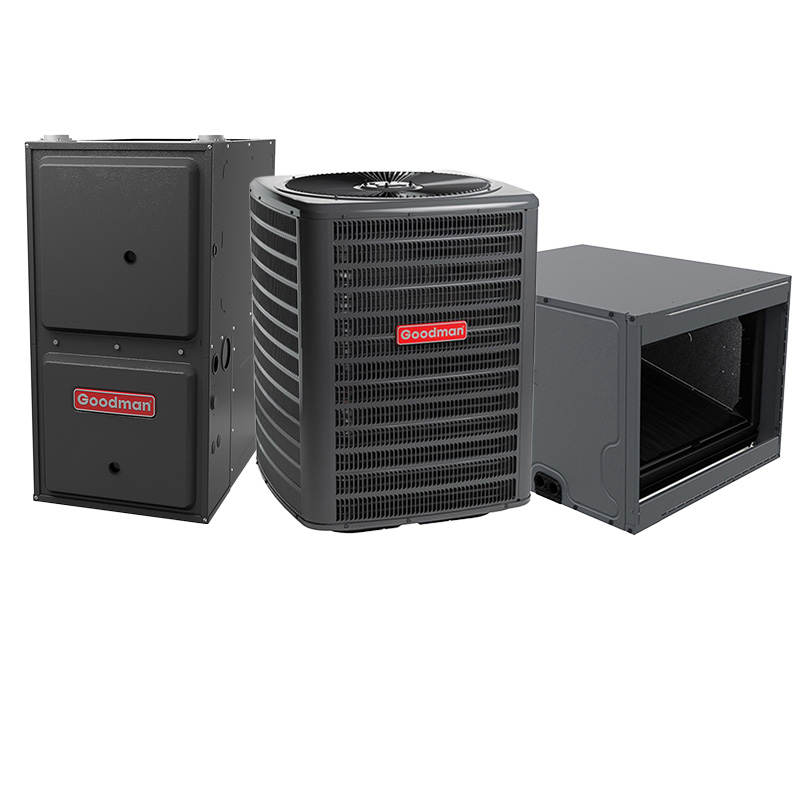
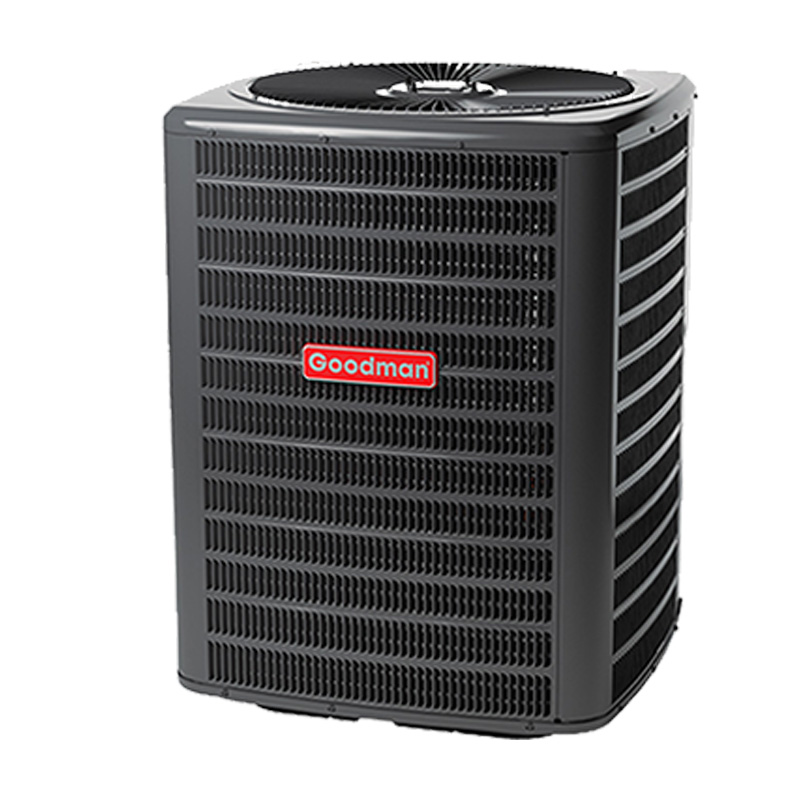
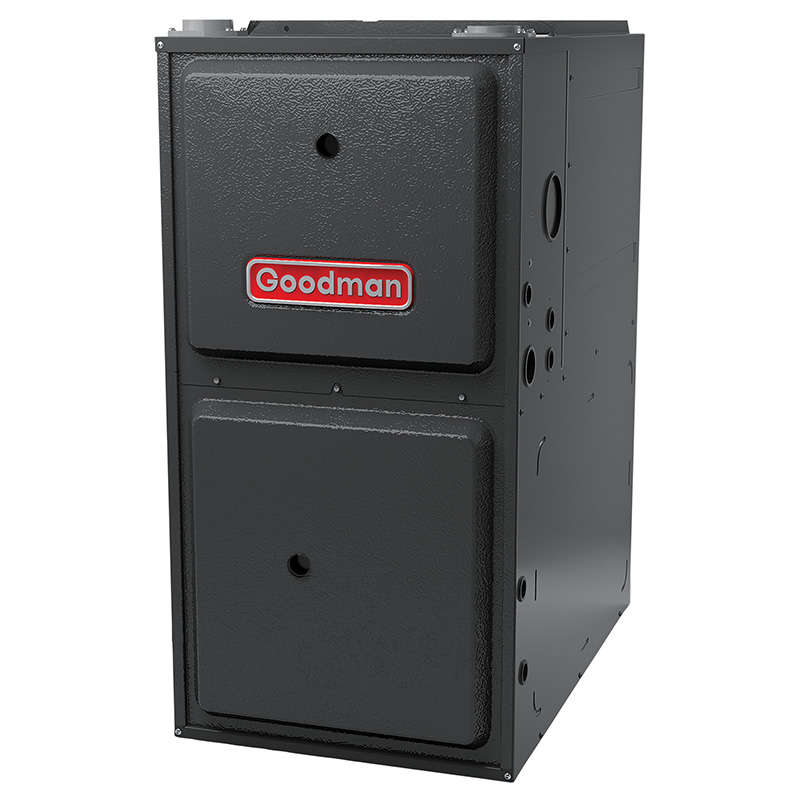
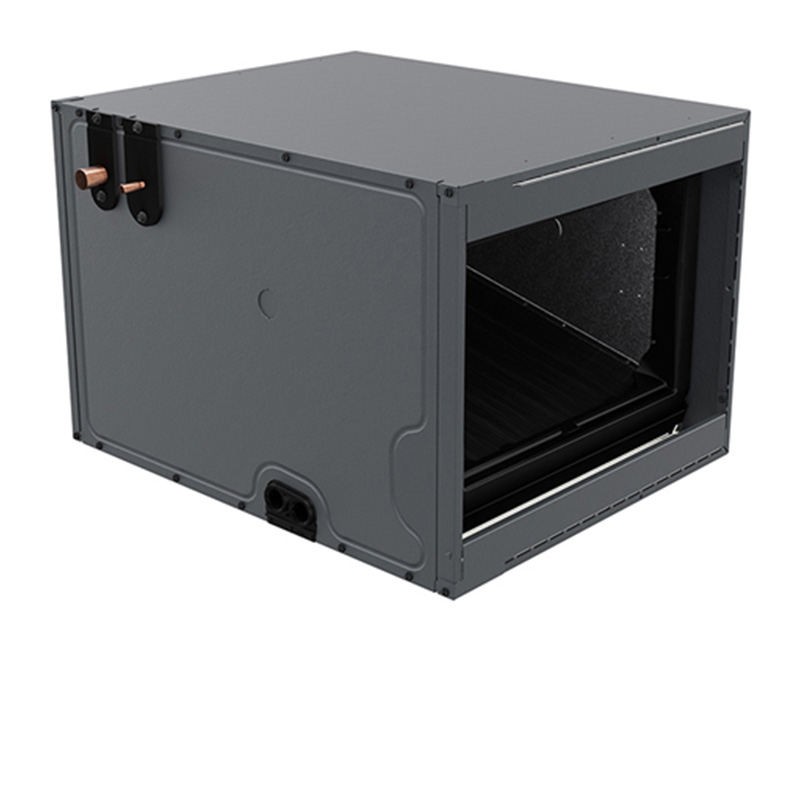
Goodman R32 2.5 Ton 14 SEER2 60000 BTU 80% Two Stage 9-Speed ECM Gas Furnace and Air Conditioner System – Horizontal
View on AC Direct see your lowest price →Check current price on AC Direct →
Key features
- 2.5-ton cooling capacity with 14 SEER2 efficiency rating
- 60,000 BTU two-stage gas furnace at 80% AFUE
- Nine-speed ECM variable-speed blower motor for quieter, even airflow
- R-32 refrigerant, a lower-GWP alternative to R-410A
- Horizontal configuration designed for attic or crawlspace installations
- Factory-matched system eligible for Goodman's 10-year parts limited warranty with registration
About this system
This Goodman bundle pairs a 2.5-ton, 14 SEER2 R-32 air conditioner with a 60,000 BTU, 80% AFUE two-stage gas furnace in a horizontal configuration, making it a practical choice for attic or crawlspace installations where vertical clearance is limited. The 14 SEER2 rating sits at the current federal minimum efficiency floor for most U.S. climate zones, so it will satisfy code requirements but will not deliver the operating-cost savings of higher-tier systems. R-32 refrigerant is a lower-global-warming-potential alternative to older R-410A, which is being phased out, so this system is reasonably future-proofed on the refrigerant side.
The two-stage furnace and nine-speed ECM blower motor are the most compelling parts of this package. Two-stage heating means the furnace can run on a lower fire capacity most of the time, reducing temperature swings and cycling noise compared to a single-stage unit. The ECM motor is significantly more efficient than a standard PSC blower and helps even out airflow across the duct system. Together, these features punch above what the base SEER2 number might suggest in terms of day-to-day comfort. This system suits a mid-sized home, roughly 1,200 to 1,800 square feet depending on climate and insulation, where budget matters more than long-term operating efficiency.
Horizontal orientation adds installation complexity. The coil cabinet, furnace, and line set routing all need careful attention in tight attic or utility spaces, and Goodman’s own performance record shows it is especially sensitive to install quality. Buyers who pair this equipment with a licensed, experienced contractor will get meaningfully better results than those who choose the lowest-bid installer.
This Goodman bundle delivers solid comfort features, specifically the two-stage furnace and ECM blower, at a price point that is realistically 15 to 25 percent below comparable Carrier, Trane, or Lennox systems. At 14 SEER2, efficiency is baseline rather than impressive, and the brand's documented track record of capacitor failures, coil leaks, and compressors that average shorter lifespans than premium competitors means long-term costs can chip away at the upfront savings. It is a reasonable buy when installed by a skilled technician, but not a set-and-forget system.
Overall score is the average of the five ratings above.
What we like
- Two-stage furnace reduces temperature swings and lowers operating noise compared to single-stage alternatives
- Nine-speed ECM blower improves comfort and reduces electricity use for air distribution
- R-32 refrigerant is more environmentally responsible and avoids the R-410A phase-out
- Horizontal configuration supports attic and crawlspace installs where other orientations will not fit
- Factory-matched bundle simplifies equipment selection and warranty coverage
Trade-offs
- 14 SEER2 is the federal minimum, so ongoing utility bills will be higher than with 16 SEER2 or above options
- Dual-run capacitors are the most commonly reported failure point, typically requiring a repair visit around years 5 to 10
- Compressor lifespan averages 10 to 14 years, shorter than the 15 to 20 years reported for premium brands
- Horizontal installs increase labor time and cost, and tighter spaces leave less room to correct a poor initial setup
What homeowners and pros say about Goodman
Homeowners discussing Goodman equipment tend to split into two camps: those who got a solid install and report few problems for the first several years, and those who ran into repair costs sooner than expected. On ConsumerAffairs, Goodman scores around 2.5 out of 5, a number shaped heavily by the platform’s complaint-driven audience, where the recurring theme is repair bills climbing after roughly year seven. Google dealer reviews paint a more balanced picture, averaging around 3.8 out of 5 across hundreds of reviews per location, with affordability cited most often as the reason buyers chose the brand. Neither figure is something to dismiss or to treat as the whole story.
HVAC technicians who work on Goodman equipment regularly point to dual-run capacitor failures as the most predictable maintenance event, a repair that is relatively inexpensive in the 300 to 600 dollar range but annoying to encounter more than once. Evaporator coil leaks show up in a notable share of owner accounts, and compressors on Goodman systems tend to average 10 to 14 years of service, which is shorter than the 15 to 20 years reported for premium-brand compressors. A smaller number of owners have reported refrigerant leaks in the first year, which technicians typically attribute to installation or initial charge issues rather than the equipment itself. The consistent professional takeaway is that install quality matters more with Goodman than it does with higher-tolerance premium equipment, which makes contractor selection as important as the purchase decision itself for this particular system.
Sources: ConsumerAffairs Goodman owner reviews, AHRI Directory of Certified Product Performance, U.S. DOE appliance and equipment efficiency standards, Goodman product specification sheets.
What it costs to run
At 14 SEER2, cooling this 2.5-ton system for a typical 1200-hour cooling season at the U.S. average electricity rate of $0.17/kWh works out to roughly $437 per year in cooling, about $20 less per year than a minimum-efficiency 13.4 SEER2 unit of the same size. Your real cost depends on your climate and local rate.
Method: (30,000 BTU/hr ÷ 14 SEER2) × 1200 hours ÷ 1000 × $0.17/kWh. Rate source: U.S. EIA average; cooling hours: moderate-climate estimate.
How it compares
| Brand | Comparable model | SEER2 | Stage | Price position |
|---|---|---|---|---|
| Goodman | R-32 2.5 Ton 14 SEER2 Two-Stage / 80% Two-Stage 9-Speed ECM Horizontal Bundle | 14 | Two-stage | Value pick |
| Carrier | Performance 14 (24ACC6) with 80% FE4A Air Handler Coil Bundle | 14 | Single-stage | Moderately higher than Goodman, typically 15 to 20 percent more |
| Trane | XR14c with S8B1 80% Two-Stage Furnace Bundle | 14 | Two-stage | Higher than Goodman, typically 20 to 25 percent more |
| Lennox | Merit ML14XC1 with ML180UH 80% Two-Stage Furnace Bundle | 14 | Two-stage | Higher than Goodman, typically 20 to 25 percent more |
Competitor rows are comparable single-stage units at similar efficiency; price is relative position, not a quote.
Questions about this system
Why is this system listed as horizontal, and can it be installed in a standard vertical closet?
Horizontal orientation means the air handler and furnace are designed to lie on their side, typically in an attic or crawlspace. Installing a horizontal-configured unit in a vertical application is generally not recommended and may void warranty coverage, so confirm your space orientation before purchasing.
Does the 80% AFUE furnace meet efficiency requirements in my area?
DOE regional rules require 90% AFUE or higher for new gas furnace installations in most northern U.S. states. An 80% unit may not be code-compliant for your climate zone, so check local requirements or ask your installer before ordering.
How does R-32 refrigerant affect service and maintenance costs?
R-32 is a single-component refrigerant, which makes recharging simpler than blended refrigerants and generally keeps service costs comparable to R-410A. Technician certification for R-32 handling is required, and most HVAC companies working on newer equipment are already equipped for it.
What should I know about Goodman's 10-year warranty on this system?
The 10-year limited parts warranty requires product registration within 60 days of installation. Labor is not covered, which is a meaningful cost gap since a compressor replacement, for example, can run several hundred dollars in parts but over a thousand dollars total once labor is included.
How often do dual-run capacitors fail on Goodman systems, and what does it cost to fix?
Capacitor failure is the most frequently reported repair issue with Goodman equipment, and many owners encounter it somewhere in the 5 to 10 year range. The repair itself is typically straightforward for a qualified tech, with total costs usually falling in the 300 to 600 dollar range depending on your market and the contractor's rates.
Specifications
| Cooling capacity | 2.5 Ton |
| Efficiency | 14 SEER2 |
| Furnace output | 60000 BTU |
| Configuration | Horizontal |
| Refrigerant | R-32 |