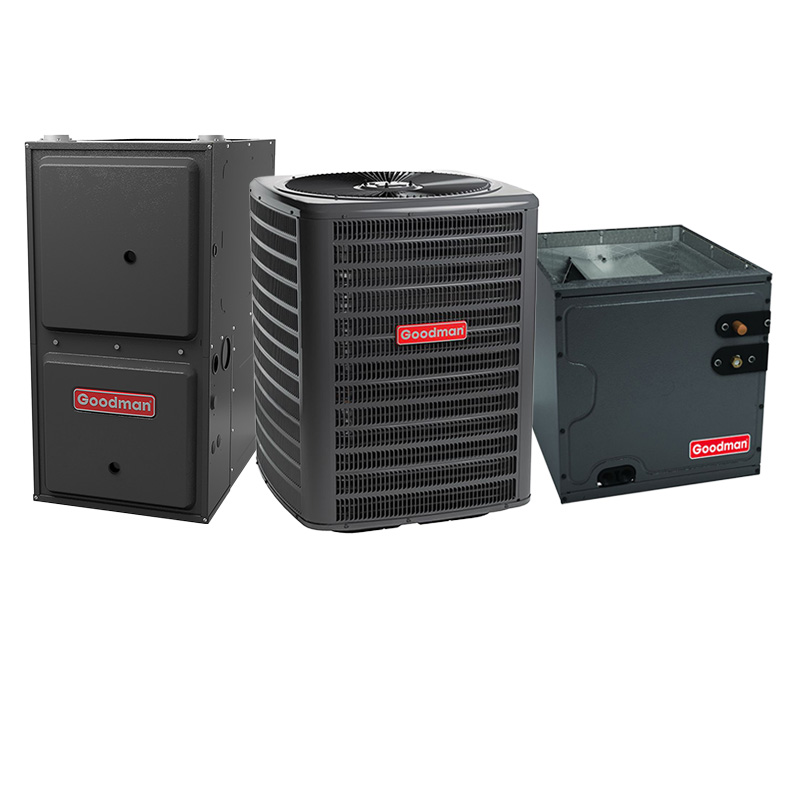
Goodman R32 2.5 Ton 14 SEER2 60000 BTU 80% Two Stage 9-Speed ECM Gas Furnace and Air Conditioner System – Upflow
View on AC Direct see your lowest price →Check current price on AC Direct →
Key features
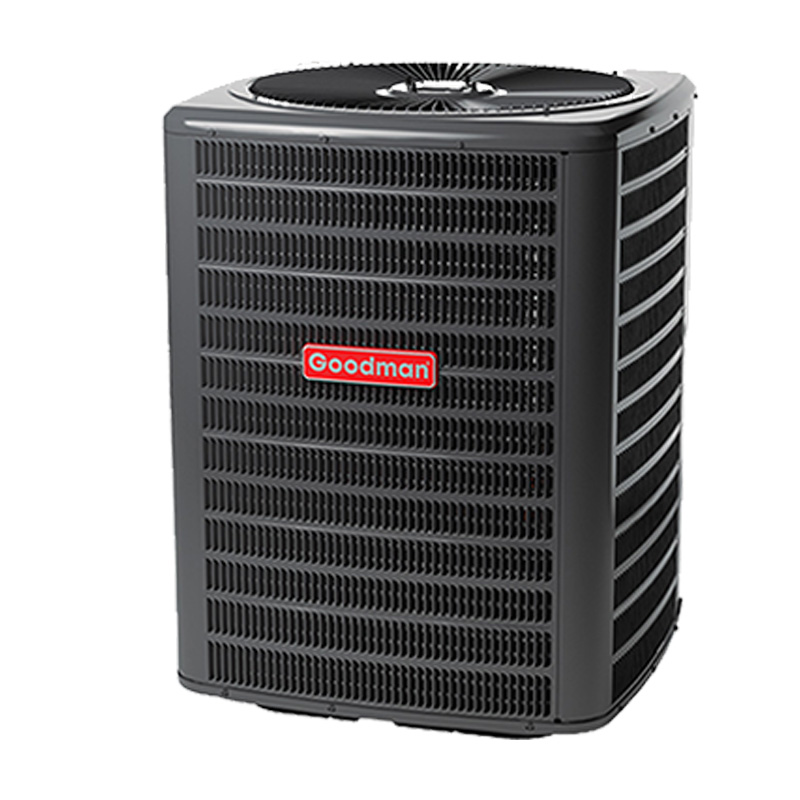
- 2.5-ton R-32 air conditioner rated at 14 SEER2 efficiency
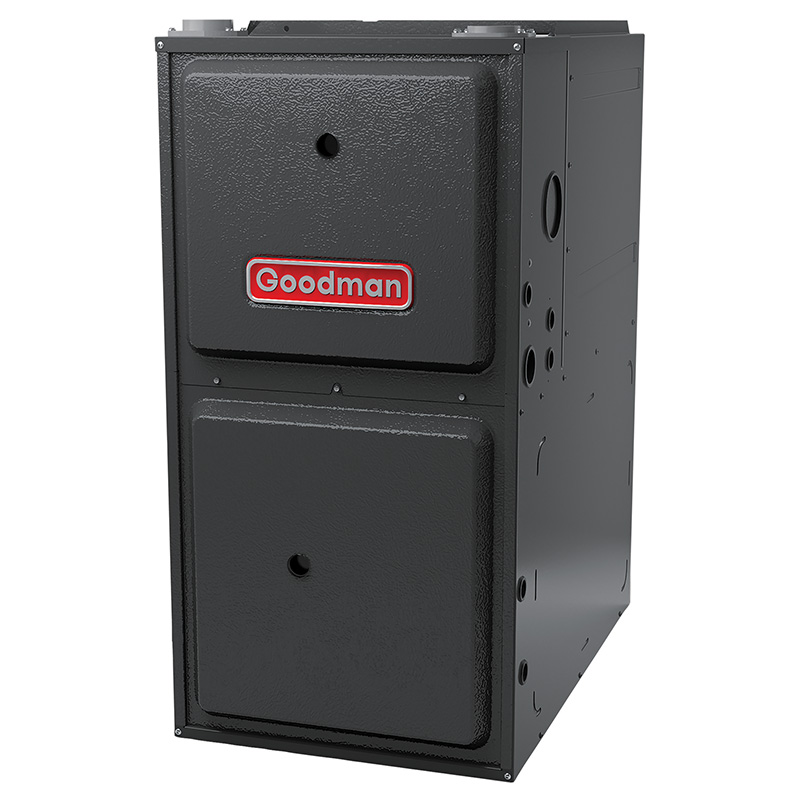
- 60,000 BTU two-stage gas furnace at 80% AFUE
- Nine-speed ECM blower motor for lower electrical draw and gradual airflow ramp-up
- Upflow configuration for basement or utility-closet installations with overhead ductwork
- R-32 refrigerant with lower global warming potential than R-410A
- Two-stage heating reduces short-cycling and moderates temperature swings on mild days
About this system
This Goodman bundle pairs a 2.5-ton, 14 SEER2 R-32 air conditioner with a 60,000 BTU 80% AFUE two-stage gas furnace in an upflow configuration, making it a practical match for single-story homes and homes with basement or crawlspace mechanical rooms roughly in the 1,200 to 1,800 square foot range, depending on local climate and insulation. The two-stage furnace runs at a lower firing rate on mild days, which smooths out temperature swings and can noticeably reduce short-cycling compared with single-stage equipment. The nine-speed ECM blower adds another layer of comfort by ramping airflow gradually rather than blasting on at full speed, and it draws significantly less electricity than a standard PSC motor in the process.
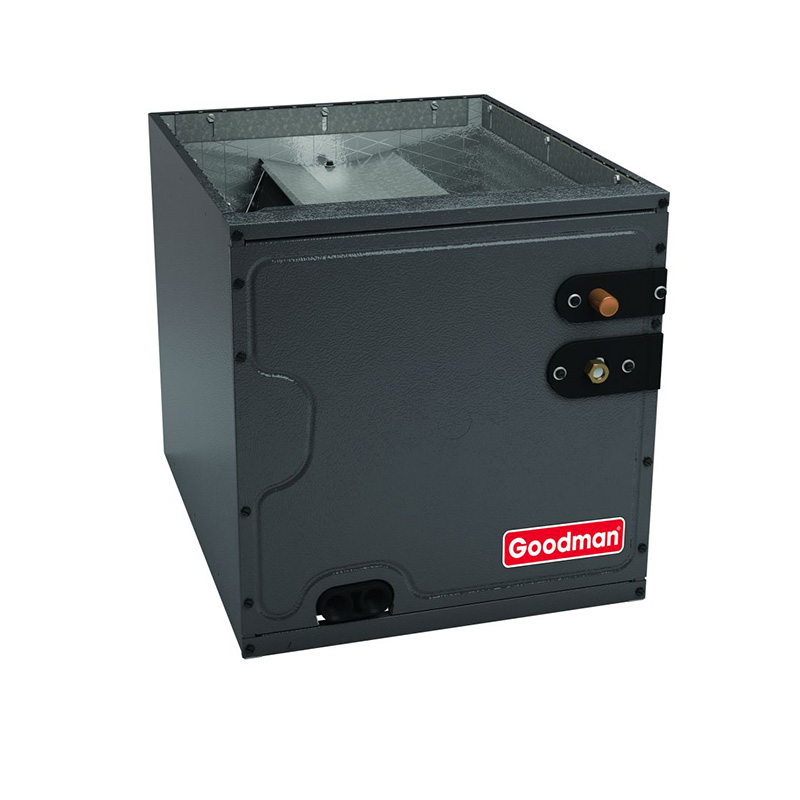
On the cooling side, 14 SEER2 sits right at the federal minimum efficiency threshold for most northern U.S. climates, so buyers in southern states should verify local minimums before ordering. R-32 refrigerant is the newer, lower-global-warming-potential alternative to R-410A, and while it is becoming more common, not every technician carries it yet, so confirming your installer is comfortable handling R-32 before scheduling service is worth doing. Upflow configuration means conditioned air exits from the top of the air handler, which is the standard arrangement when the system sits in a basement or utility closet with ductwork running overhead. Homeowners who need counterflow, horizontal, or heat-pump configurations will need a different system.
This package suits cost-conscious buyers who want a meaningful comfort upgrade over single-stage equipment without the price tag of a premium variable-capacity system. It is not the last word in efficiency or longevity, but for households prioritizing upfront budget and straightforward replacement of existing forced-air equipment, it covers the core bases adequately when installed correctly by a qualified technician.
This Goodman bundle delivers honest value for homeowners replacing aging single-stage equipment on a firm budget, and the two-stage furnace plus ECM blower are genuine comfort improvements over bare-minimum systems at a similar price. However, Goodman's documented mid-life repair costs, shorter average compressor lifespan, and install-dependent reliability mean buyers should budget for maintenance, vet their installer carefully, and not expect the same longevity they might get from a premium brand. At 14 SEER2, efficiency is entry-level, so higher-cooling-load climates may find the savings on premium efficiency worth the extra upfront cost.
Overall score is the average of the five ratings above.
What we like
- Priced roughly 15 to 25 percent below comparable Trane, Lennox, and Carrier systems, reducing upfront cost
- Two-stage gas valve moderates temperature swings and cuts short-cycling better than single-stage alternatives
- Nine-speed ECM blower draws considerably less electricity than a standard PSC motor
- R-32 refrigerant has a lower environmental footprint than R-410A
- Upflow design is a straightforward drop-in replacement for the most common forced-air duct layout
Trade-offs
- Dual-run capacitors are the most commonly reported failure point, typically appearing mid-life and costing $300 to $600 to fix
- Evaporator coil leaks appear in a meaningful share of owner reviews, which can be a costly mid-term repair
- Compressors tend to average 10 to 14 years versus 15 to 20 for premium brands, shortening the likely replacement cycle
- 14 SEER2 is the federal minimum in many regions, leaving efficiency gains on the table compared with higher-tier options
What homeowners and pros say about Goodman
Homeowners discussing Goodman online tend to land in two camps. Those who had a careful installation and kept up with annual maintenance often describe years of uneventful operation and point to the lower purchase price as a genuine win. Those who ran into trouble frequently mention repair bills arriving around year seven or eight, which aligns with the recurring theme on ConsumerAffairs, where Goodman holds roughly 2.5 out of 5 stars on a channel that skews toward people motivated enough by frustration to leave a review. The specific failures that come up most are dual-run capacitor replacements, which are relatively affordable at $300 to $600, and evaporator coil leaks, which are considerably more disruptive and expensive to address. A smaller but notable share of owners report refrigerant leaks in the first year, and technicians generally attribute those to charge errors or flare connections made at installation rather than defective equipment from the factory.
HVAC professionals tend to describe Goodman as install-dependent more than almost any other brand, meaning the gap between a well-installed Goodman and a poorly installed one is larger than it would be with a more tightly toleranced premium system. Google dealer reviews for Goodman-selling shops average around 3.8 out of 5 across hundreds of reviews per location, with affordability cited as the most consistent positive and callbacks for refrigerant issues cited as the most consistent negative. For this particular system, the two-stage furnace and ECM blower are genuine upgrades over the bare-minimum single-stage equipment Goodman also sells, and they are likely to make daily comfort noticeably better. The honest caveat remains compressor longevity: averaging 10 to 14 years puts a likely replacement event closer on the horizon than the 15 to 20 years buyers might hope for from a premium brand, and that eventual cost should factor into any true total-ownership comparison.
Sources: ConsumerAffairs Goodman owner reviews, AHRI Directory of Certified Product Performance, U.S. DOE appliance and equipment efficiency standards, Goodman product specification sheets.
What it costs to run
At 14 SEER2, cooling this 2.5-ton system for a typical 1200-hour cooling season at the U.S. average electricity rate of $0.17/kWh works out to roughly $437 per year in cooling, about $20 less per year than a minimum-efficiency 13.4 SEER2 unit of the same size. Your real cost depends on your climate and local rate.
Method: (30,000 BTU/hr ÷ 14 SEER2) × 1200 hours ÷ 1000 × $0.17/kWh. Rate source: U.S. EIA average; cooling hours: moderate-climate estimate.
How it compares
| Brand | Comparable model | SEER2 | Stage | Price position |
|---|---|---|---|---|
| Goodman | R-32 2.5-Ton 14 SEER2 Two-Stage + 60K BTU 80% AFUE Two-Stage ECM Furnace (This System) | 14 | Two-stage | Value pick |
| Carrier | Performance 14 Series (24PAA / 58TP) | 14 | Single-stage | Typically 15 to 25 percent more than this Goodman bundle |
| Trane | XR14 / S9X1 80% AFUE Series | 14 | Single-stage | Typically 15 to 25 percent more than this Goodman bundle |
| Lennox | Merit 14 Series (ML14 / ML180) | 14 | Single-stage | Typically 15 to 25 percent more than this Goodman bundle |
Competitor rows are comparable single-stage units at similar efficiency; price is relative position, not a quote.
Questions about this system
Is 14 SEER2 efficient enough, or should I pay more for a higher-rated system?
14 SEER2 meets the federal minimum for northern states and is adequate if you cool your home for only a few months a year. In warmer climates where the compressor runs heavily from spring through fall, a 16 or 18 SEER2 unit can pay back the added cost through lower utility bills over time. Run a rough payback calculation based on your local electricity rate and average cooling hours before deciding.
My technician has not worked with R-32 refrigerant before. Is that a problem?
R-32 requires specific recovery equipment and handling procedures different from R-410A, so a technician unfamiliar with it is a real consideration. Ask your installer directly whether they are equipped and trained for R-32 before signing a contract, because improper handling during the initial charge is one of the documented causes of first-year refrigerant leaks in systems like this.
What is the most likely repair I should budget for after the warranty period?
Dual-run capacitors are the most frequently reported failure on Goodman systems and typically cost $300 to $600 to replace, parts and labor included. Evaporator coil leaks are also documented in a meaningful share of owner reviews and are more expensive. Setting aside a modest annual maintenance fund and having a technician check capacitor condition during yearly tune-ups can catch the capacitor issue before it becomes an emergency call.
Does the two-stage furnace actually make a noticeable comfort difference compared with single-stage?
For most homeowners, yes. The furnace spends the majority of its run time at the lower firing stage on days that are not extremely cold, which means longer, steadier heat cycles instead of short blasts of hot air. Combined with the nine-speed ECM blower, the result is more even room temperatures and less abrupt airflow compared with a basic single-stage setup.
How long should I realistically expect this system to last?
Goodman compressors average roughly 10 to 14 years based on documented owner experience, which is shorter than the 15 to 20 years typically cited for premium brands. The furnace heat exchanger and overall system can outlast the compressor if maintained properly, but plan for a possible compressor replacement or full system changeout somewhere in the 12 to 15 year window rather than assuming a 20-year lifespan.
Specifications
| Cooling capacity | 2.5 Ton |
| Efficiency | 14 SEER2 |
| Furnace output | 60000 BTU |
| Configuration | Upflow |
| Refrigerant | R-32 |