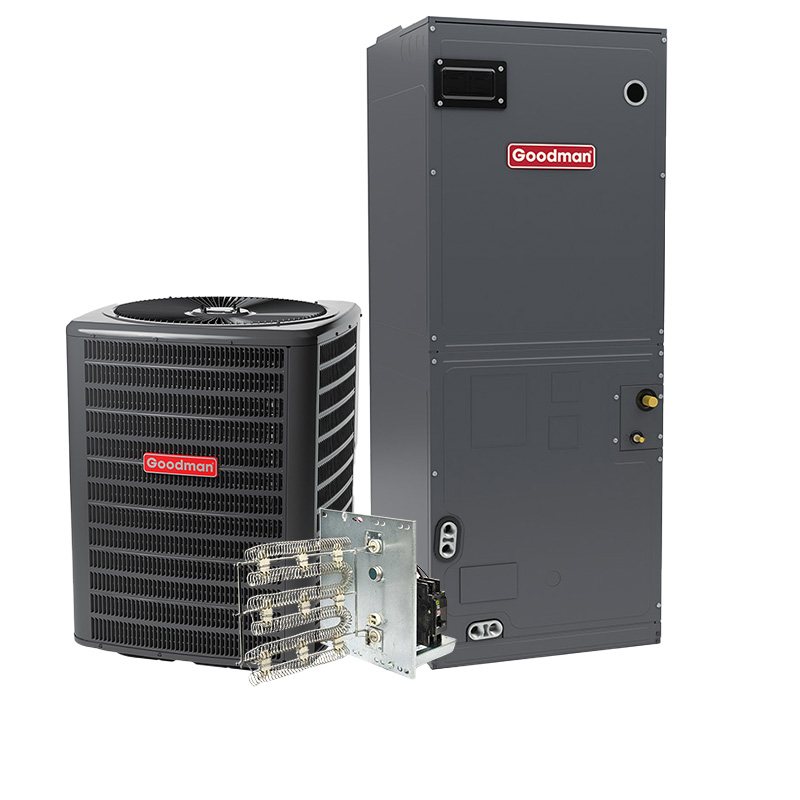
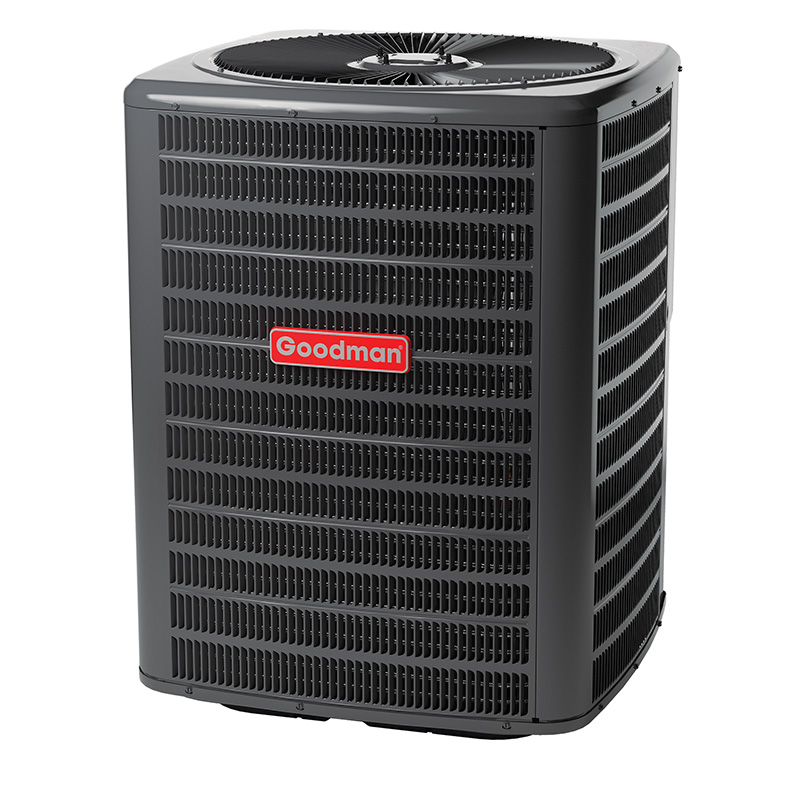
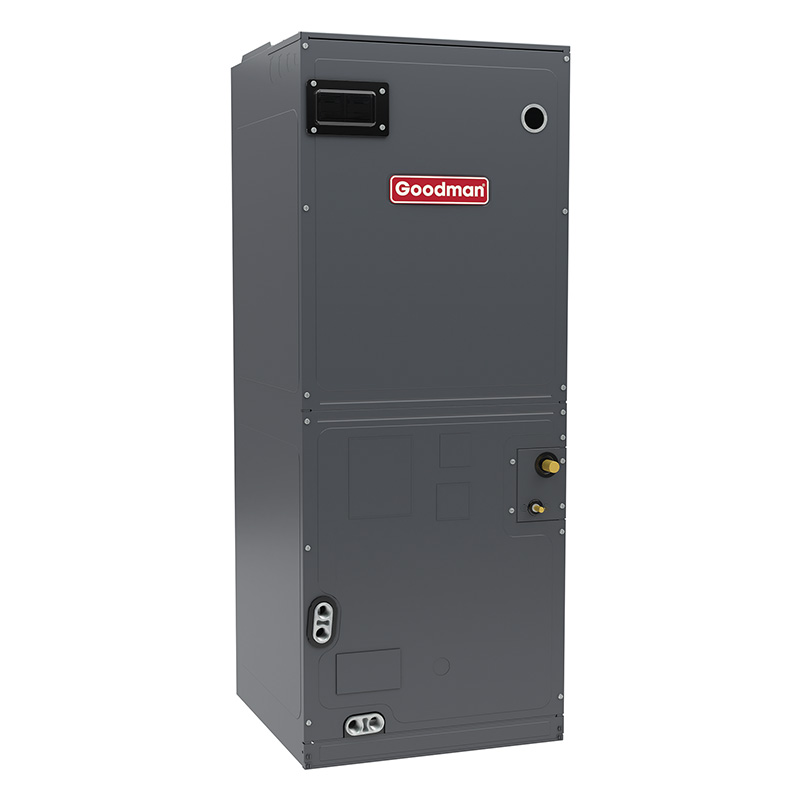
Goodman R32 2.5 Ton 15.2 SEER2 Air Conditioning System With Electric Heat
View on AC Direct see your lowest price →Check current price on AC Direct →
Key features
- 2.5-ton capacity suited for roughly 1,200 to 1,600 sq ft depending on load calculation
- 15.2 SEER2 efficiency rating meets current federal minimums with modest headroom
- R-32 refrigerant with approximately one-third the global warming potential of R-410A
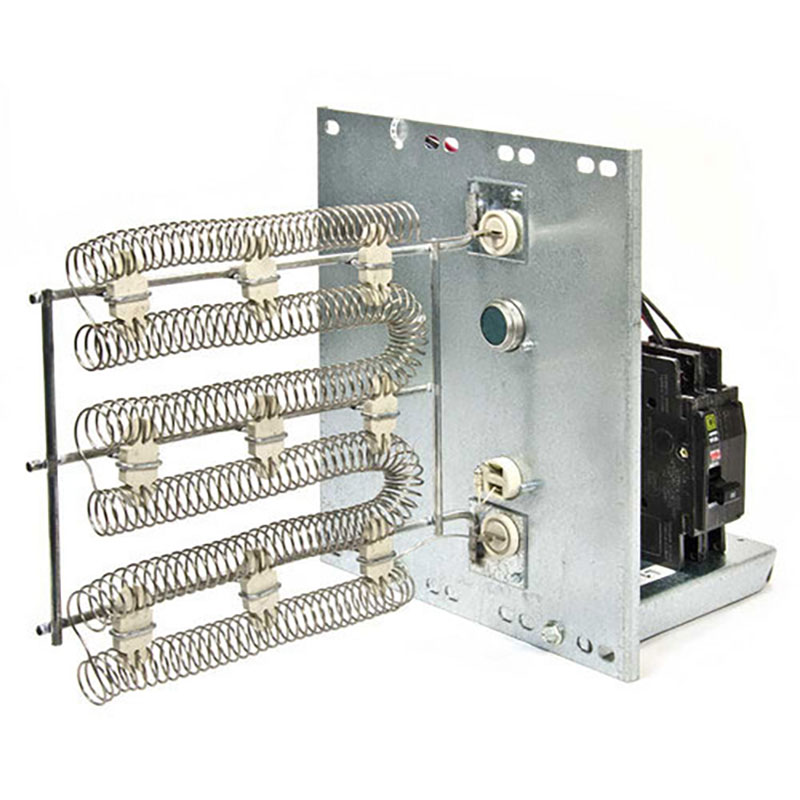
- Integrated electric heat strips eliminate the need for a separate furnace or heat pump
- Single-stage compressor operation for straightforward installation and lower upfront cost
- Priced approximately 15 to 25 percent below comparable Carrier, Trane, and Lennox units
About this system
The Goodman R-32 2.5-ton 15.2 SEER2 air conditioning system with electric heat is a straightforward, single-stage cooling solution sized for homes in roughly the 1,200 to 1,600 square foot range, depending on climate, insulation, and sun exposure. At 15.2 SEER2, it clears the federal minimum efficiency threshold for most U.S. regions by a modest margin, meaning you get compliant performance without paying for the stepped-up efficiency tiers that two-stage or variable-speed compressors command. The electric heat component makes this a self-contained comfort system for homes without natural gas service or where a heat pump is not the right fit.
The shift to R-32 refrigerant is a meaningful environmental upgrade over older R-410A systems. R-32 has roughly one-third the global warming potential of R-410A, and because it operates at slightly different pressures, not every contractor is set up to work with it yet. That is worth asking your installer about before signing a contract. R-32 is also mildly flammable, which requires specific handling procedures, though this is managed at the equipment level and is not a practical concern for homeowners. If you are replacing an R-410A system, the line set and components will need to be compatible or replaced as well.
This system suits budget-conscious homeowners who want a new, code-compliant unit without stretching into premium brand territory, and who either plan to stay on top of maintenance or have a reliable service relationship with a local HVAC contractor. It is not the right pick for buyers prioritizing the lowest possible utility bills or the longest possible compressor life without intervention.
The Goodman R-32 2.5-ton 15.2 SEER2 system delivers honest entry-level performance at a price point that is genuinely lower than premium alternatives, making it a reasonable choice for cost-focused buyers who understand what they are trading away. Efficiency is adequate rather than impressive, and long-term reliability depends heavily on installation quality and annual maintenance. Buyers who want peace of mind over a decade-plus horizon should weigh the documented compressor lifespan gap against the upfront savings.
Overall score is the average of the five ratings above.
What we like
- Upfront cost is 15 to 25 percent below comparable Carrier, Trane, and Lennox systems
- R-32 refrigerant is a genuine environmental improvement over R-410A with better long-term serviceability outlook
- Simple single-stage design means fewer components that can fail and easier diagnosis when issues arise
- Electric heat integration reduces system complexity compared to adding a separate appliance
- Parts are widely stocked at HVAC distributors, so repair wait times are typically short
Trade-offs
- Compressor lifespan averages 10 to 14 years versus 15 to 20 years for premium brands, meaning earlier replacement costs are realistic
- Dual-run capacitors are the most commonly reported failure point, typically adding a repair bill of $300 to $600 around the mid-life mark
- Evaporator coil leaks appear in a meaningful share of owner reviews and can be costly to address outside of warranty
- A minority of owners report refrigerant leaks within the first year, which points to install or initial charge issues rather than a product defect but underscores how much rides on contractor quality
What homeowners and pros say about Goodman
Homeowners discussing Goodman equipment online tend to split into two camps: those who had a smooth installation and years of uneventful service, and those who ran into repair bills and frustration after the seven-year mark. That pattern is consistent with the brand’s ConsumerAffairs score of roughly 2.5 out of 5, a channel that skews toward complaints but where the recurring theme is repair costs rising in the back half of a unit’s life. Google dealer reviews tell a more balanced story, averaging around 3.8 out of 5 across locations where affordability is the praise heard most often. For this specific R-32 system, early-adopter buyers should note that fewer local technicians have hands-on R-32 experience yet, which can affect how quickly a service call gets resolved.
HVAC professionals who work with Goodman regularly tend to say the same thing: the equipment is acceptable for the price, but installation quality determines almost everything about how it performs and how long it lasts. The dual-run capacitor is the component they replace most often on Goodman units, a relatively minor job at $300 to $600, but one that seems to come up with some regularity in the middle years. Evaporator coil leaks are a more serious documented failure mode that shows up across owner reviews and can mean a significant repair bill if it falls outside the warranty window. Compressor longevity averaging 10 to 14 years is a real trade-off compared to the 15 to 20 years documented for premium brands, and professionals will typically flag this when a homeowner is deciding between Goodman and a step-up brand. For buyers whose priority is keeping the initial outlay down, that trade-off can make sense. For buyers who want to install once and largely forget about it for 18 years, the math points elsewhere.
Sources: ConsumerAffairs Goodman owner reviews, AHRI Directory of Certified Product Performance, U.S. DOE appliance and equipment efficiency standards, Goodman product specification sheets.
What it costs to run
At 15.2 SEER2, cooling this 2.5-ton system for a typical 1200-hour cooling season at the U.S. average electricity rate of $0.17/kWh works out to roughly $403 per year in cooling, about $54 less per year than a minimum-efficiency 13.4 SEER2 unit of the same size. Your real cost depends on your climate and local rate.
Method: (30,000 BTU/hr ÷ 15.2 SEER2) × 1200 hours ÷ 1000 × $0.17/kWh. Rate source: U.S. EIA average; cooling hours: moderate-climate estimate.
How it compares
| Brand | Comparable model | SEER2 | Stage | Price position |
|---|---|---|---|---|
| Goodman | R-32 2.5 Ton 15.2 SEER2 with Electric Heat | 15.2 | Single-stage | Value pick |
| Carrier | Comfort 24ACC6 Series | 15.2 | Single-stage | Typically 15 to 25 percent more than Goodman |
| Trane | XR15 Series | 15.0 to 16.0 | Single-stage | Typically 15 to 25 percent more than Goodman |
| Lennox | Merit ML15XC1 Series | 15.2 | Single-stage | Typically 15 to 25 percent more than Goodman |
Competitor rows are comparable single-stage units at similar efficiency; price is relative position, not a quote.
Questions about this system
Is R-32 refrigerant going to be easy to get serviced in my area?
R-32 is increasingly common but not yet as universally stocked as R-410A. Before purchasing, confirm with your installer that they carry R-32 and have technicians certified to handle it. As older R-410A equipment phases out, R-32 availability will improve, but in rural areas you may encounter a shorter list of contractors today.
What does the electric heat portion of this system actually do, and how expensive is it to run?
Electric heat strips provide resistance heating as a primary or backup heat source, similar in function to a large electric space heater built into the air handler. They are reliable and simple but less efficient than a heat pump in moderate climates, which means higher heating season electricity bills compared to a heat pump system. In climates with mild winters they are a practical choice; in colder regions the operating cost difference becomes significant.
How much does the capacitor failure issue actually cost if it happens?
Dual-run capacitors are the most frequently reported component failure on Goodman equipment, and a capacitor replacement typically runs $300 to $600 for parts and labor combined. It is a relatively quick repair and does not usually require extended downtime, but it is worth setting aside a small maintenance reserve if you are budgeting ownership costs over the full equipment life.
Will my existing R-410A line set work with this R-32 system?
In many cases, copper line sets can be reused with R-32, but the existing lines must be thoroughly flushed and inspected because any residual R-410A oil is incompatible with the lubricants used in R-32 systems. Your installer should assess the line set condition and diameter against the manufacturer's specifications before deciding to reuse or replace it.
What warranty does this Goodman system carry, and are there any conditions I need to meet?
Goodman typically offers a 10-year parts warranty when the unit is registered within a specified window after installation, dropping to a shorter period if registration is missed. The warranty generally requires installation by a licensed contractor and does not cover labor costs, so out-of-pocket repair expenses after the first year still include technician time. Check the specific documentation included with your unit for exact terms, as coverage details can vary by product generation.
Specifications
| Cooling capacity | 2.5 Ton |
| Efficiency | 15.2 SEER2 |
| Refrigerant | R-32 |