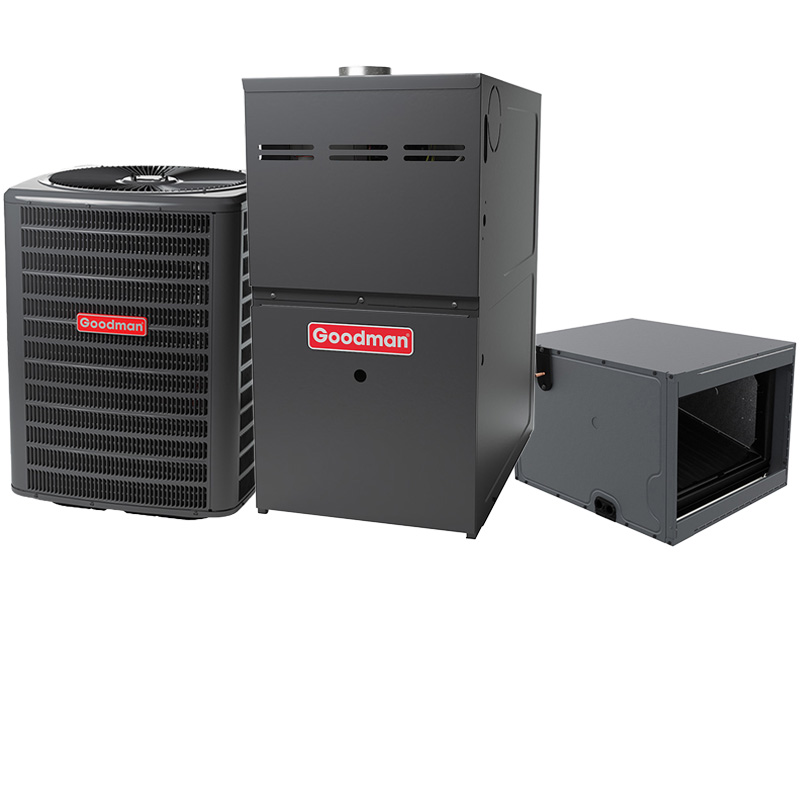
Goodman R32 2 Ton 14.5 SEER2 60000 BTU 80% Multi-Speed ECM Gas Furnace and Air Conditioner System – Horizontal
View on AC Direct see your lowest price →Check current price on AC Direct →
Key features
- Horizontal configuration designed for attic, crawlspace, or side-load installations
- 14.5 SEER2 cooling efficiency meets current federal minimum standards
- R-32 refrigerant with lower global warming potential than R-410A
- Multi-speed ECM blower motor for quieter, more consistent airflow
- 60,000 BTU output at 80% AFUE for mid-tier heating efficiency
- Goodman factory warranty covers compressor, parts, and heat exchanger (registration required)
About this system
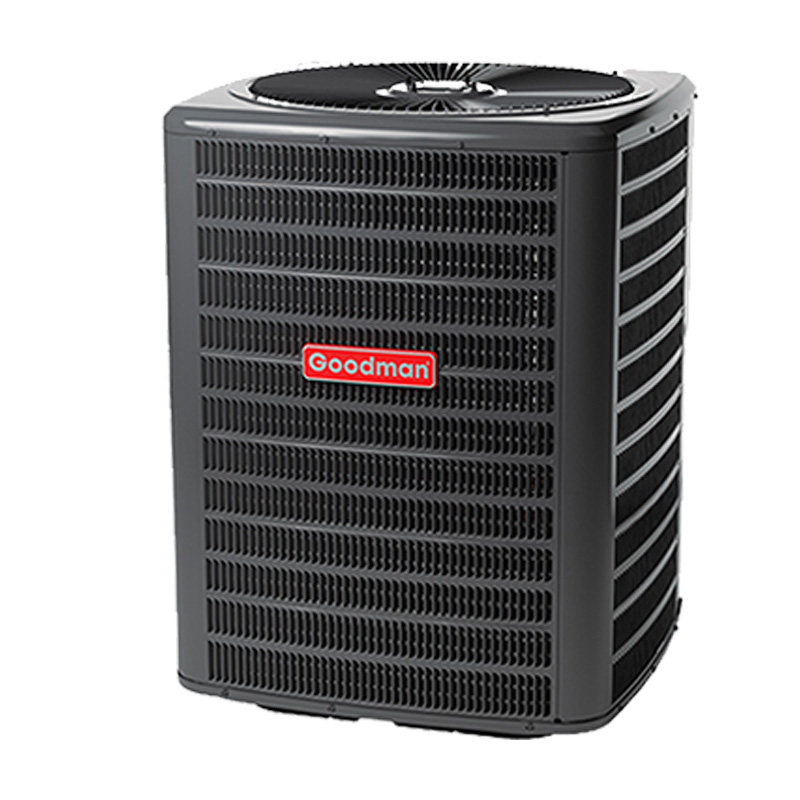
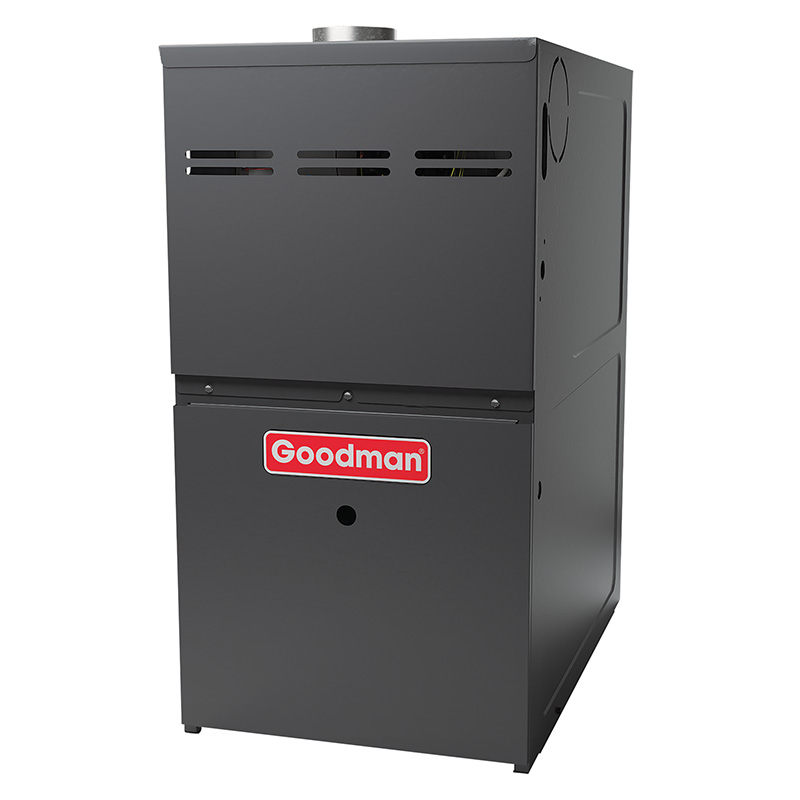
This Goodman horizontal system pairs a 2-ton, 14.5 SEER2 air conditioner running on R-32 refrigerant with a 60,000 BTU, 80% AFUE multi-speed ECM gas furnace in a horizontal configuration. The horizontal layout is purpose-built for attic installations, crawlspace setups, and any application where floor or closet space is tight. R-32 is a lower-GWP refrigerant that is increasingly common as the industry moves away from R-410A, and sourcing it for future service calls should become straightforward as adoption spreads.
At 14.5 SEER2, this system sits right at the federal minimum efficiency threshold for most of the country, meaning it will keep your home comfortable without the added cost of a premium-efficiency unit. The multi-speed ECM blower motor is a meaningful upgrade over a single-speed PSC motor: it ramps airflow up and down to match demand, which translates to quieter operation, more even temperatures, and modestly better dehumidification compared to a fixed-speed unit. The 80% AFUE furnace is honest mid-tier heating efficiency; 20 cents of every dollar in gas goes up the flue, so households in very cold climates may want to weigh whether a 96% AFUE unit pays back over time. This bundle targets homeowners replacing aging equipment on a defined budget who need a horizontal-fit system and do not want to overpay for brand prestige.
This Goodman horizontal bundle delivers a functional, code-compliant system at a price point noticeably below Carrier, Trane, and Lennox equivalents, making it a realistic choice for budget-conscious replacement projects. The ECM motor and R-32 refrigerant are genuine advantages at this price tier, but the brand's real-world track record shows a meaningful uptick in repair costs after year seven and documented failure modes worth budgeting for. Buyers who invest in a quality installation and keep up with maintenance will get more out of this equipment than those who treat it as fully set-and-forget.
Overall score is the average of the five ratings above.
What we like
- Price point runs roughly 15 to 25 percent below comparable Trane, Carrier, and Lennox systems
- Multi-speed ECM motor improves comfort and dehumidification over single-speed alternatives
- R-32 refrigerant is lower-GWP and increasingly serviceable as technician familiarity grows
- Horizontal configuration fills a specific installation need many standard units cannot
- Factory warranty is competitive for the value segment when the unit is registered at installation
Trade-offs
- Dual-run capacitors are the most commonly reported failure point and should be budgeted as a likely service call within the first decade
- Evaporator coil leaks appear in a notable share of owner reviews, which can be an expensive repair if it falls outside warranty coverage
- Compressor longevity averages 10 to 14 years versus 15 to 20 years typical of premium brands
- 80% AFUE heating efficiency means higher annual fuel costs compared to a condensing furnace, particularly in colder climates
What homeowners and pros say about Goodman
Homeowners who share feedback on Goodman equipment tend to split along a familiar line. Those who had the system installed by an experienced contractor and stuck to annual maintenance generally report years of unremarkable, functional service, and that affordability relative to name-brand alternatives comes up repeatedly as a reason they chose it. On the other side, Goodman’s ConsumerAffairs score sits at roughly 2.5 out of 5, a channel where negative experiences are overrepresented but where one recurring theme stands out clearly: repair costs that begin climbing after about year seven, eating into the upfront savings. Google dealer reviews average closer to 3.8 out of 5 across locations with several hundred reviews each, where the tone is more balanced and affordability remains the most common praise.
HVAC technicians who service Goodman equipment are candid about where the brand’s weak points show up in the field. Dual-run capacitor failures are the single most commonly reported issue and are widely regarded as a predictable, low-cost repair rather than a catastrophic one, typically landing in the 300 to 600 dollar range. More consequential are evaporator coil leaks, which appear in a meaningful share of owner accounts and can become expensive depending on timing and warranty status. Compressor longevity is the other honest trade-off: Goodman compressors tend to average 10 to 14 years in the field, a real gap compared to the 15 to 20 years technicians associate with Trane, Carrier, and Lennox. A small minority of owners also report refrigerant leaks in the first year, which pros generally attribute to installation or initial charge issues rather than a manufacturing defect. The consistent professional advice is that a careful installation by a licensed technician is the single largest factor in how long any Goodman unit performs.
Sources: ConsumerAffairs Goodman owner reviews, AHRI Directory of Certified Product Performance, U.S. DOE appliance and equipment efficiency standards, Goodman product specification sheets.
What it costs to run
At 14.5 SEER2, cooling this 2-ton system for a typical 1200-hour cooling season at the U.S. average electricity rate of $0.17/kWh works out to roughly $338 per year in cooling, about $27 less per year than a minimum-efficiency 13.4 SEER2 unit of the same size. Your real cost depends on your climate and local rate.
Method: (24,000 BTU/hr ÷ 14.5 SEER2) × 1200 hours ÷ 1000 × $0.17/kWh. Rate source: U.S. EIA average; cooling hours: moderate-climate estimate.
How it compares
| Brand | Comparable model | SEER2 | Stage | Price position |
|---|---|---|---|---|
| Goodman | R-32 2-Ton 14.5 SEER2 Horizontal Gas System | 14.5 | Single-stage (multi-speed ECM blower) | Value pick |
| Carrier | Comfort Series (CA14 / 58TP80) | 14.3 to 15.2 | Single-stage | Typically 15 to 25 percent more than this Goodman system |
| Trane | XR14 / XR80 Series | 14.3 to 15.0 | Single-stage | Typically 15 to 25 percent more than this Goodman system |
| Lennox | Merit Series (14ACX / ML180) | 14.3 to 15.0 | Single-stage | Typically 15 to 25 percent more than this Goodman system |
Competitor rows are comparable single-stage units at similar efficiency; price is relative position, not a quote.
Questions about this system
Why does this system use R-32 instead of R-410A, and will it be harder to service?
R-32 has a lower global warming potential than R-410A and is part of the industry-wide transition away from older refrigerants. Technician familiarity is growing quickly, and most HVAC companies in major markets are already equipped to handle it. In the near term you may want to confirm your local service provider stocks R-32 before scheduling any refrigerant work.
What does 80% AFUE mean for my heating bills versus a higher-efficiency furnace?
An 80% AFUE furnace vents 20% of combustion energy outside, while a 96% AFUE condensing furnace vents roughly 4%. In a mild climate the payback period on the more expensive high-efficiency unit can stretch past 10 years, making 80% AFUE a reasonable choice. In climates with long, cold winters the higher-efficiency option often pays back faster and is worth pricing out before you commit.
What is the horizontal configuration, and how do I know if my home needs it?
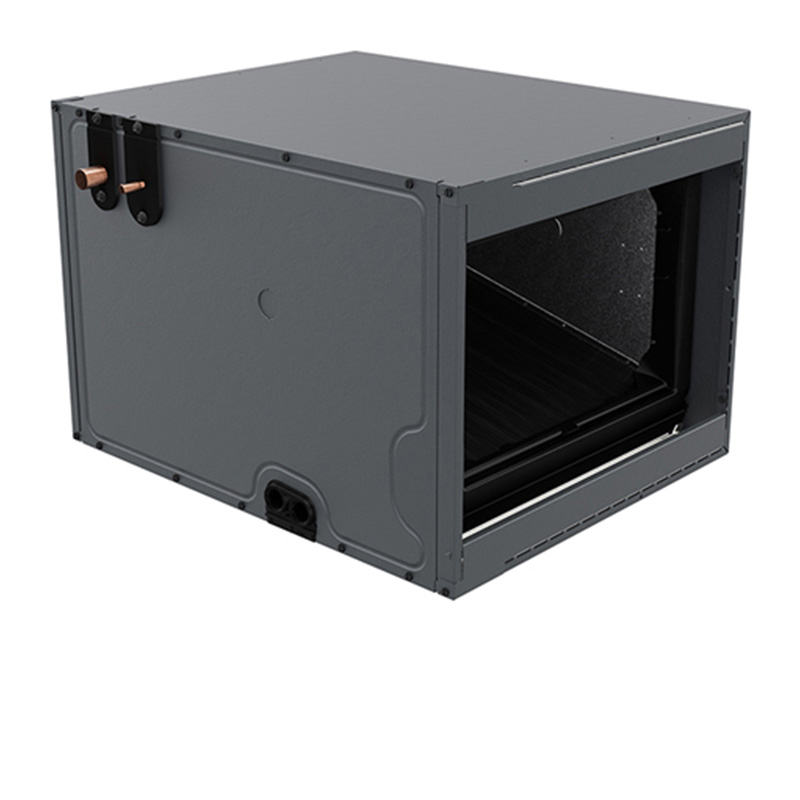
A horizontal air handler or furnace is installed on its side so that airflow moves through it laterally rather than vertically. This is standard for attic platforms, tight crawlspace runs, and some garage installations where upright units simply will not fit. Your installer should confirm the unit orientation matches your existing ductwork and drain configuration before purchase.
Goodman has mixed reviews online. What are the most common repair issues I should budget for?
The most frequently reported failure is the dual-run capacitor, which typically costs between 300 and 600 dollars to diagnose and replace and is considered a routine repair. Evaporator coil leaks also appear in a meaningful share of owner accounts and can be more expensive depending on whether the repair falls inside the warranty window. Keeping receipts, registering the equipment promptly, and scheduling annual tune-ups are the best ways to catch these issues early.
Does the warranty require professional installation, and what does it actually cover?
Goodman's extended warranty requires unit registration within a set period after installation, and most coverage terms specify that the system must be installed by a licensed HVAC contractor. Coverage typically includes the compressor, functional parts, and heat exchanger for defined periods, but labor is not covered by the factory warranty. Read the specific warranty document for this model before purchase so you know exactly what is and is not included.
Specifications
| Cooling capacity | 2 Ton |
| Efficiency | 14.5 SEER2 |
| Furnace output | 60000 BTU |
| Configuration | Horizontal |
| Refrigerant | R-32 |