Goodman R32 2 Ton 14 SEER2 60000 BTU 80% Multi-Speed ECM Gas Furnace and Air Conditioner System – Horizontal
View on AC Direct see your lowest price →Check current price on AC Direct →
Key features
- 2-ton, 14 SEER2 cooling with R-32 refrigerant for current regulatory compliance
- 60,000 BTU output at 80% AFUE for moderate-climate heating efficiency
- Horizontal configuration designed for attic, crawlspace, and tight-clearance installs
- Multi-speed ECM blower motor for improved dehumidification and lower fan energy draw
- Priced 15 to 25 percent below comparable Carrier, Trane, and Lennox systems
- Goodman 10-year parts warranty available with registration within 60 days of install
About this system
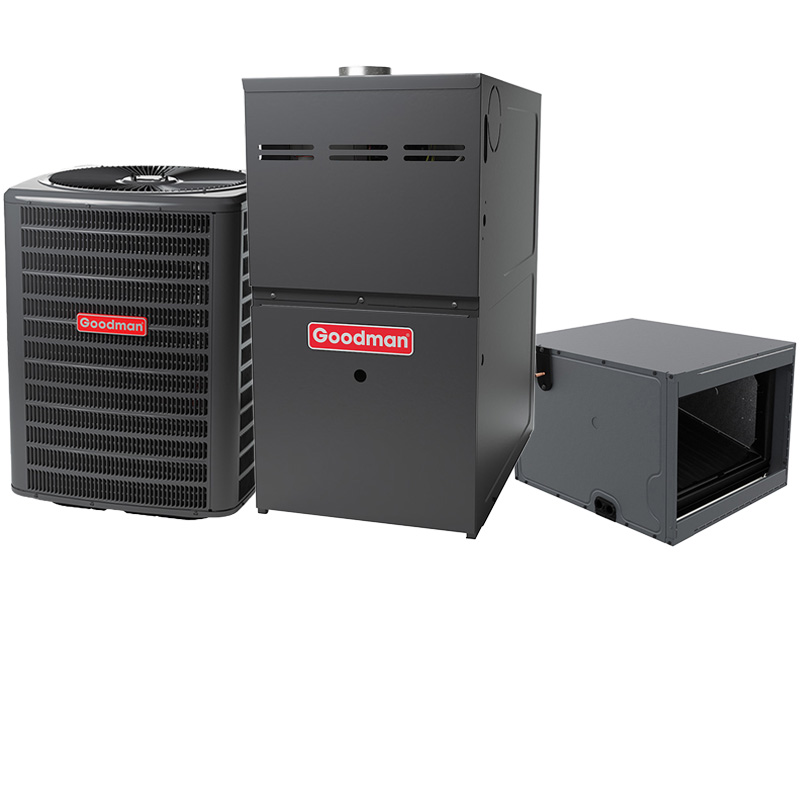
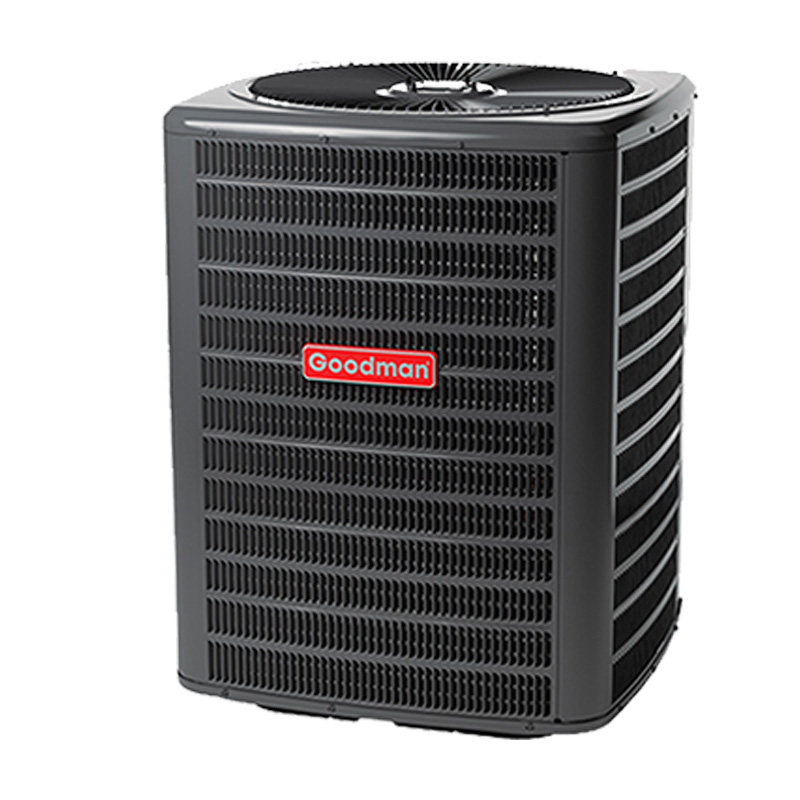
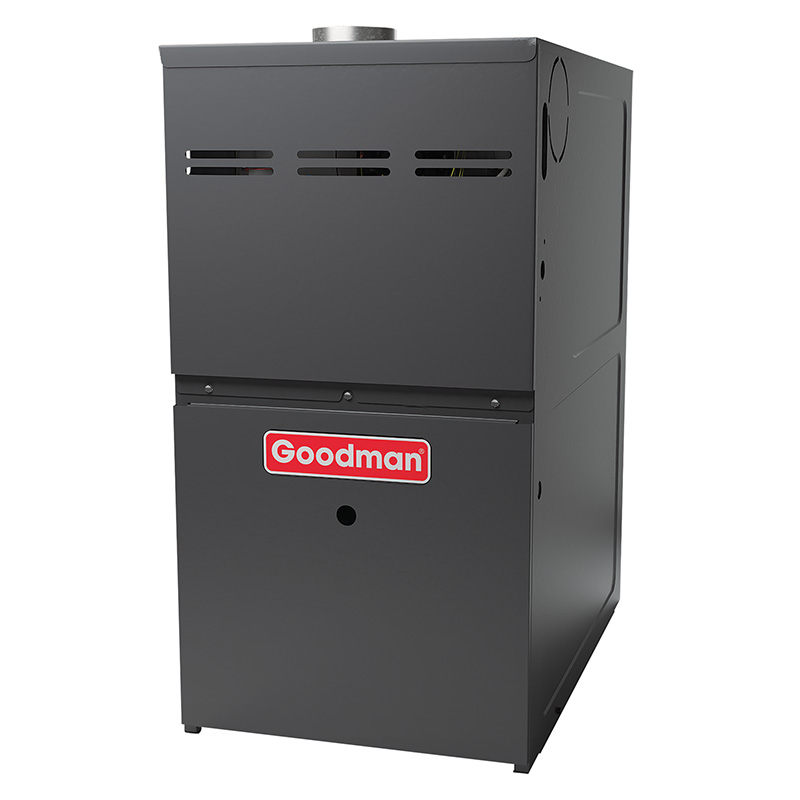
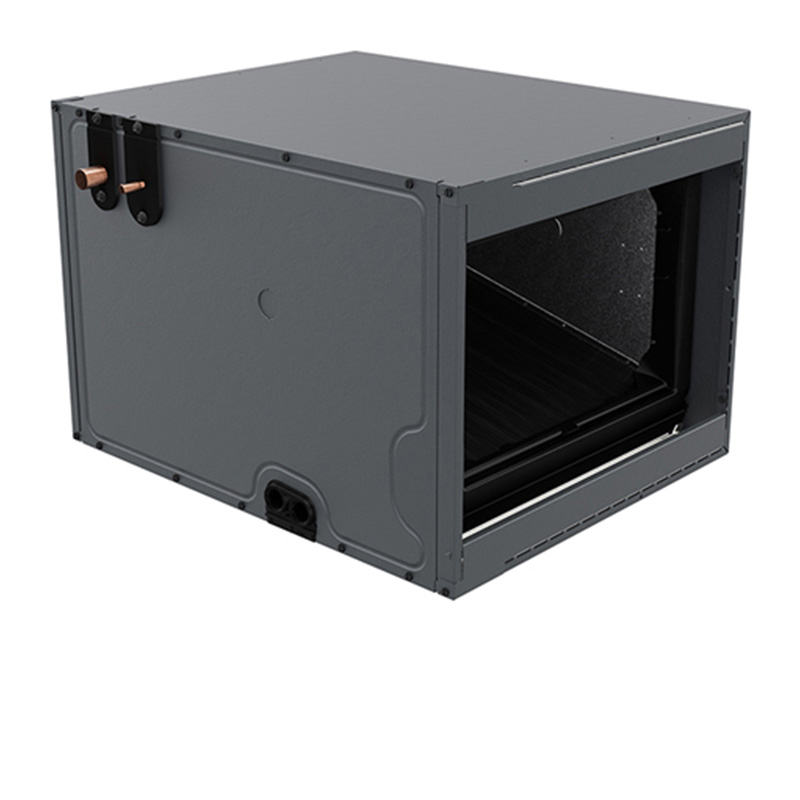
This Goodman horizontal-configuration system pairs a 2-ton, 14 SEER2 air conditioner running on R-32 refrigerant with a 60,000 BTU, 80% AFUE multi-speed ECM gas furnace. The horizontal layout is purpose-built for attic installs and crawlspace applications where vertical clearance is limited, making it a practical choice for ranch-style homes, manufactured housing, or any structure where a traditional upflow furnace simply will not fit. At 2 tons, the cooling side is sized for roughly 900 to 1,200 square feet of living space under average load conditions, though proper Manual J load calculation by your installer matters far more than the rule-of-thumb math.
The 14 SEER2 rating sits at the federal minimum efficiency threshold for most U.S. climate zones, which means operating costs will be higher over time compared with 16 or 18 SEER2 alternatives, but the upfront price is correspondingly lower. R-32 refrigerant has a lower global warming potential than the R-410A it is replacing across the industry, and it carries a slight efficiency edge, so this system is positioned for current and near-term regulatory compliance. The multi-speed ECM blower motor on the furnace side improves dehumidification and airflow consistency compared with a single-speed PSC motor, and it draws less electricity during fan-only operation. This is a straightforward, no-frills system that rewards buyers who prioritize purchase price and who understand that long-term outcomes depend heavily on installation quality and routine maintenance.
This Goodman horizontal system is a budget-conscious pick for homeowners who need a site-specific horizontal configuration and want to keep upfront costs low. It delivers functional, code-compliant performance, but buyers should understand that 14 SEER2 is the efficiency floor, compressor longevity runs shorter than premium brands, and the unit's long-term reliability is meaningfully tied to who installs it and how well it is maintained.
Overall score is the average of the five ratings above.
What we like
- Lower purchase price than comparable Carrier, Trane, or Lennox units by 15 to 25 percent
- Horizontal configuration genuinely serves attic and crawlspace applications that other configurations cannot
- Multi-speed ECM motor improves comfort and humidity control over basic single-speed alternatives
- R-32 refrigerant meets current and anticipated near-term regulatory standards
- 10-year registered parts warranty provides reasonable parts coverage for a value-tier brand
Trade-offs
- 14 SEER2 is the minimum efficiency tier, so annual operating costs will be higher than mid- or high-efficiency alternatives
- Dual-run capacitor failures are the most frequently reported repair, typically occurring after several years of use
- Compressor lifespan averages 10 to 14 years, which is shorter than the 15 to 20 years documented for premium brands
- A minority of owners have reported refrigerant leaks in the first year, most often traced to install or initial charge issues rather than the equipment itself
What homeowners and pros say about Goodman
Homeowners who post about Goodman equipment tend to split into two camps: those who got a clean install and years of trouble-free operation, and those who ran into repair bills that felt disproportionate to the system’s age. On ConsumerAffairs, Goodman holds roughly a 2.5 out of 5 rating, and the recurring theme in those reviews is repair costs that start climbing after year seven, often centered on evaporator coil leaks and compressor failures arriving sooner than owners expected. Google dealer reviews paint a more mixed but more favorable picture, with scores around 3.8 out of 5 across hundreds of reviews per location, where the most common praise is straightforward: the price was right, and the system does what it is supposed to do.
HVAC technicians generally echo that nuance. They point out that dual-run capacitor failures are the most frequently encountered service call on Goodman equipment and that the fix is usually fast and inexpensive, in the 300 to 600 dollar range. More serious concerns come from the documented shorter average compressor lifespan of 10 to 14 years compared to the 15 to 20 years more commonly reported on Trane or Carrier compressors, and from the minority of owners who experienced refrigerant leaks within the first year. Pros who work on this specific R-32 horizontal system note that the horizontal configuration adds complexity to the install, and that a careless setup can accelerate exactly the coil and refrigerant issues that show up in owner complaints. The consensus from the field is that this system can serve a budget-focused buyer well, but only if the installer is experienced with horizontal attic setups and takes the time to commission it properly.
Sources: ConsumerAffairs Goodman owner reviews, AHRI Directory of Certified Product Performance, U.S. DOE appliance and equipment efficiency standards, Goodman product specification sheets.
What it costs to run
At 14 SEER2, cooling this 2-ton system for a typical 1200-hour cooling season at the U.S. average electricity rate of $0.17/kWh works out to roughly $350 per year in cooling, about $15 less per year than a minimum-efficiency 13.4 SEER2 unit of the same size. Your real cost depends on your climate and local rate.
Method: (24,000 BTU/hr ÷ 14 SEER2) × 1200 hours ÷ 1000 × $0.17/kWh. Rate source: U.S. EIA average; cooling hours: moderate-climate estimate.
How it compares
| Brand | Comparable model | SEER2 | Stage | Price position |
|---|---|---|---|---|
| Goodman | R-32 2-Ton 14 SEER2 Horizontal Gas System | 14 | Single-stage | Value pick |
| Carrier | Comfort Series (24ACC / 58SB) | 14-15 | Single-stage | Typically 15 to 25 percent more than Goodman |
| Trane | XR14 / S8X1 Series | 14-15 | Single-stage | Typically 15 to 25 percent more than Goodman |
| Lennox | Merit Series (13ACX / ML180) | 14 | Single-stage | Typically 15 to 25 percent more than Goodman |
Competitor rows are comparable single-stage units at similar efficiency; price is relative position, not a quote.
Questions about this system
Why does this system use a horizontal configuration, and can it be installed in an upflow application instead?
Horizontal units are specifically designed so the airflow moves side to side rather than vertically, which is required for attic installs or tight crawlspace setups where there is not enough headroom for an upflow furnace. This unit is not interchangeable with a standard upflow configuration, so confirm your application before purchasing.
Is R-32 refrigerant harder to find or more expensive to service than R-410A?
R-32 is becoming more widely stocked as manufacturers shift away from R-410A, and most licensed HVAC technicians are certified to handle it. It does require specific handling procedures because it is mildly flammable, so confirm your service technician has R-32 experience before scheduling any refrigerant-related work.
What is the most common repair owners report on Goodman systems, and what does it typically cost?
Dual-run capacitor failure is the most frequently reported issue on Goodman equipment. It is generally a straightforward repair that runs roughly 300 to 600 dollars including labor, and it can often be completed in a single service visit.
What does the 10-year warranty actually cover, and what do I need to do to activate it?
Goodman's 10-year registered limited warranty covers parts only, meaning you pay labor costs out of pocket on any covered repair. You must register the unit within 60 days of installation to qualify; without registration, coverage typically drops to five years on parts.
Is 14 SEER2 going to cost me significantly more to operate than a higher-efficiency system?
Yes, relative to a 16 or 18 SEER2 system, a 14 SEER2 unit will consume more electricity per cooling hour. How much that adds up to annually depends on your local electricity rates, climate, and how many hours the system runs, but in a warm climate with long cooling seasons the gap becomes more significant over the life of the equipment.
Specifications
| Cooling capacity | 2 Ton |
| Efficiency | 14 SEER2 |
| Furnace output | 60000 BTU |
| Configuration | Horizontal |
| Refrigerant | R-32 |